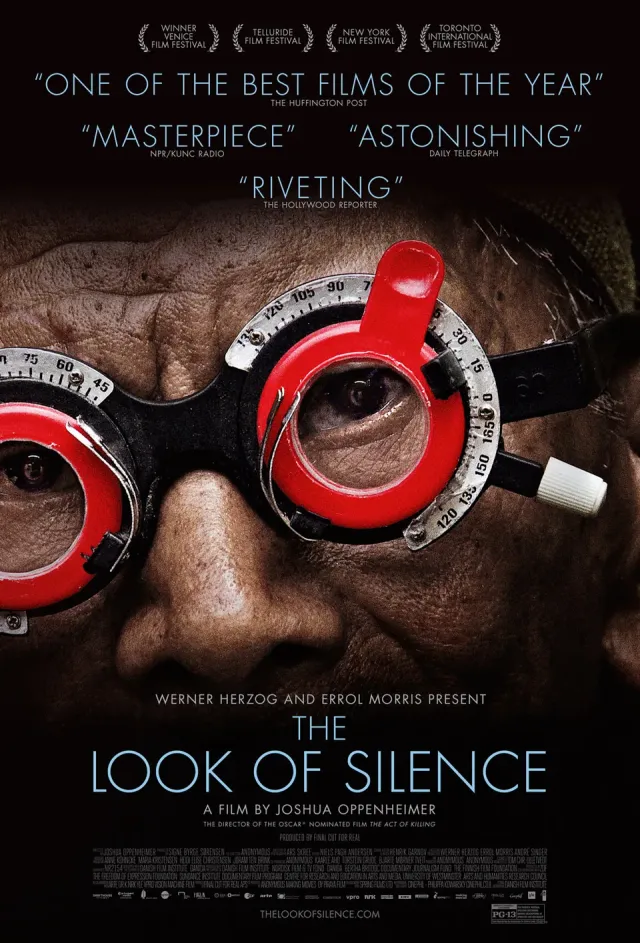
Adi uses recordings and face-to-face conversations to ask former perpetrators about the killing of his brother and the history carried by his family.
Why this matches +
These films share important themes, atmosphere or storytelling interests with this selection.
Genres: Documentary / History
Shared film traits
Based on recorded story, mood and style. Your preferences can change the order.
Memory and identity · Political resistance
What changes Its own story: Adi uses recordings and face-to-face conversations to ask former perpetrators about the killing of his brother and the history carried by his family.
Adi Rukun, an Indonesian optometrist, grew up after his older brother Ramli was killed during the 1965–66 anti-communist purges. While serving customers, Adi watches recordings of former perpetrators describing the violence and decides to meet some of them with his family’s story in hand. He asks direct questions about what happened and how they understand their actions. Joshua Oppenheimer’s documentary centers on the risks and emotional strain of confronting a history that remains publicly unresolved.
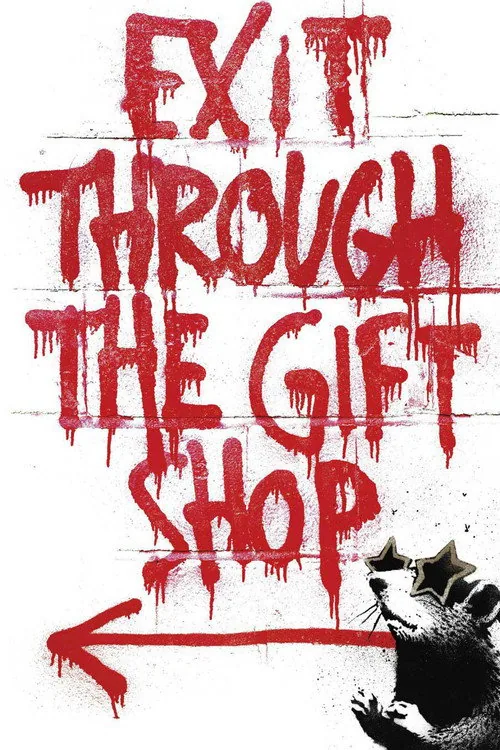
Guetta’s drive to film street artists becomes a story about what happens when he seeks recognition for his own work.
Why this matches +
These films share important themes, atmosphere or storytelling interests with this selection.
Genres: Documentary / Comedy
Shared film traits
Based on recorded story, mood and style. Your preferences can change the order.
What changes Its own story: Guetta’s drive to film street artists becomes a story about what happens when he seeks recognition for his own work.
Thierry Guetta, a French shopkeeper in Los Angeles, becomes fascinated with street art and begins filming artists at work, including Shepard Fairey and the elusive Banksy. What begins as a record of graffiti culture changes direction when Guetta tries to become an artist himself and Banksy takes a more active role in shaping the footage. The film presents itself as a documentary while also inviting questions about authorship, performance, and authenticity. Its story follows both a subculture and the strange process by which images become art-world commodities.
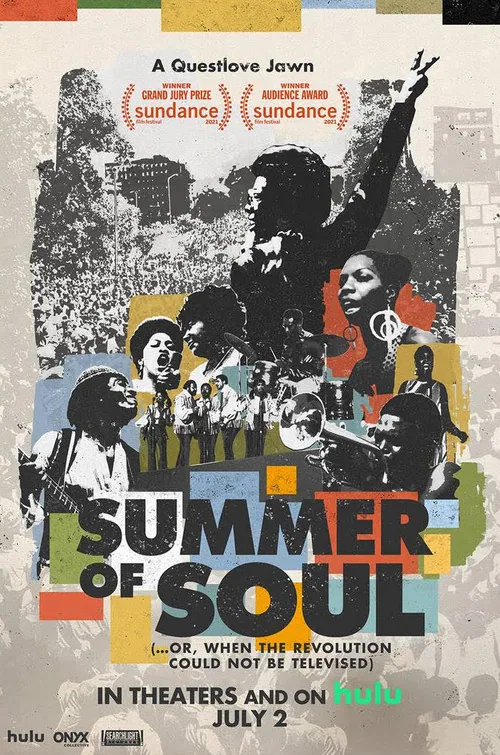
The recovered recordings make the festival’s audience and atmosphere present across time.
Why this matches +
These films share important themes, atmosphere or storytelling interests with this selection.
Genres: Documentary / Music
Shared film traits
Based on recorded story, mood and style. Your preferences can change the order.
Political resistance
What changes Its own story: The recovered recordings make the festival’s audience and atmosphere present across time.
This documentary revisits the 1969 Harlem Cultural Festival through recovered performance footage, archival news material, and interviews with people connected to the event. Music and testimony place the concerts within a period of political change and cultural pride. Its central act is also one of historical recovery: it asks how a major public gathering could be so widely attended yet remain peripheral in later popular memory.
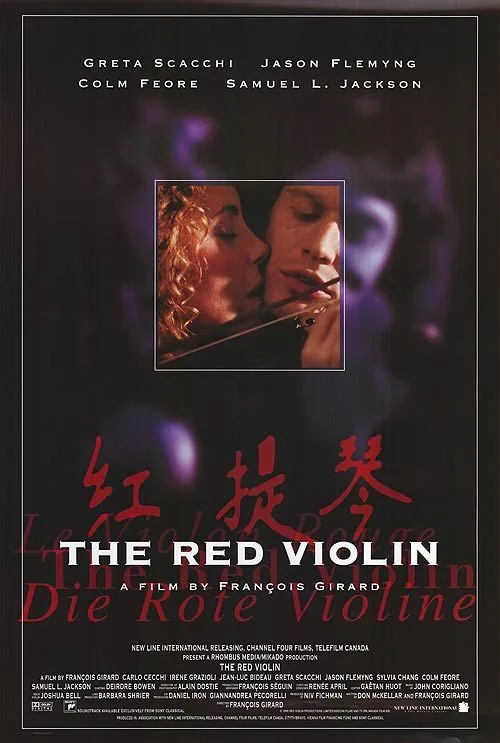
Each owner’s relationship with the violin is shaped by personal ambition, grief or the wish to preserve beauty.
Why this matches +
These films share important themes, atmosphere or storytelling interests with this selection.
Genres: Drama / Music
The approach A dramatic feature rather than documentary footage.
Shared film traits
Based on recorded story, mood and style. Your preferences can change the order.
Memory and identity
What changes Its own story: Each owner’s relationship with the violin is shaped by personal ambition, grief or the wish to preserve beauty.
A violin made in seventeenth-century Cremona begins a journey across centuries and continents after its maker’s pregnant wife and unborn child die. Its red varnish and unusual sound follow it from an Austrian orphanage to later owners who attach their own hopes and losses to the instrument. A modern auction in Montreal brings its history into focus through accounts of musicians, collectors and guardians. The film follows the violin as a prized object whose changing owners give it new meanings without erasing the stories carried with it.
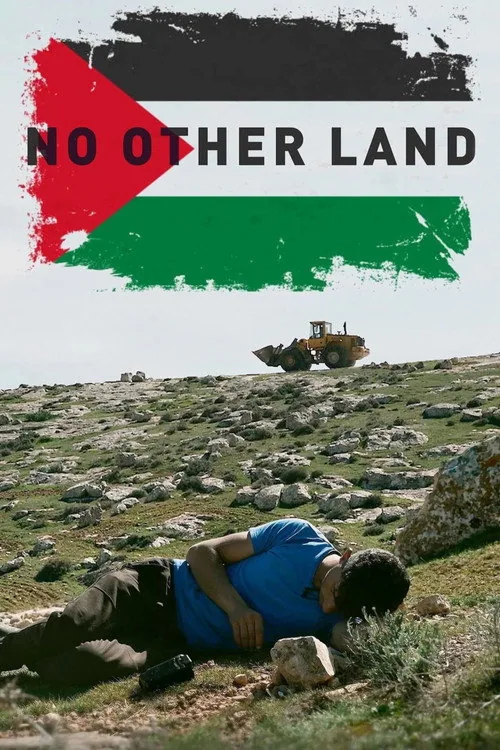
Basel keeps documenting demolitions and fighting displacement as the village's legal and political options narrow.
Why this matches +
These films explore a related idea in a different setting, genre or style.
An adjacent discovery: a related idea with a different viewing experience.
Genres: Documentary / History
Shared film traits
Based on recorded story, mood and style. Your preferences can change the order.
Political resistance
What changes Its own story: Basel keeps documenting demolitions and fighting displacement as the village's legal and political options narrow.
Filmed over several years, this documentary follows Palestinian activist Basel Adra as Israeli military authorities demolish homes and structures in the West Bank region of Masafer Yatta. Basel records the destruction and organizes with residents, while Israeli journalist Yuval Abraham joins him to report on the community's struggle. Their collaboration creates a personal friendship across unequal political positions without softening the ongoing displacement. The film is built from direct footage of protests, demolitions, and daily life, showing the work of bearing witness as a form of resistance.
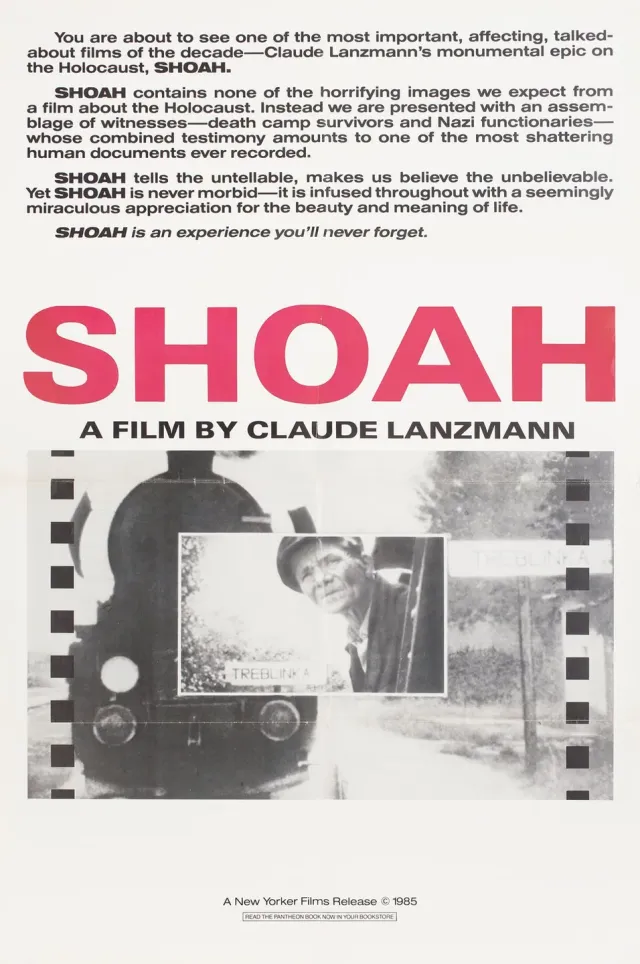
The documentary’s length and interview method make testimony itself the structure through which the history is approached.
Why this matches +
These films explore a related idea in a different setting, genre or style.
An adjacent discovery: a related idea with a different viewing experience.
Genres: Documentary / Historical
Shared film traits
Based on recorded story, mood and style. Your preferences can change the order.
Memory and identity · Political resistance
What changes Its own story: The documentary’s length and interview method make testimony itself the structure through which the history is approached.
Claude Lanzmann’s documentary returns to Holocaust sites in Poland and builds its account through extended interviews with survivors, witnesses and perpetrators. Its conversations and location visits focus particularly on Chełmno, Treblinka, Auschwitz-Birkenau and the Warsaw Ghetto. Rather than present the history as a short narrated overview, the film gives testimony time to unfold, following memories, evasions and difficult acts of explanation across languages and perspectives. Made over eleven years and running more than nine hours, it asks viewers to stay with individual accounts and with the landscapes where mass murder occurred. The work’s scale and patient method make remembrance an encounter with people who experienced, observed or carried out the events.
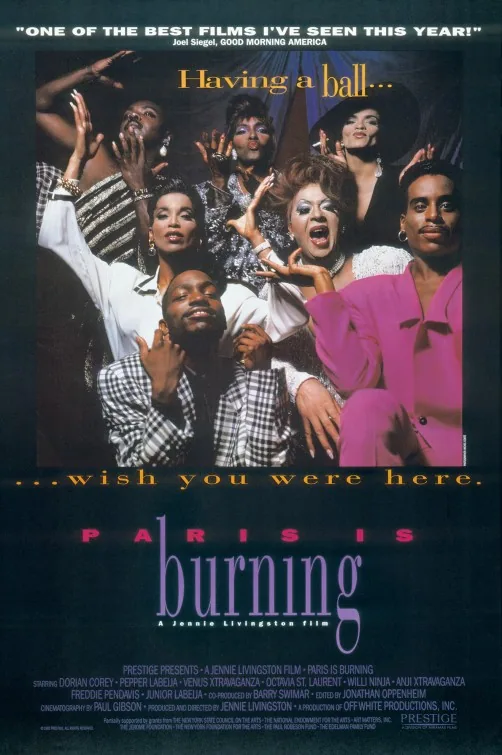
The documentary uses the ball competitions and participants’ accounts to map a cultural community and its creative vocabulary.
Why this matches +
These films explore a related idea in a different setting, genre or style.
An adjacent discovery: a related idea with a different viewing experience.
Genres: Documentary / LGBTQ-related
Shared film traits
Based on recorded story, mood and style. Your preferences can change the order.
Social hierarchy
What changes Its own story: The documentary uses the ball competitions and participants’ accounts to map a cultural community and its creative vocabulary.
Jennie Livingston’s documentary observes New York’s Harlem ballroom scene through the people who compete in its balls and the houses that organize community life. Performers explain categories such as fashion, realness and voguing, while house mothers and members describe the care, ambition and rivalry that shape their chosen families. The film moves between extravagant performance and candid interviews about work, race, gender, sexuality, poverty and the desire for recognition. It preserves a particular moment in ballroom culture while foregrounding the voices of the people who built its styles and social worlds.
A working day becomes raw material for an editor who exposes how camera placement and cutting build a cinematic account of collective life.
Why this matches +
These films explore a related idea in a different setting, genre or style.
An adjacent discovery: a related idea with a different viewing experience.
Genres: Documentary / Experimental
Shared film traits
Based on recorded story, mood and style. Your preferences can change the order.
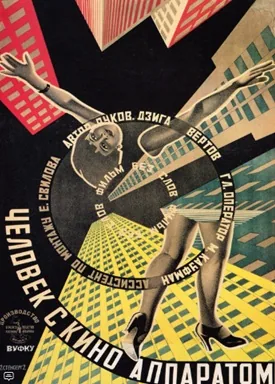
What changes Its own story: A working day becomes raw material for an editor who exposes how camera placement and cutting build a cinematic account of collective life.
Across a day in several Soviet cities, a cameraman records streets, factories, transport, leisure and public events while an editor assembles the footage into a dynamic portrait of modern urban life. The film repeatedly shows the camera operator at work and the editor arranging the very images the audience sees, making production part of its subject. There is no conventional cast or dialogue-driven plot: visual associations, superimpositions and changes in speed turn ordinary labor and motion into an experiment in what cinema can reveal and construct.
A curator's attempt to act generously after a robbery collides with the museum's marketing of generosity as an abstract public value.
Why this matches +
These films explore a related idea in a different setting, genre or style.
An adjacent discovery: a related idea with a different viewing experience.
Genres: Drama / Comedy
The approach A dramatic feature rather than documentary footage.
Shared film traits
Based on recorded story, mood and style. Your preferences can change the order.
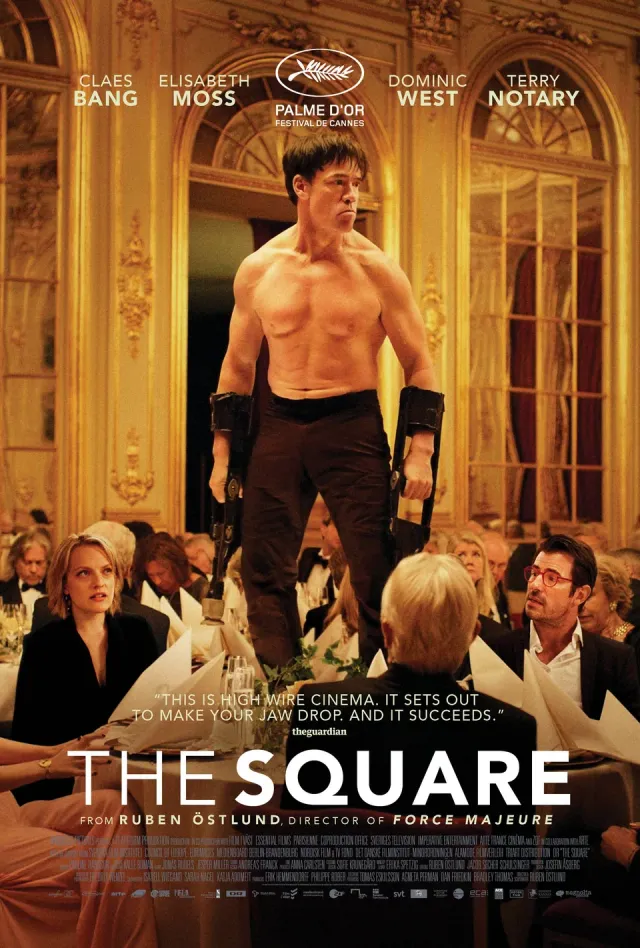
What changes Its own story: A curator's attempt to act generously after a robbery collides with the museum's marketing of generosity as an abstract public value.
Christian, a Stockholm contemporary-art museum curator and divorced father, prepares a public installation called The Square, a marked space meant to invite trust and care. After he is robbed in the street, his staff help him send a provocative letter to residents of a housing block he suspects, and the attempt to recover his belongings has consequences beyond the theft. A publicity campaign for the installation turns the museum's humane ideals into a spectacle, while Christian's personal and professional choices expose how selectively he applies them. Encounters with a journalist, a child and an artist performing as an ape unsettle his confidence in the institution's moral language. The film accumulates episodes rather than resolving them into a single lesson.
Nanisca’s command is tested by the tension between protecting her people and confronting the kingdom’s own role in enslavement.
Why this matches +
These films explore a related idea in a different setting, genre or style.
An adjacent discovery: a related idea with a different viewing experience.
Genres: Action / Drama
The approach A dramatic feature rather than documentary footage.
Shared film traits
Based on recorded story, mood and style. Your preferences can change the order.
Political resistance
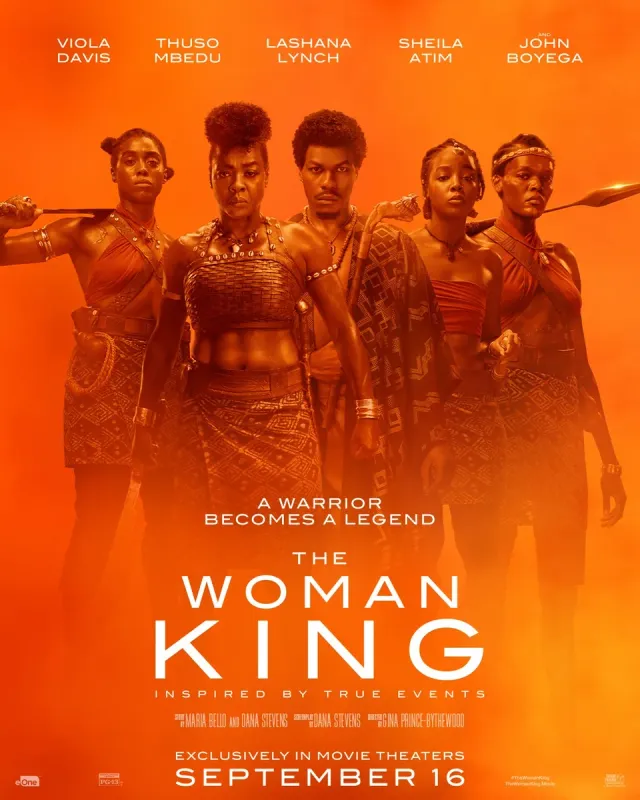
What changes Its own story: Nanisca’s command is tested by the tension between protecting her people and confronting the kingdom’s own role in enslavement.
In the 1820s Kingdom of Dahomey, General Nanisca trains a new group of women warriors as the Agojie face conflict with the Oyo Empire and the expanding slave trade. Recruit Nawi resists the role expected of her and gradually finds a place among the soldiers. The historical action drama centers women’s military skill and solidarity while dramatizing political choices and a violent period of West African history.
The interview frame gives Amin space to narrate a refugee journey whose undisclosed details still affect his plans for the future.
Why this matches +
These films explore a related idea in a different setting, genre or style.
An adjacent discovery: a related idea with a different viewing experience.
Genres: Documentary / Animation
Shared film traits
Based on recorded story, mood and style. Your preferences can change the order.
Memory and identity
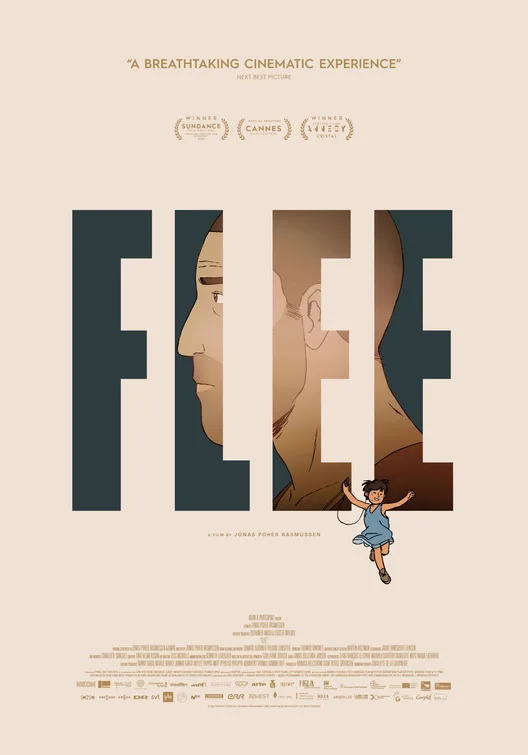
What changes Its own story: The interview frame gives Amin space to narrate a refugee journey whose undisclosed details still affect his plans for the future.
In animated documentary form, Amin tells director Jonas Poher Rasmussen the story of his childhood in Afghanistan and the flight that eventually brought him to Denmark. Amin has not shared every part of this history, even with his partner, and the interviews unfold alongside memories, archival material and animated reconstructions. The film connects displacement to trust, intimacy and the possibility of building a home.
The search for a missing memory becomes an inquiry into what the witnesses saw and what they could bear to remember.
Why this matches +
These films explore a related idea in a different setting, genre or style.
An adjacent discovery: a related idea with a different viewing experience.
Genres: Documentary / War
Shared film traits
Based on recorded story, mood and style. Your preferences can change the order.
Memory and identity
What changes Its own story: The search for a missing memory becomes an inquiry into what the witnesses saw and what they could bear to remember.
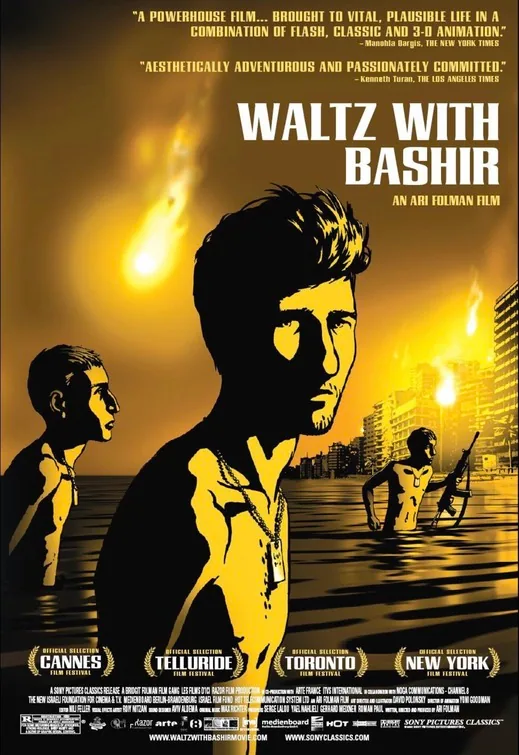
An Israeli veteran tries to recover memories of his service during the 1982 Lebanon War after a former comrade describes a recurring nightmare. Conversations with other veterans lead toward the events surrounding the Sabra and Shatila massacre and the narrator’s own missing recollections. The animated documentary combines testimony, dream imagery and uncertain memory to explore responsibility, trauma and the difficulty of witnessing violence one has helped enable.
The story moves from cell-level resistance to counterinsurgency, showing how tactical victories fail to settle the political question of Algerian independence.
Why this matches +
These films explore a related idea in a different setting, genre or style.
An adjacent discovery: a related idea with a different viewing experience.
Genres: Drama / Historical
The approach A dramatic feature rather than documentary footage.
Shared film traits
Based on recorded story, mood and style. Your preferences can change the order.
Political resistance
What changes Its own story: The story moves from cell-level resistance to counterinsurgency, showing how tactical victories fail to settle the political question of Algerian independence.
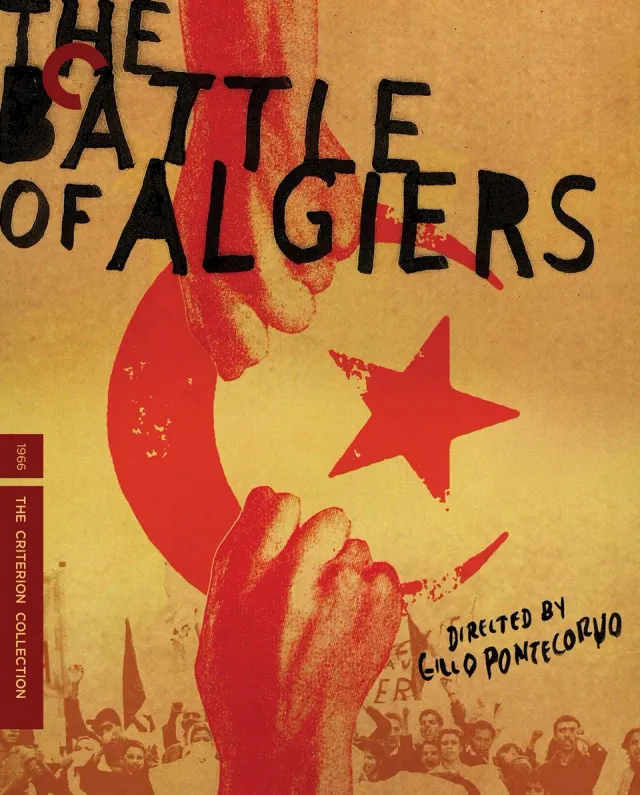
Beginning with French forces closing in on Ali la Pointe, the film flashes back to the growth of the National Liberation Front in the Casbah between 1954 and 1957. It follows urban resistance cells and the French paratroopers sent to dismantle them, showing both insurgent attacks and the military campaign of arrests and torture. The struggle escalates through bombings, reprisals and the destruction of FLN leadership, but nationalist demonstrations continue after the immediate battle is lost. The film frames the city as a contested political space and connects tactical victories to a wider movement for independence.
Karamakate’s two journeys make cultural loss visible through his changing relationship to memory.
Why this matches +
These films explore a related idea in a different setting, genre or style.
An adjacent discovery: a related idea with a different viewing experience.
Genres: Drama / Adventure
The approach A dramatic feature rather than documentary footage.
Shared film traits
Based on recorded story, mood and style. Your preferences can change the order.
What changes Its own story: Karamakate’s two journeys make cultural loss visible through his changing relationship to memory.
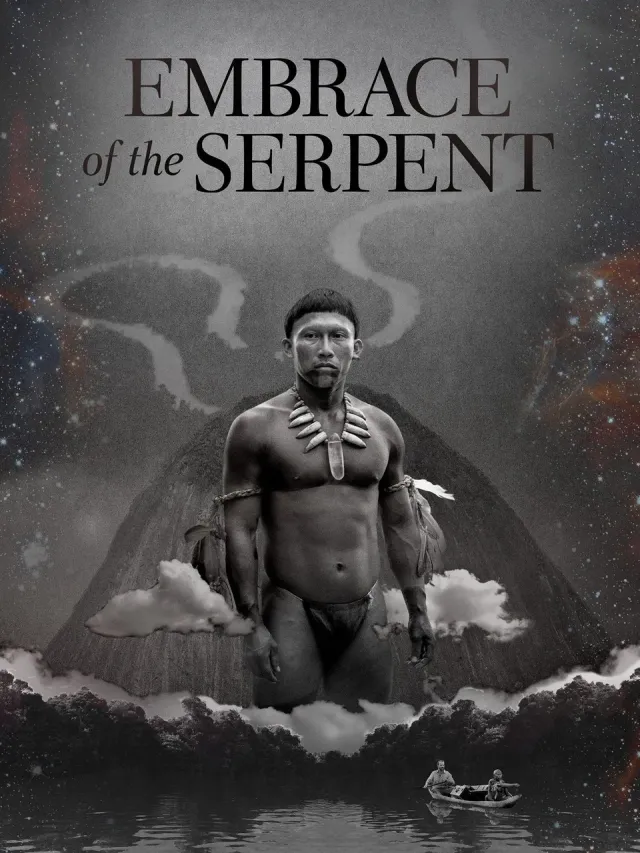
Karamakate, a shaman in the Colombian Amazon, guides two foreign scientists on journeys separated by decades as they search for the sacred plant yakruna. The parallel expeditions reveal how colonial exploitation damages communities, knowledge and the natural world, while Karamakate confronts changes in his own culture and memory. Ciro Guerra films the story in evocative monochrome for much of its length, creating a meditative adventure about encounter, loss and the limits of translation.
The settlement and surrounding landscape are treated as forces that shape the encounter rather than mere backdrop.
Why this matches +
These films explore a related idea in a different setting, genre or style.
An adjacent discovery: a related idea with a different viewing experience.
Genres: Drama / Romance
The approach A dramatic feature rather than documentary footage.
Shared film traits
Based on recorded story, mood and style. Your preferences can change the order.
Memory and identity · Political resistance
What changes Its own story: The settlement and surrounding landscape are treated as forces that shape the encounter rather than mere backdrop.
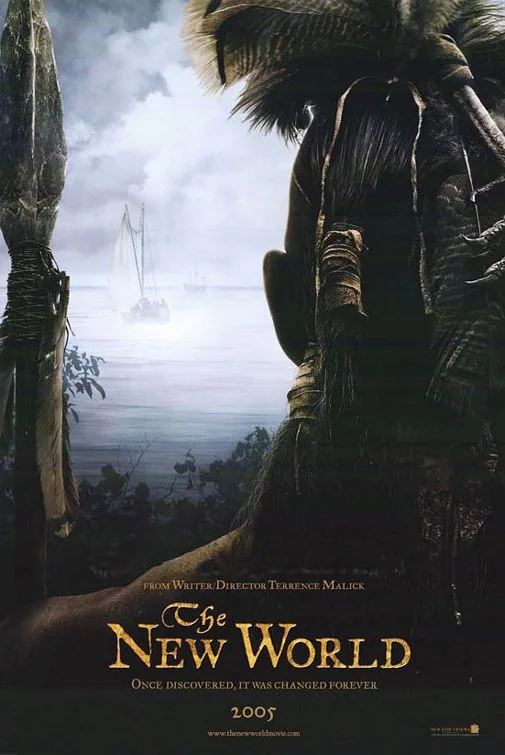
The arrival of English settlers in early seventeenth-century Virginia is seen through the encounter between explorer John Smith and Pocahontas, alongside the hardship of founding Jamestown. Their connection is set within a larger history of colonization and cultural conflict. The film uses sensory detail, voice-over and a patient rhythm to consider how desire, land and incompatible worlds are entangled, while resisting the shape of a conventional adventure romance.
Armand follows a chain of acquaintances to reach Theo, and each interview provides a different motive, memory or grievance rather than a reliable final statement. The mystery gradually gives way to an inquiry into the absent artist.
Why this matches +
These films explore a related idea in a different setting, genre or style.
An adjacent discovery: a related idea with a different viewing experience.
Genres: Animation / Drama
The approach A dramatic feature rather than documentary footage.
Shared film traits
Based on recorded story, mood and style. Your preferences can change the order.
Memory and identity
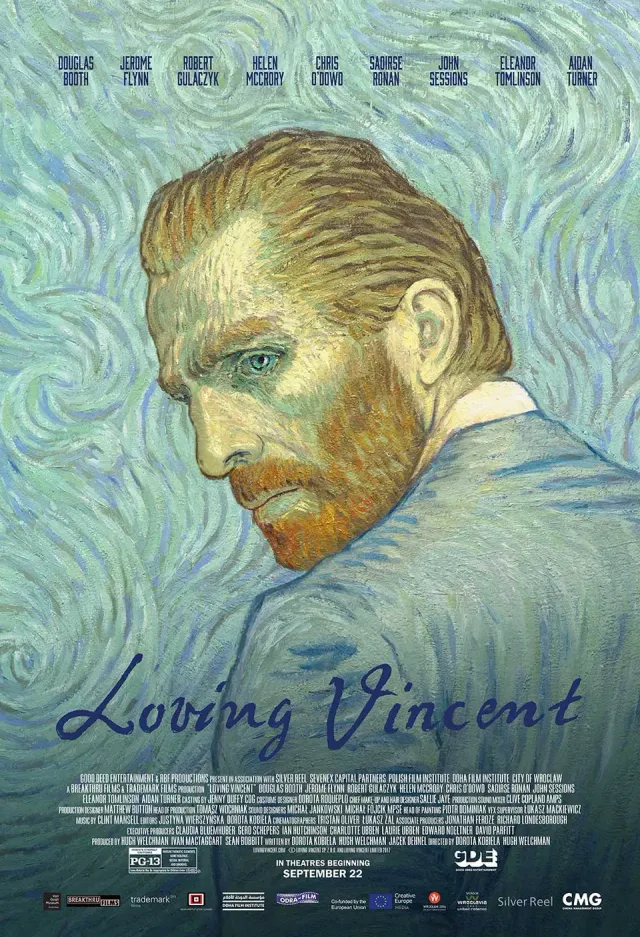
What changes Its own story: Armand follows a chain of acquaintances to reach Theo, and each interview provides a different motive, memory or grievance rather than a reliable final statement. The mystery gradually gives way to an inquiry into the absent artist.
A year after Vincent van Gogh’s death, postman’s son Armand Roulin reluctantly tries to deliver a letter to the painter’s brother, Theo. In Auvers-sur-Oise, people who knew Vincent give conflicting accounts of his final days, shifting Armand’s task from delivery toward a question the film cannot conclusively answer. Every frame is rendered in oil-painted animation, and flashbacks change visual style as memories change. The technique makes reconstruction visible: viewers watch a portrait of a person built from other people’s recollections. The film entertains the possibility of murder but does not establish it as historical fact. Its emotional investigation of how Vincent was seen should remain distinct from evidence about the circumstances of his death.
The accident redirects Kahlo toward painting, while a changing body, political commitments and an unstable marriage keep artistic life from becoming a simple recovery story. The accident alters the conditions of Kahlo’s life but does not reduce her to injury.
Why this matches +
These films explore a related idea in a different setting, genre or style.
An adjacent discovery: a related idea with a different viewing experience.
Genres: Drama / Biography
The approach A dramatic feature rather than documentary footage.
Shared film traits
Based on recorded story, mood and style. Your preferences can change the order.
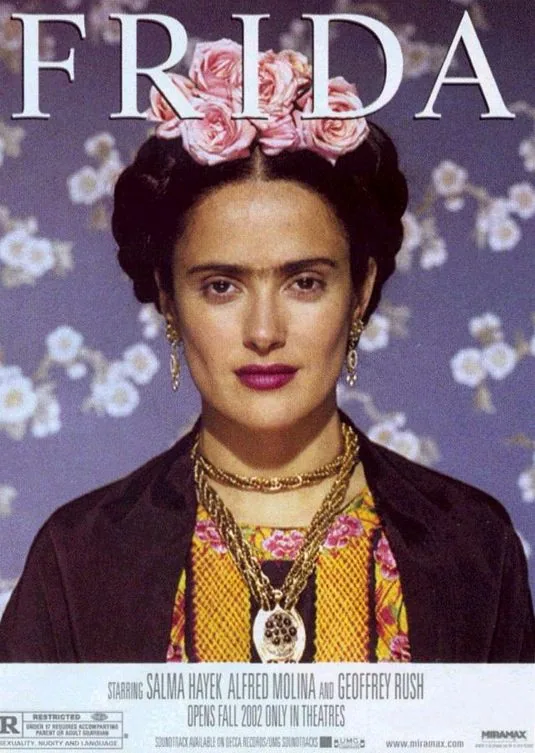
What changes Its own story: The accident redirects Kahlo toward painting, while a changing body, political commitments and an unstable marriage keep artistic life from becoming a simple recovery story. The accident alters the conditions of Kahlo’s life but does not reduce her to injury.
After a serious accident changes her body and ambitions, Frida Kahlo turns to painting while building a turbulent life with Diego Rivera and moving among political and artistic circles. Pain and disability shape her daily life, but the film also gives space to her humor, sexual autonomy and creative decisions rather than making suffering the whole explanation for her art. Its vivid images translate paintings into a biographical fantasy, and its compressed account of relationships can make private conflict overshadow political context. Read it as a dramatized portrait of an artist, not a comprehensive biography or transparent key to every painting.
Virgil’s expertise in identifying fakes does not protect his personal life.
Why this matches +
These films explore a related idea in a different setting, genre or style.
An adjacent discovery: a related idea with a different viewing experience.
Genres: Drama / Mystery
The approach A dramatic feature rather than documentary footage.
Shared film traits
Based on recorded story, mood and style. Your preferences can change the order.
Memory and identity
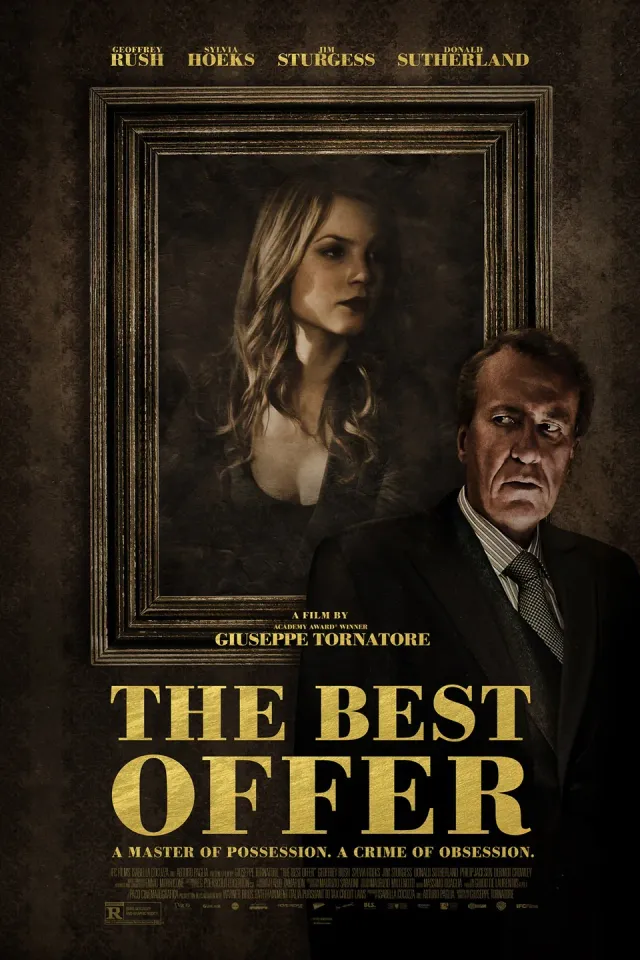
What changes Its own story: Virgil’s expertise in identifying fakes does not protect his personal life.
Virgil Oldman, a celebrated auctioneer who avoids intimacy, is hired to appraise the estate of a reclusive young woman who refuses to meet him in person. As he becomes fascinated by her voice and the objects in her home, his professional judgment gives way to a private fixation. The mystery explores authenticity, deception, and the loneliness that makes an expert vulnerable to being manipulated.
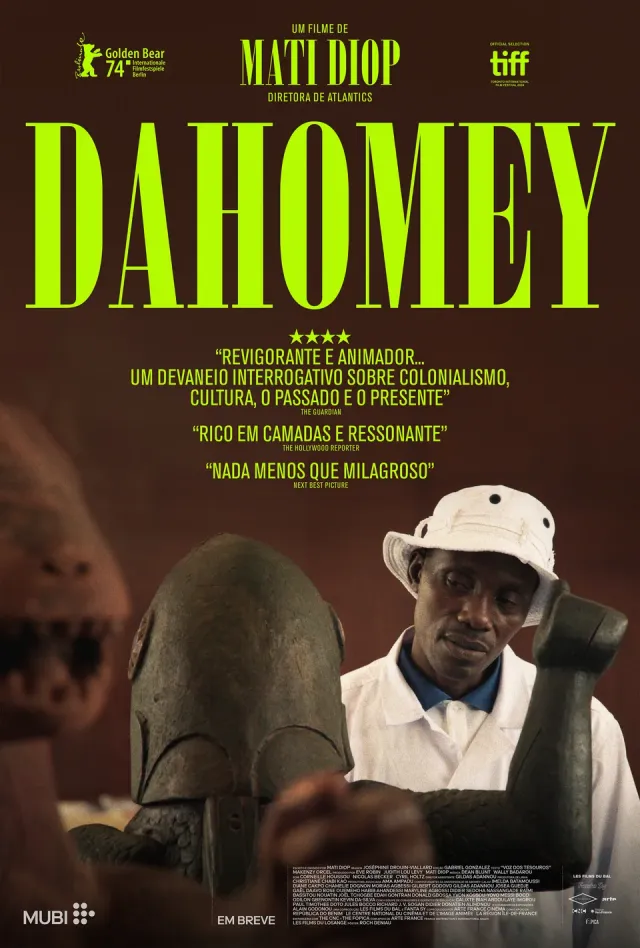
Mati Diop's documentary follows the return of royal artifacts looted from the Kingdom of Dahomey and held for generations in France. The objects arrive in present-day Benin, where students and others debate what repatriation can repair, what remains absent and who has the authority to speak for the past. Alongside the public discussion, the film gives an imagined voice to one returned statue, connecting material history with memory, colonial power and cultural inheritance.
What drives the story
A group of royal objects returns to Benin and prompts debate over restitution and cultural inheritance.
The people at its centre
Students and community voices disagree about what the return means, while an artifact receives an imagined perspective.
What it feels like
A poetic documentary form joins a concrete museum transfer to questions of memory and continuing colonial influence.
Worth knowing
The film stages discussion around real restitution rather than offering a single authoritative verdict.