The film follows Bourdin's claim to be missing teen Nicholas Barclay and traces the questions raised when relatives accept him as their own.
Why this matches +
These films share important themes, atmosphere or storytelling interests with this selection.
Genres: Documentary / Crime
Shared film traits
Based on recorded story, mood and style. Your preferences can change the order.
What changes Its own story: The film follows Bourdin's claim to be missing teen Nicholas Barclay and traces the questions raised when relatives accept him as their own.
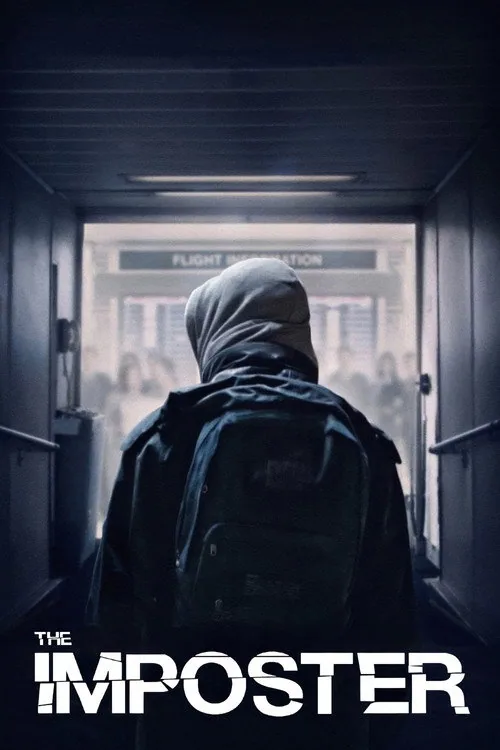
This documentary examines how Frédéric Bourdin, a French serial impostor, convinced a Texas family that he was their missing teenage son Nicholas Barclay, who had disappeared years earlier. Interviews with Bourdin, relatives, investigators, and others involved are interwoven with staged reconstructions of key events. As the deception comes apart, the film explores why the family accepted an adult stranger whose appearance and accent differed from the missing boy, leaving viewers to weigh grief, testimony, and suspicion without a simple explanation.
Four students try to steal rare books after imagining a high-stakes future, and their improvised plan unravels under real pressure.
Why this matches +
These films share important themes, atmosphere or storytelling interests with this selection.
Genres: Crime / Drama
Shared film traits
Based on recorded story, mood and style. Your preferences can change the order.
What changes Its own story: Four students try to steal rare books after imagining a high-stakes future, and their improvised plan unravels under real pressure.
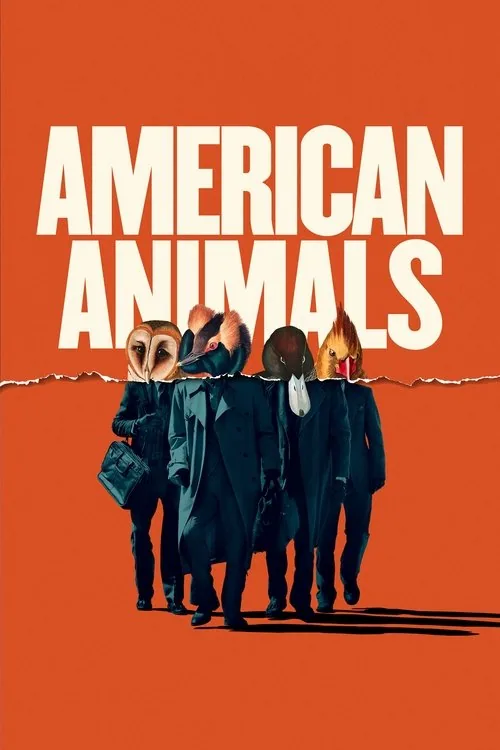
Four college students in Kentucky imagine that stealing rare books from their university library will give their ordinary lives an extraordinary story. Spencer and Warren recruit friends, research a plan, and attempt to take a valuable Audubon volume, but their confidence collapses when reality proves far less controllable than their rehearsals. The film alternates dramatized scenes with interviews from the real people involved, letting memory, self-justification, and conflicting accounts become part of the heist itself.
The film follows the promotion, rushed preparation, and collapse of an event whose image was far more complete than its infrastructure.
Why this matches +
These films share important themes, atmosphere or storytelling interests with this selection.
Genres: Documentary / Crime
Shared film traits
Based on recorded story, mood and style. Your preferences can change the order.
What changes Its own story: The film follows the promotion, rushed preparation, and collapse of an event whose image was far more complete than its infrastructure.
This documentary reconstructs the failed Fyre Festival, a luxury music event promoted for a private Bahamian island but delivered as a chaotic camp after ticket buyers arrived. Interviews and behind-the-scenes footage show how founder Billy McFarland and his team sold an aspirational image through social media while lacking the infrastructure to support it. Local workers, vendors, performers, and guests describe the costs of the collapse. The film examines influencer marketing, startup bravado, and the gap between a polished online promise and material reality.
A curator's attempt to act generously after a robbery collides with the museum's marketing of generosity as an abstract public value.
Why this matches +
These films share important themes, atmosphere or storytelling interests with this selection.
Genres: Drama / Comedy
The approach A dramatic feature rather than documentary footage.
Shared film traits
Based on recorded story, mood and style. Your preferences can change the order.
What changes Its own story: A curator's attempt to act generously after a robbery collides with the museum's marketing of generosity as an abstract public value.
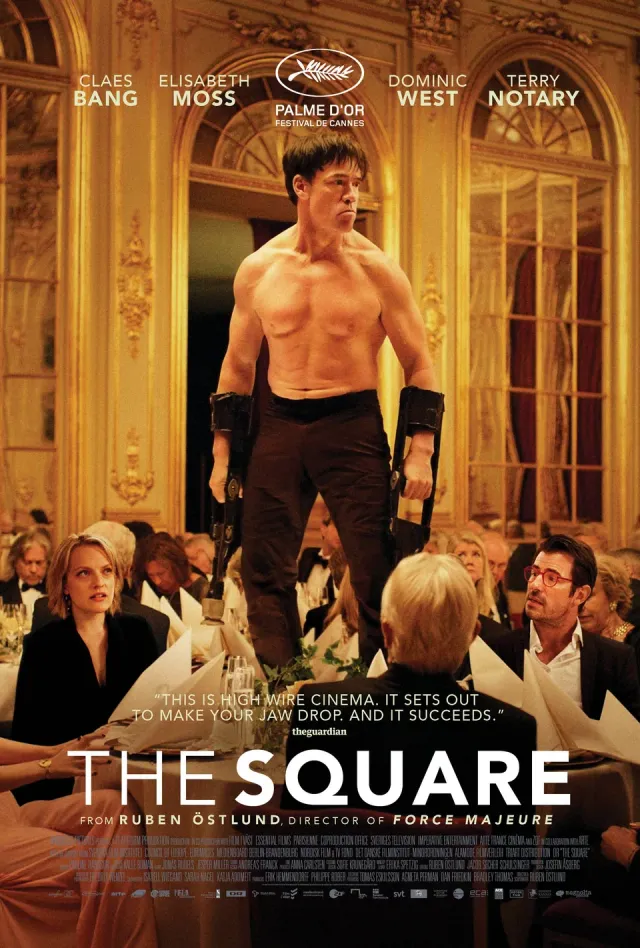
Christian, a Stockholm contemporary-art museum curator and divorced father, prepares a public installation called The Square, a marked space meant to invite trust and care. After he is robbed in the street, his staff help him send a provocative letter to residents of a housing block he suspects, and the attempt to recover his belongings has consequences beyond the theft. A publicity campaign for the installation turns the museum's humane ideals into a spectacle, while Christian's personal and professional choices expose how selectively he applies them. Encounters with a journalist, a child and an artist performing as an ape unsettle his confidence in the institution's moral language. The film accumulates episodes rather than resolving them into a single lesson.
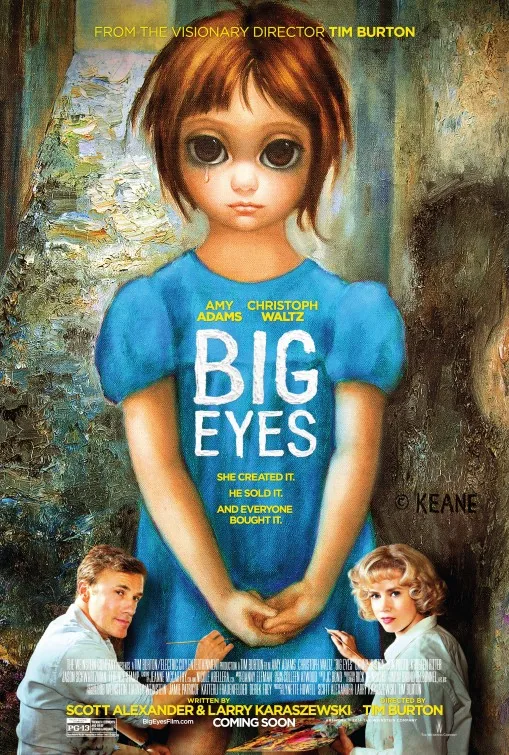
A partner's useful commercial performance becomes appropriation, with the artist's continued production sustaining the very lie that denies her recognition.
Why this matches +
These films share important themes, atmosphere or storytelling interests with this selection.
Genres: Drama / Biography
The approach A dramatic feature rather than documentary footage.
Shared film traits
Based on recorded story, mood and style. Your preferences can change the order.
What changes Its own story: A partner's useful commercial performance becomes appropriation, with the artist's continued production sustaining the very lie that denies her recognition.
A painter struggling to support herself and her daughter enters a marriage in which her husband's salesmanship brings her work public success. That success depends on presenting him as its creator, converting apparent assistance into a growing loss of authorship and control. Reclaiming credit requires challenging both an intimate authority and a market willing to accept a confident performance of artistic genius over the person doing the labor.
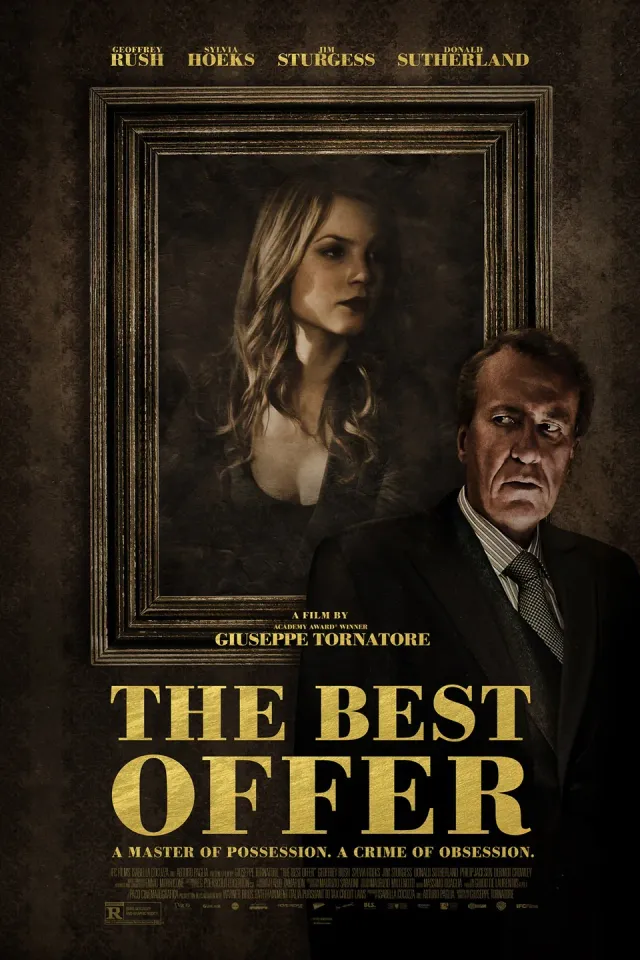
Virgil’s expertise in identifying fakes does not protect his personal life.
Why this matches +
These films share important themes, atmosphere or storytelling interests with this selection.
Genres: Drama / Mystery
The approach A dramatic feature rather than documentary footage.
Shared film traits
Based on recorded story, mood and style. Your preferences can change the order.
What changes Its own story: Virgil’s expertise in identifying fakes does not protect his personal life.
Virgil Oldman, a celebrated auctioneer who avoids intimacy, is hired to appraise the estate of a reclusive young woman who refuses to meet him in person. As he becomes fascinated by her voice and the objects in her home, his professional judgment gives way to a private fixation. The mystery explores authenticity, deception, and the loneliness that makes an expert vulnerable to being manipulated.
A working day becomes raw material for an editor who exposes how camera placement and cutting build a cinematic account of collective life.
Why this matches +
These films explore a related idea in a different setting, genre or style.
An adjacent discovery: a related idea with a different viewing experience.
Genres: Documentary / Experimental
Shared film traits
Based on recorded story, mood and style. Your preferences can change the order.
What changes Its own story: A working day becomes raw material for an editor who exposes how camera placement and cutting build a cinematic account of collective life.
Across a day in several Soviet cities, a cameraman records streets, factories, transport, leisure and public events while an editor assembles the footage into a dynamic portrait of modern urban life. The film repeatedly shows the camera operator at work and the editor arranging the very images the audience sees, making production part of its subject. There is no conventional cast or dialogue-driven plot: visual associations, superimpositions and changes in speed turn ordinary labor and motion into an experiment in what cinema can reveal and construct.
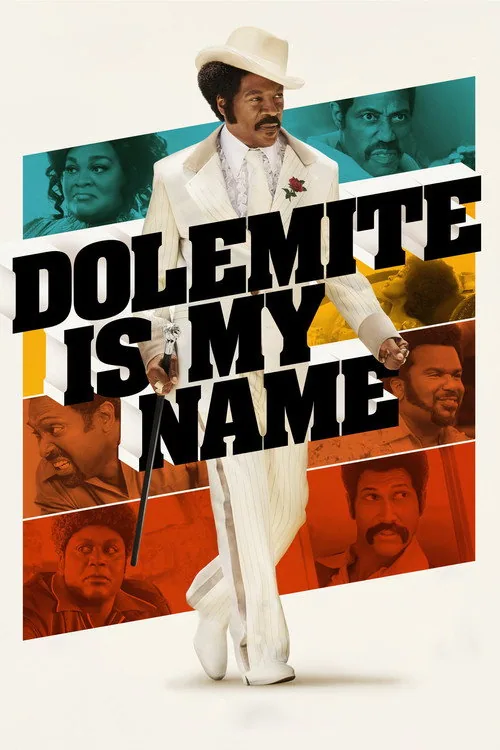
Moore’s effort to bring Dolemite to a wider audience moves from comedy records to the production of his own movie.
Why this matches +
These films explore a related idea in a different setting, genre or style.
An adjacent discovery: a related idea with a different viewing experience.
Genres: Comedy / Biography
The approach A dramatic feature rather than documentary footage.
Shared film traits
Based on recorded story, mood and style. Your preferences can change the order.
What changes Its own story: Moore’s effort to bring Dolemite to a wider audience moves from comedy records to the production of his own movie.
Struggling Los Angeles comedian Rudy Ray Moore invents the brash character Dolemite and uses his own money and connections to record comedy albums and build an audience. When Hollywood will not make the film he wants, Moore gathers a group of collaborators and sets out to produce it himself. Craig Brewer’s biographical comedy follows a determined performer turning a local act into a landmark independent film, celebrating Black creativity, self-financed production, and the friends who help transform an unlikely idea into a popular persona.
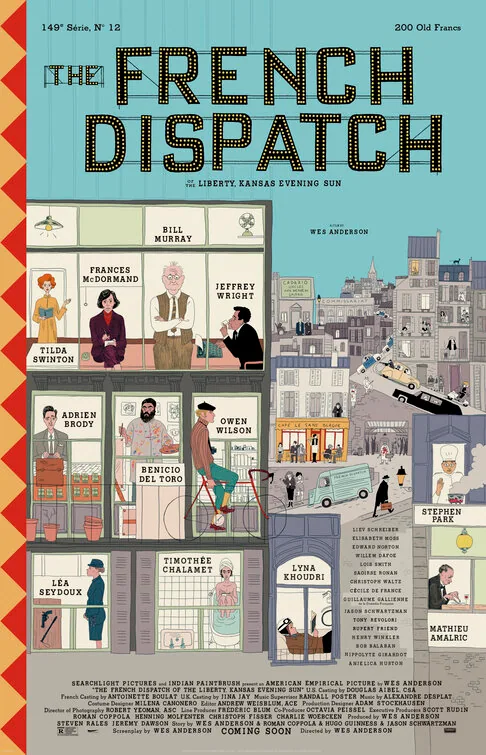
A final issue gathers three reported stories after the death of the magazine's American editor in France.
Why this matches +
These films explore a related idea in a different setting, genre or style.
An adjacent discovery: a related idea with a different viewing experience.
Genres: Drama / Romance
The approach A dramatic feature rather than documentary footage.
Shared film traits
Based on recorded story, mood and style. Your preferences can change the order.
What changes Its own story: A final issue gathers three reported stories after the death of the magazine's American editor in France.
At a fictional American newspaper's French outpost, the death of its editor prompts a final issue assembled from stories written by the staff. The film moves through an art-world profile, a student revolt and a crime report, each with its own characters and visual language. Together the episodes celebrate the eccentric craft of journalism while showing how an editor's attention gives separate observations a shared home.
Former technology insiders describe how platforms capture attention and predict behavior; a fictional family illustrates possible effects on users.
Why this matches +
These films explore a related idea in a different setting, genre or style.
An adjacent discovery: a related idea with a different viewing experience.
Genres: Documentary / Drama
Shared film traits
Based on recorded story, mood and style. Your preferences can change the order.
What changes Its own story: Former technology insiders describe how platforms capture attention and predict behavior; a fictional family illustrates possible effects on users.
This documentary combines interviews with former technology employees and researchers with a fictional story about a family shaped by social media. Interviewees discuss persuasive design, behavioral data, recommendation systems, advertising, misinformation, and platform incentives. The dramatized family illustrates how a teenager’s engagement can affect attention, mood, and political beliefs. Jeff Orlowski’s film makes a case about technology’s social costs, using testimony and scripted scenes to present its argument.
Bowfinger's no-budget production depends on secretly filming a star who believes he is living ordinary life.
Why this matches +
These films explore a related idea in a different setting, genre or style.
An adjacent discovery: a related idea with a different viewing experience.
Genres: Comedy
The approach A dramatic feature rather than documentary footage.
Shared film traits
Based on recorded story, mood and style. Your preferences can change the order.
What changes Its own story: Bowfinger's no-budget production depends on secretly filming a star who believes he is living ordinary life.
Bobby Bowfinger is a struggling filmmaker who decides to make a science-fiction movie with a famous action star who does not know he is involved. He recruits a small, inexperienced crew and an ambitious performer, arranging scenes around the star's real movements while trying to keep the deception intact. The comedy pokes at Hollywood ambition, low-budget ingenuity and the fragile line between performance and reality.
Tommy’s refusal to wait for permission drives the plot: when conventional doors stay closed, he creates a production that tests whether Greg’s friendship can survive the process.
Why this matches +
These films explore a related idea in a different setting, genre or style.
An adjacent discovery: a related idea with a different viewing experience.
Genres: Drama / Comedy
The approach A dramatic feature rather than documentary footage.
Shared film traits
Based on recorded story, mood and style. Your preferences can change the order.
What changes Its own story: Tommy’s refusal to wait for permission drives the plot: when conventional doors stay closed, he creates a production that tests whether Greg’s friendship can survive the process.
Aspiring actor Greg Sestero meets the enigmatic Tommy Wiseau in an acting class, and the two move to Los Angeles hoping to break into films. Greg finds an agent and starts getting auditions; Tommy meets repeated rejection and becomes increasingly jealous as Greg’s career advances. Unable to accept that studios will not cast him, Tommy decides to write, finance and star in his own movie, The Room. The production becomes an exhausting collision between his grand ambitions and the cast and crew’s confusion over his direction. Greg is pulled between loyalty to his friend and the possibility of a more conventional career. The film looks back at the making of a famously baffling production through the friendship that enabled it.
A beginner's rapid adaptation to a market's incentives escalates from opportunistic documentation towards manufacturing the conditions of valuable footage.
Why this matches +
These films explore a related idea in a different setting, genre or style.
An adjacent discovery: a related idea with a different viewing experience.
Genres: Crime / Thriller
The approach A dramatic feature rather than documentary footage.
Shared film traits
Based on recorded story, mood and style. Your preferences can change the order.
What changes Its own story: A beginner's rapid adaptation to a market's incentives escalates from opportunistic documentation towards manufacturing the conditions of valuable footage.
An unemployed outsider discovers that graphic footage of crime and disaster can be sold to local television news. Learning what a producer rewards, he turns observation into increasingly active manipulation of scenes and people. Professional self-improvement language conceals a predatory account of success, while the relationship between an ambitious freelancer and an institution hungry for sensational material makes exploitation look like efficient business practice.
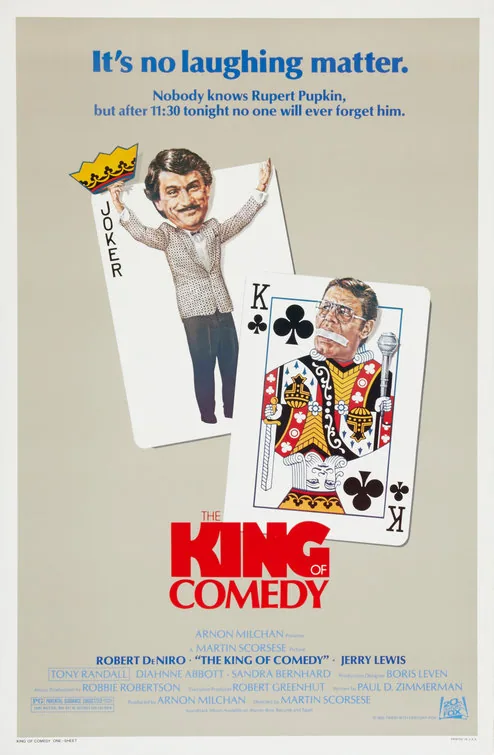
Rupert’s belief that he is owed a stage turns rejection into a hostage scheme; the broadcast is both his forced entry into show business and an act with serious consequences.
Why this matches +
These films explore a related idea in a different setting, genre or style.
An adjacent discovery: a related idea with a different viewing experience.
Genres: Crime / Drama
The approach A dramatic feature rather than documentary footage.
Shared film traits
Based on recorded story, mood and style. Your preferences can change the order.
What changes Its own story: Rupert’s belief that he is owed a stage turns rejection into a hostage scheme; the broadcast is both his forced entry into show business and an act with serious consequences.
Aspiring comedian Rupert Pupkin becomes fixated on successful talk-show host Jerry Langford after a brief encounter. Rupert treats the meeting as the start of a friendship even as Langford’s staff reject his repeated requests for a performance slot. When ordinary persistence fails, Rupert and fellow stalker Masha kidnap Langford and demand that the network broadcast Rupert’s stand-up routine. The hostage plan gives Rupert the audience he has spent the film imagining, but its cost and aftermath remain troubling. Martin Scorsese’s film follows the gap between Rupert’s fantasy of celebrity and the actual isolation of a person who mistakes access to a famous stranger for intimacy.
A platform's rapid expansion transforms collaboration and campus status competition into disputes over ownership, contribution and exclusion.
Why this matches +
These films explore a related idea in a different setting, genre or style.
An adjacent discovery: a related idea with a different viewing experience.
Genres: Drama / Biography
The approach A dramatic feature rather than documentary footage.
Shared film traits
Based on recorded story, mood and style. Your preferences can change the order.
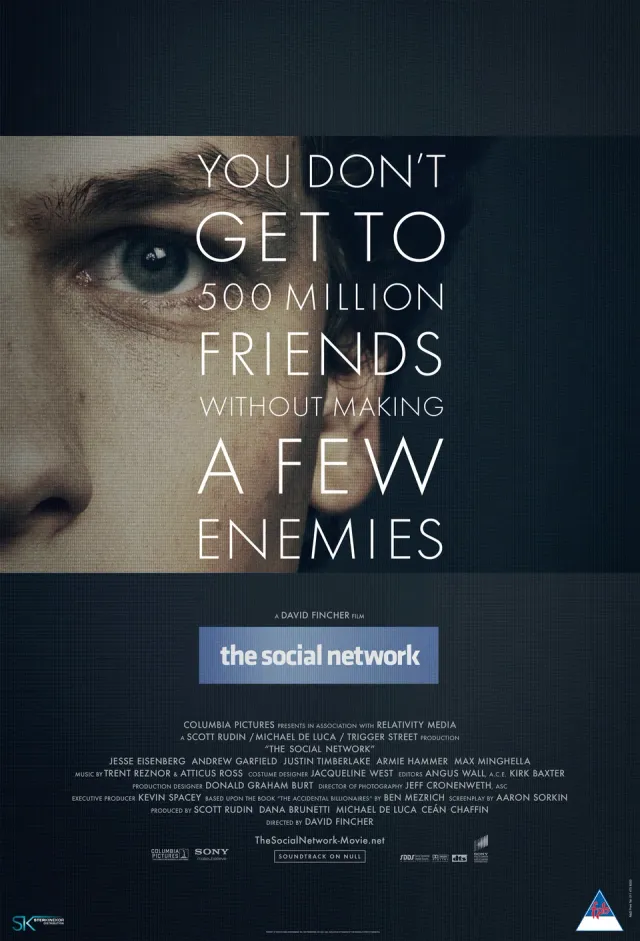
What changes Its own story: A platform's rapid expansion transforms collaboration and campus status competition into disputes over ownership, contribution and exclusion.
A Harvard student's response to rejection and social competition leads him from an intrusive campus website to a rapidly expanding social platform. Growth brings investment, influence and disputes over who supplied the original idea and who deserves control. Intercut legal testimony revisits apparently decisive choices from incompatible positions, making the achievement of public connection coexist with broken friendships and a persistent private desire for recognition.
An escalating sequence of impersonations creates a pursuit in which the fugitive's need for recognition continually undermines his escape.
Why this matches +
These films explore a related idea in a different setting, genre or style.
An adjacent discovery: a related idea with a different viewing experience.
Genres: Crime / Drama
The approach A dramatic feature rather than documentary footage.
Shared film traits
Based on recorded story, mood and style. Your preferences can change the order.
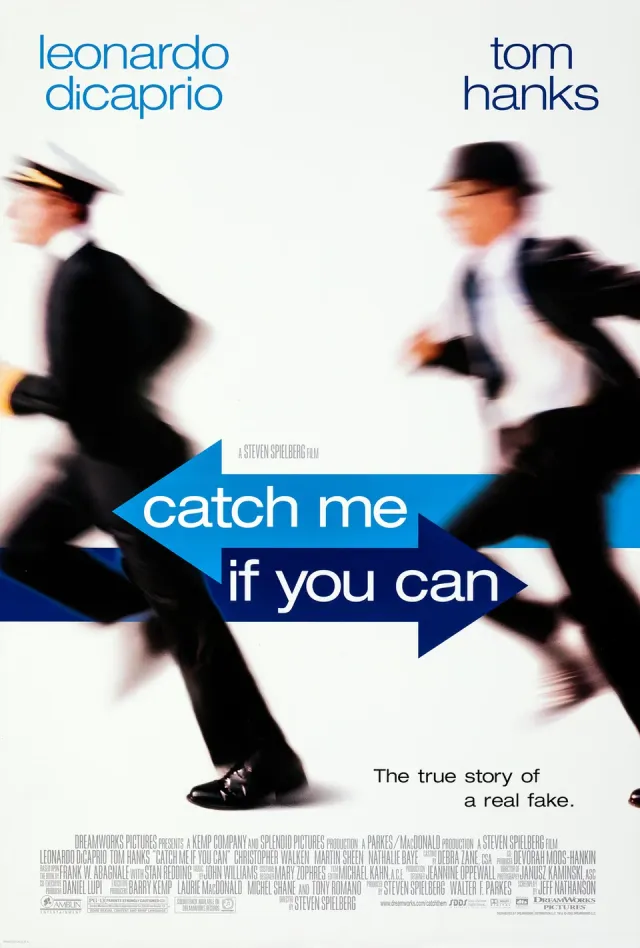
What changes Its own story: An escalating sequence of impersonations creates a pursuit in which the fugitive's need for recognition continually undermines his escape.
A teenager unsettled by his parents' separation begins supporting himself through forged cheques and professional impersonations. The success of each invented identity increases both his confidence and the difficulty of returning to an ordinary life. A federal investigator follows the financial trail, forming an unusual continuing relationship with a fugitive whose apparent sophistication conceals youth, loneliness and a persistent wish to restore his family.
The accident redirects Kahlo toward painting, while a changing body, political commitments and an unstable marriage keep artistic life from becoming a simple recovery story. The accident alters the conditions of Kahlo’s life but does not reduce her to injury.
Why this matches +
These films explore a related idea in a different setting, genre or style.
An adjacent discovery: a related idea with a different viewing experience.
Genres: Drama / Biography
The approach A dramatic feature rather than documentary footage.
Shared film traits
Based on recorded story, mood and style. Your preferences can change the order.
What changes Its own story: The accident redirects Kahlo toward painting, while a changing body, political commitments and an unstable marriage keep artistic life from becoming a simple recovery story. The accident alters the conditions of Kahlo’s life but does not reduce her to injury.
After a serious accident changes her body and ambitions, Frida Kahlo turns to painting while building a turbulent life with Diego Rivera and moving among political and artistic circles. Pain and disability shape her daily life, but the film also gives space to her humor, sexual autonomy and creative decisions rather than making suffering the whole explanation for her art. Its vivid images translate paintings into a biographical fantasy, and its compressed account of relationships can make private conflict overshadow political context. Read it as a dramatized portrait of an artist, not a comprehensive biography or transparent key to every painting.
Armand follows a chain of acquaintances to reach Theo, and each interview provides a different motive, memory or grievance rather than a reliable final statement. The mystery gradually gives way to an inquiry into the absent artist.
Why this matches +
These films explore a related idea in a different setting, genre or style.
An adjacent discovery: a related idea with a different viewing experience.
Genres: Animation / Drama
The approach A dramatic feature rather than documentary footage.
Shared film traits
Based on recorded story, mood and style. Your preferences can change the order.
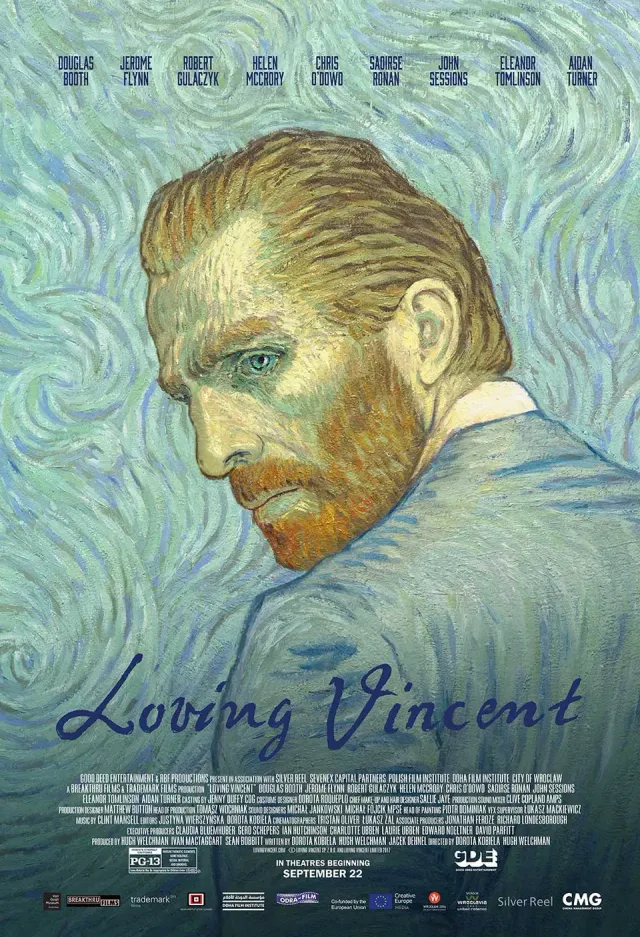
What changes Its own story: Armand follows a chain of acquaintances to reach Theo, and each interview provides a different motive, memory or grievance rather than a reliable final statement. The mystery gradually gives way to an inquiry into the absent artist.
A year after Vincent van Gogh’s death, postman’s son Armand Roulin reluctantly tries to deliver a letter to the painter’s brother, Theo. In Auvers-sur-Oise, people who knew Vincent give conflicting accounts of his final days, shifting Armand’s task from delivery toward a question the film cannot conclusively answer. Every frame is rendered in oil-painted animation, and flashbacks change visual style as memories change. The technique makes reconstruction visible: viewers watch a portrait of a person built from other people’s recollections. The film entertains the possibility of murder but does not establish it as historical fact. Its emotional investigation of how Vincent was seen should remain distinct from evidence about the circumstances of his death.
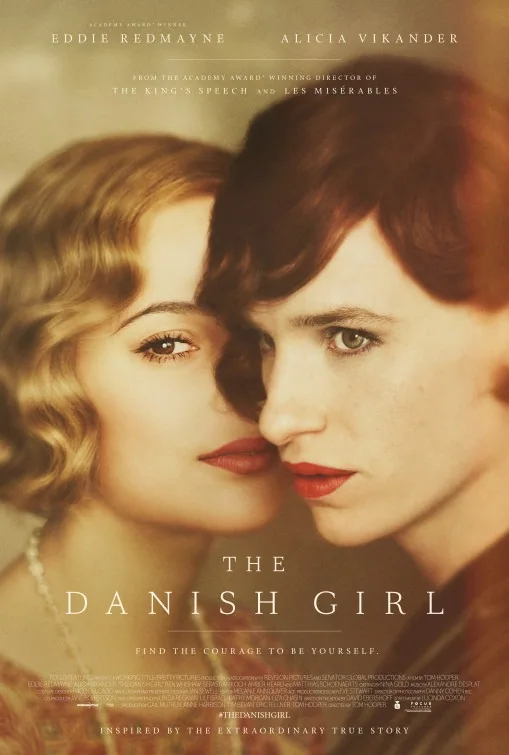
Gerda’s portrait session is the catalyst, but Lili’s self-understanding grows beyond the pose and the assumptions of the people around her. The film follows her effort to live as herself while its novel-based structure reshapes the historical record.
Why this matches +
These films explore a related idea in a different setting, genre or style.
An adjacent discovery: a related idea with a different viewing experience.
Genres: Drama / Romance
The approach A dramatic feature rather than documentary footage.
Shared film traits
Based on recorded story, mood and style. Your preferences can change the order.
What changes Its own story: Gerda’s portrait session is the catalyst, but Lili’s self-understanding grows beyond the pose and the assumptions of the people around her. The film follows her effort to live as herself while its novel-based structure reshapes the historical record.
In 1920s Copenhagen, artist Gerda Wegener asks her spouse to pose in a dress for a portrait when a model is unavailable. The session opens a path for Lili Elbe to understand and live publicly as herself, while Gerda’s paintings draw attention to Lili and change the life they share. Encounters with doctors and the possibility of surgery add pressure to their marriage, but Lili’s identity is not simply a role-play or a project for her spouse. Tom Hooper’s film adapts David Ebershoff’s fictionalized novel about Elbe and Wegener, combining documented people with invented scenes and altered chronology. It is therefore a dramatized interpretation, not a direct record of Lili’s life or early gender-affirming care.
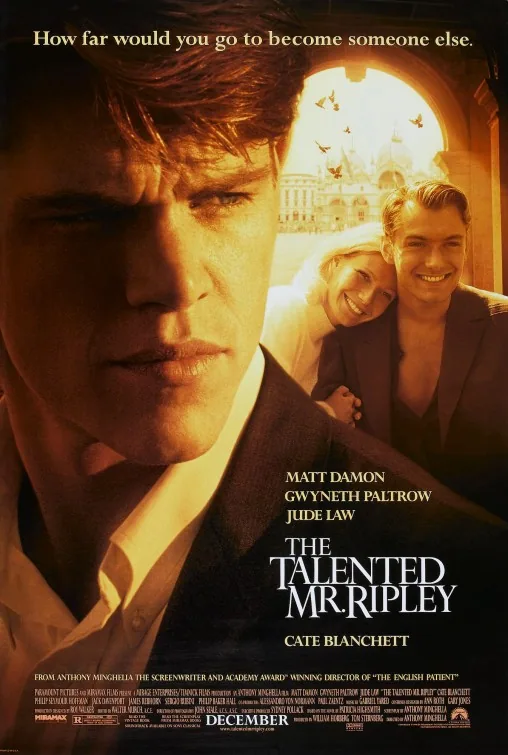
An outsider's attempt to enter a privileged world becomes an escalating effort to preserve a fabricated identity.
Why this matches +
These films explore a related idea in a different setting, genre or style.
An adjacent discovery: a related idea with a different viewing experience.
Genres: Crime / Thriller
The approach A dramatic feature rather than documentary footage.
Shared film traits
Based on recorded story, mood and style. Your preferences can change the order.
What changes Its own story: An outsider's attempt to enter a privileged world becomes an escalating effort to preserve a fabricated identity.
A young American is sent to Italy to persuade a wealthy man's son to return home. Exposure to the son's privileged circle intensifies his longing for belonging and his talent for imitation. When friendship becomes exclusion, a desire to inhabit another person's life draws him into deceptions that require increasingly dangerous improvisation to maintain.
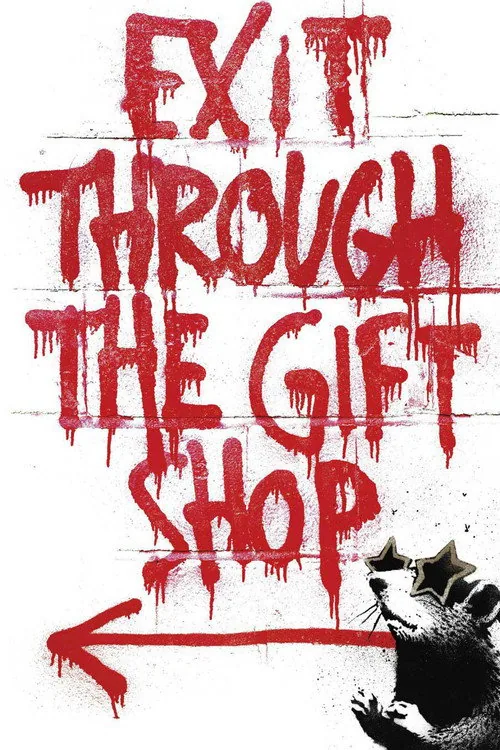
Thierry Guetta, a French shopkeeper in Los Angeles, becomes fascinated with street art and begins filming artists at work, including Shepard Fairey and the elusive Banksy. What begins as a record of graffiti culture changes direction when Guetta tries to become an artist himself and Banksy takes a more active role in shaping the footage. The film presents itself as a documentary while also inviting questions about authorship, performance, and authenticity. Its story follows both a subculture and the strange process by which images become art-world commodities.
What drives the story
Guetta’s drive to film street artists becomes a story about what happens when he seeks recognition for his own work.
The people at its centre
The relationship between Guetta and Banksy shifts between access, mentorship, control, and uncertainty about who directs whom.
What it feels like
The film is funny and visually energetic while leaving viewers to weigh its claims and the construction of its own narrative.
Worth knowing
Its reflexive approach makes authorship part of the subject, unlike a conventional documentary that simply profiles an artist.
art and commerceauthorship and authenticitythe observer becoming a subject