Explore films connected to The Square through Status, public empathy, institutional hypocrisy. Choose the qualities you want to carry into your next watch.
What should feel similar?
Find your next favourite
9 films · Closest overall matches
Hide films you’ve seen or don’t want. Saved on this device.
No matches for this combination yet.
Try another option or reset your choices to see more films.
Based on recorded story, mood and style. Your preferences can change the order.
Expect playful and light, with episodic and comic pacing.
Several stories unfold in Rome: an ordinary man becomes a sudden celebrity, a young couple are separated by a visit from relatives, an architect revisits the city of his youth, and an opera director pursues an unusual stage idea. Woody Allen's ensemble comedy uses the city as both backdrop and participant, moving among tourists, residents and performers in a light collection of romantic and comic episodes.
Based on recorded story, mood and style. Your preferences can change the order.
What changes The Square: episodic and uncomfortable escalation. The Great Beauty: episodic encounters and meditative pauses.
Jep Gambardella has spent decades moving through Rome’s parties, salons and cultural circles after publishing one celebrated novel. At sixty-five, a birthday gathering and news about a woman from his past prompt him to look at the life he has made from wit, observation and distraction. The film follows him through encounters with artists, clergy and socialites, often letting the city and its performances interrupt any single plot. Its question is not whether Jep can solve a mystery, but whether he can recover attention to beauty and meaning from a life organized around spectacle.
Based on recorded story, mood and style. Your preferences can change the order.
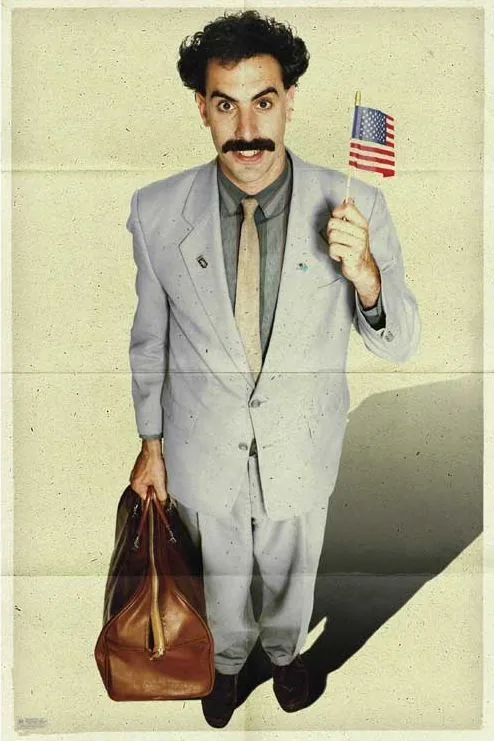
What changes The Square: episodic and uncomfortable escalation. Borat: fast.
A fictional television reporter travels across the United States seeking material for an account of American life. His exaggerated ignorance and offensive assumptions provoke responses from people who do not all share the same understanding of the encounter. A shifting personal objective turns the trip into an episodic performance in which embarrassment, staged situations and unscripted reactions expose prejudices as well as the uncertain ethics of manufacturing their public display.
Based on recorded story, mood and style. Your preferences can change the order.
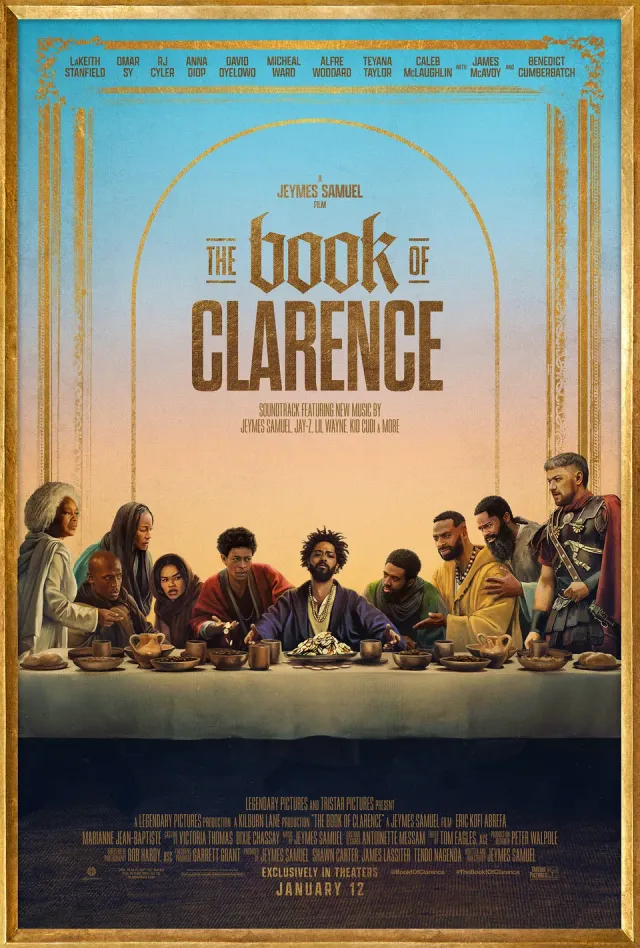
What changes The Square: episodic and uncomfortable escalation. The Book of Clarence: episodic, comic and increasingly earnest.
In ancient Jerusalem, Clarence sees the attention surrounding Jesus and his followers as a chance to improve his own prospects. He attempts to imitate the new movement, drawing a friend into a scheme that mixes opportunism, skepticism and a search for belonging. The story uses biblical-era spectacle and comic anachronism to examine belief, status and the difference between performing conviction and risking something for other people.
Based on recorded story, mood and style. Your preferences can change the order.
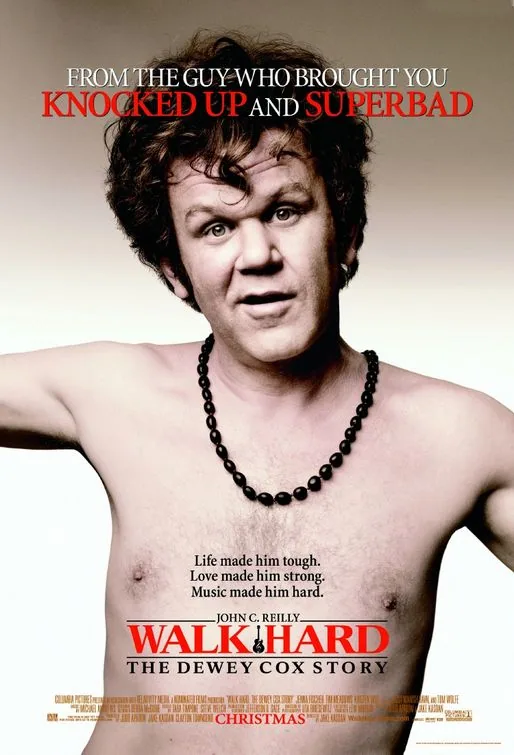
Expect absurd and energetic, with conversational and episodic pacing.
A fictional musician’s life is presented through dramatic losses, reinventions and musical breakthroughs that parody familiar biopic formulas. As Dewey moves through changing musical eras, the film repeatedly exposes the staged simplicity of the stories fame tells about artists. Its satire works by exaggerating the genre’s emotional shortcuts while still giving songs room to function as comic performances. Period pastiche and abrupt musical numbers make the film’s formal changes part of the joke.
Based on recorded story, mood and style. Your preferences can change the order.
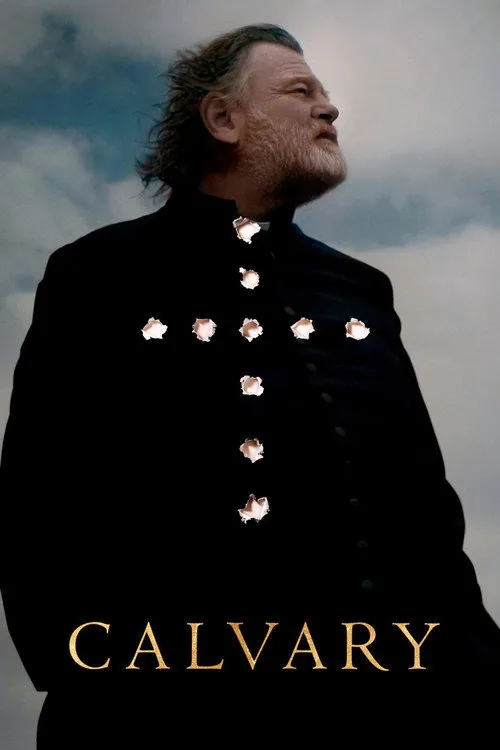
What changes The Square: episodic and uncomfortable escalation. Calvary: episodic visits and slow-burn threat.
Father James Lavelle, a good-hearted priest in a small rural Irish parish, is told during confession that a man will kill him in one week. Rather than retreat, James continues visiting parishioners whose lives are marked by bitterness, grief, and scandal, trying to offer help while learning who might carry out the threat. John Michael McDonagh’s dark comedy-drama examines faith and institutional damage through an unusually calm protagonist and a community that tests his patience, compassion, and willingness to remain present.
Based on recorded story, mood and style. Your preferences can change the order.
What changes The Square: episodic and uncomfortable escalation. Monty Python and the Holy Grail: steady.
A king recruits knights for a sacred quest, only to find that peasants, rival soldiers and absurd procedural obstacles refuse the heroic logic he expects. Their encounters fragment into arguments, failed rescues and increasingly disproportionate dangers, while narration and animation repeatedly disrupt the apparent historical world. The search becomes a framework for dismantling chivalric authority and the conventions by which an adventure claims to lead somewhere meaningful.
Based on recorded story, mood and style. Your preferences can change the order.
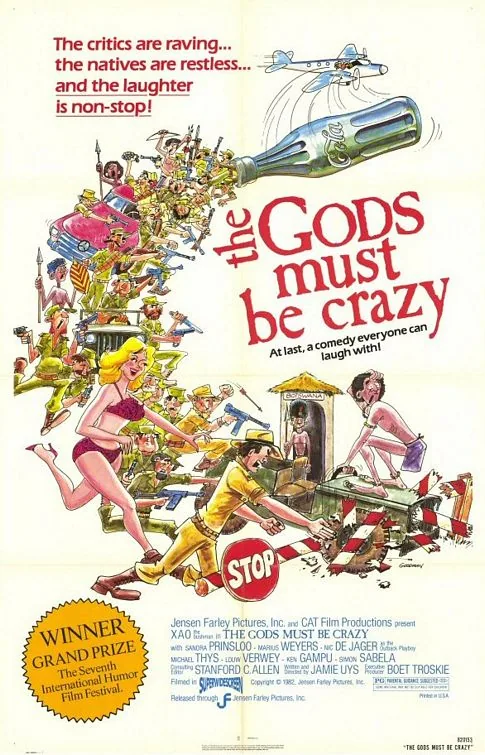
What changes The Square: episodic and uncomfortable escalation. The Gods Must Be Crazy: cross-cut comic episodes and quest resolution.
A glass Coca-Cola bottle dropped from an aircraft lands among a San community and becomes an object of dispute because nobody has encountered anything like it. Xi decides to return it to the gods at the edge of the world, while a white schoolteacher, a revolutionary group and a bumbling naturalist set out on intersecting adventures. The film cuts between these storylines for broad physical comedy, but its portrayal of San life is shaped by an outsider fantasy that turns a living people into an untouched foil for modern society. That tension matters when deciding whether the film’s satire feels playful or patronizing.
Based on recorded story, mood and style. Your preferences can change the order.
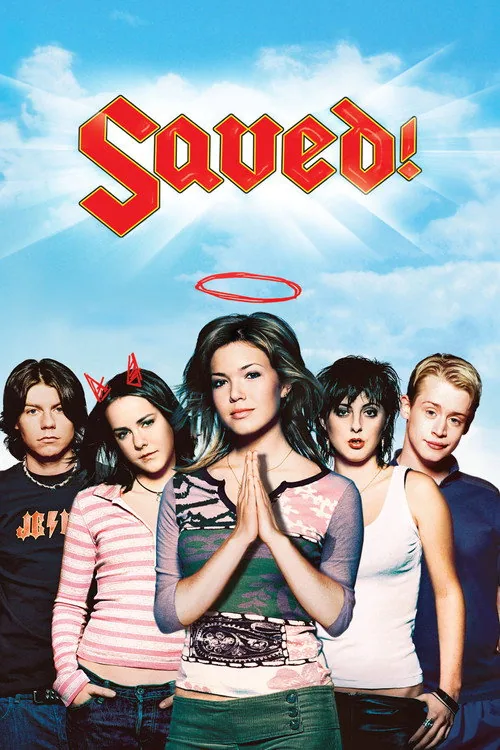
What changes The Square: episodic and uncomfortable escalation. Saved!: school satire establishes social rules, pregnancy and ostracism deepen conflict and alliances challenge the school's hierarchy.
At a conservative Christian high school, devout senior Mary believes a vision has instructed her to help her boyfriend Dean, who confides that he may be gay. Her attempt to change him leaves her pregnant and increasingly isolated from the school's popular Christian group. As Mary faces judgment and the possibility of raising a child, she finds unexpected support from outsiders and begins to question how faith, compassion, and social status are being used around her.
Christian, a Stockholm contemporary-art museum curator and divorced father, prepares a public installation called The Square, a marked space meant to invite trust and care. After he is robbed in the street, his staff help him send a provocative letter to residents of a housing block he suspects, and the attempt to recover his belongings has consequences beyond the theft. A publicity campaign for the installation turns the museum's humane ideals into a spectacle, while Christian's personal and professional choices expose how selectively he applies them. Encounters with a journalist, a child and an artist performing as an ape unsettle his confidence in the institution's moral language. The film accumulates episodes rather than resolving them into a single lesson.
What drives the story
A curator's attempt to act generously after a robbery collides with the museum's marketing of generosity as an abstract public value.
The people at its centre
Christian wants to see himself as considerate but makes choices that expose class distance; the boy he implicates demands accountability, while the journalist disrupts his control over the story.
What it feels like
Long scenes, awkward silences and stand-alone vignettes turn social discomfort into satirical form, resisting a neat plot resolution.
Worth knowing
For viewers drawn to unsettling social satire about privilege, public art and moral performance. Its loose, episodic structure differs from a conventional museum mystery or tidy redemption story.
Statuspublic empathyinstitutional hypocrisy
Mood
Satirical · awkward · provocative
Pacing
Episodic · uncomfortable escalation
Visual style
Long takes · observational framing · performance-art settings
Storytelling
A curator's small theft spirals into a public-relations and ethical crisis