Based on recorded story, mood and style. Your preferences can change the order.
Memory and identity
What changes The Book of Clarence: episodic, comic and increasingly earnest. Son of God: episodic life story moving toward crucifixion.
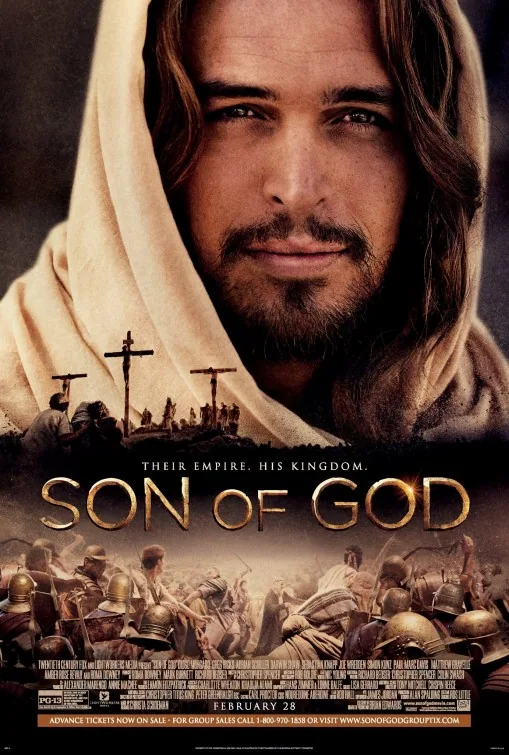
A retelling of Jesus’s life follows his ministry, relationships with disciples, conflict with Roman authority and final days in Jerusalem. The film emphasizes recognizable Gospel episodes and the emotional bonds around the central figure, framing familiar events as a large-scale devotional drama. Its episodic progression gives viewers a broad narrative of faith, sacrifice and community rather than a narrow historical investigation.
Both share themes of faith and friendship, plus a searching atmosphere.
Why this matches +
Genres: Comedy / Drama
Shared film traits
Based on recorded story, mood and style. Your preferences can change the order.
Memory and identity · Romance and intimacy
What changes The Book of Clarence: episodic, comic and increasingly earnest. Between the Temples: conversation-led, patient and character-driven.
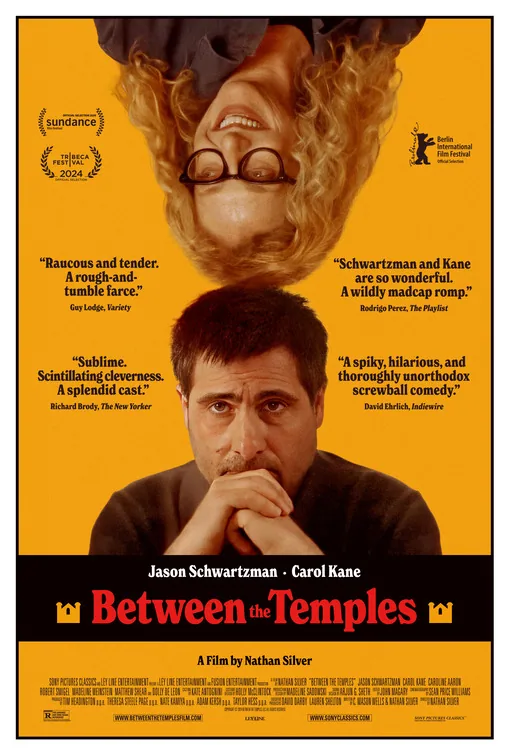
Cantor Ben is grieving his wife and struggling to lead a bar mitzvah ceremony when Carla, his former music teacher, returns and asks him to help her prepare for an adult bat mitzvah. Their lessons bring humor and companionship, but also unsettle Ben's assumptions about religious life and intimacy. Nathan Silver's gentle comedy follows two adults confronting loneliness and possibility through shared study, awkward conversation and a renewed attention to the routines that once seemed fixed.
Based on recorded story, mood and style. Your preferences can change the order.
What changes The Book of Clarence: episodic, comic and increasingly earnest. Saved!: school satire establishes social rules, pregnancy and ostracism deepen conflict and alliances challenge the school's hierarchy.
At a conservative Christian high school, devout senior Mary believes a vision has instructed her to help her boyfriend Dean, who confides that he may be gay. Her attempt to change him leaves her pregnant and increasingly isolated from the school's popular Christian group. As Mary faces judgment and the possibility of raising a child, she finds unexpected support from outsiders and begins to question how faith, compassion, and social status are being used around her.
Based on recorded story, mood and style. Your preferences can change the order.
What changes The Book of Clarence: episodic, comic and increasingly earnest. The Great Beauty: episodic encounters and meditative pauses.
Jep Gambardella has spent decades moving through Rome’s parties, salons and cultural circles after publishing one celebrated novel. At sixty-five, a birthday gathering and news about a woman from his past prompt him to look at the life he has made from wit, observation and distraction. The film follows him through encounters with artists, clergy and socialites, often letting the city and its performances interrupt any single plot. Its question is not whether Jep can solve a mystery, but whether he can recover attention to beauty and meaning from a life organized around spectacle.
Based on recorded story, mood and style. Your preferences can change the order.
What changes The Book of Clarence: episodic, comic and increasingly earnest. The Message: origins and conversion, exile and community building and return and battle.
The film follows the early spread of Islam through the experiences of Muhammad's companions, whose persecution in Mecca leads them to seek refuge and later return with a growing community. As the new faith challenges established power, its followers face social pressure, exile, and armed conflict. The story depicts the Prophet without showing his face or using an actor, respecting a central religious convention. Moustapha Akkad's historical epic presents the foundation of Islam through surrounding figures and major events rather than a single biographical lead performance.
Based on recorded story, mood and style. Your preferences can change the order.
What changes The Book of Clarence: episodic, comic and increasingly earnest. Monty Python’s Life of Brian: steady.
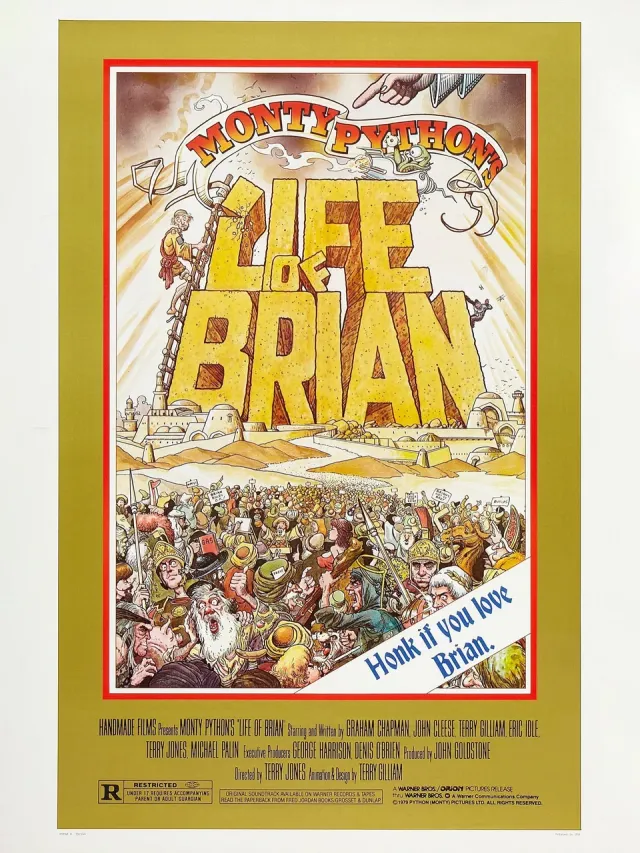
A young man living under Roman occupation joins a faction whose revolutionary certainty exceeds its practical effectiveness. A series of evasions and misunderstandings leads a crowd to interpret him as a spiritual leader, turning his attempts at independence into fresh evidence for other people's beliefs. Political rivalry, bureaucratic absurdity and collective projection trap him between authorities and followers who rarely listen to what he actually says.
Based on recorded story, mood and style. Your preferences can change the order.
Memory and identity
What changes The Book of Clarence: episodic, comic and increasingly earnest. Kinds of Kindness: triptych and segmented.
Three loosely connected stories follow people whose relationships are shaped by dependency, control and uncertainty. A worker obeys an overbearing boss until he is asked to commit an extreme act; a woman returning from an expedition is treated as if she may not be herself; and a third character seeks membership in a group with rigid demands. Yorgos Lanthimos uses recurring performers, uncanny humor and fable-like chapters to examine how people submit to systems that promise belonging.
Based on recorded story, mood and style. Your preferences can change the order.
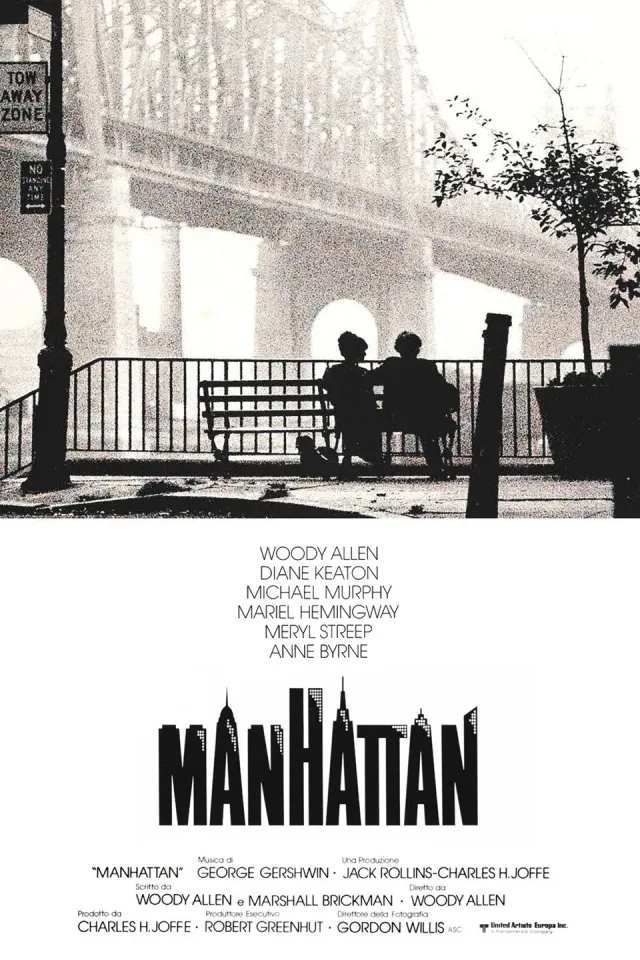
What changes The Book of Clarence: episodic, comic and increasingly earnest. Manhattan: measured.
Forty-two-year-old television writer Isaac Davis dates seventeen-year-old Tracy while criticizing his friend Yale for having an affair with Mary. Isaac then becomes involved with Mary himself, repeating the self-serving behavior he had judged in Yale. His ex-wife’s memoir makes his private conduct a public story, and Tracy’s plan to study in London reveals how casually he assumes her feelings will wait for him. The comedy’s idealized New York surface—black-and-white cinematography, Gershwin and a lyrical opening voice—sits uneasily beside its age and power imbalance. Isaac’s self-description is not a neutral guide to what Tracy experiences. The film can be admired as a formal portrait of a city and a cohort while still asking viewers to notice whom its romantic framing protects.
Based on recorded story, mood and style. Your preferences can change the order.
What changes The Book of Clarence: episodic, comic and increasingly earnest. The Square: episodic and uncomfortable escalation.
Christian, a Stockholm contemporary-art museum curator and divorced father, prepares a public installation called The Square, a marked space meant to invite trust and care. After he is robbed in the street, his staff help him send a provocative letter to residents of a housing block he suspects, and the attempt to recover his belongings has consequences beyond the theft. A publicity campaign for the installation turns the museum's humane ideals into a spectacle, while Christian's personal and professional choices expose how selectively he applies them. Encounters with a journalist, a child and an artist performing as an ape unsettle his confidence in the institution's moral language. The film accumulates episodes rather than resolving them into a single lesson.
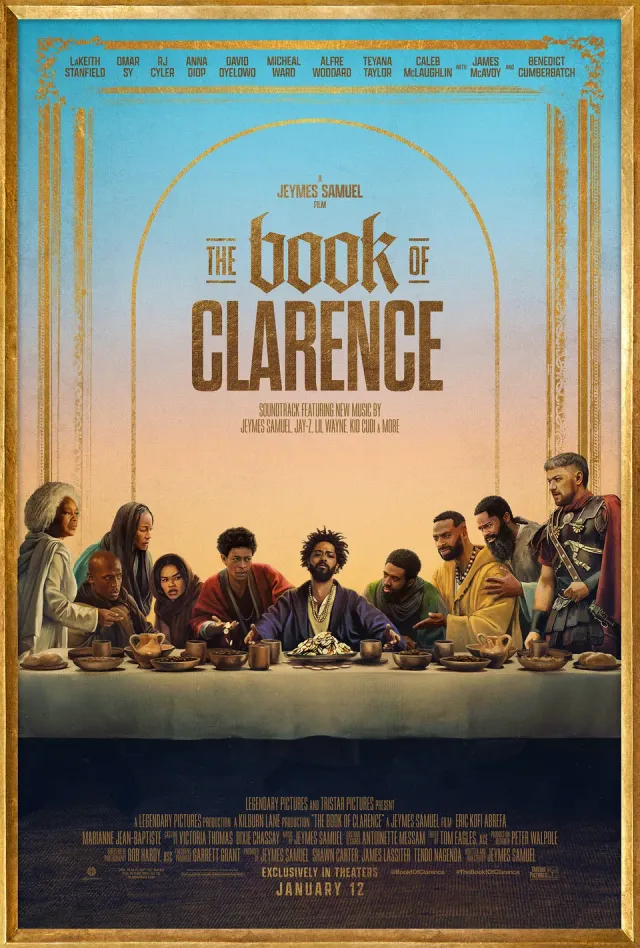
In ancient Jerusalem, Clarence sees the attention surrounding Jesus and his followers as a chance to improve his own prospects. He attempts to imitate the new movement, drawing a friend into a scheme that mixes opportunism, skepticism and a search for belonging. The story uses biblical-era spectacle and comic anachronism to examine belief, status and the difference between performing conviction and risking something for other people.
What drives the story
A resourceful man imitates a religious movement hoping to gain status and money.
The people at its centre
Clarence's partnership with Elijah tests whether self-preservation can coexist with loyalty and belief.
What it feels like
Comedy uses familiar biblical settings to invite questions about faith without treating every character as a simple symbol.
Worth knowing
The film's irreverence is grounded in a character's uncertainty rather than a literal retelling of scripture.