Explore films connected to Calvary through faith and doubt, abuse and institutional responsibility, forgiveness and anger. Choose the qualities you want to carry into your next watch.
What should feel similar?
Find your next favourite
9 films · Closest overall matches
Hide films you’ve seen or don’t want. Saved on this device.
No matches for this combination yet.
Try another option or reset your choices to see more films.
Based on recorded story, mood and style. Your preferences can change the order.
Investigation
What changes Calvary: episodic visits and slow-burn threat. Gosford Park: measured and episodic.
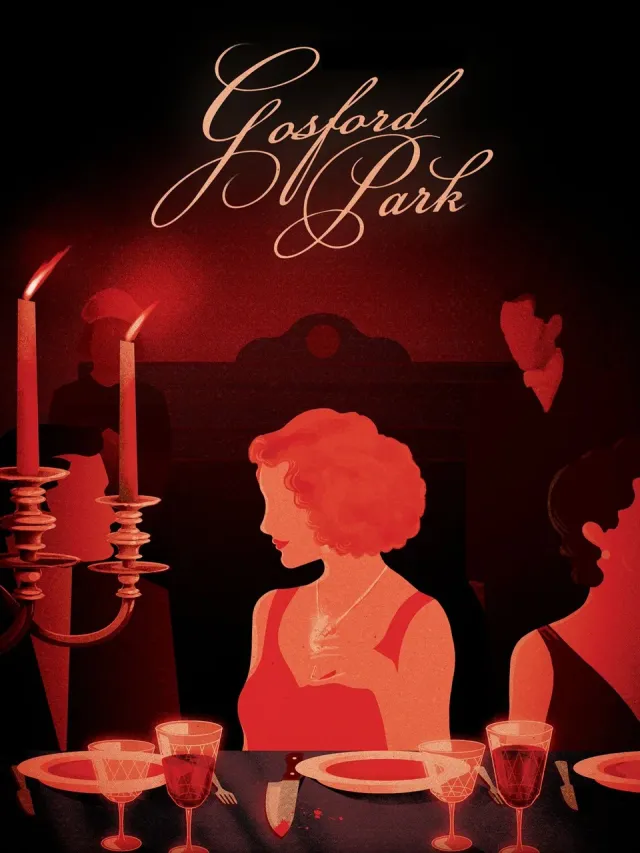
Guests and servants gather at an English country estate where a shooting weekend concentrates private debts, dependencies and resentments. A murder appears to offer a conventional mystery, but the people maintaining the household often understand more than the authorities who arrive to solve it. Movement between social levels reveals how service depends on anticipating needs while suppressing one's own history. The ensemble drama makes the explanation of a death part of a wider account of exploitation, with emotional recognition emerging outside the official investigation.
Based on recorded story, mood and style. Your preferences can change the order.
Investigation
What changes Calvary: episodic visits and slow-burn threat. Religulous: interview-based, topic-driven segments and comic confrontations.
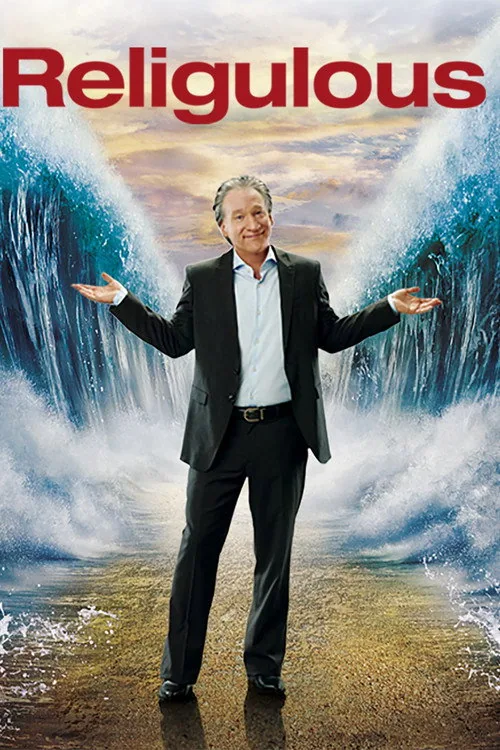
Comedian Bill Maher travels to religious sites and communities around the world, speaking with believers, clergy, and skeptics about faith and religious institutions. The interviews range from Christianity and Judaism to Islam and other traditions, often using irony to challenge claims about doctrine, history, and certainty. Larry Charles's documentary is openly polemical: it invites disagreement as part of its form and approaches religion through satire rather than detached observational reporting.
Based on recorded story, mood and style. Your preferences can change the order.
What changes Calvary: episodic visits and slow-burn threat. The White Ribbon: slow-burn and episodic inquiry.
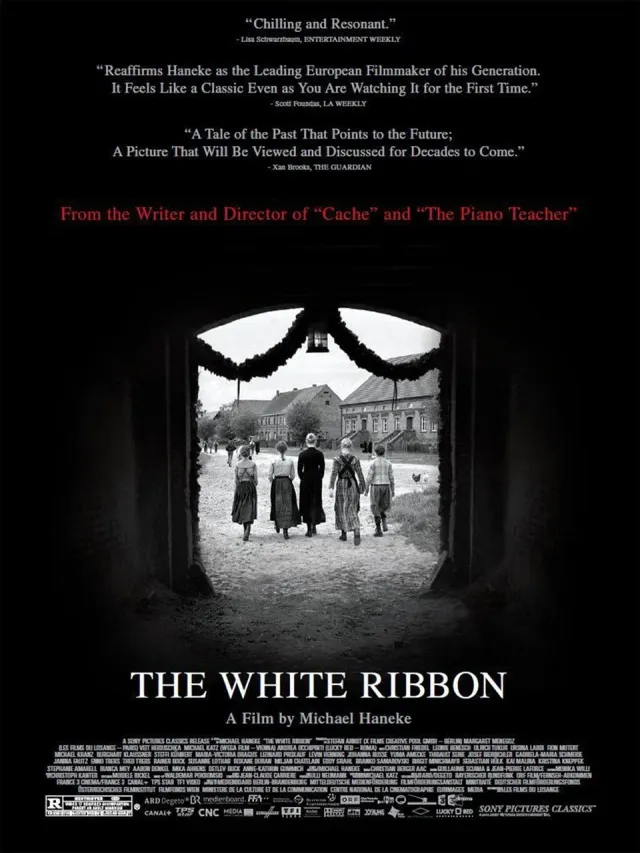
In a Protestant village in northern Germany shortly before World War I, a doctor is injured when his horse trips over a wire, and a series of other disturbing incidents unsettles the community. The schoolteacher narrates events as he remembers them, including the abuse and rigid discipline imposed by adults, the baron’s household and the children’s choral group. Suspicion moves through the village, but the events are never conclusively assigned to a single culprit. The film connects private cruelty with social authority while preserving the limits of what its older narrator can know. The adults’ punishments are visible, while the identities and motives behind the attacks remain uncertain.
Based on recorded story, mood and style. Your preferences can change the order.
What changes Calvary: episodic visits and slow-burn threat. How to Make a Killing: a confession frame reveals an inheritance scheme through successive turns.
Becket Redfellow recounts from death row how he came to murder members of the wealthy family that disowned his mother. Raised outside the fortune but taught to believe he deserves a place within it, he pursues inheritance through increasingly dangerous means. The dark comedy turns class resentment into a crime narrative, questioning whether ambition can escape the values of the family whose wealth it seeks.
Based on recorded story, mood and style. Your preferences can change the order.
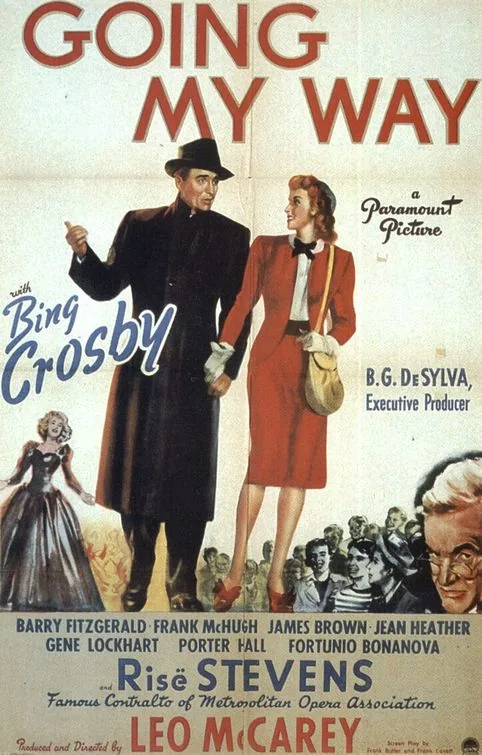
What changes Calvary: episodic visits and slow-burn threat. Going My Way: episodic and measured.
A young priest arrives at an indebted New York parish with an informal style that unsettles its aging pastor. Rather than announce the authority he has been given, he works through neighborhood relationships, music and practical help, trying to preserve the older man's dignity while changing how the parish serves people. Everyday encounters gradually make institutional succession a question of care instead of victory. The episodic drama turns songs and modest acts of generosity into resources for sustaining a vulnerable community.
Based on recorded story, mood and style. Your preferences can change the order.
Investigation
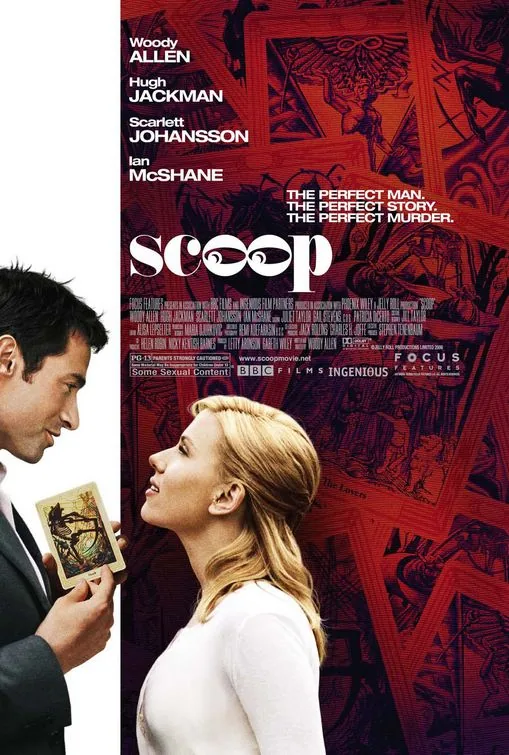
What changes Calvary: episodic visits and slow-burn threat. Scoop: brisk and comic mystery.
A journalism student attending a magic show receives information from a dead reporter that may identify a wealthy London socialite as a serial murderer. With help from the magician, she goes undercover to test the claim and becomes romantically involved with her subject. The film blends mystery and comedy around the tension between an unreliable supernatural tip, investigative curiosity and the danger of becoming personally invested.
Based on recorded story, mood and style. Your preferences can change the order.
Investigation
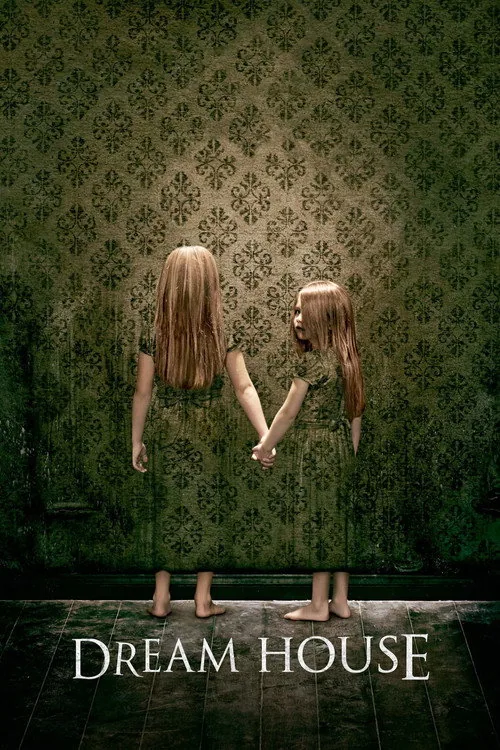
What changes Calvary: episodic visits and slow-burn threat. Dream House: gradual unease and reframes information over time.
Publisher Will Atenton leaves his New York job and moves his wife and two daughters to a quiet Connecticut home, hoping to give them a calmer life. He learns that the previous residents were killed there and begins investigating the history as unsettling events disrupt the family’s sense of safety. Jim Sheridan’s psychological thriller places domestic comfort beside suspicion, using a father’s search for answers and the apparent boundaries between memory and present danger to shape its tension. The story is best approached without advance knowledge of its turns.
Based on recorded story, mood and style. Your preferences can change the order.
Investigation
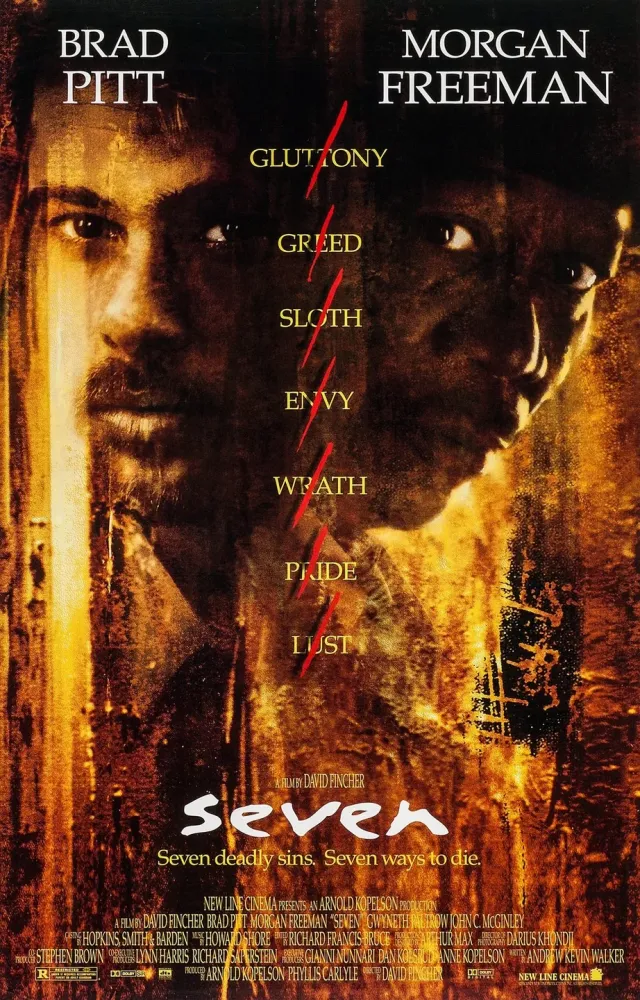
What changes Calvary: episodic visits and slow-burn threat. Se7en: slow burn.
A weary detective approaching retirement and an impatient younger partner investigate killings arranged around a moralising pattern. Each crime scene expands the sense that their unseen opponent is treating the city as both evidence and audience for a private doctrine. Their work exposes different responses to pervasive cruelty, while the intrusion of the case into ordinary hopes for a home makes professional distance increasingly difficult to maintain.
Based on recorded story, mood and style. Your preferences can change the order.
What changes Calvary: episodic visits and slow-burn threat. Downhill: a holiday setting allows one crisis to echo through several encounters.
A couple vacationing in the Alps with their children survives a controlled avalanche, but the father’s instinctive flight during the scare becomes a source of deep marital conflict. Away from home and under social pressure, the family must address what the incident revealed about trust and their relationship. This American adaptation of Force Majeure uses dark comedy and awkward encounters to examine cowardice, shame and domestic roles.
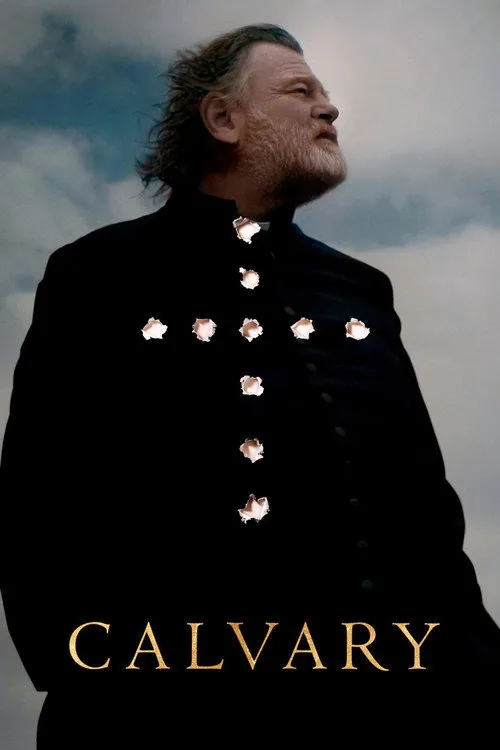
Father James Lavelle, a good-hearted priest in a small rural Irish parish, is told during confession that a man will kill him in one week. Rather than retreat, James continues visiting parishioners whose lives are marked by bitterness, grief, and scandal, trying to offer help while learning who might carry out the threat. John Michael McDonagh’s dark comedy-drama examines faith and institutional damage through an unusually calm protagonist and a community that tests his patience, compassion, and willingness to remain present.
What drives the story
The deadline gives James’s ordinary parish visits a growing urgency as he tries to understand the threat and support his community.
The people at its centre
James meets parishioners who respond to him with need, cynicism, hostility, or grief, while his own history informs his care.
What it feels like
Expect a thoughtful, sometimes bleak Irish drama with dry humor and discussion of clerical abuse and its aftermath.
Worth knowing
Its mystery is a frame for spiritual and social questions, rather than a conventional whodunit or religious sermon.
faith and doubtabuse and institutional responsibilityforgiveness and anger