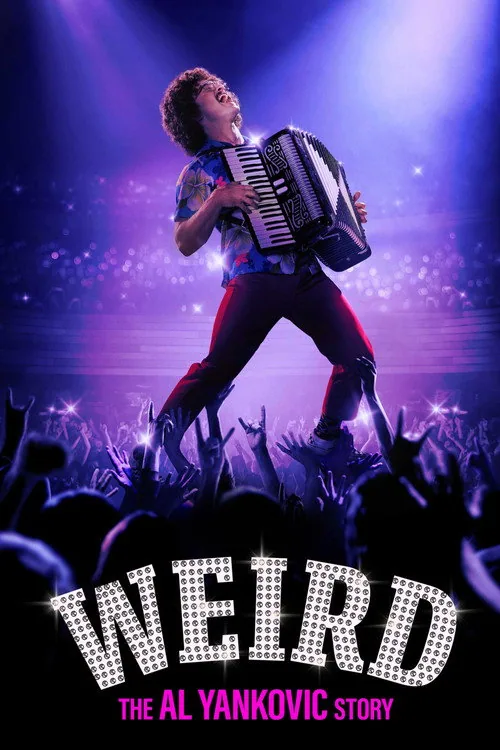
A parody biography follows Al from a secret accordion to fame while continually replacing plausible history with outrageous invention.
Why this matches +
Selected for the central appeal: A fictional musician's rise, reinventions and setbacks parody familiar music-biography formulas.
Genres: Comedy / Music
Shared film traits
Based on recorded story, mood and style. Your preferences can change the order.
Music and performance
What changes A deliberately absurd fictionalized musician biography exaggerates career breakthroughs, personal trauma and familiar biopic conventions; Weird Al rather than a country-rock performer.
A young Alfred Yankovic loves polka and parody, despite his father's disapproval, and eventually turns a joke song inspired by a radio hit into a recording career. The film follows his rise through deliberately fabricated encounters with musicians, celebrity excess, and a growing public profile. Its biographical form is repeatedly disrupted by absurd inventions, treating the pop musician's familiar career milestones as raw material for a spoof of prestige music biopics.
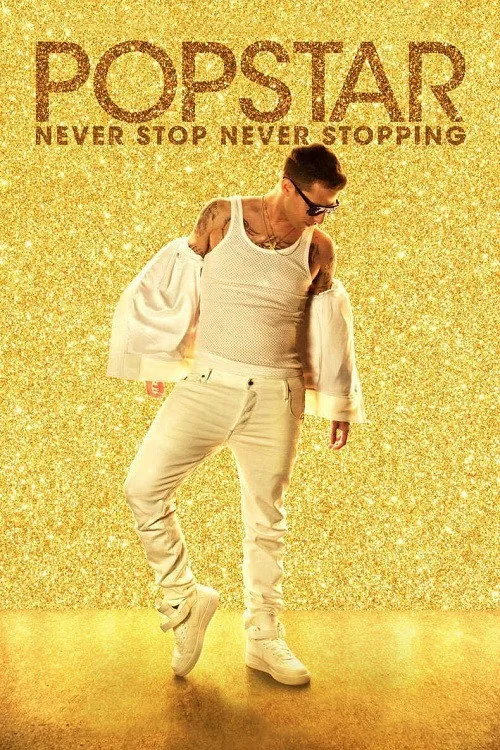
A former boy-band member tries to remain famous after his new album disappoints, with a film crew documenting every misstep.
Why this matches +
These offer a related experience with a meaningful difference in story, tone, or presentation.
An adjacent discovery: a related idea with a different viewing experience.
Genres: Comedy / Music
Shared film traits
Based on recorded story, mood and style. Your preferences can change the order.
Music and performance
What changes A musician's public image and career collapse become the subject of a self-aware comedy packed with original parody songs; a pop-star mockumentary.
After leaving his boy-band group to pursue a solo career, pop star Conner4Real becomes a celebrity whose confidence and entourage grow alongside his fame. When his second album fails and public interest fades, a documentary crew records his attempts to recover his standing and reconnect with his former bandmates. The Lonely Island’s mockumentary satirizes celebrity branding, music documentaries, and the spectacle around pop stars, while using original songs and cameos as part of the comedy.
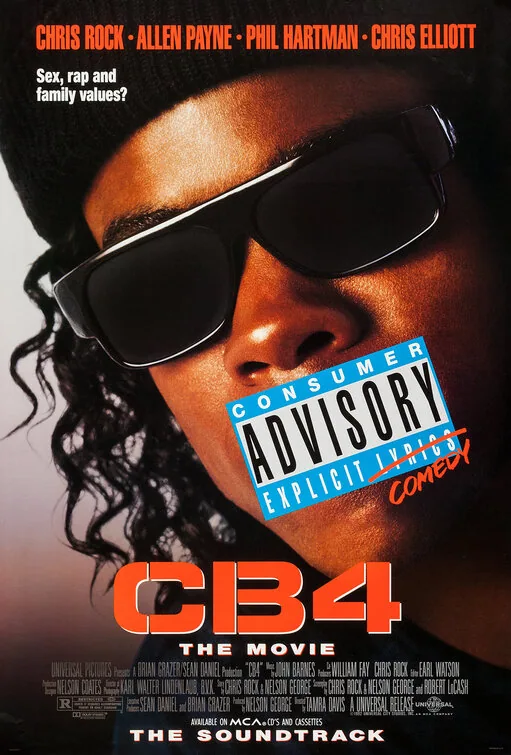
A fictional rap trio adopts a criminal identity to sell an image and gain access to the music industry.
Why this matches +
These offer a related experience with a meaningful difference in story, tone, or presentation.
An adjacent discovery: a related idea with a different viewing experience.
Genres: Comedy / Musical
Shared film traits
Based on recorded story, mood and style. Your preferences can change the order.
Music and performance · Constructed reality
What changes A fictional music act invents a public identity while the film satirizes the gap between persona and reality; a rap group mockumentary.
Suburban aspiring rapper Albert Brown and his friends lack the image and connections to break into the music business. They borrow the identity of imprisoned gangster Gusto and perform as the hard-edged group CB4, quickly finding fame but attracting a politician's campaign and Gusto's retaliation. The mockumentary uses interviews and performances to satirize music marketing, celebrity personas and the commercialization of authenticity.
Each attempt to revive the band’s fortunes creates another conflict among the musicians, manager, label, and entourage.
Why this matches +
These offer a related experience with a meaningful difference in story, tone, or presentation.
An adjacent discovery: a related idea with a different viewing experience.
Genres: Comedy / Music
Shared film traits
Based on recorded story, mood and style. Your preferences can change the order.
Music and performance
What changes Fictional musicians and their inflated self-images are lovingly mocked through performance and documentary-style humor; a touring rock band.
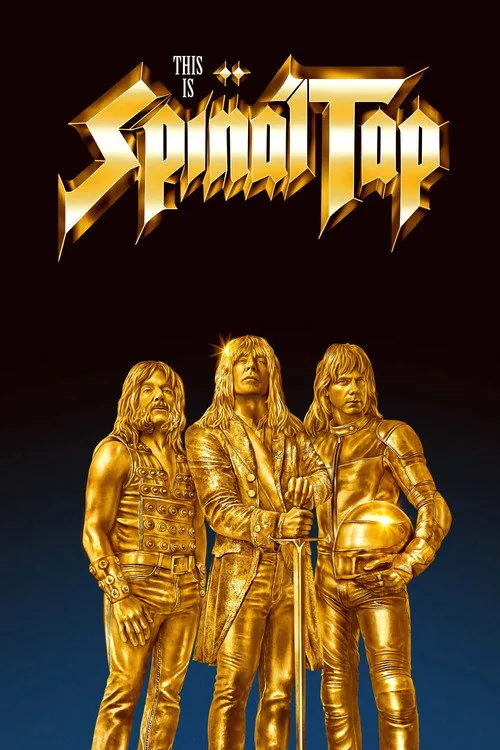
Documentary filmmaker Marty Di Bergi follows British heavy-metal band Spinal Tap on a troubled American tour promoting Smell the Glove. Failing ticket sales, a contentious album cover, oversized stage plans, and the band’s unstable lineup turn routine rock-star frustrations into an escalating parade of absurdities. The mockumentary lets the musicians take their own legend seriously while the camera records the gap between their self-image and the small disasters that repeatedly derail their performances.
A fake war-film production becomes real danger because the cast cannot tell performance from survival and the director’s experiment removes control.
Why this matches +
These offer a related experience with a meaningful difference in story, tone, or presentation.
An adjacent discovery: a related idea with a different viewing experience.
Genres: Action / Comedy
Shared film traits
Based on recorded story, mood and style. Your preferences can change the order.
Constructed reality
What changes An entertainment-industry satire exaggerates familiar genre conventions and performers' self-importance; actors making a war film rather than musicians.
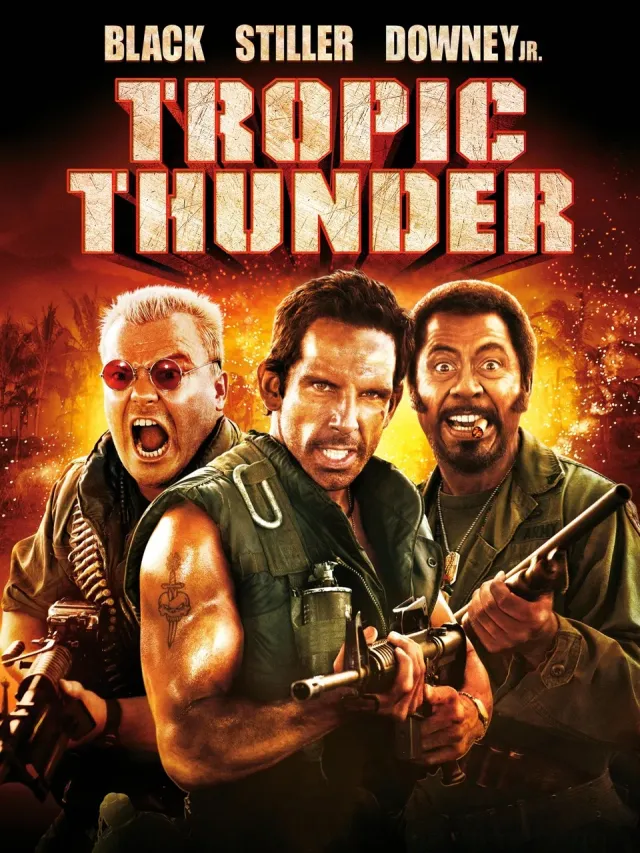
A studio launches an expensive Vietnam War film starring an action celebrity, a method actor and a comedian, but mounting production problems leave the director desperate to recover the shoot. A veteran author suggests abandoning the actors in the jungle with hidden cameras, believing real danger will improve their performances. The cast assumes they are still acting when the production collapses and they encounter armed drug traffickers. Their rehearsal personas and movie-star egos become liabilities, but their familiarity with war-film conventions also helps them improvise. The film satirizes Hollywood’s self-importance and the machinery of producing serious war images, while deliberately using the same action grammar it mocks. Its jokes can be provocative, and some performance choices merit context rather than a blanket claim that satire resolves their implications.
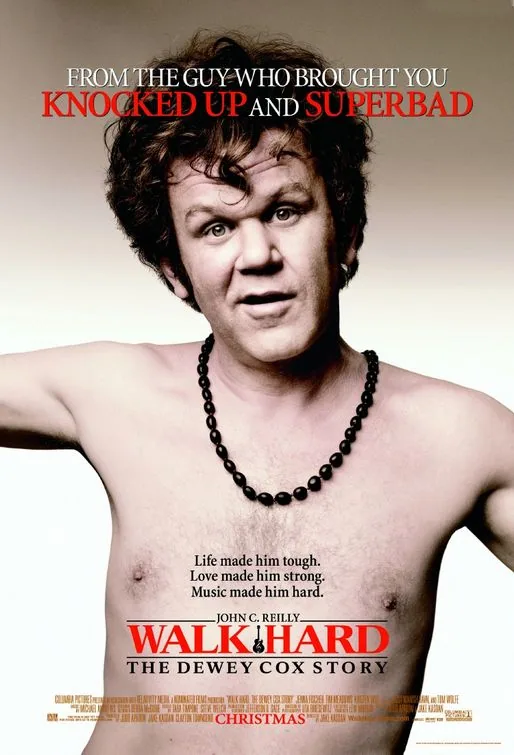
A fictional musician’s life is presented through dramatic losses, reinventions and musical breakthroughs that parody familiar biopic formulas. As Dewey moves through changing musical eras, the film repeatedly exposes the staged simplicity of the stories fame tells about artists. Its satire works by exaggerating the genre’s emotional shortcuts while still giving songs room to function as comic performances. Period pastiche and abrupt musical numbers make the film’s formal changes part of the joke.
What drives the story
Dewey’s pursuit of a mythic music career is both the source and target of the parody, with each reinvention exposing familiar biopic conventions.
The people at its centre
Dewey’s family ties and artistic ambition are reshaped by the public character he performs, leaving intimacy vulnerable to self-mythology.
What it feels like
Musical pastiche, rapid time jumps and deadpan exaggeration compress the rise-and-fall biopic into a fast comic collage.
Worth knowing
a music biopic parody rather than a straight account of one real performer’s life