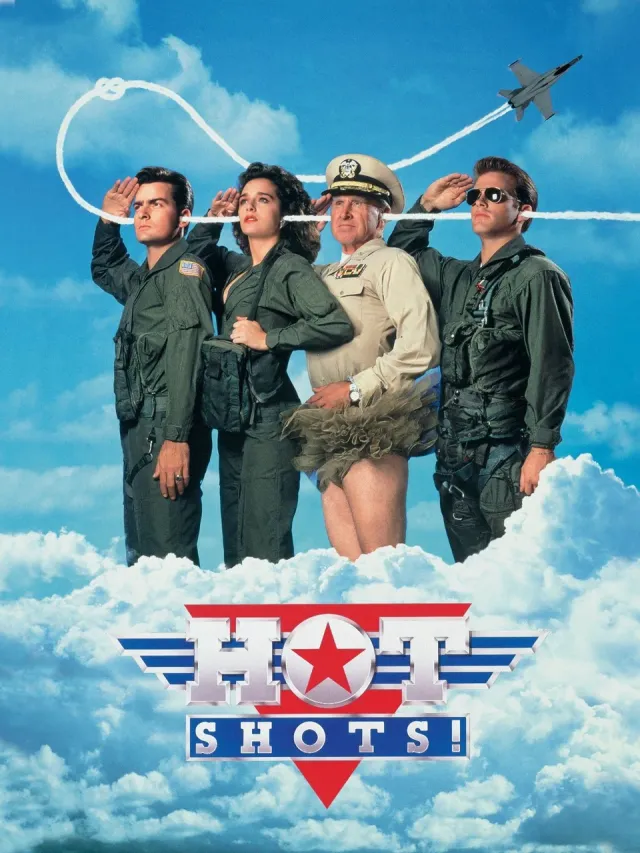
A returning pilot joins a rescue mission whose serious military setup is repeatedly undercut by comic parody.
Why this matches +
Selected for the central appeal: Broad Hollywood satires about actors, war-movie conventions and productions spiraling out of control.
Genres: Comedy / War
Shared film traits
Based on recorded story, mood and style. Your preferences can change the order.
What changes Hot Shots! parodies military action films through absurd performers and exaggerated combat conventions.
A former fighter pilot is drawn back into military service when a new conflict requires an improbable rescue mission. The setup and characters deliberately echo familiar combat dramas, while the film continually interrupts its own action with wordplay, visual jokes, and genre parody. Its adventure depends on audiences recognizing the conventions being exaggerated, so heroic posturing and battlefield tension become material for a fast comic routine.
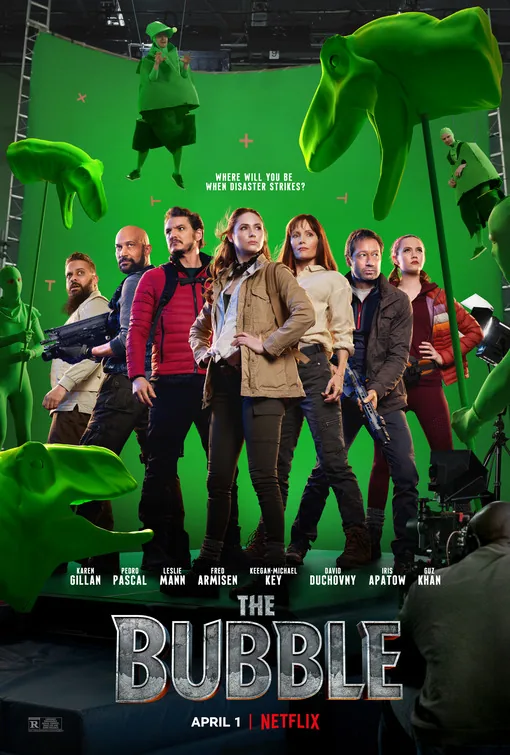
A quarantined cast tries to finish a major sequel as production demands and personal tensions disrupt the closed environment.
Why this matches +
Selected for the central appeal: Broad Hollywood satires about actors, war-movie conventions and productions spiraling out of control.
Genres: Comedy
Shared film traits
Based on recorded story, mood and style. Your preferences can change the order.
Constructed reality
What changes The Bubble satirizes self-important actors and a troubled film production whose problems overwhelm the work.
During pandemic restrictions, a cast and crew enter a hotel quarantine bubble to make the latest installment of a blockbuster dinosaur franchise. The actors try to sustain professional routines and personal relationships while production delays, isolation and creative pressures make the set increasingly unstable. Judd Apatow’s ensemble comedy satirizes franchise filmmaking and the conditions of a film shoot that must keep presenting itself as normal.
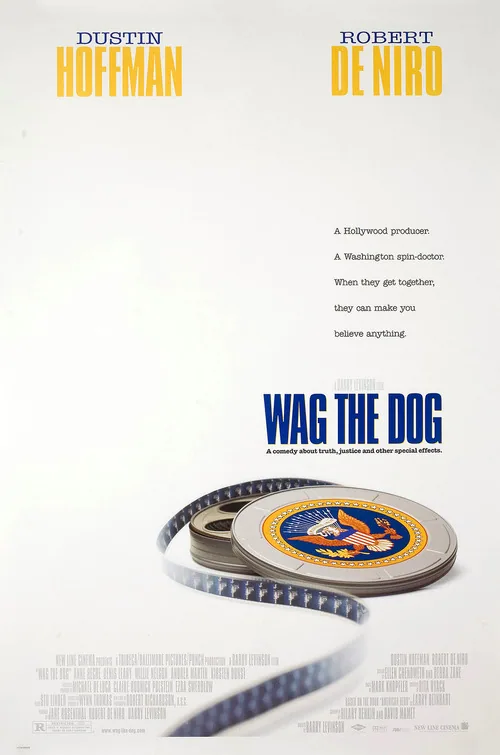
A political crisis becomes a media production in which a fictional war is assembled from repeatable images and a marketable narrative.
Why this matches +
These offer a related experience with a meaningful difference in story, tone, or presentation.
An adjacent discovery: a related idea with a different viewing experience.
Genres: Drama / Comedy
Shared film traits
Based on recorded story, mood and style. Your preferences can change the order.
Constructed reality
What changes Wag the Dog satirizes Hollywood's ability to manufacture political and military spectacle.
With a presidential sex scandal threatening an election, political consultant Conrad Brean hires Hollywood producer Stanley Motss to invent a distant war that can redirect the news. Motss treats the crisis as a production problem, assembling images, slogans, music and a fictional hero with the same craft he would use for a movie. Brean manages government messaging while the fabricated conflict begins to acquire an independent life in the media. The film’s comedy comes from watching public belief depend on the details of a story that exists mainly because two professionals know how to stage it. As the campaign grows, it becomes less controllable, even for the people who made it. The satire targets both political spin and entertainment’s ability to make images feel like evidence.
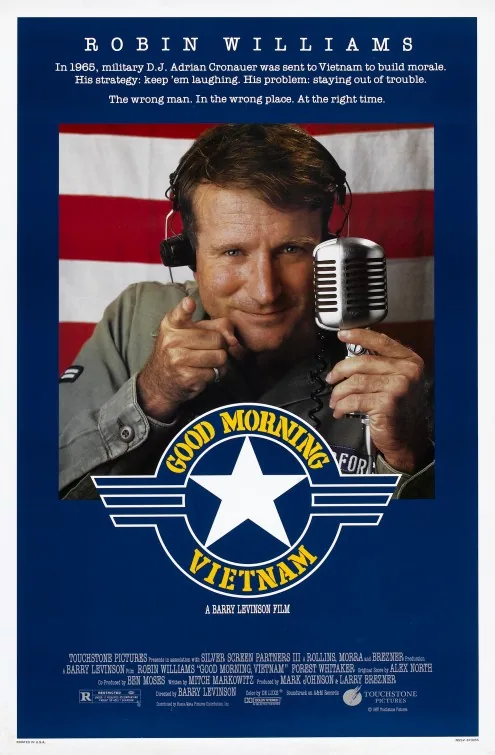
An unconventional broadcaster's popularity protects his insubordination until censorship and local violence reveal the limits of performing morale inside a war.
Why this matches +
These offer a related experience with a meaningful difference in story, tone, or presentation.
An adjacent discovery: a related idea with a different viewing experience.
Genres: Comedy / Drama
Shared film traits
Based on recorded story, mood and style. Your preferences can change the order.
What changes Good Morning, Vietnam mixes irreverent performance with the realities and contradictions of the Vietnam War.
A radio presenter brings irreverent comedy and popular music to American troops in Saigon, delighting listeners while antagonizing officers who regulate what may be said. Relationships outside the studio expose realities that cheerful broadcasting and censored news cannot reconcile. His confidence that wit can bridge every division is tested by violence and divided loyalties he does not understand. The film moves between exuberant performance and disillusionment, making the entertainer's freedom of expression only one part of a larger wartime imbalance.
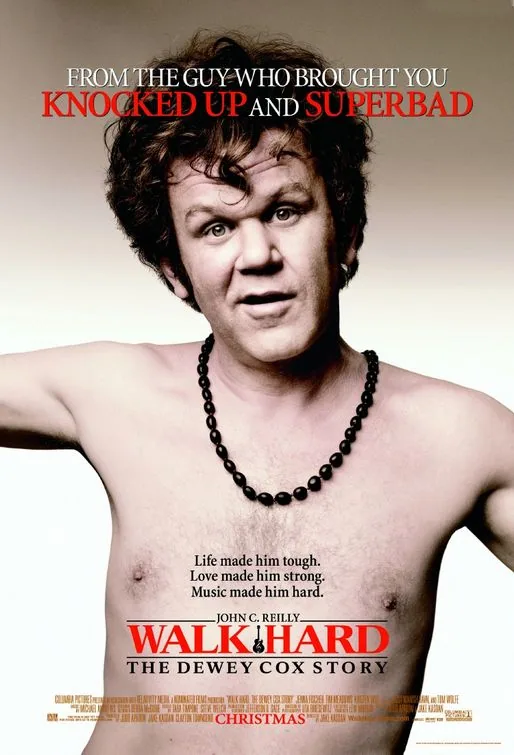
Dewey’s pursuit of a mythic music career is both the source and target of the parody, with each reinvention exposing familiar biopic conventions.
Why this matches +
These offer a related experience with a meaningful difference in story, tone, or presentation.
An adjacent discovery: a related idea with a different viewing experience.
Genres: Comedy / Music
Shared film traits
Based on recorded story, mood and style. Your preferences can change the order.
Constructed reality
What changes Walk Hard: The Dewey Cox Story mocks the formulas and inflated egos of prestige entertainment biographies.
A fictional musician’s life is presented through dramatic losses, reinventions and musical breakthroughs that parody familiar biopic formulas. As Dewey moves through changing musical eras, the film repeatedly exposes the staged simplicity of the stories fame tells about artists. Its satire works by exaggerating the genre’s emotional shortcuts while still giving songs room to function as comic performances. Period pastiche and abrupt musical numbers make the film’s formal changes part of the joke.
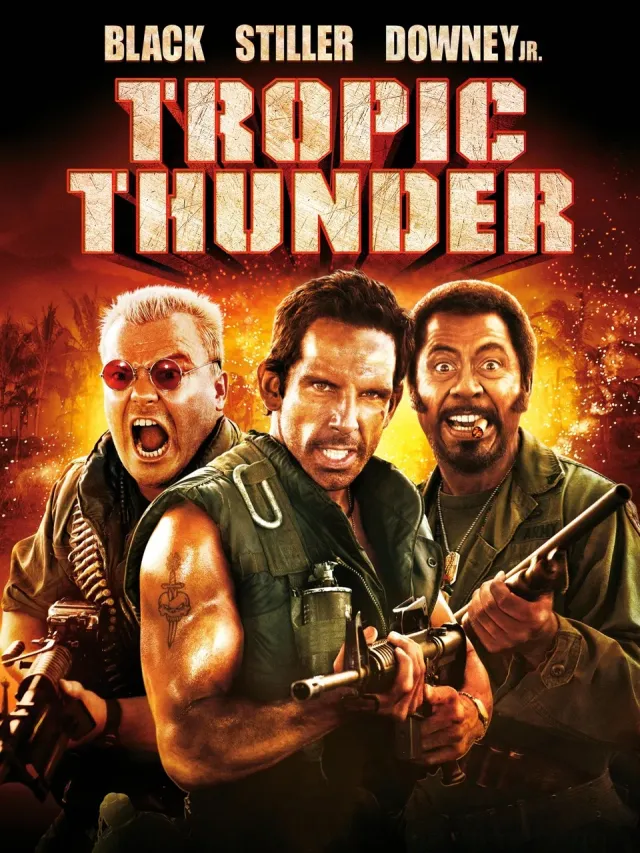
A studio launches an expensive Vietnam War film starring an action celebrity, a method actor and a comedian, but mounting production problems leave the director desperate to recover the shoot. A veteran author suggests abandoning the actors in the jungle with hidden cameras, believing real danger will improve their performances. The cast assumes they are still acting when the production collapses and they encounter armed drug traffickers. Their rehearsal personas and movie-star egos become liabilities, but their familiarity with war-film conventions also helps them improvise. The film satirizes Hollywood’s self-importance and the machinery of producing serious war images, while deliberately using the same action grammar it mocks. Its jokes can be provocative, and some performance choices merit context rather than a blanket claim that satire resolves their implications.
What drives the story
A fake war-film production becomes real danger because the cast cannot tell performance from survival and the director’s experiment removes control.
The people at its centre
The actors’ rivalries and role-playing give way unevenly to dependence, while the war author’s advice proves more practical than the director’s ego.
What it feels like
The opening parody trailers, jungle action and shifting in-film movie references expose how commercial cinema packages both heroism and authenticity.
Worth knowing
For viewers interested in broad satire of actors, studios and war-film conventions. Its use of blackface and the “Simple Jack” portrayal of intellectual disability drew criticism from disability advocates; satire’s target does not resolve the harm or make every gag land cleanly.
egoauthenticitywar-film convention
Mood
irreverent · abrasive · chaotic
Pacing
parody setup · escalating action
Visual style
parody trailers · handheld jungle action
Storytelling
film within a film · manufactured ordeal · actors in danger