Based on recorded story, mood and style. Your preferences can change the order.
Music and performance
What changes This Is Spinal Tap: a loose sequence of tour stops builds recurring comic setbacks. CB4: fast comic ascent followed by exposure and consequences.
Suburban aspiring rapper Albert Brown and his friends lack the image and connections to break into the music business. They borrow the identity of imprisoned gangster Gusto and perform as the hard-edged group CB4, quickly finding fame but attracting a politician's campaign and Gusto's retaliation. The mockumentary uses interviews and performances to satirize music marketing, celebrity personas and the commercialization of authenticity.
Based on recorded story, mood and style. Your preferences can change the order.
Music and performance
What changes This Is Spinal Tap: a loose sequence of tour stops builds recurring comic setbacks. Popstar: Never Stop Never Stopping: song and sketch rhythm, fast comedy scenes and mockumentary escalation.
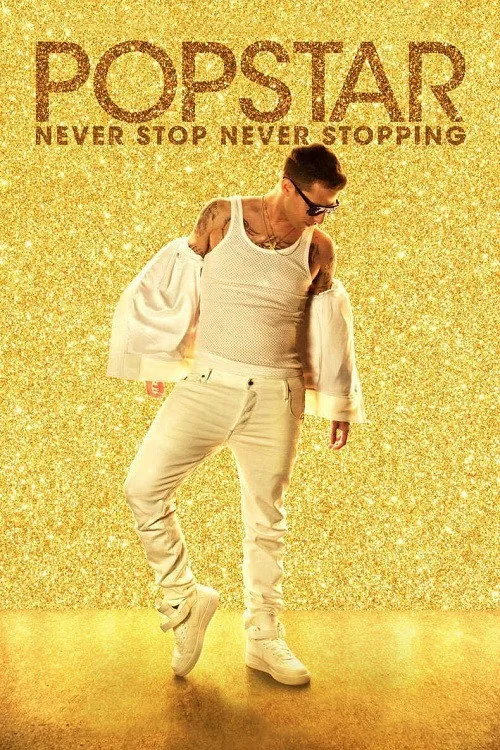
After leaving his boy-band group to pursue a solo career, pop star Conner4Real becomes a celebrity whose confidence and entourage grow alongside his fame. When his second album fails and public interest fades, a documentary crew records his attempts to recover his standing and reconnect with his former bandmates. The Lonely Island’s mockumentary satirizes celebrity branding, music documentaries, and the spectacle around pop stars, while using original songs and cameos as part of the comedy.
Based on recorded story, mood and style. Your preferences can change the order.
Music and performance
What changes This Is Spinal Tap: a loose sequence of tour stops builds recurring comic setbacks. Bowfinger: scheme-driven and escalating.
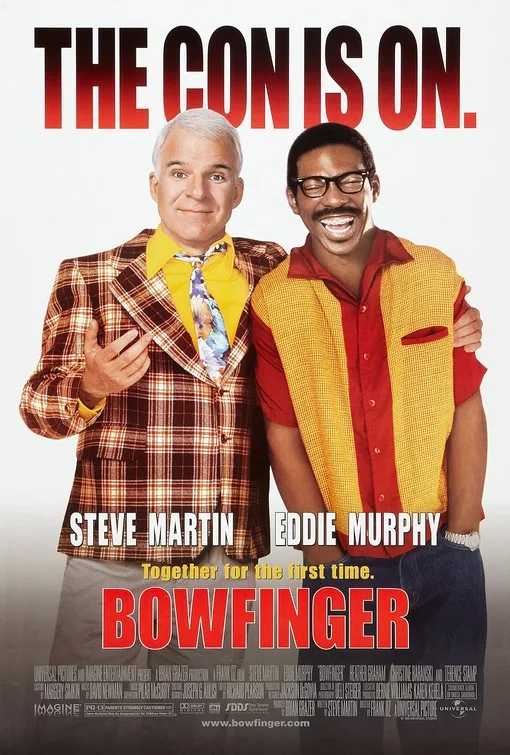
Bobby Bowfinger is a struggling filmmaker who decides to make a science-fiction movie with a famous action star who does not know he is involved. He recruits a small, inexperienced crew and an ambitious performer, arranging scenes around the star's real movements while trying to keep the deception intact. The comedy pokes at Hollywood ambition, low-budget ingenuity and the fragile line between performance and reality.
Based on recorded story, mood and style. Your preferences can change the order.
Music and performance
What changes This Is Spinal Tap: a loose sequence of tour stops builds recurring comic setbacks. The Dirt: episodic career milestones, concert energy and late shift toward consequence.
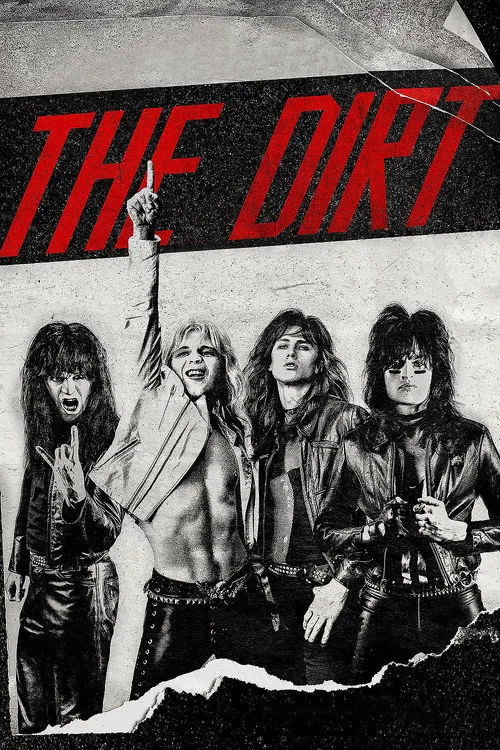
Four young musicians from Los Angeles form Mötley Crüe and rise from club gigs to global fame, adopting a reckless style that mirrors the era's excess. Told through the band members' changing perspectives, the biographical comedy-drama tracks sudden success, internal conflict, addiction, loss, and the difficult attempts to remain together. Concert spectacle and backstage chaos share the screen as the group confronts the damage caused by fame and the possibility of a later reunion.
Based on recorded story, mood and style. Your preferences can change the order.
Music and performance
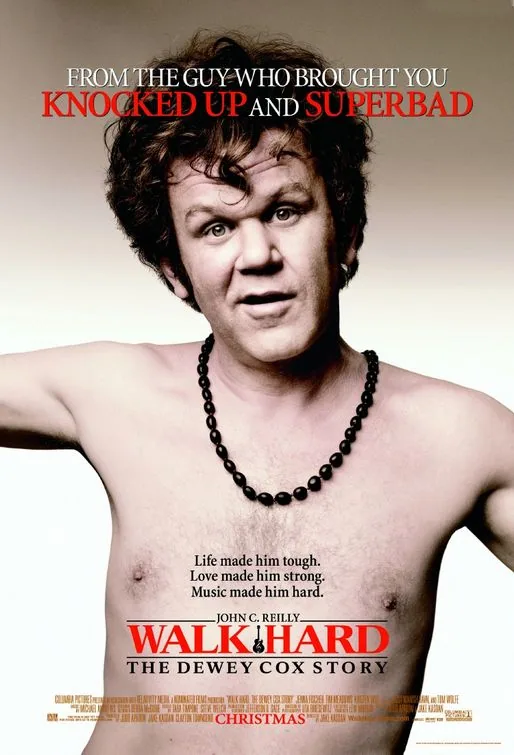
What changes This Is Spinal Tap: a loose sequence of tour stops builds recurring comic setbacks. Walk Hard: The Dewey Cox Story: conversational and episodic.
A fictional musician’s life is presented through dramatic losses, reinventions and musical breakthroughs that parody familiar biopic formulas. As Dewey moves through changing musical eras, the film repeatedly exposes the staged simplicity of the stories fame tells about artists. Its satire works by exaggerating the genre’s emotional shortcuts while still giving songs room to function as comic performances. Period pastiche and abrupt musical numbers make the film’s formal changes part of the joke.
Based on recorded story, mood and style. Your preferences can change the order.
Music and performance
What changes This Is Spinal Tap: a loose sequence of tour stops builds recurring comic setbacks. Green Book: measured.
An Italian-American bouncer takes a temporary job driving a Black pianist on a concert tour through the segregated American South. Differences in class, habits and self-presentation complicate their initial working relationship, while travel exposes the gap between public applause and the treatment the musician receives outside performance spaces. Their growing rapport is framed around practical confrontations and mutual adjustment, with the driver's point of view shaping which experiences the audience is allowed to understand most fully.
Based on recorded story, mood and style. Your preferences can change the order.
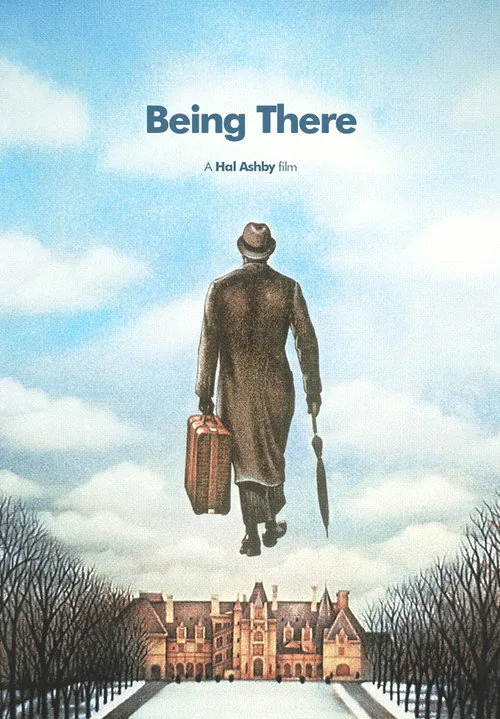
What changes This Is Spinal Tap: a loose sequence of tour stops builds recurring comic setbacks. Being There: unhurried, observational and comic accumulation.
Chance is a sheltered gardener whose knowledge of the outside world comes largely from television and the routines of the wealthy household where he lives. After he is forced to leave, a series of coincidences brings him into contact with influential people who interpret his simple observations as political wisdom. As Chance moves through elite social circles, the gap between what he means and what others hear becomes the film’s central comic device. Hal Ashby’s satire examines media, class, celebrity, and the appetite for meaning in public life.
Both share themes of friendship, plus a playful atmosphere.
Why this matches +
Genres: Comedy / Music
Shared film traits
Based on recorded story, mood and style. Your preferences can change the order.
Music and performance
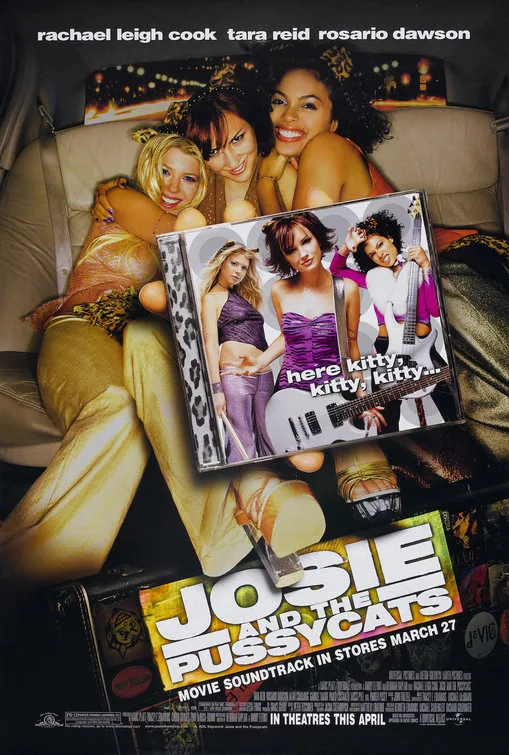
What changes This Is Spinal Tap: a loose sequence of tour stops builds recurring comic setbacks. Josie and the Pussycats: fast and music-led.
A small-town band signs a record deal and quickly becomes a national sensation, but Josie, Valerie and Melody discover that the label's executives are using their music to carry hidden commercial messages. Their rise puts friendship and artistic identity under pressure as they decide whether success is worth surrendering control of their work. The satire turns bright pop culture into a setting for questions about marketing, image and the difference between genuine connection and manufactured popularity.
Based on recorded story, mood and style. Your preferences can change the order.
Music and performance
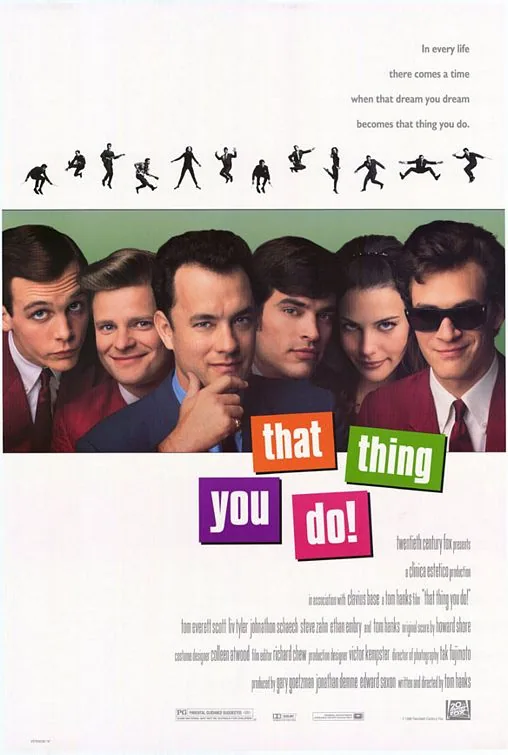
What changes This Is Spinal Tap: a loose sequence of tour stops builds recurring comic setbacks. That Thing You Do!: rapid rise followed by divergence.
A small-town band's drummer changes the rhythm of a song and helps propel The Wonders into a brief wave of national success. The group navigates recording contracts, touring, romance and the pressures of being shaped by managers and publicity. Tom Hanks's period comedy treats pop stardom as exhilarating but temporary, with the single's bright hook set against the members' differing ideas about what the band should become.
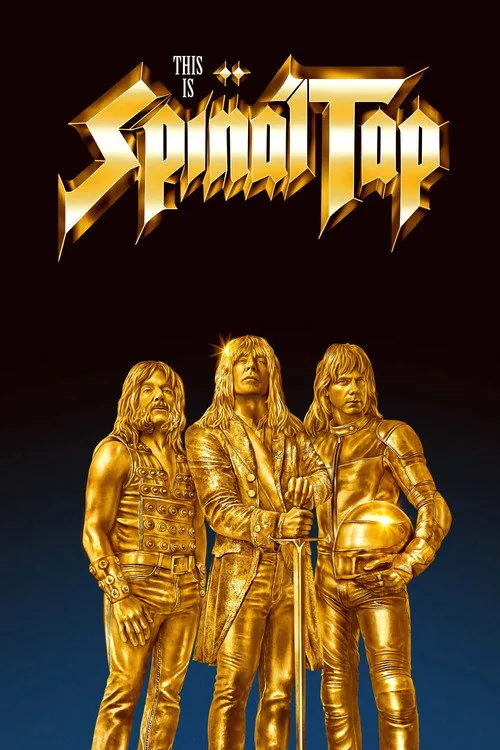
Documentary filmmaker Marty Di Bergi follows British heavy-metal band Spinal Tap on a troubled American tour promoting Smell the Glove. Failing ticket sales, a contentious album cover, oversized stage plans, and the band’s unstable lineup turn routine rock-star frustrations into an escalating parade of absurdities. The mockumentary lets the musicians take their own legend seriously while the camera records the gap between their self-image and the small disasters that repeatedly derail their performances.
What drives the story
Each attempt to revive the band’s fortunes creates another conflict among the musicians, manager, label, and entourage.
The people at its centre
David and Nigel’s friendship is repeatedly strained by professional rivalry, while Derek and the bandmates absorb the changes around them.
What it feels like
The humor depends on naturalistic interviews and musical commitment, with songs and awkward silences treated as real documentary material.
Worth knowing
It is a fictional rockumentary about a band’s tour and self-importance, not a concert film documenting a real group.
EgoFriendshipArtistic ambition
Mood
Deadpan · Playful · Satirical
Pacing
A loose sequence of tour stops builds recurring comic setbacks