The reporter’s constructed persona creates situations in which subjects reveal their own assumptions while reacting to him.
Why this matches +
These films share important themes, atmosphere or storytelling interests with this selection.
Genres: Comedy
Shared film traits
Based on recorded story, mood and style. Your preferences can change the order.
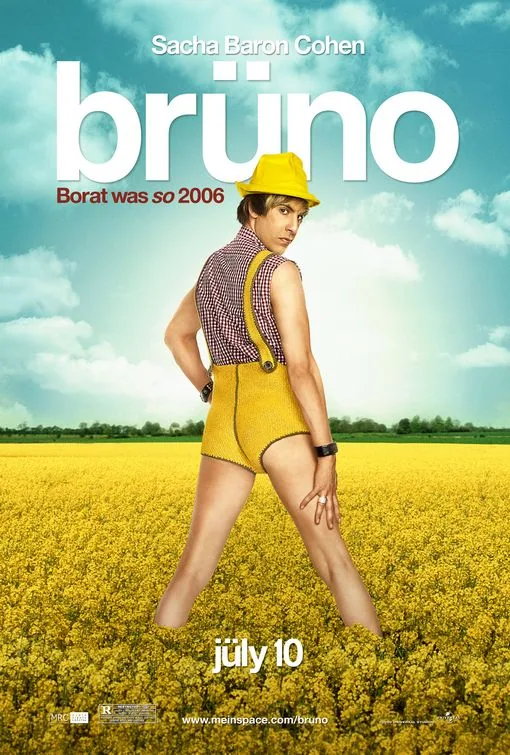
What changes Its own story: The reporter’s constructed persona creates situations in which subjects reveal their own assumptions while reacting to him.
A flamboyant Austrian fashion reporter travels to the United States seeking celebrity and attention, staging encounters that expose the prejudices and social performance he meets. The mockumentary uses provocation and awkward improvisation to challenge its subjects while also relying on the comic persona’s excess. Its satire asks who is being observed and what a performance can reveal about an audience.
Removing Aladeen’s public identity lets Tamir stage a constitutional transfer; the former ruler must find his way back to the UN before the substitute signs it.
Why this matches +
These films share important themes, atmosphere or storytelling interests with this selection.
Genres: Comedy
Shared film traits
Based on recorded story, mood and style. Your preferences can change the order.
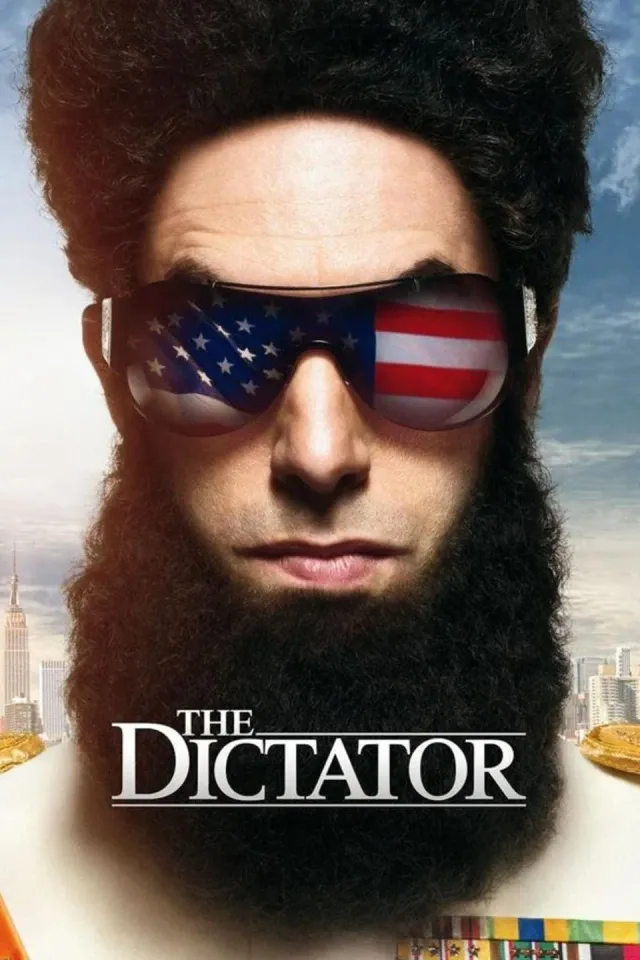
What changes Its own story: Removing Aladeen’s public identity lets Tamir stage a constitutional transfer; the former ruler must find his way back to the UN before the substitute signs it.
Admiral-General Aladeen, the authoritarian ruler of fictional Wadiya, travels to New York to address the United Nations about his country’s nuclear program. His uncle Tamir has him kidnapped, replaces him with a dim-witted lookalike and expects the substitute to sign away control of Wadiya’s oil. Shorn of his beard and status, Aladeen is left in the city and taken in by Zoey, who runs an egalitarian food cooperative. He tries to get back to the UN while learning how ordinary people see him, and Zoey tries to keep his arrogance from undoing their uneasy alliance. The satire follows his struggle to reclaim political power and decide what kind of leader he wants to be.
The road-trip frame gives the prank sequences a simple direction and a gradual relationship arc.
Why this matches +
These films share important themes, atmosphere or storytelling interests with this selection.
Genres: Comedy / Hidden Camera
Shared film traits
Based on recorded story, mood and style. Your preferences can change the order.
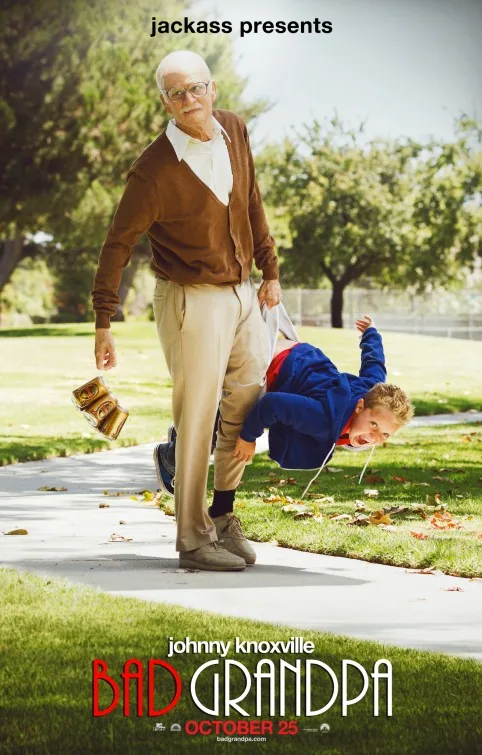
What changes Its own story: The road-trip frame gives the prank sequences a simple direction and a gradual relationship arc.
Irving Zisman, an unruly elderly man, must take his young grandson Billy across the country to his father. Their road trip becomes a string of hidden-camera encounters as Irving’s abrasive behavior draws reactions from unsuspecting people. The prank format supplies most of the jokes, while the forced companionship gradually gives the grandfather and child a reason to care about one another beneath the provocation.
Each attempt to revive the band’s fortunes creates another conflict among the musicians, manager, label, and entourage.
Why this matches +
These films share important themes, atmosphere or storytelling interests with this selection.
Genres: Comedy / Music
Shared film traits
Based on recorded story, mood and style. Your preferences can change the order.
What changes Its own story: Each attempt to revive the band’s fortunes creates another conflict among the musicians, manager, label, and entourage.
Documentary filmmaker Marty Di Bergi follows British heavy-metal band Spinal Tap on a troubled American tour promoting Smell the Glove. Failing ticket sales, a contentious album cover, oversized stage plans, and the band’s unstable lineup turn routine rock-star frustrations into an escalating parade of absurdities. The mockumentary lets the musicians take their own legend seriously while the camera records the gap between their self-image and the small disasters that repeatedly derail their performances.
pursuing a conspiracy while questioning the force’s heroic assumptions. This pressure determines what the protagonist must do next and which risks become unavoidable.
Why this matches +
These films share important themes, atmosphere or storytelling interests with this selection.
Genres: Action / Comedy
Shared film traits
Based on recorded story, mood and style. Your preferences can change the order.
What changes Its own story: pursuing a conspiracy while questioning the force’s heroic assumptions. This pressure determines what the protagonist must do next and which risks become unavoidable.
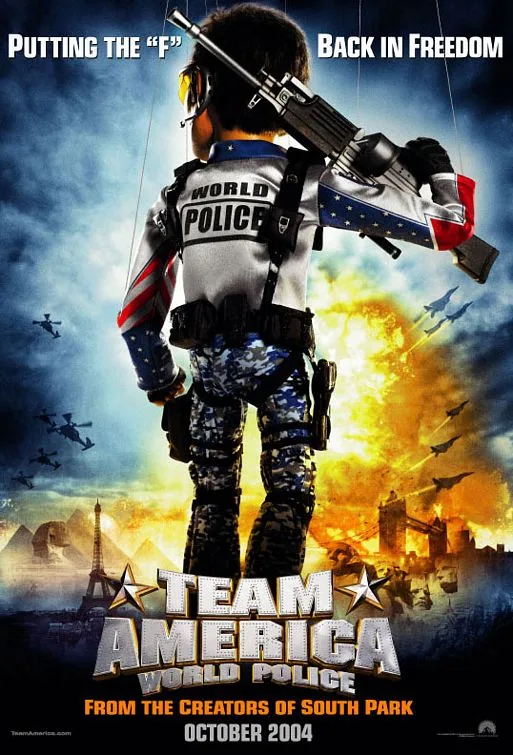
An international puppet police force recruits a stage actor to stop a terrorist threat and weapons plot. Their missions enter a satirical version of global politics, targeting interventionist heroics and celebrity activism. This action comedy uses elaborate puppetry, songs and deliberately crude humor to build miniature spectacle about how political certainty becomes performance.
The group’s preparations repeatedly collapse under practical mistakes and ideological disagreement, with deadly stakes remaining present.
Why this matches +
These films share important themes, atmosphere or storytelling interests with this selection.
Genres: Comedy / Crime
Shared film traits
Based on recorded story, mood and style. Your preferences can change the order.
What changes Its own story: The group’s preparations repeatedly collapse under practical mistakes and ideological disagreement, with deadly stakes remaining present.
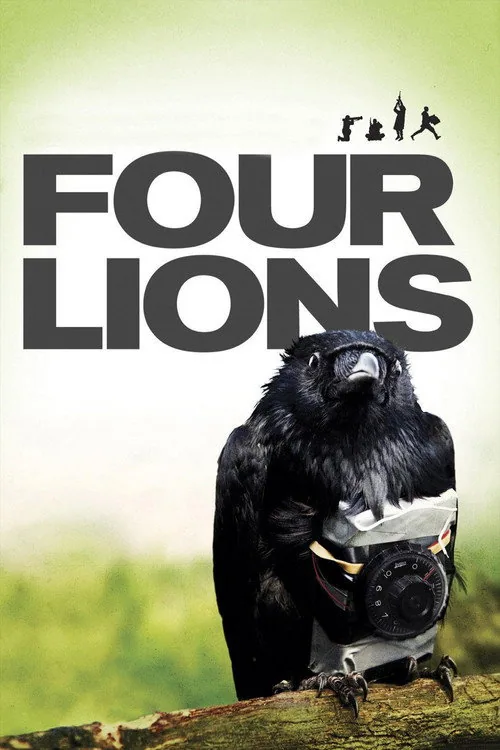
A group of would-be jihadist attackers in Sheffield struggle to plan a bombing while confronting incompetence, rivalries, and contradictory ideas about their cause. Omar tries to direct his cousin Waj, convert Barry, and the naive Faisal, but travel, training, and preparation repeatedly go wrong. The film’s satire follows their plans toward the London Marathon and exposes the danger beneath their absurd behavior. Chris Morris’s black comedy uses provocation and character-based farce to examine radicalization without presenting violence as harmless.
The planned interview becomes a covert mission, but Dave’s growing sympathy for Kim makes the promised assassination harder to carry out.
Why this matches +
These films share important themes, atmosphere or storytelling interests with this selection.
Genres: Action / Adventure
Shared film traits
Based on recorded story, mood and style. Your preferences can change the order.
What changes Its own story: The planned interview becomes a covert mission, but Dave’s growing sympathy for Kim makes the promised assassination harder to carry out.
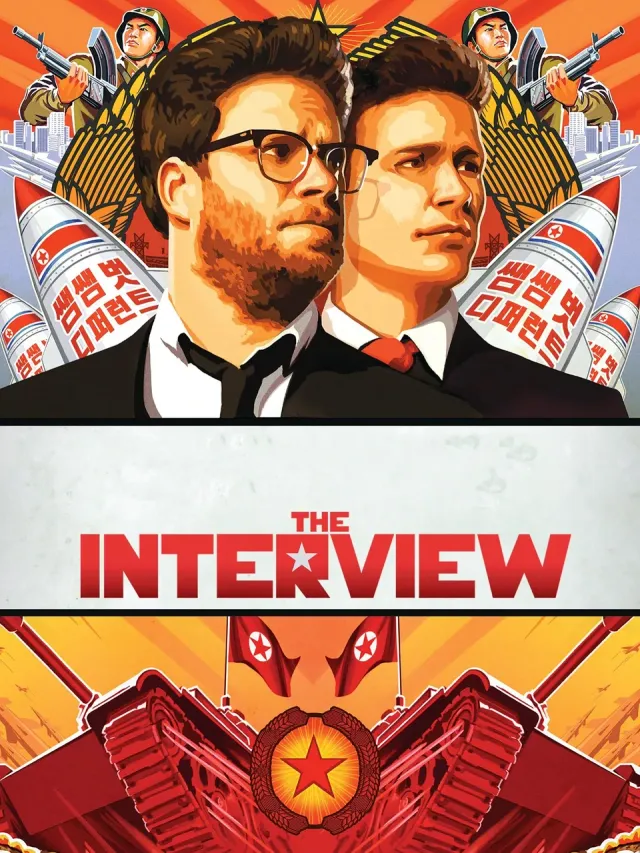
Talk-show host Dave Skylark and producer Aaron Rapaport are invited to interview North Korean leader Kim Jong Un after learning he watches their celebrity program. The CIA recruits the pair to use the trip for an assassination, turning a media visit into an increasingly chaotic covert operation. Dave’s unexpected rapport with Kim complicates the assignment, while Aaron worries about the moral and political consequences of what they have agreed to do. The comedy sends celebrity culture and state spectacle into absurd collision, deliberately treating geopolitical stakes as material for farce.
The dog show gives each owner a public stage where affection for a pet sits beside the desire to be admired, making competition a revealing social ritual.
Why this matches +
These films explore a related idea in a different setting, genre or style.
An adjacent discovery: a related idea with a different viewing experience.
Genres: Comedy
Shared film traits
Based on recorded story, mood and style. Your preferences can change the order.
What changes A gentler scripted mock-documentary and affectionate social vanity replace the source's confrontational real-world encounters and explicit bodily shock.
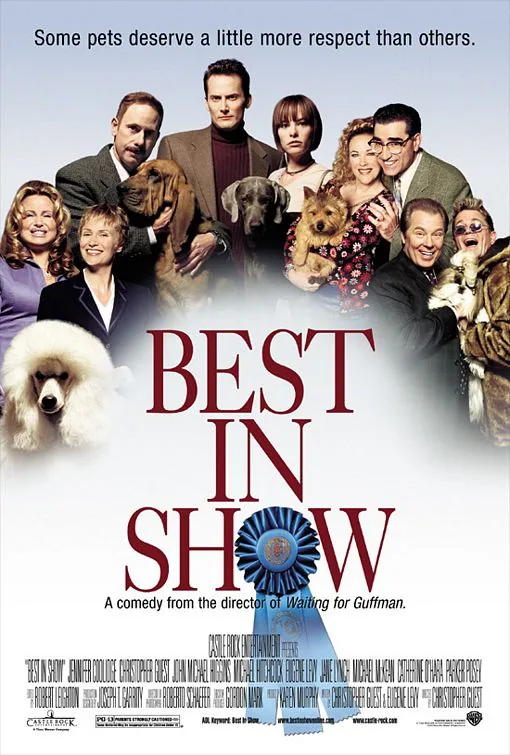
Several eccentric dog owners travel to a prestigious show, where their rivalries and anxieties become as visible as the animals. Interviews, preparations and competition reveal how the participants attach identity and self-worth to a public event. The film’s humor comes from recognizably human needs for approval, belonging and control rather than from mocking the dogs. A mock-documentary camera and improvised ensemble performances let awkward pauses and small contradictions carry the comedy.
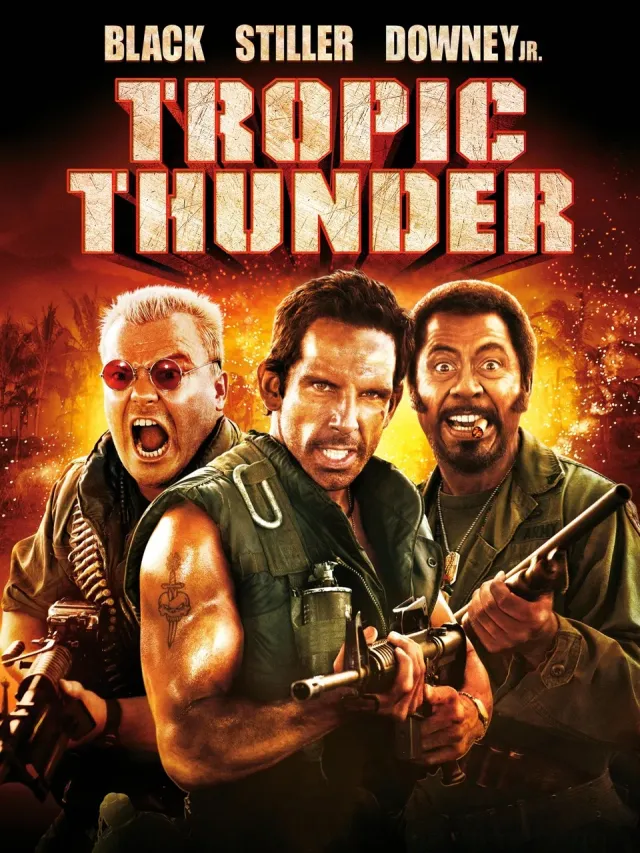
A fake war-film production becomes real danger because the cast cannot tell performance from survival and the director’s experiment removes control.
Why this matches +
These films explore a related idea in a different setting, genre or style.
An adjacent discovery: a related idea with a different viewing experience.
Genres: Action / Comedy
Shared film traits
Based on recorded story, mood and style. Your preferences can change the order.
What changes Its own story: A fake war-film production becomes real danger because the cast cannot tell performance from survival and the director’s experiment removes control.
A studio launches an expensive Vietnam War film starring an action celebrity, a method actor and a comedian, but mounting production problems leave the director desperate to recover the shoot. A veteran author suggests abandoning the actors in the jungle with hidden cameras, believing real danger will improve their performances. The cast assumes they are still acting when the production collapses and they encounter armed drug traffickers. Their rehearsal personas and movie-star egos become liabilities, but their familiarity with war-film conventions also helps them improvise. The film satirizes Hollywood’s self-importance and the machinery of producing serious war images, while deliberately using the same action grammar it mocks. Its jokes can be provocative, and some performance choices merit context rather than a blanket claim that satire resolves their implications.
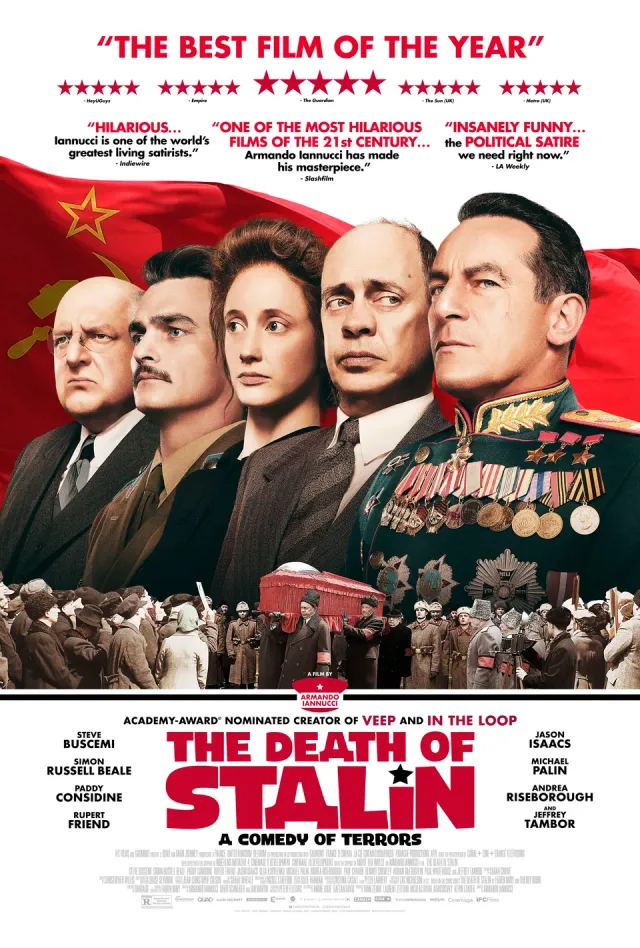
Stalin’s death leaves control of the police, party and public mourning contested. The film compresses months of political maneuvering into a farcical sprint, so its reversals serve comic timing rather than a reliable event-by-event chronology.
Why this matches +
These films explore a related idea in a different setting, genre or style.
An adjacent discovery: a related idea with a different viewing experience.
Genres: Drama / Comedy
Shared film traits
Based on recorded story, mood and style. Your preferences can change the order.
What changes Its own story: Stalin’s death leaves control of the police, party and public mourning contested. The film compresses months of political maneuvering into a farcical sprint, so its reversals serve comic timing rather than a reliable event-by-event chronology.
Joseph Stalin’s death in 1953 opens a struggle among the Soviet leaders who had served his regime. Lavrentiy Beria uses the security apparatus, Nikita Khrushchev builds support among colleagues, and Georgy Malenkov is named head of government as officials compete to control the party and state. Public mourning, arrests and displays of loyalty reveal a system built on fear. The film compresses events that unfolded over months into a brisk ensemble farce, inventing and rearranging scenes for comic effect. It uses historical figures to satirize the absurdity and brutality of authoritarian power, but its rapid succession plot is not a literal chronology of the succession crisis.
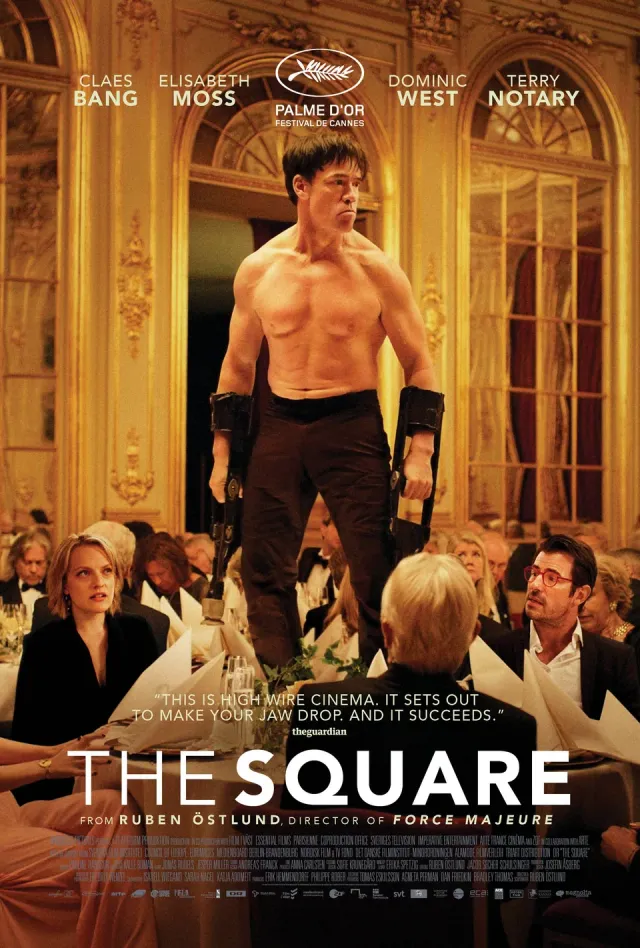
A curator's attempt to act generously after a robbery collides with the museum's marketing of generosity as an abstract public value.
Why this matches +
These films explore a related idea in a different setting, genre or style.
An adjacent discovery: a related idea with a different viewing experience.
Genres: Drama / Comedy
Shared film traits
Based on recorded story, mood and style. Your preferences can change the order.
What changes Its own story: A curator's attempt to act generously after a robbery collides with the museum's marketing of generosity as an abstract public value.
Christian, a Stockholm contemporary-art museum curator and divorced father, prepares a public installation called The Square, a marked space meant to invite trust and care. After he is robbed in the street, his staff help him send a provocative letter to residents of a housing block he suspects, and the attempt to recover his belongings has consequences beyond the theft. A publicity campaign for the installation turns the museum's humane ideals into a spectacle, while Christian's personal and professional choices expose how selectively he applies them. Encounters with a journalist, a child and an artist performing as an ape unsettle his confidence in the institution's moral language. The film accumulates episodes rather than resolving them into a single lesson.
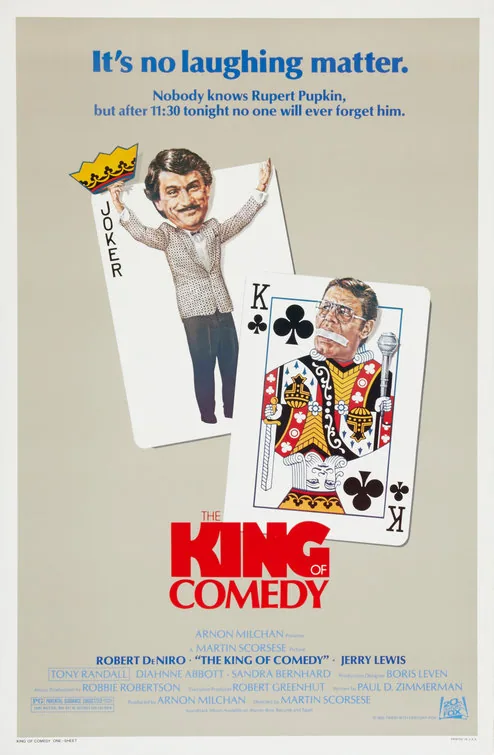
Rupert’s belief that he is owed a stage turns rejection into a hostage scheme; the broadcast is both his forced entry into show business and an act with serious consequences.
Why this matches +
These films explore a related idea in a different setting, genre or style.
An adjacent discovery: a related idea with a different viewing experience.
Genres: Crime / Drama
Shared film traits
Based on recorded story, mood and style. Your preferences can change the order.
What changes Its own story: Rupert’s belief that he is owed a stage turns rejection into a hostage scheme; the broadcast is both his forced entry into show business and an act with serious consequences.
Aspiring comedian Rupert Pupkin becomes fixated on successful talk-show host Jerry Langford after a brief encounter. Rupert treats the meeting as the start of a friendship even as Langford’s staff reject his repeated requests for a performance slot. When ordinary persistence fails, Rupert and fellow stalker Masha kidnap Langford and demand that the network broadcast Rupert’s stand-up routine. The hostage plan gives Rupert the audience he has spent the film imagining, but its cost and aftermath remain troubling. Martin Scorsese’s film follows the gap between Rupert’s fantasy of celebrity and the actual isolation of a person who mistakes access to a famous stranger for intimacy.
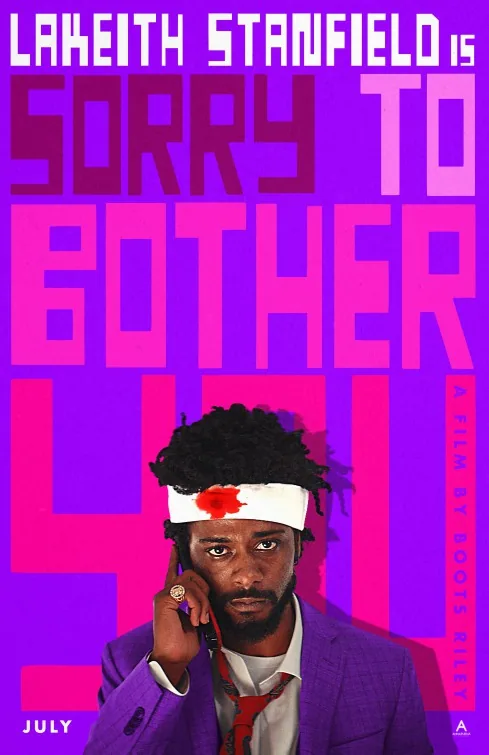
The “white voice” is both a sales technique and a satire of the persona Cash must adopt to gain access to corporate power.
Why this matches +
These films explore a related idea in a different setting, genre or style.
An adjacent discovery: a related idea with a different viewing experience.
Genres: Science fiction / satire
Shared film traits
Based on recorded story, mood and style. Your preferences can change the order.
What changes Its own story: The “white voice” is both a sales technique and a satire of the persona Cash must adopt to gain access to corporate power.
Struggling telemarketer Cash Green learns that a “white voice” helps him sell more effectively and is promoted into RegalView’s elite Power Caller floor. His new salary eases his rent problems, but it ties him to a company whose labor contracts and weapons deals are more disturbing than he first knew. As his artist girlfriend Detroit and colleague Squeeze organize against the corporation, Cash’s success pulls him away from the people and values he once shared. The discovery that the company is transforming workers into equisapiens—human-horse hybrids designed for extreme labor—pushes the workplace satire into body-horror absurdity and makes Cash’s complicity physical.
A former boy-band member tries to remain famous after his new album disappoints, with a film crew documenting every misstep.
Why this matches +
These films explore a related idea in a different setting, genre or style.
An adjacent discovery: a related idea with a different viewing experience.
Genres: Comedy / Music
Shared film traits
Based on recorded story, mood and style. Your preferences can change the order.
What changes Its own story: A former boy-band member tries to remain famous after his new album disappoints, with a film crew documenting every misstep.
After leaving his boy-band group to pursue a solo career, pop star Conner4Real becomes a celebrity whose confidence and entourage grow alongside his fame. When his second album fails and public interest fades, a documentary crew records his attempts to recover his standing and reconnect with his former bandmates. The Lonely Island’s mockumentary satirizes celebrity branding, music documentaries, and the spectacle around pop stars, while using original songs and cameos as part of the comedy.
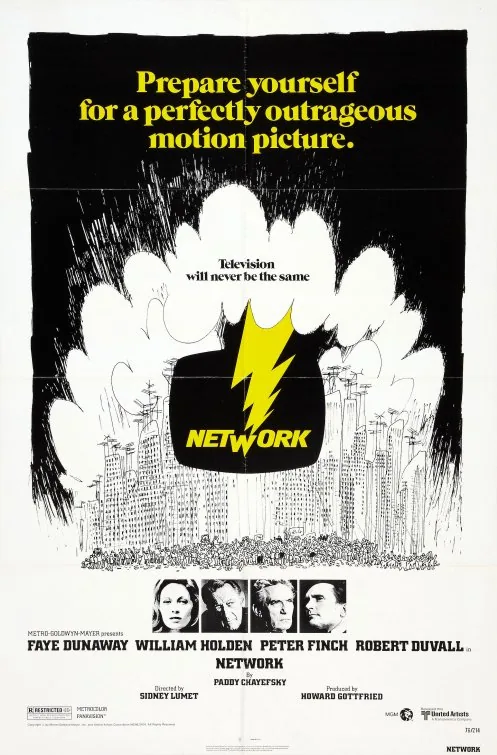
Ratings convert Beale's breakdown into a product, and every attempt to restore control becomes another negotiation between truth, profit and public appetite.
Why this matches +
These films explore a related idea in a different setting, genre or style.
An adjacent discovery: a related idea with a different viewing experience.
Genres: Drama / Comedy
Shared film traits
Based on recorded story, mood and style. Your preferences can change the order.
What changes Its own story: Ratings convert Beale's breakdown into a product, and every attempt to restore control becomes another negotiation between truth, profit and public appetite.
When veteran news anchor Howard Beale learns he will be dismissed, he announces on air that he will kill himself, then turns a farewell broadcast into an angry ratings sensation. Network executive Diana Christensen sells the outburst as entertainment, while division president Max Schumacher worries about the erosion of journalism and begins an affair with her. As Beale's populist persona grows, corporate leaders exploit his audience and eventually object when his message threatens a merger. The network answers a business problem with a lethal programming decision, turning the news division's cynicism into the plot's final spectacle.
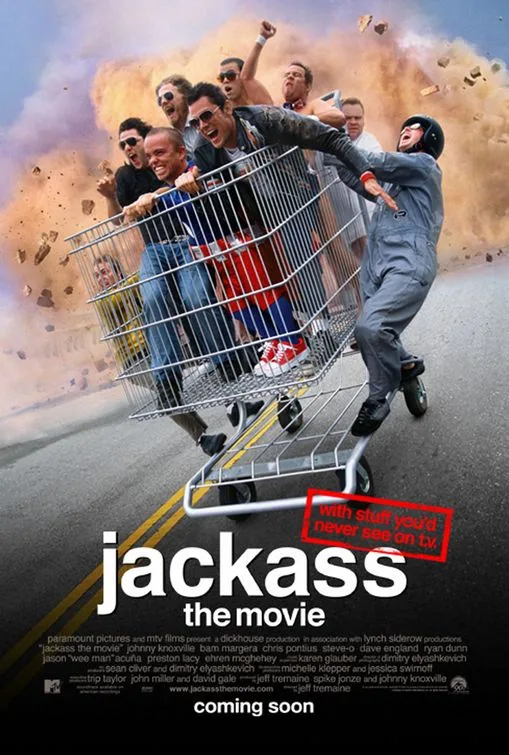
The film strings together risky stunts and public pranks, using the performers’ willingness to endure discomfort as its central comic engine.
Why this matches +
These films explore a related idea in a different setting, genre or style.
An adjacent discovery: a related idea with a different viewing experience.
Genres: Comedy / Documentary
The approach A documentary treatment rather than a dramatic feature.
Shared film traits
Based on recorded story, mood and style. Your preferences can change the order.
What changes Its own story: The film strings together risky stunts and public pranks, using the performers’ willingness to endure discomfort as its central comic engine.
A group of friends stage painful, messy and often absurd stunts for the camera, turning private dares into a feature-length collection of public spectacles. The loose structure treats failure, embarrassment and audience reaction as part of the joke, while the participants’ familiarity gives the chaos an ensemble feel. It is a deliberately rough comedy about performance and risk, not a conventional narrative with a continuous character arc.
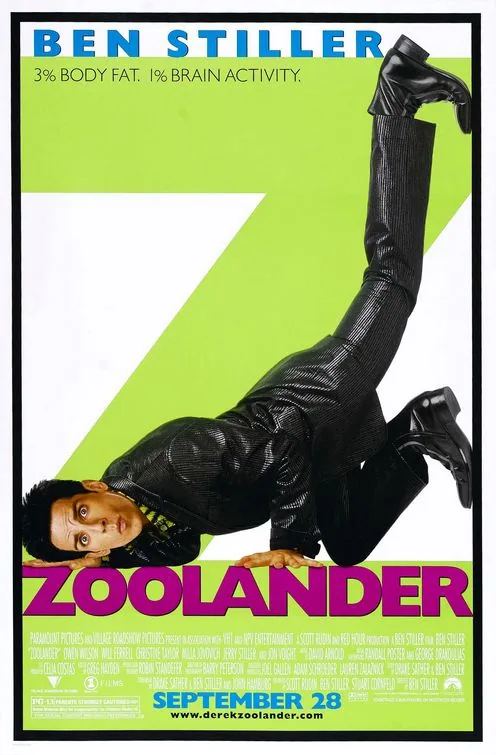
Mugatu turns Derek’s insecurity into a weapon, using celebrity image and conditioning to hide a political assassination plot inside the fashion business.
Why this matches +
These films explore a related idea in a different setting, genre or style.
An adjacent discovery: a related idea with a different viewing experience.
Genres: Comedy
Shared film traits
Based on recorded story, mood and style. Your preferences can change the order.
What changes Its own story: Mugatu turns Derek’s insecurity into a weapon, using celebrity image and conditioning to hide a political assassination plot inside the fashion business.
Derek Zoolander, a celebrated male model whose career depends on a blank, photogenic stare, loses his title to newcomer Hansel. Fashion executive Mugatu sees Derek’s bruised confidence as an opportunity and uses him in a conspiracy that turns a model into an unwitting assassin. Journalist Matilda works to uncover the scheme while Derek and Hansel’s professional rivalry slowly becomes a friendship. Ben Stiller’s comedy satirizes fashion celebrity, vanity and commercial image through deliberately absurd performances and a plot that treats the modeling world as both glamorous and ridiculous. The joke stays intentionally broad, with Derek’s innocence creating the contrast with Mugatu’s calculated manipulation.
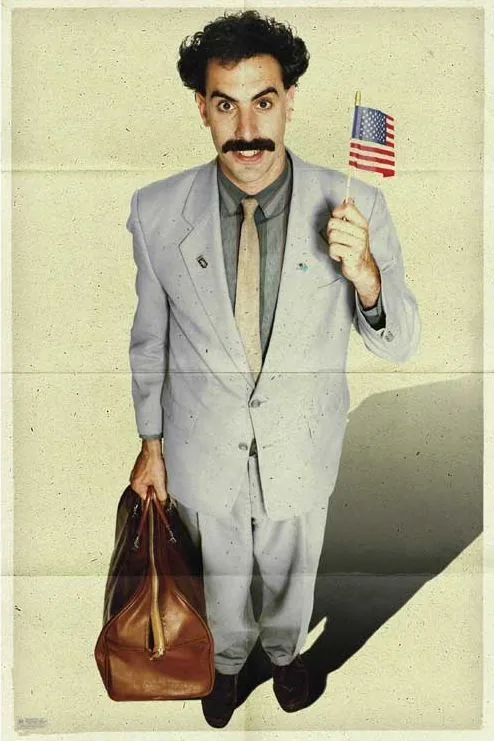
A fictional television reporter travels across the United States seeking material for an account of American life. His exaggerated ignorance and offensive assumptions provoke responses from people who do not all share the same understanding of the encounter. A shifting personal objective turns the trip into an episodic performance in which embarrassment, staged situations and unscripted reactions expose prejudices as well as the uncertain ethics of manufacturing their public display.
What drives the story
A performed outsider identity creates encounters designed to reveal what people will tolerate, affirm or fail to question.
The people at its centre
A deliberately provocative interviewer and his travelling companion negotiate reactions from participants whose knowledge of the production varies considerably.
What it feels like
Crude bodily humour and social discomfort create an abrasive, confrontational form of mock-documentary comedy.
Worth knowing
Its offensive statements belong to a satirical persona, while the mixture of staged and unscripted material makes it unsuitable as a straightforward factual portrait of a country or its people.