Explore films connected to The Disaster Artist through Creative ambition, Friendship, Recognition. Choose the qualities you want to carry into your next watch.
What should feel similar?
Find your next favourite
9 films · Closest overall matches
Hide films you’ve seen or don’t want. Saved on this device.
No matches for this combination yet.
Try another option or reset your choices to see more films.
Based on recorded story, mood and style. Your preferences can change the order.
What changes The Disaster Artist: production setbacks and making-of progression. Me & Earl & the Dying Girl: uneven comic episodes gradually become more emotionally direct.
High-school senior Greg Gaines keeps most people at a distance and calls Earl, his longtime friend and filmmaking partner, a coworker. His mother presses him to reconnect with Rachel, a former classmate diagnosed with leukemia; as their awkward friendship grows, Greg and Earl try to make a film for her. The coming-of-age comedy-drama treats homemade movies as a way to approach a subject Greg cannot control, while friendship and grief challenge his habit of remaining detached.
Both share independent film production, plus themes of friendship.
Why this matches +
Genres: Drama / Romance
Shared film traits
Based on recorded story, mood and style. Your preferences can change the order.
Music and performance
What changes The Disaster Artist: production setbacks and making-of progression. Zack and Miri Make a Porno: comic and production-led.
Two longtime friends facing bills and unstable work decide to make an amateur adult film with their friends as a way to earn money. The plan makes their familiar intimacy newly awkward, especially as the production requires them to discuss boundaries and feelings more directly. The raunchy comedy mixes workplace improvisation with a romance about recognizing what has been present in a friendship, and about treating collaborators with care.
Both share themes of friendship, plus a melancholic atmosphere.
Why this matches +
Genres: Drama / Comedy
Shared film traits
Based on recorded story, mood and style. Your preferences can change the order.
Music and performance
What changes The Disaster Artist: production setbacks and making-of progression. Once Upon a Time in Hollywood: measured.
A television actor worried that his career is ending depends on the practical support of his longtime stunt double as Hollywood's tastes change around them. Their ordinary workdays, drives and encounters unfold near a rising actress enjoying the possibilities of her own career. The proximity of a violent historical threat gives this loosely organised portrait of friendship and professional anxiety an unease that its characters do not fully share.
Based on recorded story, mood and style. Your preferences can change the order.
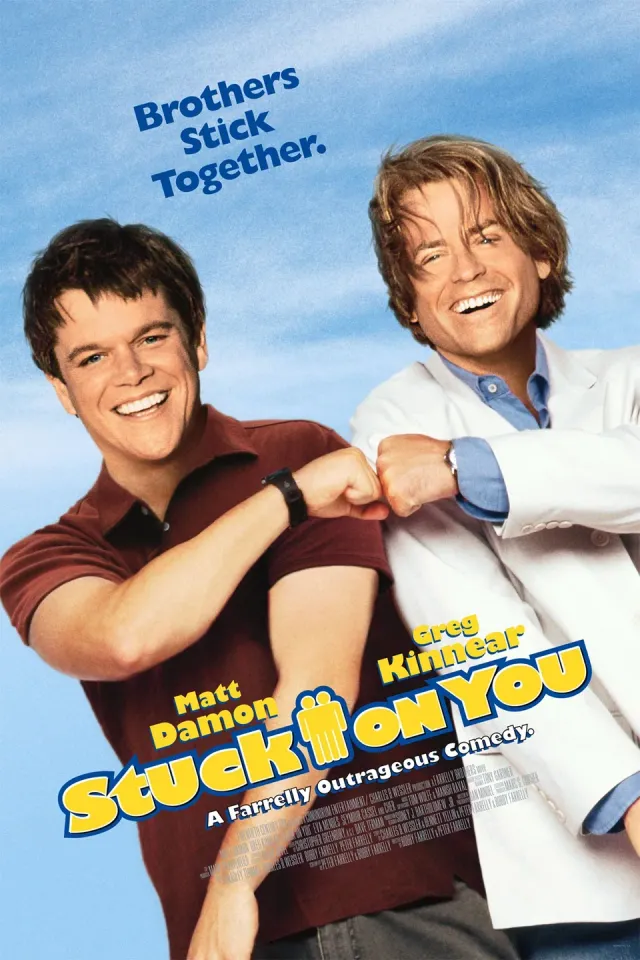
What changes The Disaster Artist: production setbacks and making-of progression. Stuck on You: episodic and comedy-led.
Conjoined twin brothers live and work together in a small Massachusetts town, balancing dependence with their individual ambitions. When one pursues acting in Hollywood, the move challenges their usual routines and requires both men to renegotiate how decisions are made. The comedy draws on physical situations but centers the affection and friction of a lifelong partnership, asking how independence can grow without treating closeness as a problem to erase.
Based on recorded story, mood and style. Your preferences can change the order.
What changes The Disaster Artist: production setbacks and making-of progression. Entourage: episodic negotiation builds toward a premiere.
A film star returns to Hollywood with his longtime friends as his next project becomes tangled in financing, studio politics and reputation. The story turns the group’s informal loyalty into a professional network where each friend must protect a different part of the production. Its comedy relies on celebrity cameos and industry satire, offering a continuation for viewers already familiar with the ensemble.
Based on recorded story, mood and style. Your preferences can change the order.
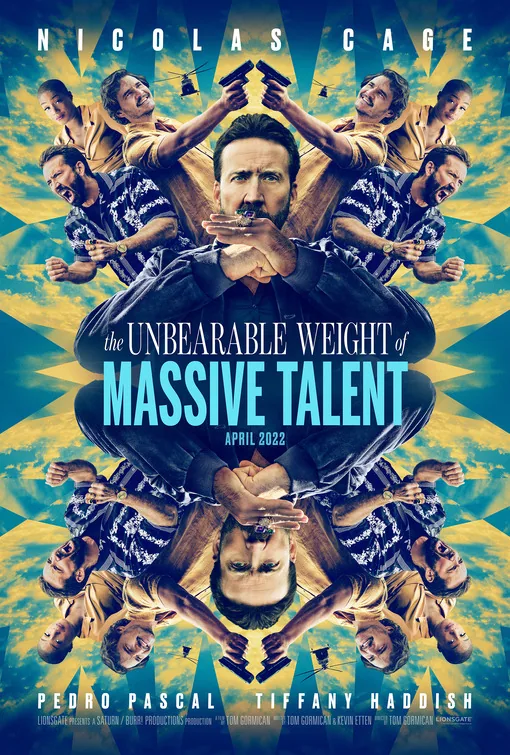
What changes The Disaster Artist: production setbacks and making-of progression. The Unbearable Weight of Massive Talent: a comic setup develops into a caper with emotional stakes.
Actor Nick Cage accepts a paid appearance at a billionaire fan’s birthday while facing career disappointment and distance from his daughter. His meeting with Javi becomes a friendship complicated by suspicion from intelligence agents, while an imagined younger self comments on his choices. The action comedy mixes self-parody with a sincere story about family repair and the difference between performing a persona and showing up for someone.
Both share themes of friendship, plus an awkward and melancholic atmosphere.
Why this matches +
Genres: Comedy / Drama
Shared film traits
Based on recorded story, mood and style. Your preferences can change the order.
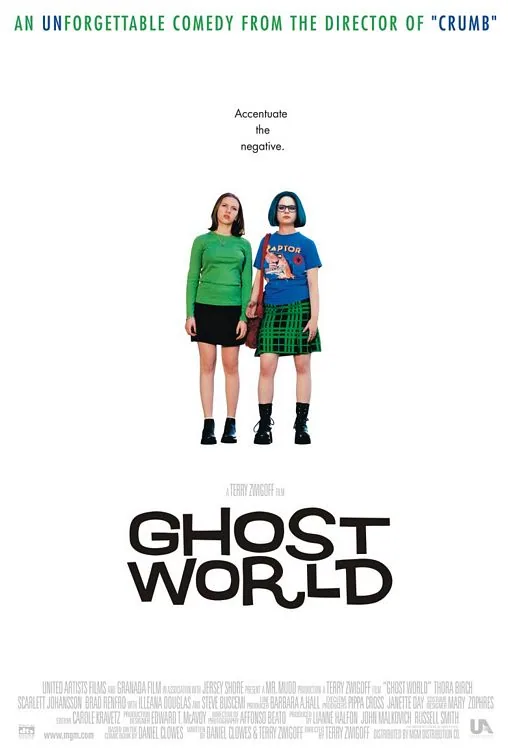
What changes The Disaster Artist: production setbacks and making-of progression. Ghost World: loose and observational.
After high school, Enid and Rebecca confront an uncertain adulthood in a town where their ironic distance from ordinary life is both shield and habit. When Enid befriends Seymour, an older record collector who shares her outsider instincts, the friendship complicates the girls’ plans and exposes their different needs. The comedy observes drift, taste and loneliness without turning growing up into a neat lesson.
Based on recorded story, mood and style. Your preferences can change the order.
Music and performance
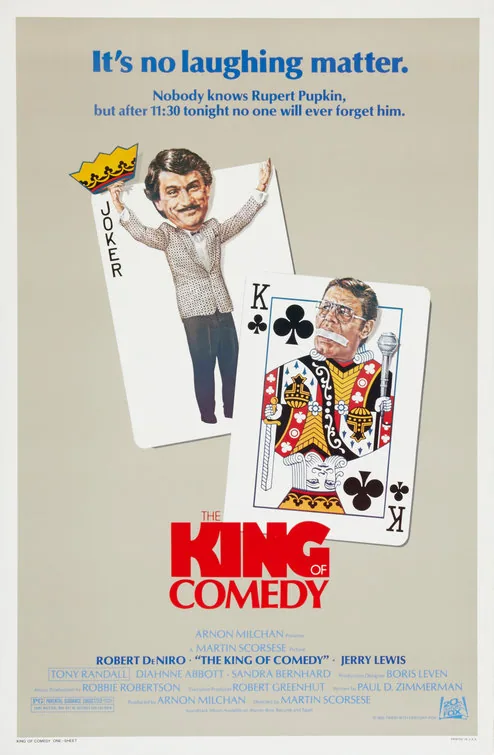
What changes The Disaster Artist: production setbacks and making-of progression. The King of Comedy: rejection loop and sudden coercive escalation.
Aspiring comedian Rupert Pupkin becomes fixated on successful talk-show host Jerry Langford after a brief encounter. Rupert treats the meeting as the start of a friendship even as Langford’s staff reject his repeated requests for a performance slot. When ordinary persistence fails, Rupert and fellow stalker Masha kidnap Langford and demand that the network broadcast Rupert’s stand-up routine. The hostage plan gives Rupert the audience he has spent the film imagining, but its cost and aftermath remain troubling. Martin Scorsese’s film follows the gap between Rupert’s fantasy of celebrity and the actual isolation of a person who mistakes access to a famous stranger for intimacy.
Based on recorded story, mood and style. Your preferences can change the order.
Music and performance
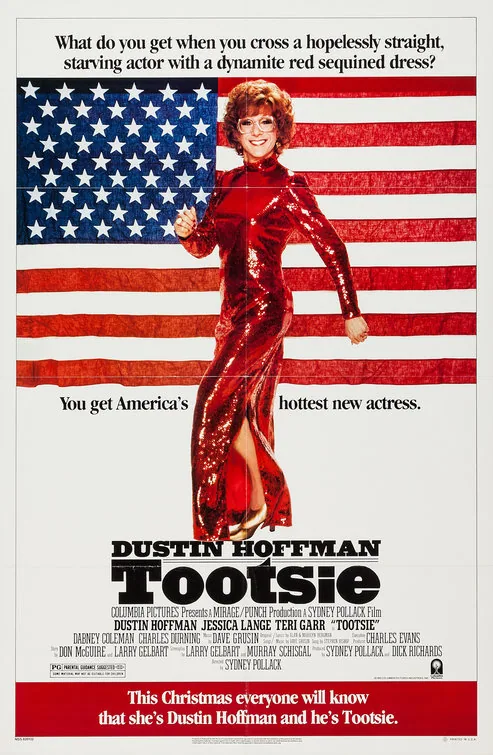
What changes The Disaster Artist: production setbacks and making-of progression. Tootsie: brisk and performance-led.
Out-of-work New York actor Michael Dorsey is talented but so difficult to direct that he cannot find steady work. To help his friend Sandy audition, he disguises himself as a woman and lands a role on a television soap opera as Dorothy Michaels. The success gives Michael a new career and brings him closer to co-star Julie Nichols, but maintaining the disguise becomes increasingly complicated as he forms real friendships at work and Julie’s father falls for Dorothy. The comedy hinges on performance and deception, while Julie’s professional and personal choices remain central to the story. Michael’s work as Dorothy forces him to listen differently to coworkers but does not excuse the deception in his personal relationships.
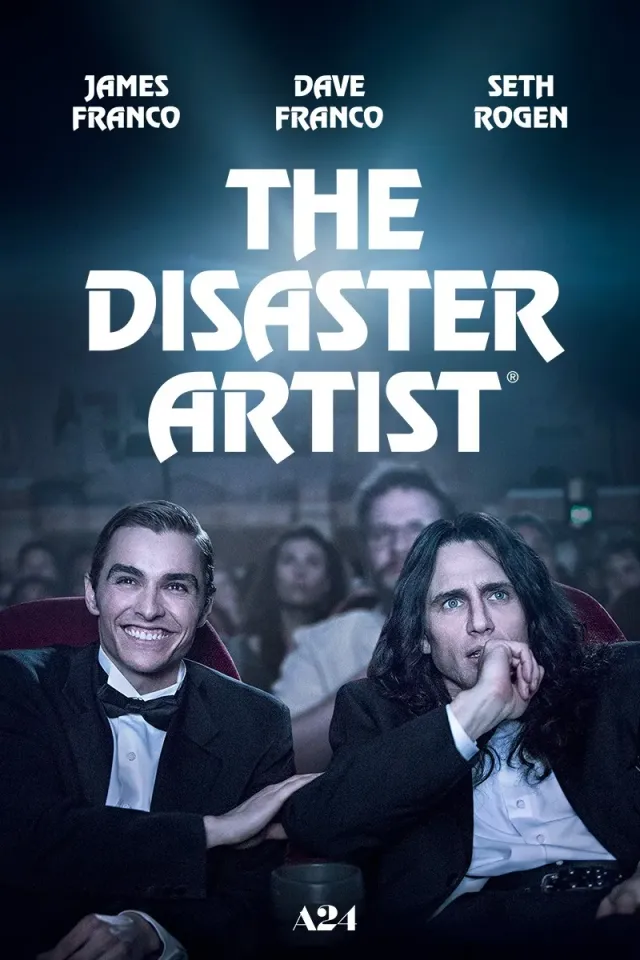
Aspiring actor Greg Sestero meets the enigmatic Tommy Wiseau in an acting class, and the two move to Los Angeles hoping to break into films. Greg finds an agent and starts getting auditions; Tommy meets repeated rejection and becomes increasingly jealous as Greg’s career advances. Unable to accept that studios will not cast him, Tommy decides to write, finance and star in his own movie, The Room. The production becomes an exhausting collision between his grand ambitions and the cast and crew’s confusion over his direction. Greg is pulled between loyalty to his friend and the possibility of a more conventional career. The film looks back at the making of a famously baffling production through the friendship that enabled it.
What drives the story
Tommy’s refusal to wait for permission drives the plot: when conventional doors stay closed, he creates a production that tests whether Greg’s friendship can survive the process.
The people at its centre
Greg admires Tommy’s fearlessness but also needs independence and professional stability. Tommy’s secrecy and need for control make support feel like a test of allegiance.
What it feels like
A behind-the-scenes comedy that recreates scenes from The Room while using the messy production itself for awkward humor and a more sympathetic portrait of its maker.
Worth knowing
A fit for affectionate show-business comedies about creative obsession and unlikely friendship; the real people and production are dramatized, not presented as documentary fact.
Creative ambitionFriendshipRecognition
Mood
Awkward · Warm · Melancholic
Pacing
Production setbacks · Making-of progression
Visual style
Recreated film sets · Comic reenactment
Storytelling
Independent film production · Unconventional auteur · Cult-film origin