Explore films connected to Me & Earl & the Dying Girl through Friendship, Illness, Adolescence. Choose the qualities you want to carry into your next watch.
What should feel similar?
Find your next favourite
9 films · Closest overall matches
Hide films you’ve seen or don’t want. Saved on this device.
No matches for this combination yet.
Try another option or reset your choices to see more films.
Both share themes of friendship, plus a wry and tender atmosphere.
Why this matches +
Genres: Drama / Comedy
Shared film traits
Based on recorded story, mood and style. Your preferences can change the order.
What changes Me & Earl & the Dying Girl: uneven comic episodes gradually become more emotionally direct. The Barbarian Invasions: conversation-led and measured.
A Montreal professor nearing death is reunited with his estranged son, who tries to make his final days more comfortable and reconnects him with old friends and former lovers. Their visits expose differences in politics, values and memory, but also leave room for humor and reconciliation. The film treats mortality through conversation, friendship and the imperfect work of repairing a relationship before time runs out.
Both share themes of grief, plus a wry and bittersweet atmosphere.
Why this matches +
Genres: Comedy / Drama
Shared film traits
Based on recorded story, mood and style. Your preferences can change the order.
Coming of age
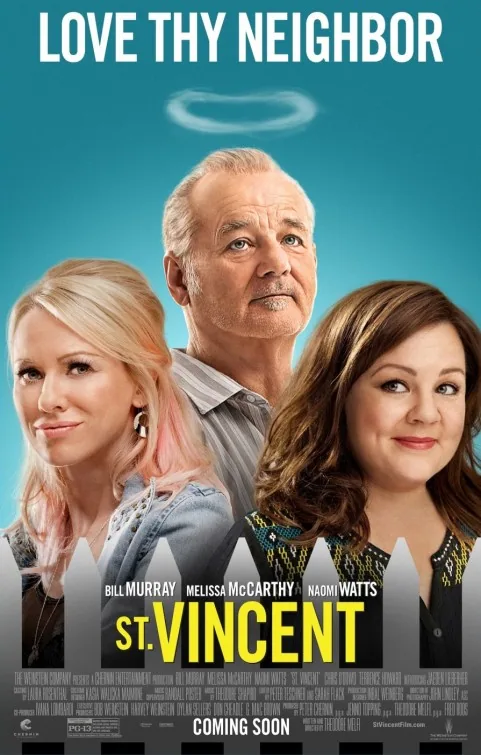
What changes Me & Earl & the Dying Girl: uneven comic episodes gradually become more emotionally direct. St. Vincent: measured character comedy with emotional turns.
A lonely boy forms an unexpected bond with his elderly neighbor, a hard-drinking man whose rough manners conceal grief, debt and a complicated past. What begins as an after-school arrangement becomes a mentorship that changes how both see their lives. The comedy balances abrasive humor with tenderness, asking whether care can come from people who do not fit an idealized image of a role model.
Based on recorded story, mood and style. Your preferences can change the order.
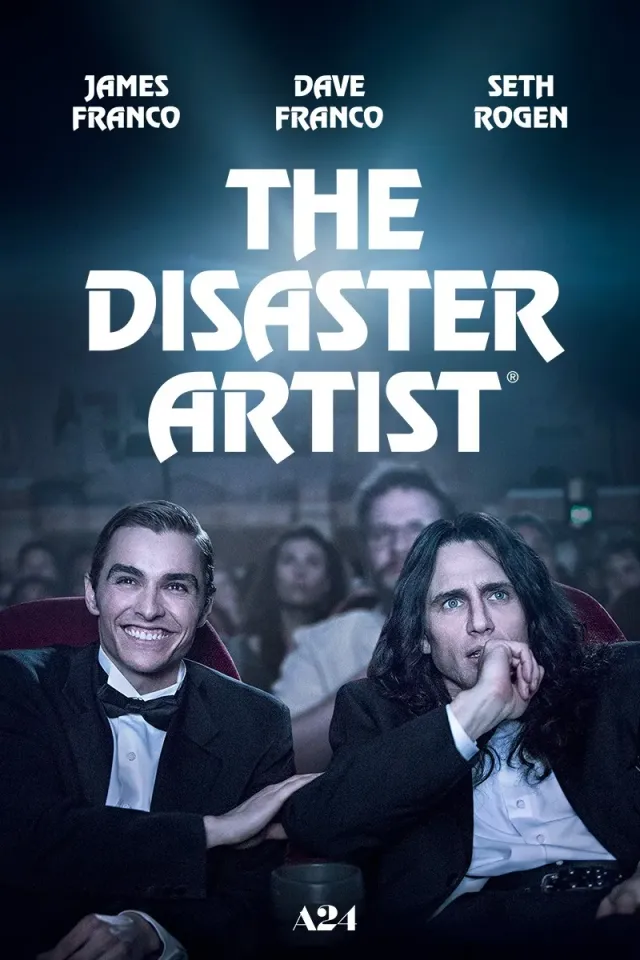
What changes Me & Earl & the Dying Girl: uneven comic episodes gradually become more emotionally direct. The Disaster Artist: production setbacks and making-of progression.
Aspiring actor Greg Sestero meets the enigmatic Tommy Wiseau in an acting class, and the two move to Los Angeles hoping to break into films. Greg finds an agent and starts getting auditions; Tommy meets repeated rejection and becomes increasingly jealous as Greg’s career advances. Unable to accept that studios will not cast him, Tommy decides to write, finance and star in his own movie, The Room. The production becomes an exhausting collision between his grand ambitions and the cast and crew’s confusion over his direction. Greg is pulled between loyalty to his friend and the possibility of a more conventional career. The film looks back at the making of a famously baffling production through the friendship that enabled it.
Both share themes of illness and friendship, plus a tender atmosphere.
Why this matches +
Genres: Comedy / Drama
Shared film traits
Based on recorded story, mood and style. Your preferences can change the order.
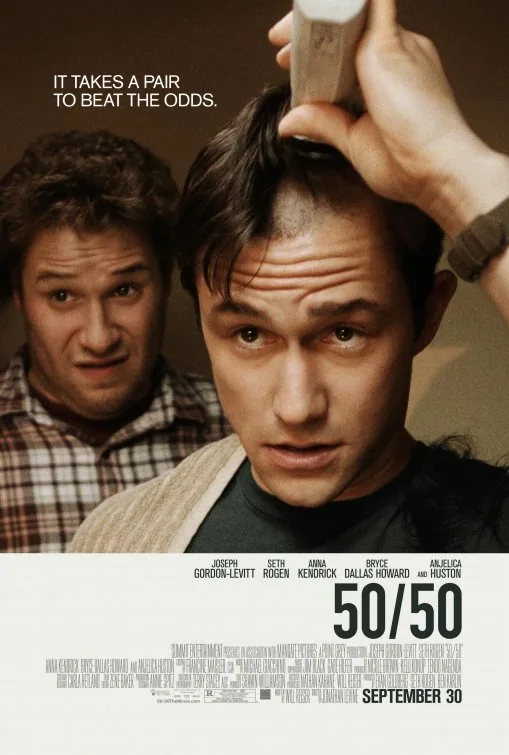
What changes Me & Earl & the Dying Girl: uneven comic episodes gradually become more emotionally direct. 50/50: reflective and alternating.
Seattle radio journalist Adam Lerner learns that a rare tumor gives him an uncertain chance of survival. As he begins treatment, his best friend Kyle tries to keep him laughing, his girlfriend struggles to respond, and a young therapist helps him speak more honestly about fear. Jonathan Levine's comedy-drama balances irreverent friendship with the routines and anxieties of cancer care without treating the illness as a simple inspirational lesson.
Both share themes of illness and friendship, plus a bittersweet atmosphere.
Why this matches +
Genres: Comedy / Drama
Shared film traits
Based on recorded story, mood and style. Your preferences can change the order.
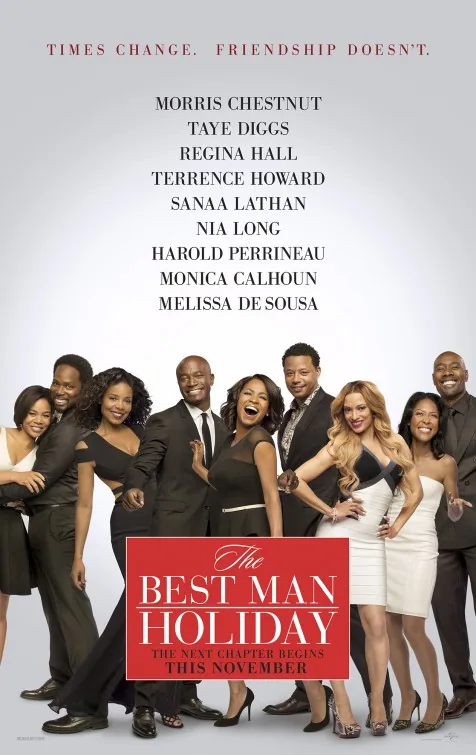
What changes Me & Earl & the Dying Girl: uneven comic episodes gradually become more emotionally direct. The Best Man Holiday: ensemble build toward emotional reckoning.
A circle of college friends reunites at Lance and Mia’s home for Christmas after years of changing careers, marriages and loyalties. Harper arrives with an unfinished book that would expose Lance’s private history, while the group also faces news that changes the meaning of their celebration. The ensemble drama balances teasing and old rivalries with illness, friendship and the difficult work of showing up for one another.
Both share themes of friendship, plus a wry and tender atmosphere.
Why this matches +
Genres: Drama / Comedy
Shared film traits
Based on recorded story, mood and style. Your preferences can change the order.
Coming of age
What changes Me & Earl & the Dying Girl: uneven comic episodes gradually become more emotionally direct. The Edge of Seventeen: school-day episodes and emotional repair.
Seventeen-year-old Nadine Franklin already feels out of step with school and family when her closest friend Krista begins dating her popular older brother Darian. Nadine reads the change as a betrayal and withdraws from both of them. She turns to history teacher Mr. Bruner, whose dry humor gives her a reluctant listener, while a new classmate, Erwin, shows interest that she is too self-conscious to recognize. Nadine’s blunt outbursts make ordinary teenage humiliations feel catastrophic, and her mother’s attempts to help often deepen the conflict. As the friendship and family tensions expose her own part in them, Nadine has to risk being honest rather than insisting everyone else is the problem.
Both share themes of grief, plus a wry atmosphere.
Why this matches +
Genres: Comedy / Drama
Shared film traits
Based on recorded story, mood and style. Your preferences can change the order.
Coming of age
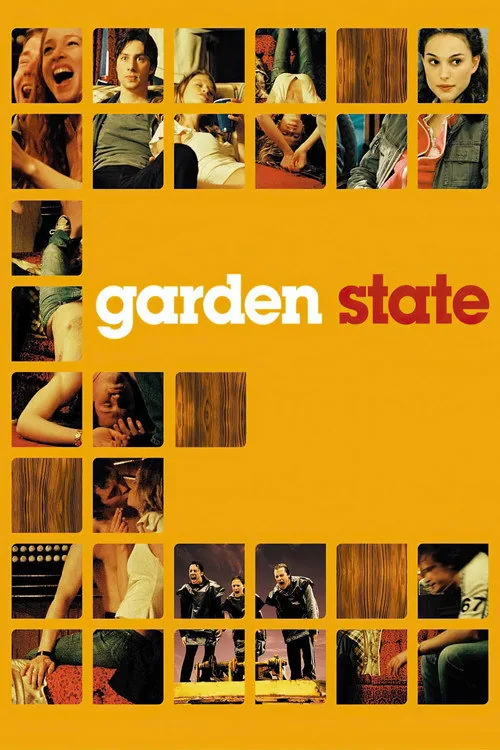
What changes Me & Earl & the Dying Girl: uneven comic episodes gradually become more emotionally direct. Garden State: loose episodic drift toward personal choice.
Actor Andrew Largeman returns from Los Angeles to New Jersey after his mother’s death and finds that home has preserved friendships and family tensions he had left behind. A doctor’s appointment brings him into contact with Sam, whose impulsive honesty contrasts with his detached habits. Reconnecting with old friends and confronting his psychiatrist father forces Andrew to consider how grief, medication, and long-standing emotional distance have shaped his adult life.
Based on recorded story, mood and style. Your preferences can change the order.
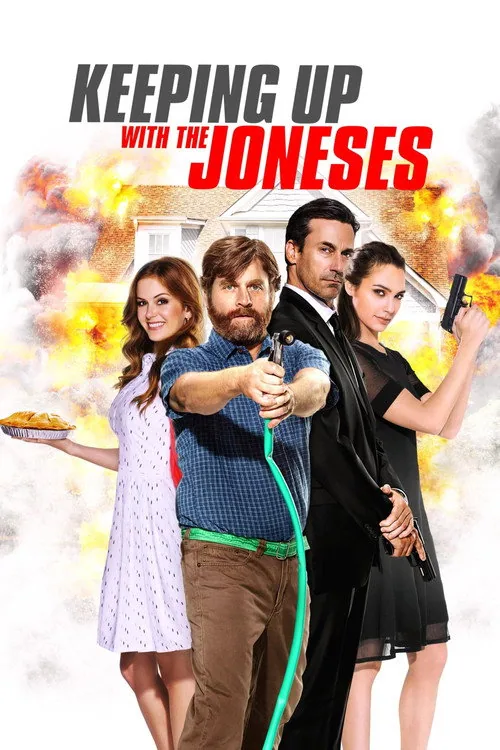
What changes Me & Earl & the Dying Girl: uneven comic episodes gradually become more emotionally direct. Keeping Up with the Joneses: comedy setup, spy-action escalation and couple teamwork payoff.
Suburban couple Jeff and Karen Gaffney become curious about their new neighbors, Tim and Natalie Jones, whose sophistication and apparent perfection unsettle the neighborhood. They discover that the couple are undercover agents and are pulled into an international espionage plot that quickly exceeds their ordinary experience. Greg Mottola’s action comedy plays on suburban envy and mismatched couples, pairing a cautious family man and his resourceful wife with neighbors whose glamorous lives conceal danger.
Both share serious illness, plus a wry and tender atmosphere.
Why this matches +
Genres: Drama / Comedy
Shared film traits
Based on recorded story, mood and style. Your preferences can change the order.
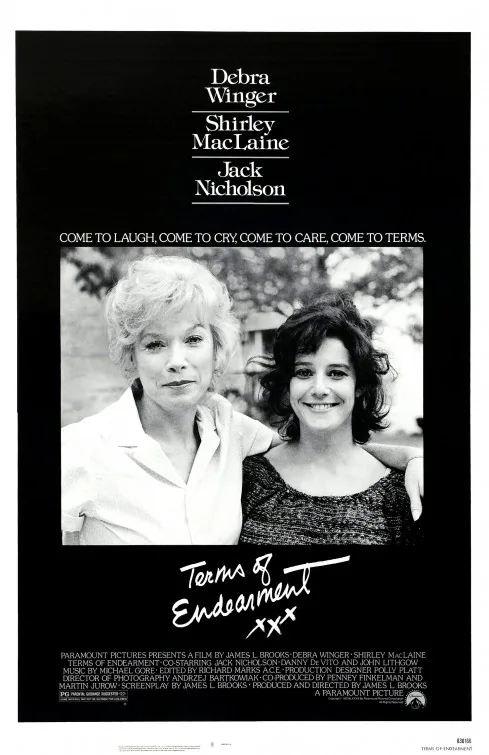
What changes Me & Earl & the Dying Girl: uneven comic episodes gradually become more emotionally direct. Terms of Endearment: years-spanning relationship drama and emotional turn.
Aurora Greenway's close relationship with her daughter Emma is affectionate but controlling, and the two remain entangled after Emma marries college professor Flap Horton. Emma builds a family in Iowa while Aurora begins a romance with retired astronaut Garrett Breedlove. Financial strain and marital suspicion complicate Emma's life, then a cancer diagnosis forces mother and daughter to reconsider what their arguments have concealed. Their conversations, partners and children bring the two generations together as Emma's illness changes the family's priorities and leaves Aurora with an unexpected responsibility.
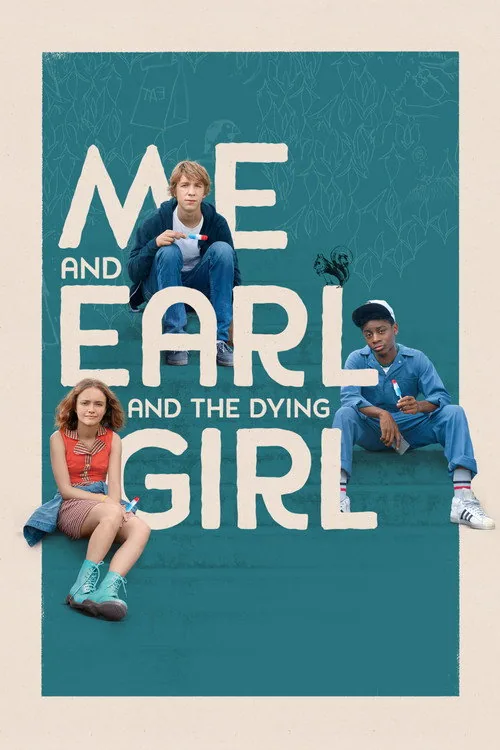
High-school senior Greg Gaines keeps most people at a distance and calls Earl, his longtime friend and filmmaking partner, a coworker. His mother presses him to reconnect with Rachel, a former classmate diagnosed with leukemia; as their awkward friendship grows, Greg and Earl try to make a film for her. The coming-of-age comedy-drama treats homemade movies as a way to approach a subject Greg cannot control, while friendship and grief challenge his habit of remaining detached.
What drives the story
Greg’s effort to befriend Rachel grows into a collaborative film project that exposes the limits of keeping everyone at arm’s length.
The people at its centre
Greg hides behind irony, while Earl’s more direct loyalty and Rachel’s clear-eyed humor make their friendship harder to treat casually.
What it feels like
The film balances playful film parodies with terminal illness and grief, including emotionally difficult hospital scenes.
Worth knowing
It is a teen friendship drama about illness and creative effort, not a broad comedy built around its provocative title.
FriendshipIllnessAdolescence
Mood
Wry · Tender · Bittersweet
Pacing
Uneven comic episodes gradually become more emotionally direct
Visual style
Handmade film references · Expressive color · Suburban school settings
Storytelling
Homemade movie parodies · Teen friendship · Serious illness