Both share old friendships, plus themes of family.
Why this matches +
Genres: Drama / Comedy
Shared film traits
Based on recorded story, mood and style. Your preferences can change the order.
Memory and identity
What changes Garden State: loose episodic drift toward personal choice. The Barbarian Invasions: conversation-led and measured.
A Montreal professor nearing death is reunited with his estranged son, who tries to make his final days more comfortable and reconnects him with old friends and former lovers. Their visits expose differences in politics, values and memory, but also leave room for humor and reconciliation. The film treats mortality through conversation, friendship and the imperfect work of repairing a relationship before time runs out.
Both share themes of grief, plus a wry and hopeful atmosphere.
Why this matches +
Genres: Comedy / Drama
Shared film traits
Based on recorded story, mood and style. Your preferences can change the order.
Coming of age
What changes Garden State: loose episodic drift toward personal choice. The Fundamentals of Caring: episodic, conversational and character-led.
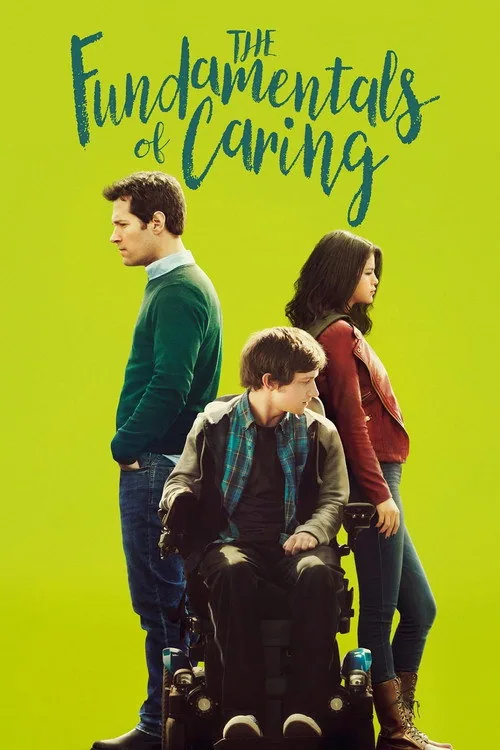
After a personal tragedy, writer Ben Benjamin trains as a caregiver and begins working for Trevor, a teenager with muscular dystrophy. Their tense early relationship changes when Ben takes Trevor on a road trip to visit unusual roadside attractions. They meet Dot, a young traveler who joins them, and the journey tests the boundaries between care, independence, and emotional honesty. Rob Burnett’s comedy-drama adapts Jonathan Evison’s novel as a road movie about grief, friendship, and the dignity of people who need support.
Based on recorded story, mood and style. Your preferences can change the order.
Coming of age · Memory and identity
What changes Garden State: loose episodic drift toward personal choice. Untamed Heart: gentle romance interrupted by danger and loss.
Caroline, a waitress in Minneapolis, begins a relationship with Adam, a shy dishwasher whose life has been shaped by an orphanage and a serious heart condition. Their affection gives both characters room to become more open, even as an attack and Adam's illness bring danger and uncertainty into their daily lives. The romance treats intimacy as an act of trust rather than a cure for hardship.
Both share themes of grief, plus a wry and melancholy atmosphere.
Why this matches +
Genres: Drama / Comedy
Shared film traits
Based on recorded story, mood and style. Your preferences can change the order.
Memory and identity
What changes Garden State: loose episodic drift toward personal choice. A Man Called Otto: measured and character-led.
After losing his wife and retiring from work, Otto tries to impose order on a neighborhood that keeps interrupting his routines. A lively family moves in nearby and repeatedly needs his help, drawing him into relationships he had decided were no longer worth the effort. The drama lets grief and irritation coexist, finding warmth in the way practical acts of care can reopen a life.
Both share themes of connection, plus a hopeful atmosphere.
Why this matches +
Genres: Comedy / Drama
Shared film traits
Based on recorded story, mood and style. Your preferences can change the order.
Coming of age
What changes Garden State: loose episodic drift toward personal choice. It's Kind of a Funny Story: a short hospital stay provides episodic encounters and gradual change.
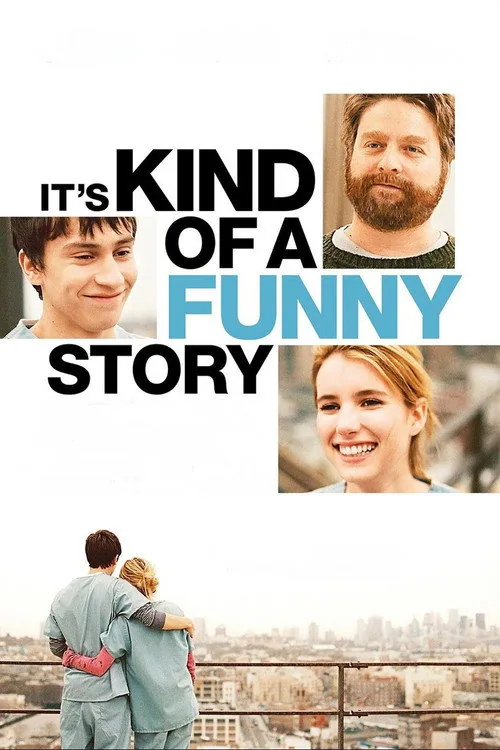
Depressed teenager Craig Gilner asks for urgent help and is admitted to an adult psychiatric ward after the adolescent unit closes temporarily. Over several days, he forms relationships with fellow patients, including Bobby, and reconnects with his interests while confronting school pressure, family expectations, and his feelings for his friend Nia. The comedy-drama treats hospitalization as a pause that makes room for honesty and connection, balancing humor with the seriousness of Craig’s crisis.
Based on recorded story, mood and style. Your preferences can change the order.
Memory and identity
What changes Garden State: loose episodic drift toward personal choice. Demolition: a series of small disruptions opens into deeper self-examination.
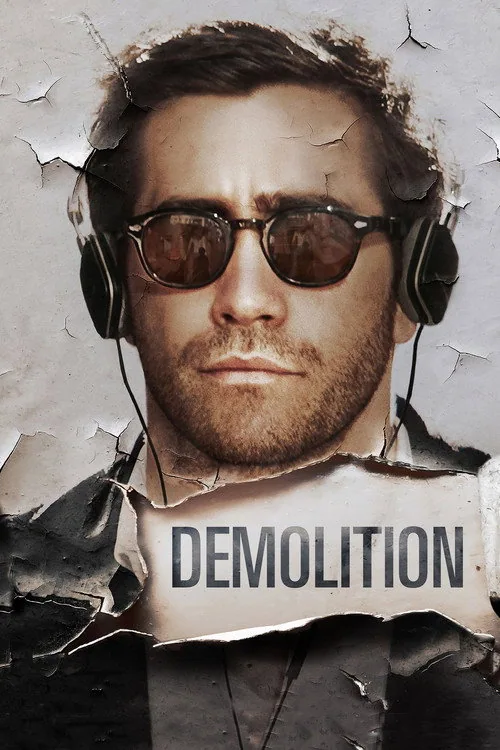
Investment banker Davis Mitchell is left emotionally disoriented after his wife dies in a car accident. His increasingly candid complaint letters to a vending-machine company attract the attention of customer-service representative Karen, and he begins taking apart objects and parts of his orderly life to understand what feels broken. Jean-Marc Vallée’s drama follows an unconventional grieving process through work, family strain, and an unexpected connection rather than presenting recovery as a quick return to normal.
Based on recorded story, mood and style. Your preferences can change the order.
Memory and identity
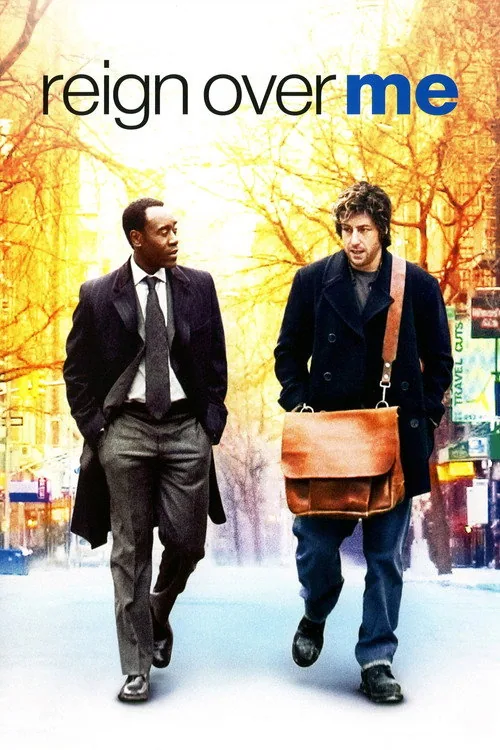
What changes Garden State: loose episodic drift toward personal choice. Reign Over Me: a dentist reconnects with a friend who has isolated himself after the death of his family..
Alan Johnson, a New York dentist with a busy family life, unexpectedly reconnects with Charlie Fineman, his former college roommate. Charlie has withdrawn from other people after losing his wife and daughters in the September 11 attacks, and he avoids discussing the loss. Alan’s attempts to rebuild their friendship bring him into contact with Charlie’s family and therapist, while also exposing his own dissatisfaction and poor communication at home. Mike Binder’s drama follows two men whose friendship develops through companionship, grief, and the difficult process of accepting help.
Both share themes of grief, plus a wry atmosphere.
Why this matches +
Genres: Comedy / Drama
Shared film traits
Based on recorded story, mood and style. Your preferences can change the order.
Coming of age
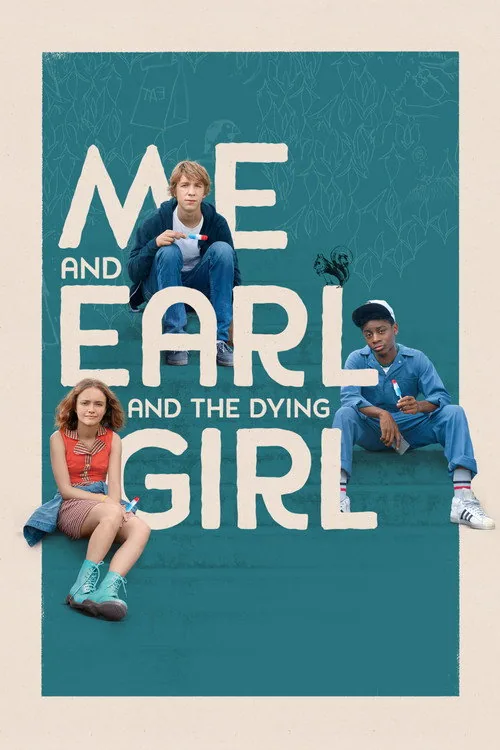
What changes Garden State: loose episodic drift toward personal choice. Me & Earl & the Dying Girl: uneven comic episodes gradually become more emotionally direct.
High-school senior Greg Gaines keeps most people at a distance and calls Earl, his longtime friend and filmmaking partner, a coworker. His mother presses him to reconnect with Rachel, a former classmate diagnosed with leukemia; as their awkward friendship grows, Greg and Earl try to make a film for her. The coming-of-age comedy-drama treats homemade movies as a way to approach a subject Greg cannot control, while friendship and grief challenge his habit of remaining detached.
Based on recorded story, mood and style. Your preferences can change the order.
Coming of age · Memory and identity
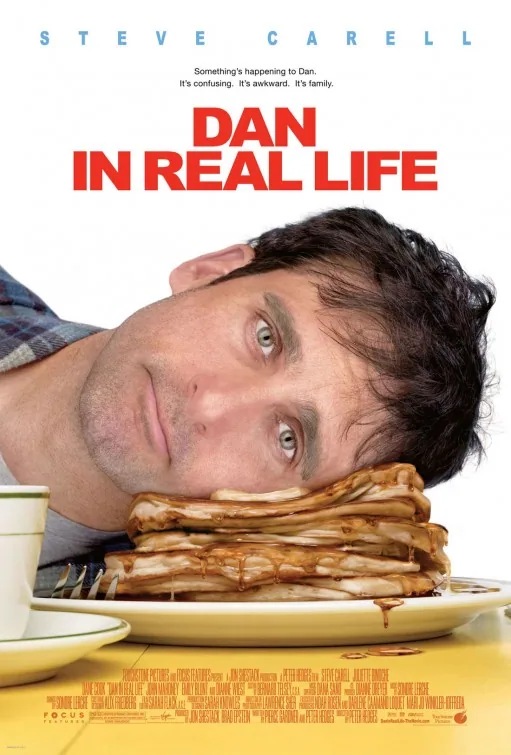
What changes Garden State: loose episodic drift toward personal choice. Dan in Real Life: conversational and episodic.
A widowed advice columnist meets a woman he likes, only to learn she is dating his brother during a family weekend. The crowded gathering forces Dan to balance his private feelings with the needs of his daughters and siblings. The dramedy finds new love difficult because it arrives within an existing network of care and grief. Naturalistic family conversations and a gently awkward tone favor emotional observation over big romantic gestures.
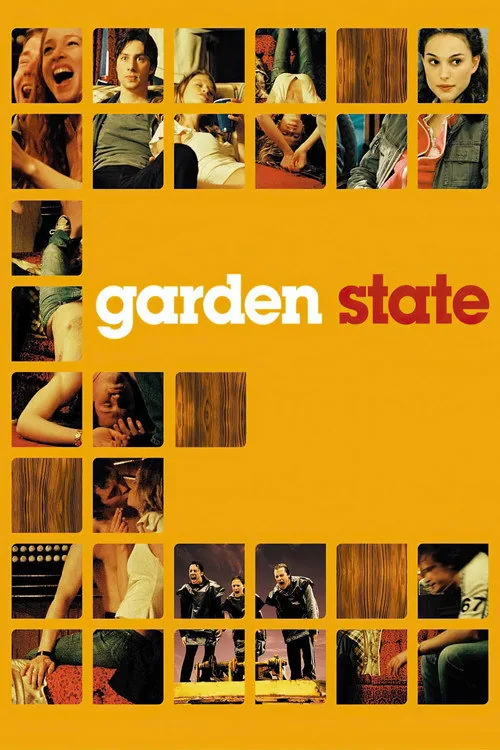
Actor Andrew Largeman returns from Los Angeles to New Jersey after his mother’s death and finds that home has preserved friendships and family tensions he had left behind. A doctor’s appointment brings him into contact with Sam, whose impulsive honesty contrasts with his detached habits. Reconnecting with old friends and confronting his psychiatrist father forces Andrew to consider how grief, medication, and long-standing emotional distance have shaped his adult life.
What drives the story
A death in the family returns Andrew to the people and routines that expose his practiced emotional detachment.
The people at its centre
Sam’s candor unsettles Andrew, while his friends and father reflect different ways of remaining tied to the past.
What it feels like
The film favors conversational encounters, awkward humor, and mood over tightly engineered plot turns.
Worth knowing
It is a modest return-home character comedy about grief and reconnection, not a high-concept romantic comedy.