Separate short films use a Paris neighborhood or encounter to explore a distinct form of love, loneliness, or recognition.
Why this matches +
These offer a related experience with a meaningful difference in story, tone, or presentation.
An adjacent discovery: a related idea with a different viewing experience.
Genres: Romance / Drama
Shared film traits
Based on recorded story, mood and style. Your preferences can change the order.
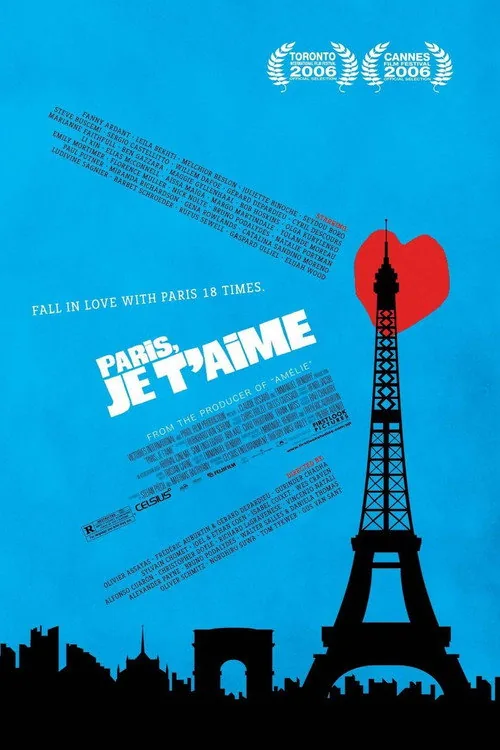
What changes An anthology uses varied visual styles and short episodes to evoke a city's people and cultural life; romantic stories in Paris.
This anthology gathers short stories set in different Paris neighborhoods, each exploring a moment of connection, loss, attraction, or misunderstanding. Twenty filmmakers use varied casts and styles to turn the city into a shared setting rather than follow one continuous protagonist. The segments range from comic encounters to intimate dramas and fantastical episodes, creating a portrait of urban life through brief meetings, strangers, couples, and people whose private experiences intersect with familiar streets and landmarks.
Three stories examine artistic dependency, childhood independence and a son's family anxiety.
Why this matches +
These offer a related experience with a meaningful difference in story, tone, or presentation.
An adjacent discovery: a related idea with a different viewing experience.
Genres: Drama / Romance
Shared film traits
Based on recorded story, mood and style. Your preferences can change the order.
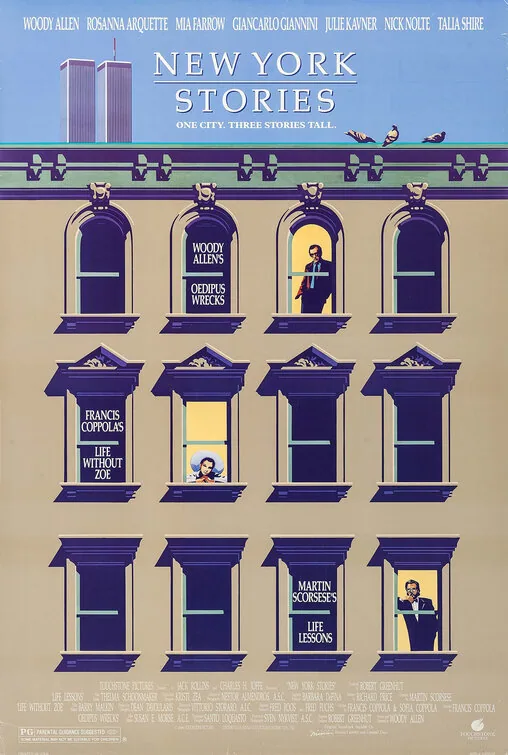
What changes Separate stories about creative lives and city culture form an anthology with distinct directorial voices; New York rather than a French newspaper.
Three New York-set short films explore adults negotiating ambition, family and desire. In Life Lessons, a painter uses a turbulent relationship as fuel for his work; Life Without Zoë centers on a wealthy child navigating her parents' separation; and Oedipus Wrecks follows a man whose overbearing mother becomes the focus of an extraordinary public episode. The anthology varies in tone while remaining rooted in urban relationships.
A studio manager contains simultaneous disruptions, with a star's kidnapping testing whether he regards the industry as empty deception or a vocation worth sustaining.
Why this matches +
These offer a related experience with a meaningful difference in story, tone, or presentation.
An adjacent discovery: a related idea with a different viewing experience.
Genres: Comedy / Drama
Shared film traits
Based on recorded story, mood and style. Your preferences can change the order.
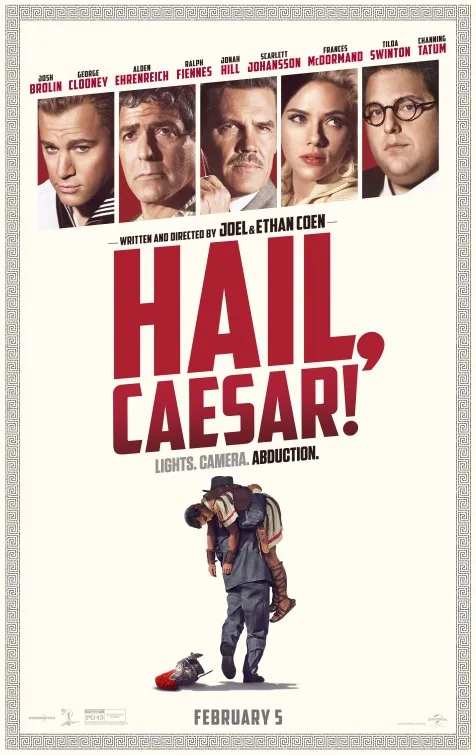
What changes A stylized ensemble celebrates the craft and eccentric personalities of an artistic institution through interlocking stories; a Hollywood studio.
A studio fixer moves among productions, scandals and performers whose public images require constant maintenance. The kidnapping of a major star adds a ransom problem to a workday already filled with miscasting, concealed pregnancy and aggressive gossip reporting. An alternative career offers escape from these recurring crises, yet the apparent disorder also reveals the collective labor behind popular illusion. The ensemble comedy treats movie-making as absurd, compromised work that can still command an unexpectedly sincere form of devotion.
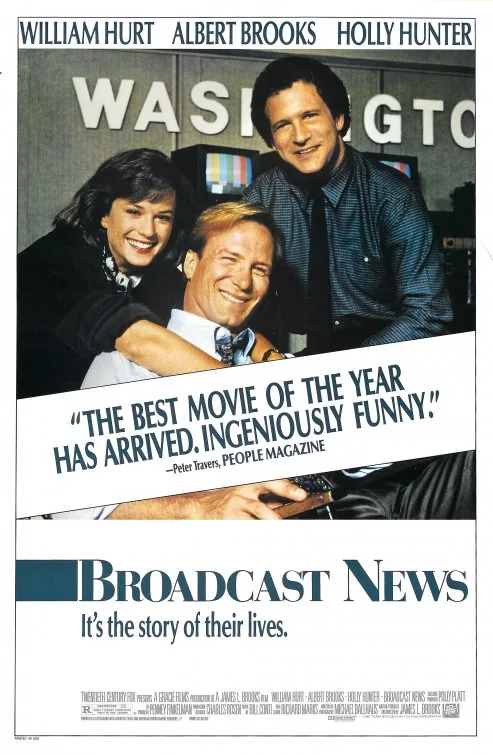
A producer navigates newsroom ambitions and a romantic triangle as television news rewards both reporting and performance.
Why this matches +
These offer a related experience with a meaningful difference in story, tone, or presentation.
An adjacent discovery: a related idea with a different viewing experience.
Genres: Comedy / Drama
Shared film traits
Based on recorded story, mood and style. Your preferences can change the order.
What changes Journalists' professional craft, editorial choices and personal relationships shape an affectionate portrait of a newsroom; a broadcast network.
At a Washington television newsroom, producer Jane Craig's commitment to serious reporting shapes her work and her complicated relationships with two colleagues. Reporter Aaron Altman is brilliant but insecure, while anchor Tom Grunick's charm and camera presence help him rise despite gaps in his journalism experience. Their professional and romantic tensions ask how truth, competence, and personality are measured within a medium built to capture attention.
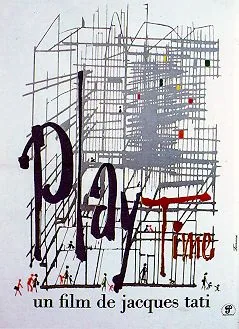
A routine visit and a group tour move through an impersonal modern city until a restaurant opening transforms formality into chaos.
Why this matches +
These offer a related experience with a meaningful difference in story, tone, or presentation.
An adjacent discovery: a related idea with a different viewing experience.
Genres: Comedy
Shared film traits
Based on recorded story, mood and style. Your preferences can change the order.
What changes An elaborate French city setting and precise visual composition turn social institutions and everyday routines into comic observation; a largely wordless modernist satire.
Monsieur Hulot arrives in a modern Paris of glass offices, airports and standardized interiors, where a routine appointment proves hard to complete. American tourist Barbara and her companions move through the same confusing spaces, observing a city shaped by consumer culture and modern design. Their paths converge at a newly opened restaurant, where an elaborate evening gradually dissolves into cheerful disorder.
Shared characteristics
Mood: Whimsical
Pacing: Episodic
Genre: Comedy
Poster: Film rights holders; original promotional poster documented by Wikipedia · Image source
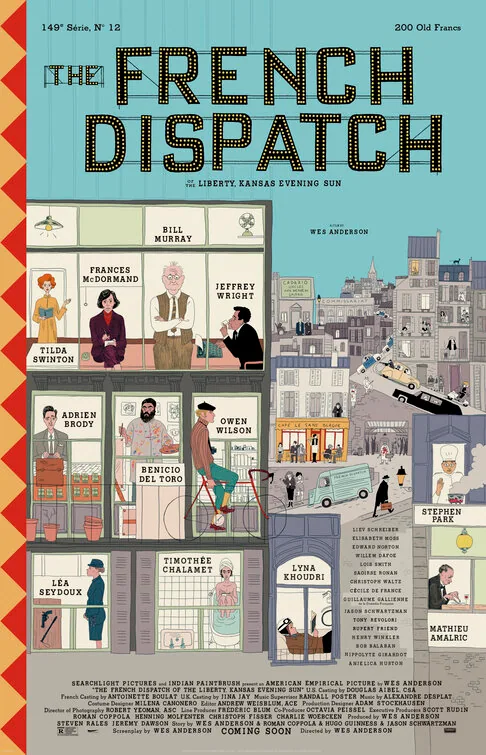
At a fictional American newspaper's French outpost, the death of its editor prompts a final issue assembled from stories written by the staff. The film moves through an art-world profile, a student revolt and a crime report, each with its own characters and visual language. Together the episodes celebrate the eccentric craft of journalism while showing how an editor's attention gives separate observations a shared home.
What drives the story
A final issue gathers three reported stories after the death of the magazine's American editor in France.
The people at its centre
The writers' distinct voices are held together by the editorial care and institutional affection they share.
What it feels like
Each segment changes its visual grammar, moving between period illustration, comedy and intimate character study.
Worth knowing
Its structure treats journalism as a collection of authored essays, not a single continuous plot.