Both share themes of work, plus a wry and reflective atmosphere.
Why this matches +
Genres: Comedy / Drama
Shared film traits
Based on recorded story, mood and style. Your preferences can change the order.
What changes Hail, Caesar!: episodic. In Good Company: measured and character-led.
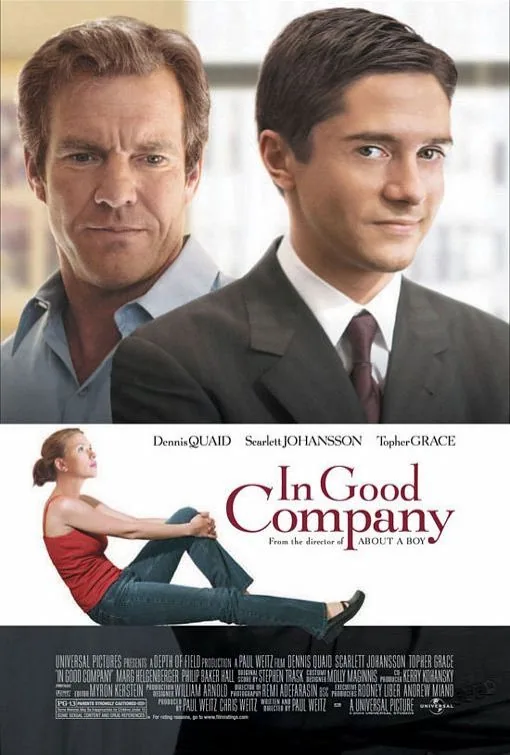
A middle-aged advertising executive discovers that his division has been taken over by a younger manager who is also dating his daughter. The new arrangement unsettles his work identity and forces the two men to navigate authority, insecurity and family boundaries. The film treats corporate restructuring as an intimate experience, finding humor in shifting roles while asking how ambition changes when professional success affects the people closest to you.
Based on recorded story, mood and style. Your preferences can change the order.
What changes Hail, Caesar!: episodic. Wolfs: two rivals hired to solve the same hotel emergency discover their clients have set them up..
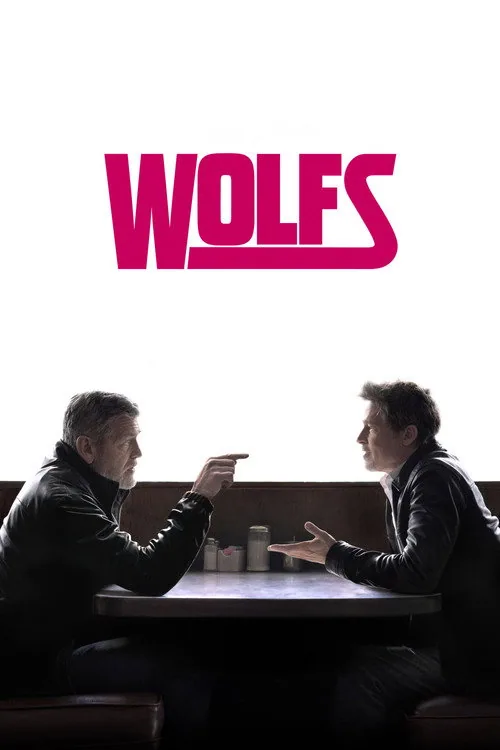
When a young man dies in Manhattan District Attorney Margaret’s hotel room, she calls a professional fixer to contain the scandal. A second fixer arrives on behalf of the hotel owner, and the two specialists are forced to coordinate despite having built their careers as lone operators. The young man turns out to be alive and carrying drugs, and the job expands into a citywide tangle involving criminal groups, competing clients, and an arranged delivery. Jon Watts’s action comedy uses the two fixers’ friction and shared expertise to build a stylish overnight crime caper.
Based on recorded story, mood and style. Your preferences can change the order.
Expect wry and reflective, with episodic and conversation-led pacing.
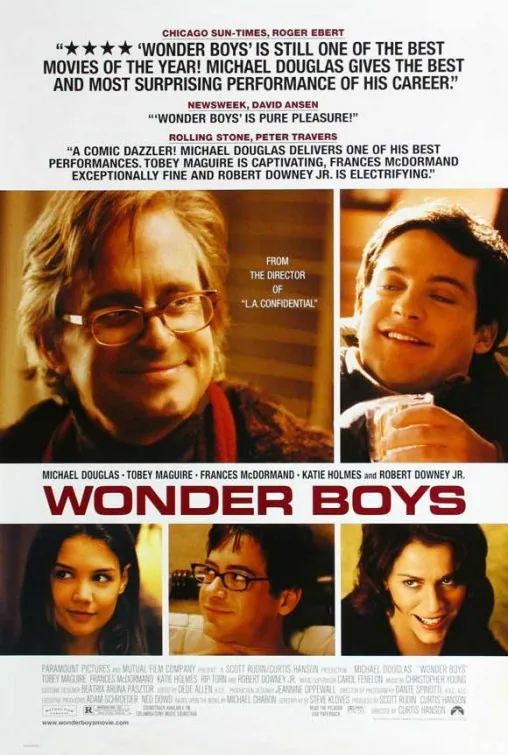
At a Pittsburgh university, a blocked novelist faces a chaotic weekend involving an ambitious student, a missing manuscript and the demands of people who expect him to keep performing success. The comedy treats stalled creativity as a problem of habits and responsibility. Its loose, conversational shape lets professional embarrassment and private affection complicate one another.
Based on recorded story, mood and style. Your preferences can change the order.
Music and performance
What changes Hail, Caesar!: episodic. Soapdish: rapid reversals and ensemble farce.
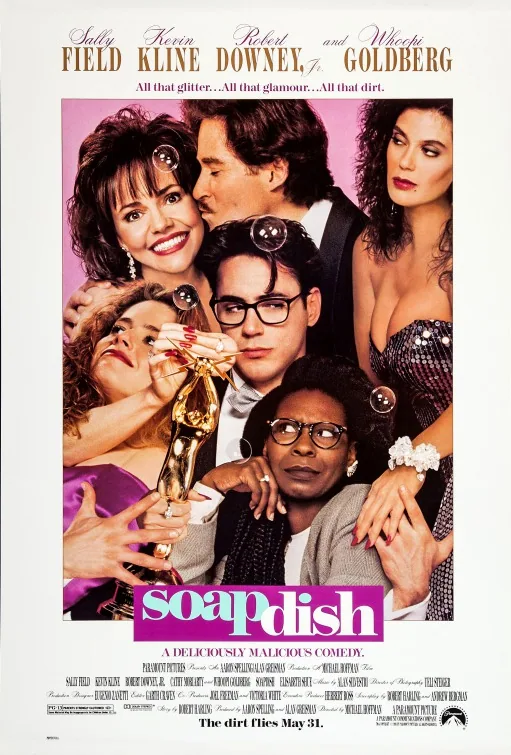
A long-running daytime serial becomes the setting for real backstage rivalries when its leading actress, a dismissed star and an ambitious producer collide. The performers' private loyalties and the show's increasingly extravagant plots begin to mirror one another. The comedy invites viewers to enjoy theatrical excess while tracking how attention, jealousy and career insecurity shape the people creating melodrama for a living.
Both share themes of work, plus a wry and reflective atmosphere.
Why this matches +
Genres: Comedy / Drama
Shared film traits
Based on recorded story, mood and style. Your preferences can change the order.
Music and performance
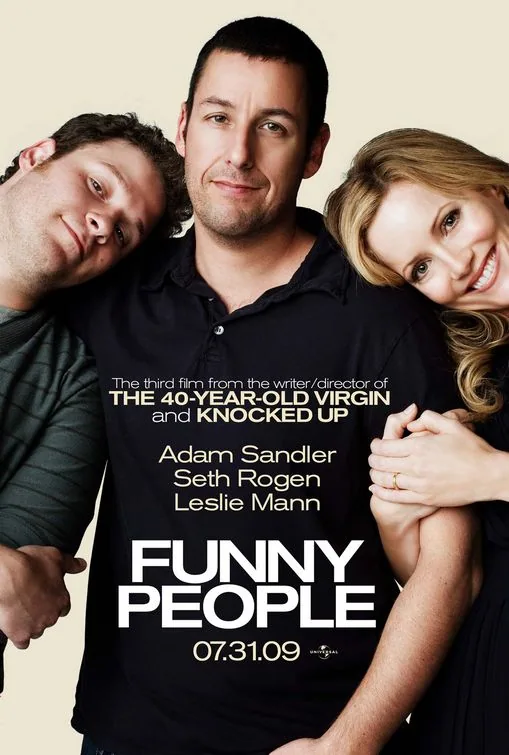
What changes Hail, Caesar!: episodic. Funny People: gradual and character-led.
A successful comedian learns that he has a serious illness and hires a younger performer to help write jokes, creating an unlikely working friendship. As treatment changes his outlook, he revisits former relationships and considers what success has cost him. The drama-comedy links performance to mortality, showing how the ability to make an audience laugh can coexist with loneliness and the need to repair personal connections.
Both share themes of public image, plus a wry atmosphere.
Why this matches +
Genres: Comedy / Romance
Shared film traits
Based on recorded story, mood and style. Your preferences can change the order.
Music and performance
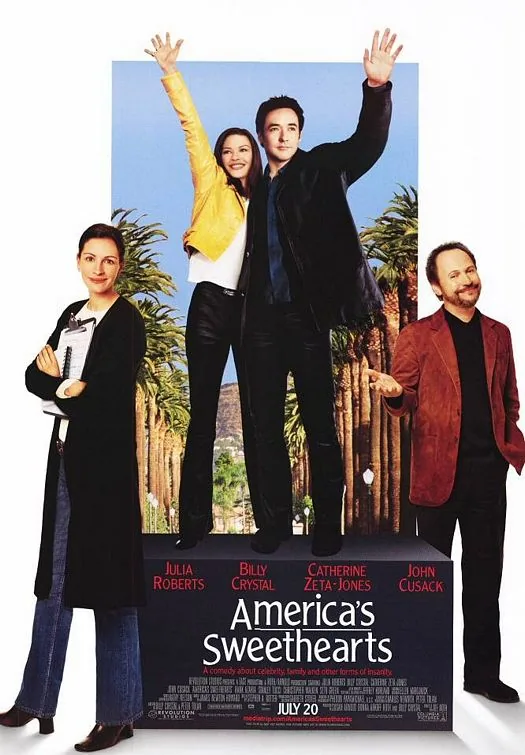
What changes Hail, Caesar!: episodic. America's Sweethearts: brisk and conversational.
When a famous Hollywood couple separate just before their latest film is due to be promoted, their studio arranges a publicity event to keep the project alive. The public performance draws in the couple’s devoted assistant and a reporter who sees the spectacle from the sidelines. The romantic comedy unfolds backstage, where celebrity image and private feeling keep colliding.
Based on recorded story, mood and style. Your preferences can change the order.
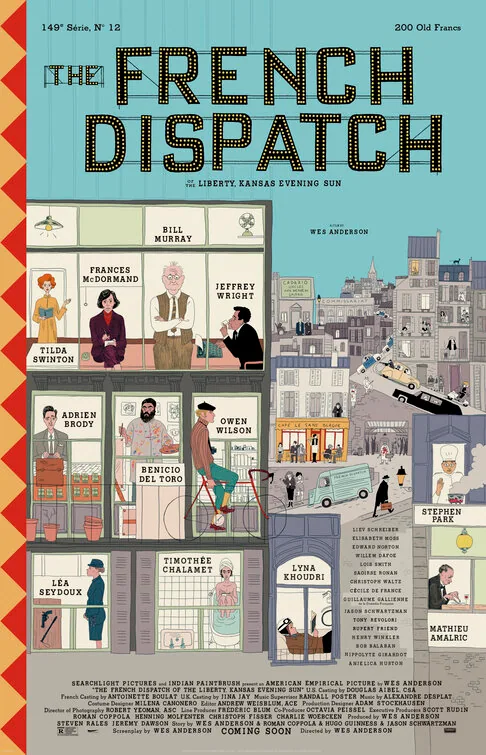
Expect wry and whimsical, with episodic and precisely composed pacing.
At a fictional American newspaper's French outpost, the death of its editor prompts a final issue assembled from stories written by the staff. The film moves through an art-world profile, a student revolt and a crime report, each with its own characters and visual language. Together the episodes celebrate the eccentric craft of journalism while showing how an editor's attention gives separate observations a shared home.
Both share themes of work, plus a reflective atmosphere.
Why this matches +
Genres: Drama / Comedy
Shared film traits
Based on recorded story, mood and style. Your preferences can change the order.
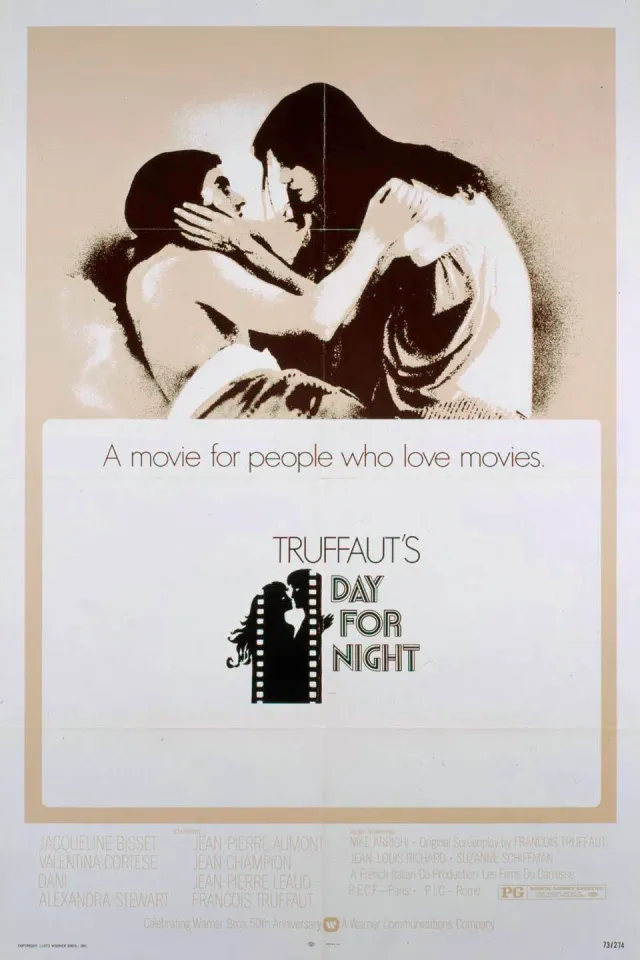
Expect warm and humorous, with episodic pacing.
A director attempts to complete a melodrama while the production's cast and crew negotiate their own affairs, disappointments and practical crises. The film being made offers a familiar romantic story, but the labor around it depends on improvisation when real attachments refuse its tidy arrangements. Keeping the work moving becomes a form of collective care as well as professional compromise, revealing how a temporary community can absorb upheaval without making it disappear. The production’s daily crises reveal filmmaking as negotiated work, with care distributed unevenly across the ensemble.
Based on recorded story, mood and style. Your preferences can change the order.
Expect wry and compassionate, with episodic and shifting tone pacing.
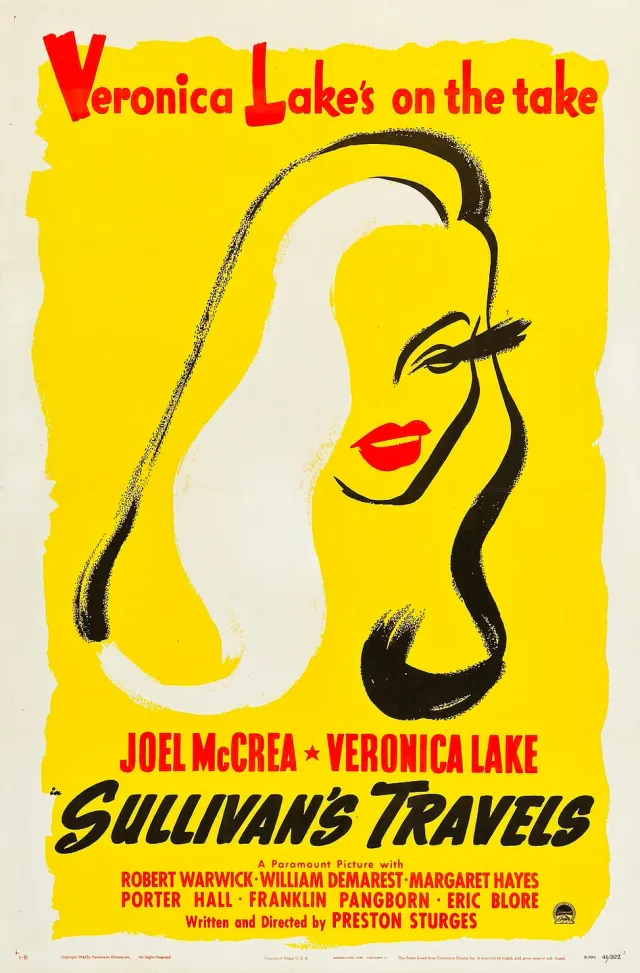
Successful Hollywood comedy director John Sullivan wants to make a serious film about hardship, but his studio doubts that he understands poverty. Disguised as a drifter, he takes to the road and meets an aspiring actress who joins him. His journey moves from staged research into genuine danger, forcing him to reconsider the people and entertainment he had underestimated.
Shared characteristics
Mood: Wry
Pacing: Episodic
Genre: Comedy
Genre: Drama
Poster: Film rights holders; original promotional poster documented by Wikipedia · Image source
A studio fixer moves among productions, scandals and performers whose public images require constant maintenance. The kidnapping of a major star adds a ransom problem to a workday already filled with miscasting, concealed pregnancy and aggressive gossip reporting. An alternative career offers escape from these recurring crises, yet the apparent disorder also reveals the collective labor behind popular illusion. The ensemble comedy treats movie-making as absurd, compromised work that can still command an unexpectedly sincere form of devotion.
What drives the story
A studio manager contains simultaneous disruptions, with a star's kidnapping testing whether he regards the industry as empty deception or a vocation worth sustaining.
The people at its centre
Mannix's responsibility to the studio collides with performers' vulnerabilities and vanities, while an underestimated Western actor proves more practically useful than prestigious appearances suggest.
What it feels like
Pastiches of musicals, biblical epics and drawing-room comedy interrupt a dryly comic backstage plot, making shifts of cinematic form part of the pleasure.
Worth knowing
The studio and crises are fictionalized; no single kidnapping mechanism captures the whole ensemble, whose central connection is work maintaining manufactured public worlds.
WorkPublic imageFaith
Mood
Wry · Playful · Reflective
Pacing
Episodic
Visual style
Genre pastiche · Classical studio spectacle
Storytelling
Studio fixer ensemble · Star kidnapping · Manufactured scandals