Explore films connected to Loving Vincent through Memory, Representation, Posthumous knowledge. Choose the qualities you want to carry into your next watch.
What should feel similar?
Find your next favourite
9 films · Closest overall matches
Hide films you’ve seen or don’t want. Saved on this device.
No matches for this combination yet.
Try another option or reset your choices to see more films.
Based on recorded story, mood and style. Your preferences can change the order.
Memory and identity
What changes Loving Vincent: measured. Anastasia: steady.
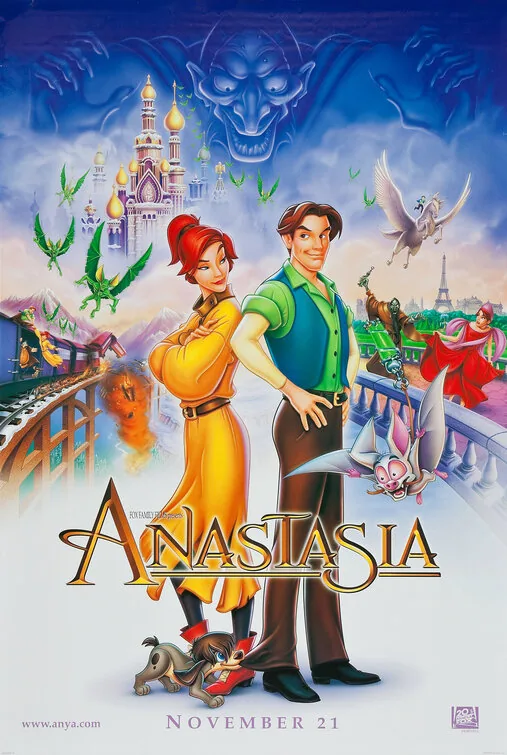
A young woman without clear memories of her childhood leaves an orphanage and encounters two men seeking someone who can impersonate a missing imperial daughter. Their planned deception begins to expose genuine connections to the past, while a supernatural enemy pursues her survival as unfinished business. Reaching Paris requires negotiating the difference between a marketable identity and an attachment that people can recognize without buying a convincing performance.
Based on recorded story, mood and style. Your preferences can change the order.
Investigation · Memory and identity
What changes Loving Vincent is tagged reflective and melancholy; Ghost in the Shell 2: Innocence is tagged contemplative and somber.
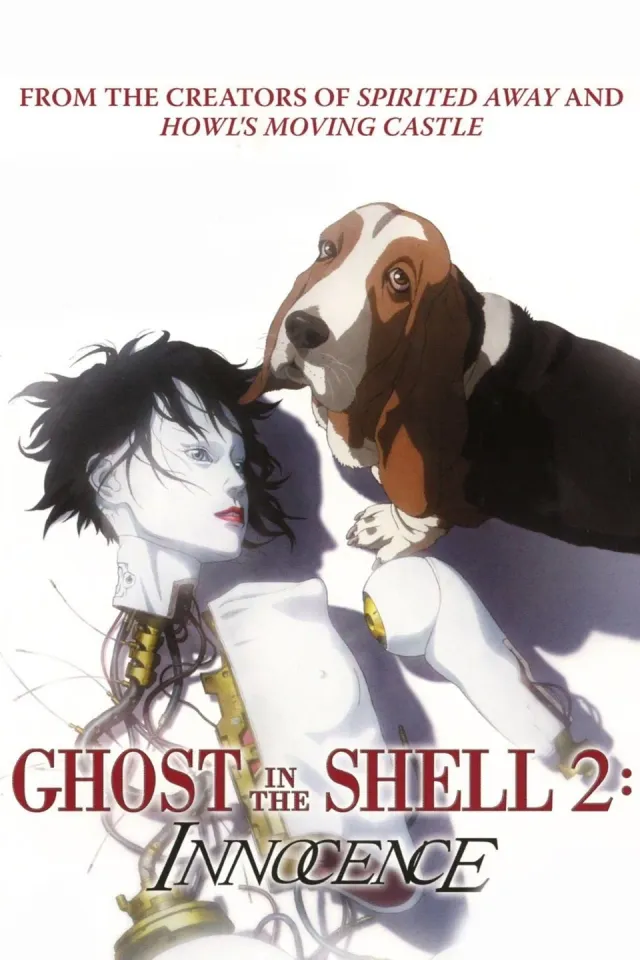
In a future where cybernetic bodies and artificial minds are commonplace, detective Batou investigates the deaths caused by malfunctioning female androids. The case draws him into questions about manufactured consciousness, exploitation and what makes a person human. Dense philosophical dialogue sits alongside striking animation and a noir investigation, creating a deliberately contemplative sequel that treats the crime as an entry point to questions of embodiment and agency.
Based on recorded story, mood and style. Your preferences can change the order.
Investigation · Memory and identity
What changes Loving Vincent: measured. Cowboy Bebop: The Movie: investigation across city districts, parallel character encounters and action-heavy final pursuit.
On Mars, a terrorist releases a deadly pathogen near the city of Alba City, and the authorities offer a large bounty for the suspect. Bounty hunters Spike Spiegel, Jet Black, Faye Valentine, and Ed pursue leads across the crowded city, encountering a mysterious pharmaceutical conspiracy and a former soldier named Vincent. Their investigation unfolds between the anime series' episodes and draws the crew into a crisis larger than a routine capture. The film expands the show's noir, jazz, and science-fiction blend into a feature-length chase.
Based on recorded story, mood and style. Your preferences can change the order.
Memory and identity
What changes Loving Vincent: measured. Waltz with Bashir: associative and revelatory.
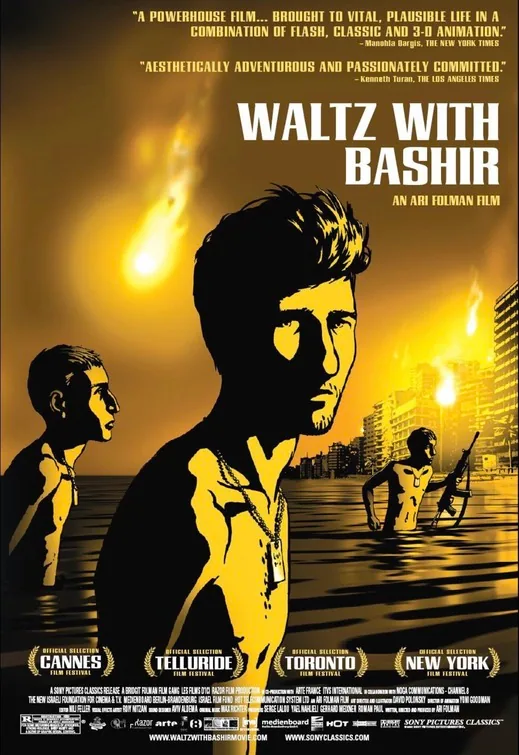
An Israeli veteran tries to recover memories of his service during the 1982 Lebanon War after a former comrade describes a recurring nightmare. Conversations with other veterans lead toward the events surrounding the Sabra and Shatila massacre and the narrator’s own missing recollections. The animated documentary combines testimony, dream imagery and uncertain memory to explore responsibility, trauma and the difficulty of witnessing violence one has helped enable.
Based on recorded story, mood and style. Your preferences can change the order.
Memory and identity
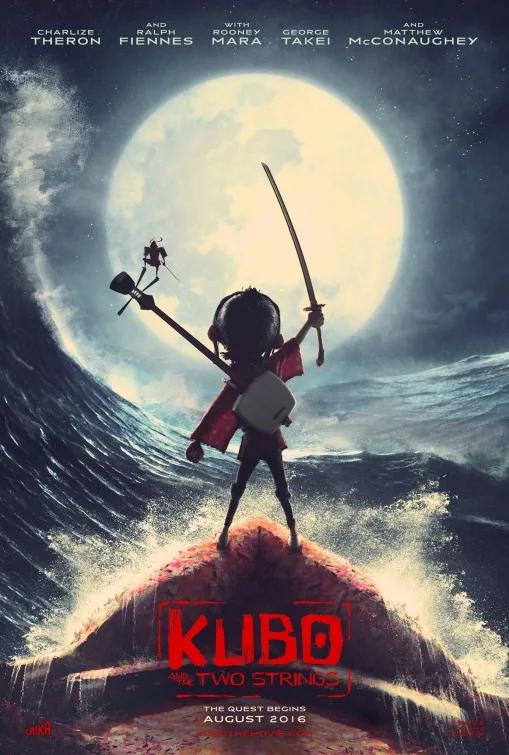
What changes Loving Vincent: measured. Kubo and the Two Strings: steady and escalating.
A boy supports his ill mother by performing stories that he cannot finish because their family history remains incomplete. Breaking a protective rule exposes him to relatives who want to remove the vulnerability they associate with human sight and grief. A search for legendary armor brings companions whose identities alter the story he thought he inherited. The stop-motion adventure makes memory a shared act rather than only recovered information, turning the apparent weapon quest toward the protection made possible by imperfect human attachment.
Based on recorded story, mood and style. Your preferences can change the order.
What changes Loving Vincent: measured. Coco: fast.
A boy whose family has prohibited music secretly hopes to become a performer and interprets a celebrated ancestor as proof that his ambition belongs somewhere. An extraordinary passage into the world of the dead lets him pursue that story through people whose memories and recognition sustain their continued existence. Finding a route home becomes inseparable from revising the family account he has inherited and deciding whether artistic aspiration requires abandoning the people who care for him.
Both share themes of memory, plus a reflective atmosphere.
Why this matches +
Genres: Animation / Drama
Shared film traits
Based on recorded story, mood and style. Your preferences can change the order.
Memory and identity
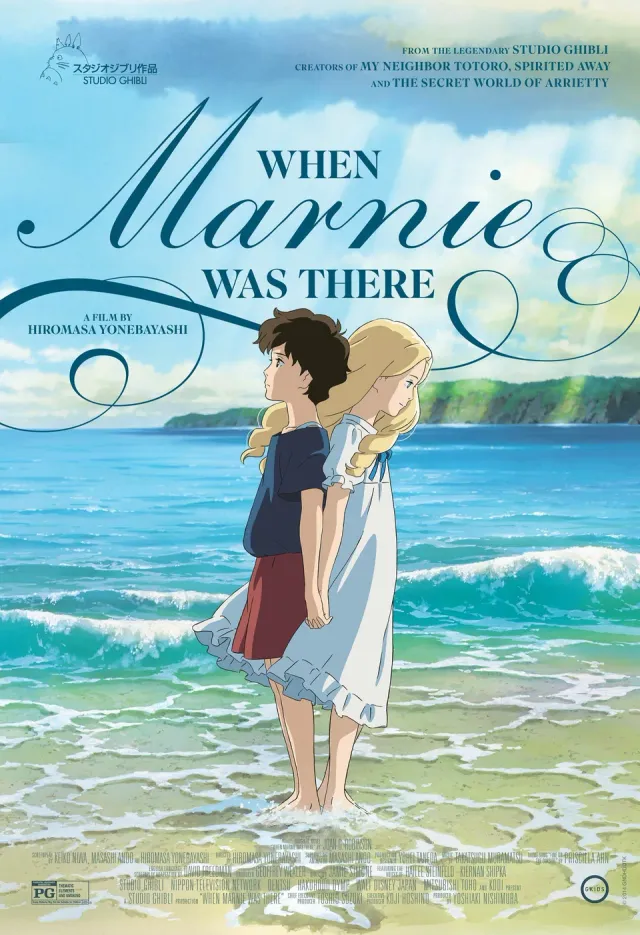
What changes Loving Vincent: measured. When Marnie Was There: unhurried and revelatory.
Sent to a seaside town for her health, Anna befriends Marnie, a girl who appears to live in an old mansion across the marsh. Their closeness helps Anna face loneliness and questions about her family, even as the boundaries between memory, history and the present become less certain. Hiromasa Yonebayashi's animated mystery gives its emotional discoveries the pace of a summer recollection.
Based on recorded story, mood and style. Your preferences can change the order.
Memory and identity
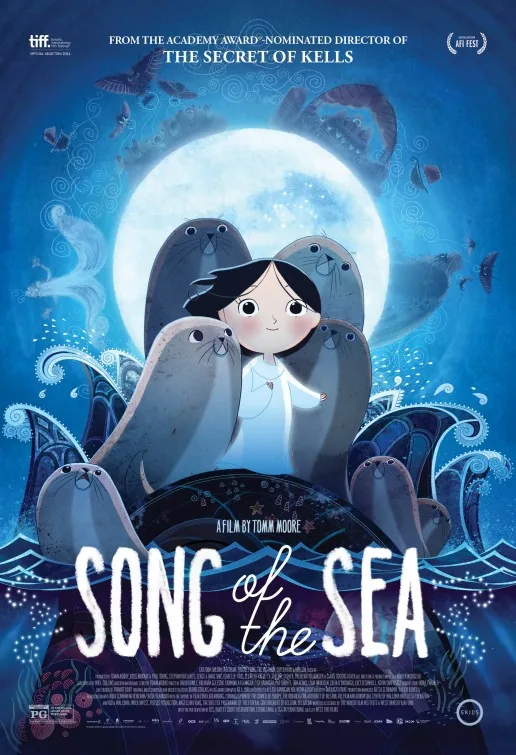
What changes Loving Vincent: measured. Song of the Sea: a sibling journey follows folklore through coastal and spirit worlds.
After their mother disappears, siblings Ben and Saoirse live with their lighthouse-keeper father and struggle to understand their family’s grief. Saoirse’s connection to the sea reveals that she is a selkie, drawing the children into a journey through Irish folklore and a world of spirits. The animated fantasy pairs Ben’s resentment with his growing care for his sister, using myth to explore memory and loss.
Based on recorded story, mood and style. Your preferences can change the order.
Investigation · Memory and identity
What changes Loving Vincent: measured. Paprika: a stolen device causes separate dreams to spill into a shared public crisis..
Psychiatrist Atsuko Chiba secretly uses the DC Mini, a device that lets her enter patients’ dreams as the detective Paprika. When prototypes are stolen and dream imagery begins spilling into the waking world, she and her colleagues trace the damage through a series of strange psychological cases. Satoshi Kon’s animated thriller treats dreams as both a clinical tool and a vulnerable shared space, cutting between identities and realities with fluid visual transformations. A detective’s recurring dream connects the technological investigation to a buried personal memory.
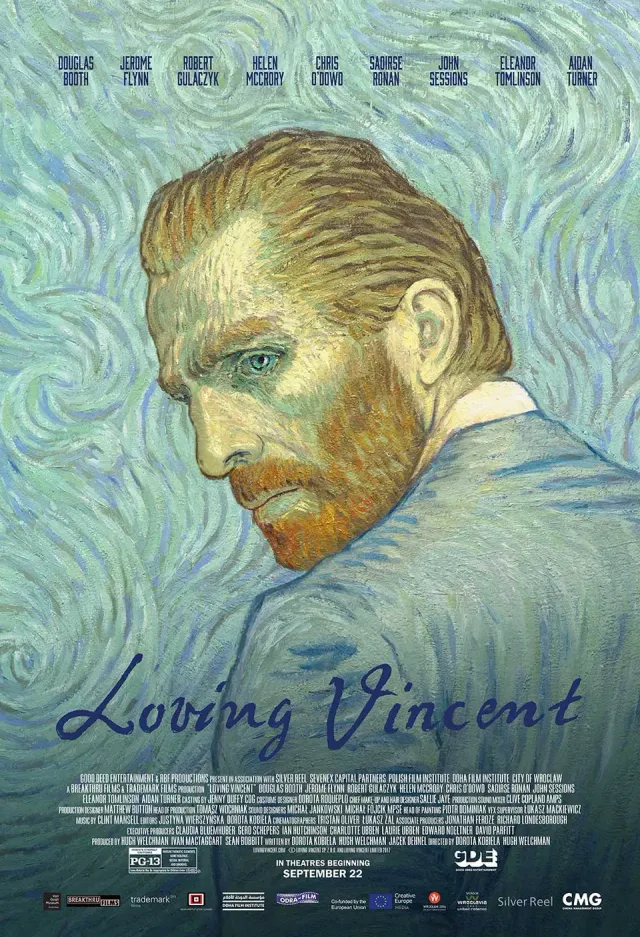
A year after Vincent van Gogh’s death, postman’s son Armand Roulin reluctantly tries to deliver a letter to the painter’s brother, Theo. In Auvers-sur-Oise, people who knew Vincent give conflicting accounts of his final days, shifting Armand’s task from delivery toward a question the film cannot conclusively answer. Every frame is rendered in oil-painted animation, and flashbacks change visual style as memories change. The technique makes reconstruction visible: viewers watch a portrait of a person built from other people’s recollections. The film entertains the possibility of murder but does not establish it as historical fact. Its emotional investigation of how Vincent was seen should remain distinct from evidence about the circumstances of his death.
What drives the story
Armand follows a chain of acquaintances to reach Theo, and each interview provides a different motive, memory or grievance rather than a reliable final statement. The mystery gradually gives way to an inquiry into the absent artist.
The people at its centre
Armand’s initial irritation shifts toward curiosity and concern, while the people he meets protect their own memories of Vincent. Theo’s absent bond with his brother supplies the letter’s purpose beyond solving a death.
What it feels like
Oil-painted animation in two visual modes gives remembered scenes a different texture from the present-day search. The moving brushwork foregrounds the artifice of reconstruction instead of pretending the past has been filmed directly.
Worth knowing
Van Gogh’s death is not resolved by the film’s competing accounts. Treat the murder possibility as a dramatic hypothesis, not a settled finding, and separate the movie’s visual invention from documentary evidence.