Adams’s account is weighed against Harris’s changing statements and the memories of people involved in the investigation.
Why this matches +
Conflicting testimony and performed identity expose the danger of accepting a plausible public account without testing how it was constructed.
Genres: Documentary / Crime
Shared film traits
Based on recorded story, mood and style. Your preferences can change the order.
Memory and identity
What changes The Imposter: missing-person history, revelation of imposture and competing accounts and unresolved questions. The Thin Blue Line: interview-driven inquiry, repeated reconstruction, accumulating contradictions and open evidentiary question.
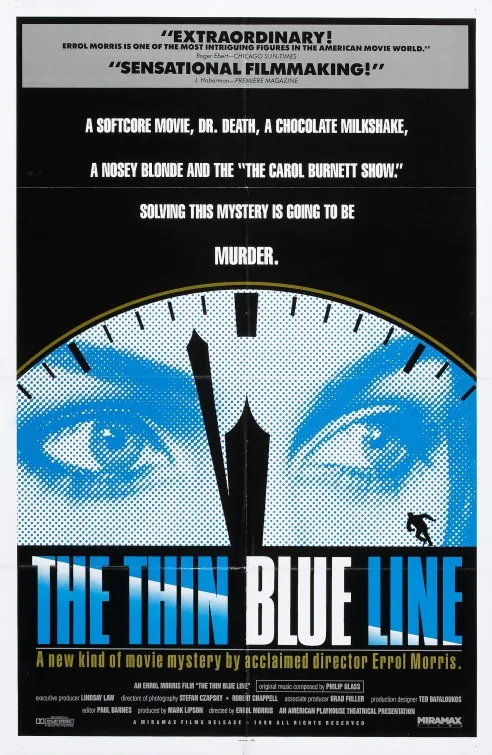
Errol Morris reexamines the 1976 murder of Dallas police officer Robert Wood and the conviction of Randall Adams, a man sentenced to death for the crime. Through interviews with Adams, David Harris, police officers, lawyers and witnesses, the documentary tests how testimony and memory shaped the case. Stylized reenactments return to key moments from different angles, exposing contradictions without presenting a conventional omniscient reconstruction. Rather than relying on a narrator to settle every uncertainty, the film makes the viewer compare claims, motives and visual evidence. Its investigation asks how an official story becomes accepted and what can happen when courts, police and witnesses fail to question it. The result is both a true-crime inquiry and a study of the power of representation in the justice system.
Guetta’s drive to film street artists becomes a story about what happens when he seeks recognition for his own work.
Why this matches +
Conflicting testimony and performed identity expose the danger of accepting a plausible public account without testing how it was constructed.
Genres: Documentary / Comedy
Shared film traits
Based on recorded story, mood and style. Your preferences can change the order.
What changes The Imposter: missing-person history, revelation of imposture and competing accounts and unresolved questions. Exit Through the Gift Shop: chronological first-person build and surprising tonal shifts.
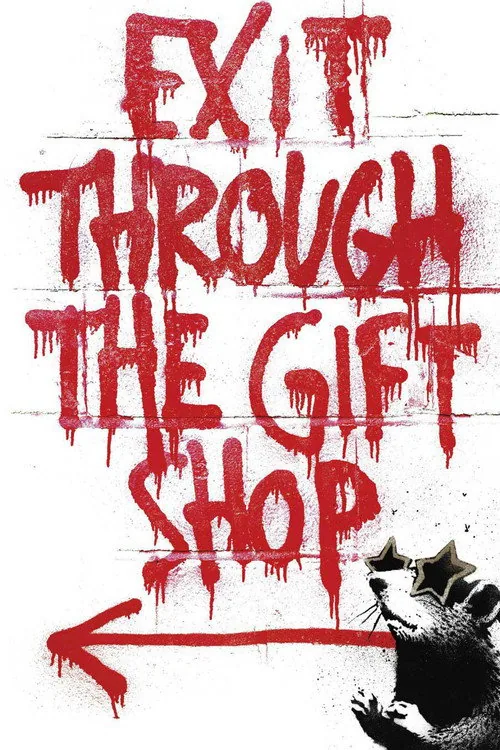
Thierry Guetta, a French shopkeeper in Los Angeles, becomes fascinated with street art and begins filming artists at work, including Shepard Fairey and the elusive Banksy. What begins as a record of graffiti culture changes direction when Guetta tries to become an artist himself and Banksy takes a more active role in shaping the footage. The film presents itself as a documentary while also inviting questions about authorship, performance, and authenticity. Its story follows both a subculture and the strange process by which images become art-world commodities.
Four students try to steal rare books after imagining a high-stakes future, and their improvised plan unravels under real pressure.
Why this matches +
Conflicting testimony and performed identity expose the danger of accepting a plausible public account without testing how it was constructed.
Genres: Crime / Drama
Shared film traits
Based on recorded story, mood and style. Your preferences can change the order.
Constructed reality
What changes The Imposter: missing-person history, revelation of imposture and competing accounts and unresolved questions. American Animals: fantasy-driven planning, aborted and renewed attempt and aftermath revisited through testimony.
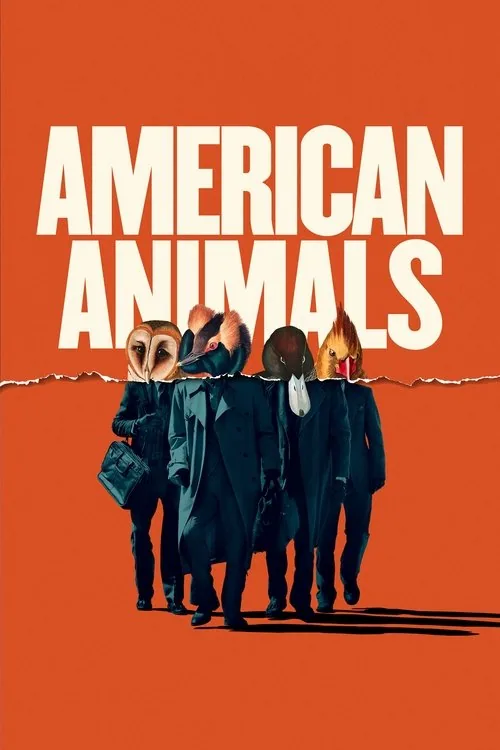
Four college students in Kentucky imagine that stealing rare books from their university library will give their ordinary lives an extraordinary story. Spencer and Warren recruit friends, research a plan, and attempt to take a valuable Audubon volume, but their confidence collapses when reality proves far less controllable than their rehearsals. The film alternates dramatized scenes with interviews from the real people involved, letting memory, self-justification, and conflicting accounts become part of the heist itself.
The women’s accounts reveal a recurring deception and lead them to coordinate efforts after recognizing the same pattern.
Why this matches +
Conflicting testimony and performed identity expose the danger of accepting a plausible public account without testing how it was constructed.
Genres: Documentary / Crime
Shared film traits
Based on recorded story, mood and style. Your preferences can change the order.
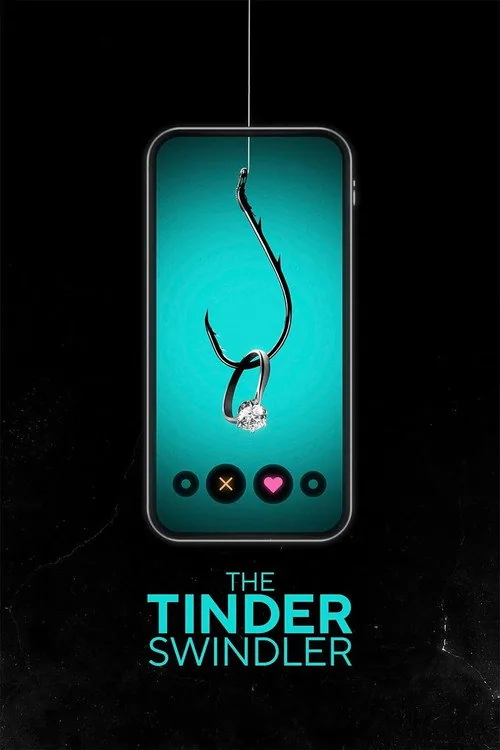
What changes The Imposter: missing-person history, revelation of imposture and competing accounts and unresolved questions. The Tinder Swindler: interview-led, revelation-based and investigation and response.
This documentary follows women who say they were deceived by a man presenting himself on Tinder as a wealthy diamond heir. The film recounts how he cultivated romance and trust before asking for money under the claim that he faced urgent danger, and it follows victims as they compare experiences and try to hold him accountable. Felicity Morris’s true-crime documentary combines interviews, messages, and media coverage to examine romance scams, digital identity, and the financial aftermath for survivors.
Body-camera recordings and emergency calls trace how a series of neighbor disputes preceded Ajike Owens's fatal shooting.
Why this matches +
Conflicting testimony and performed identity expose the danger of accepting a plausible public account without testing how it was constructed.
Genres: Crime / Documentary
Shared film traits
Based on recorded story, mood and style. Your preferences can change the order.
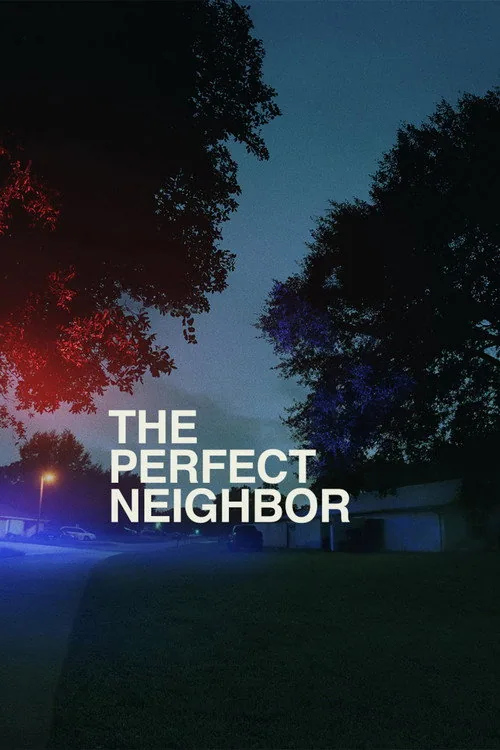
What changes The Imposter: missing-person history, revelation of imposture and competing accounts and unresolved questions. The Perfect Neighbor: earlier calls reveal a growing dispute, recorded encounters accumulate context and fatal incident and investigation force reassessment.
This documentary reconstructs disputes between neighbors in Ocala, Florida, that preceded the 2023 killing of Ajike Owens by Susan Lorincz. It uses body-camera footage from repeated sheriff's-office responses, 911 calls, and interviews to show how complaints escalated and how local authorities encountered the conflict. The film asks viewers to assess what the recorded interactions reveal about race, neighbor relations, and institutional response before the fatal shooting. Its evidence-led structure turns public records into a tense account of a preventable neighborhood tragedy.
Petit and his collaborators secretly prepare a high-wire crossing between the Twin Towers and carry it out at dawn.
Why this matches +
Conflicting testimony and performed identity expose the danger of accepting a plausible public account without testing how it was constructed.
Genres: Documentary / Biography
Shared film traits
Based on recorded story, mood and style. Your preferences can change the order.
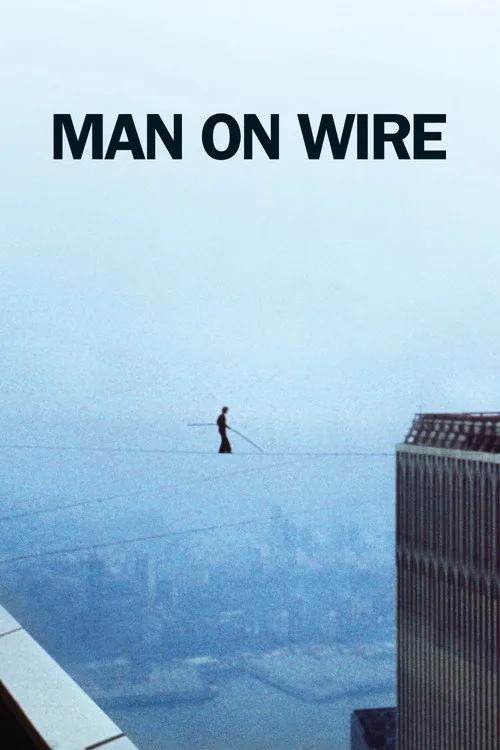
What changes The Imposter: missing-person history, revelation of imposture and competing accounts and unresolved questions. Man on Wire: planning and rehearsal build, heist-like execution and extended high-wire climax.
French high-wire artist Philippe Petit recalls how he and a small group of collaborators planned to string a cable between the World Trade Center towers and cross it without authorization. Through interviews, archival footage, and staged reconstructions, the documentary follows months of preparation, the covert installation, and the morning Petit stepped onto the wire. The feat is presented as both an audacious act of performance and the result of careful teamwork, risk, patience, and a singular artistic obsession.
The film follows the promotion, rushed preparation, and collapse of an event whose image was far more complete than its infrastructure.
Why this matches +
Conflicting testimony and performed identity expose the danger of accepting a plausible public account without testing how it was constructed.
Genres: Documentary / Crime
Shared film traits
Based on recorded story, mood and style. Your preferences can change the order.
Constructed reality
What changes The Imposter: missing-person history, revelation of imposture and competing accounts and unresolved questions. Fyre: promotional buildup, event failure escalation and legal and financial aftermath.
This documentary reconstructs the failed Fyre Festival, a luxury music event promoted for a private Bahamian island but delivered as a chaotic camp after ticket buyers arrived. Interviews and behind-the-scenes footage show how founder Billy McFarland and his team sold an aspirational image through social media while lacking the infrastructure to support it. Local workers, vendors, performers, and guests describe the costs of the collapse. The film examines influencer marketing, startup bravado, and the gap between a polished online promise and material reality.
Former technology insiders describe how platforms capture attention and predict behavior; a fictional family illustrates possible effects on users.
Why this matches +
Conflicting testimony and performed identity expose the danger of accepting a plausible public account without testing how it was constructed.
Genres: Documentary / Drama
Shared film traits
Based on recorded story, mood and style. Your preferences can change the order.
Constructed reality
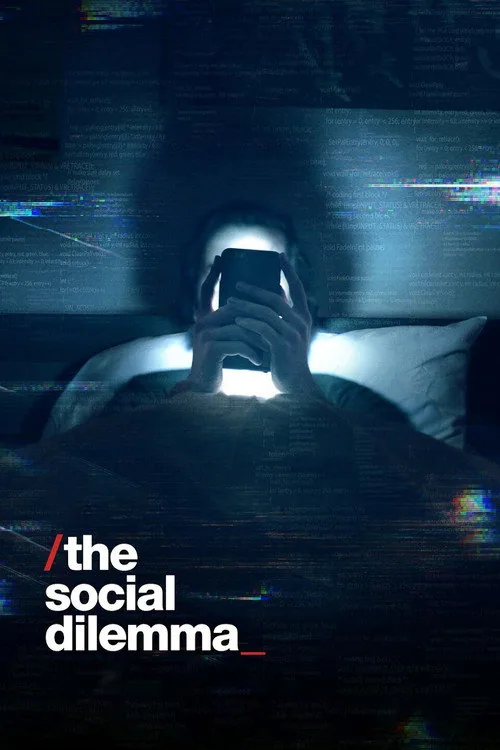
What changes The Imposter: missing-person history, revelation of imposture and competing accounts and unresolved questions. The Social Dilemma: alternating, expository and argument-driven.
This documentary combines interviews with former technology employees and researchers with a fictional story about a family shaped by social media. Interviewees discuss persuasive design, behavioral data, recommendation systems, advertising, misinformation, and platform incentives. The dramatized family illustrates how a teenager’s engagement can affect attention, mood, and political beliefs. Jeff Orlowski’s film makes a case about technology’s social costs, using testimony and scripted scenes to present its argument.
Fogel's attempt to test anti-doping methods leads him to investigate a far larger program after his scientific adviser becomes a whistleblower.
Why this matches +
Conflicting testimony and performed identity expose the danger of accepting a plausible public account without testing how it was constructed.
Genres: Documentary / Sport
Shared film traits
Based on recorded story, mood and style. Your preferences can change the order.
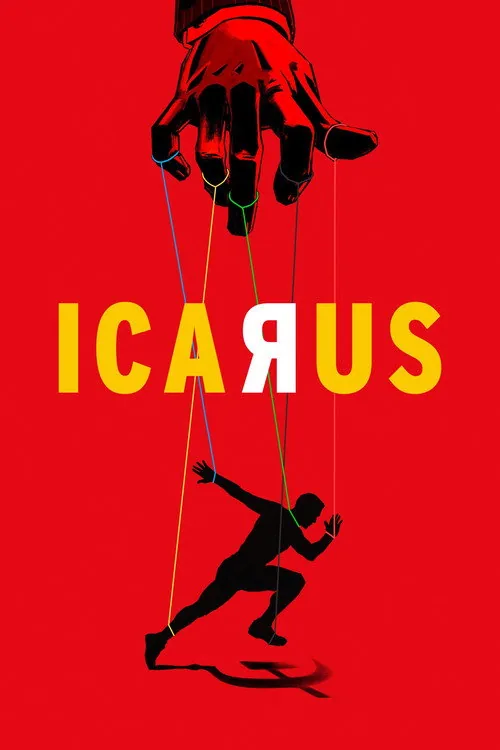
What changes The Imposter: missing-person history, revelation of imposture and competing accounts and unresolved questions. Icarus: experiment-led beginning, rapid investigative turn and high-stakes testimony.
Filmmaker and amateur cyclist Bryan Fogel begins an experiment to test how an athlete might evade drug testing, consulting Russian scientist Grigory Rodchenkov about performance-enhancing substances. As allegations of a state-backed Russian doping program emerge, the project changes from a personal investigation into an account of a major sports scandal. Rodchenkov becomes a whistleblower and flees to the United States, bringing evidence and personal danger with him. The documentary follows both the investigation and the uncertain cost of speaking publicly.
Poitras documents the meeting in which Snowden discloses NSA surveillance evidence to journalists and prepares to go public.
Why this matches +
Conflicting testimony and performed identity expose the danger of accepting a plausible public account without testing how it was constructed.
Genres: Documentary / History
Shared film traits
Based on recorded story, mood and style. Your preferences can change the order.
What changes The Imposter: missing-person history, revelation of imposture and competing accounts and unresolved questions. Citizenfour: real-time hotel conversations, reporting milestones and news-event escalation.
Documentarian Laura Poitras receives encrypted messages from someone using the name Citizen Four and travels to Hong Kong with journalists Glenn Greenwald and Ewen MacAskill. There they meet Edward Snowden, who reveals classified information about government surveillance programs while protecting his identity inside a hotel room. The film records the disclosures as they unfold, including the reporters' decisions, Snowden's anxiety, and the public consequences that begin to follow. Its immediacy comes from watching an international news story develop in real time.
Adi uses recordings and face-to-face conversations to ask former perpetrators about the killing of his brother and the history carried by his family.
Why this matches +
A constructed account of identity or events makes the investigator's confidence itself part of the moral problem.
An adjacent discovery: a related idea with a different viewing experience.
Genres: Documentary / History
Shared film traits
Based on recorded story, mood and style. Your preferences can change the order.
Memory and identity
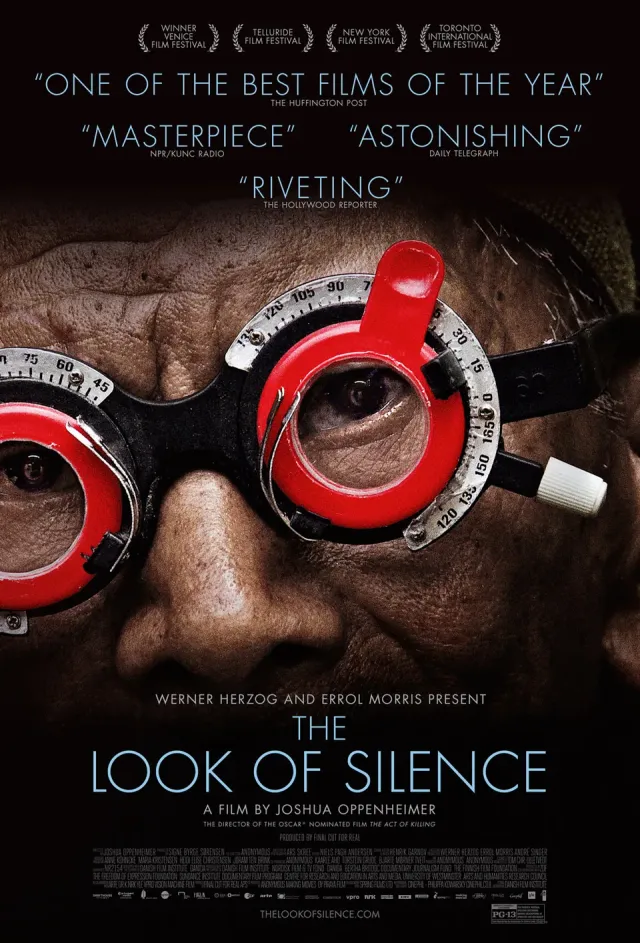
What changes The Imposter: missing-person history, revelation of imposture and competing accounts and unresolved questions. The Look of Silence: patient, conversation-based and cumulatively revealing.
Adi Rukun, an Indonesian optometrist, grew up after his older brother Ramli was killed during the 1965–66 anti-communist purges. While serving customers, Adi watches recordings of former perpetrators describing the violence and decides to meet some of them with his family’s story in hand. He asks direct questions about what happened and how they understand their actions. Joshua Oppenheimer’s documentary centers on the risks and emotional strain of confronting a history that remains publicly unresolved.
Former perpetrators devise cinematic scenes about their actions, and the filmmaking process brings their accounts into view alongside the human consequences they avoid.
Why this matches +
A constructed account of identity or events makes the investigator's confidence itself part of the moral problem.
An adjacent discovery: a related idea with a different viewing experience.
Genres: Documentary / History
Shared film traits
Based on recorded story, mood and style. Your preferences can change the order.
Memory and identity
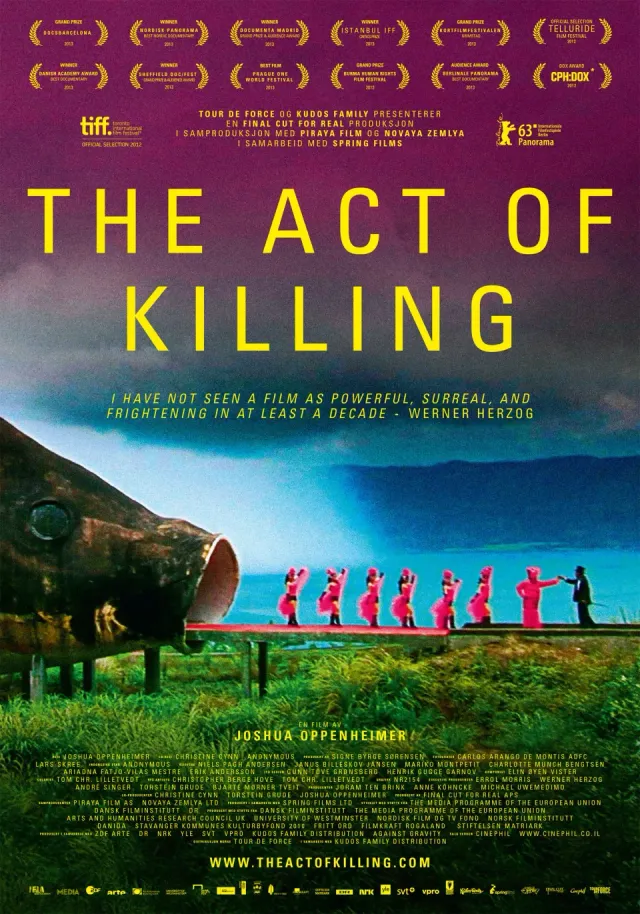
What changes The Imposter: missing-person history, revelation of imposture and competing accounts and unresolved questions. The Act of Killing: patient, episodic and cumulatively revealing.
Documentarians give former Indonesian death-squad leader Anwar Congo and other men involved in the 1965–66 killings the freedom to stage scenes from their past in styles drawn from the movies they admire. The participants move between reenactment, interviews and everyday life, performing versions of their own histories while discussing how they understand them. Their choices expose the distance between public self-image and the violence remembered by victims and survivors.
A revenge investigation depends on external records whose meaning cannot be separated from the purposes behind their creation.
Why this matches +
A constructed account of identity or events makes the investigator's confidence itself part of the moral problem.
An adjacent discovery: a related idea with a different viewing experience.
Genres: Mystery / Thriller
The approach A dramatic feature rather than documentary footage.
Shared film traits
Based on recorded story, mood and style. Your preferences can change the order.
Memory and identity
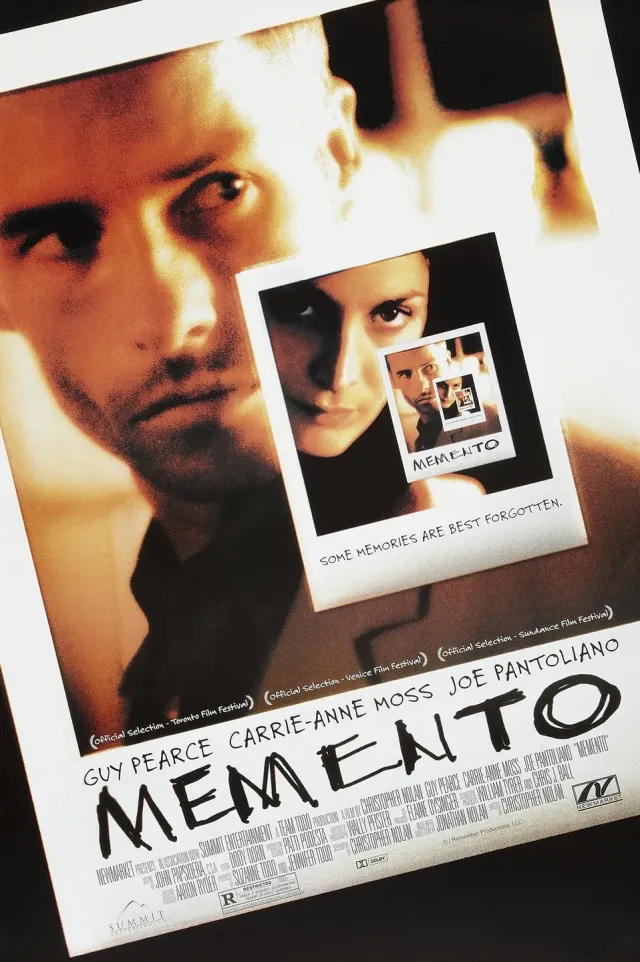
What changes The Imposter: missing-person history, revelation of imposture and competing accounts and unresolved questions. Memento: measured.
A man unable to form lasting new memories searches for the person he believes killed his wife, using photographs, notes and tattoos to orient each encounter. People offering help have information he cannot independently retain, while his own records appear to promise a certainty they may not deserve. Interlocking sequences make the audience repeatedly reconstruct how a confident action emerged from incomplete knowledge.
A platform's rapid expansion transforms collaboration and campus status competition into disputes over ownership, contribution and exclusion.
Why this matches +
A constructed account of identity or events makes the investigator's confidence itself part of the moral problem.
An adjacent discovery: a related idea with a different viewing experience.
Genres: Drama / Biography
The approach A dramatic feature rather than documentary footage.
Shared film traits
Based on recorded story, mood and style. Your preferences can change the order.
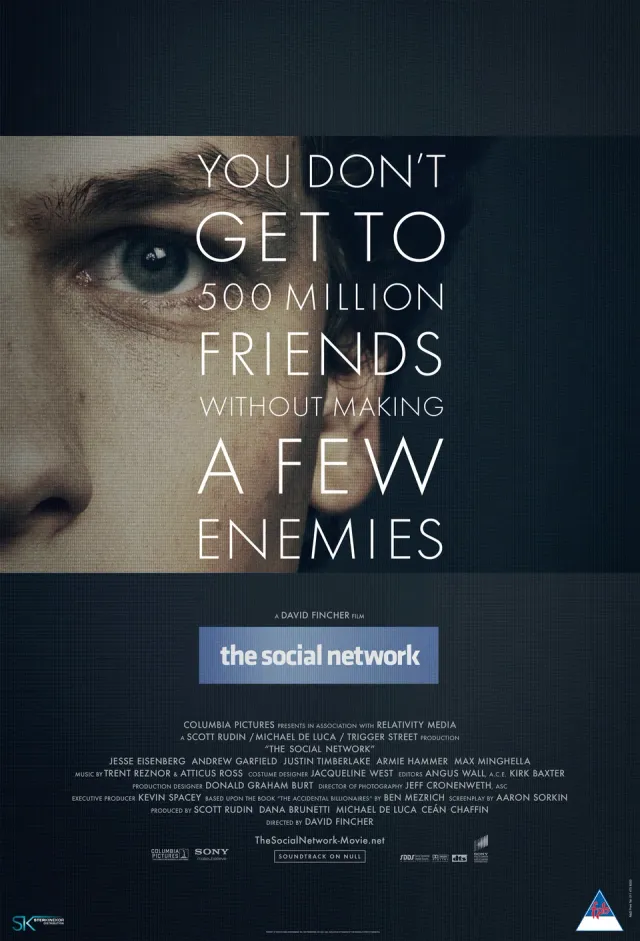
What changes The Imposter: missing-person history, revelation of imposture and competing accounts and unresolved questions. The Social Network: fast.
A Harvard student's response to rejection and social competition leads him from an intrusive campus website to a rapidly expanding social platform. Growth brings investment, influence and disputes over who supplied the original idea and who deserves control. Intercut legal testimony revisits apparently decisive choices from incompatible positions, making the achievement of public connection coexist with broken friendships and a persistent private desire for recognition.
Successive retellings of a forest encounter replace a stable reconstruction with contradictions shaped by each speaker's self-presentation.
Why this matches +
A constructed account of identity or events makes the investigator's confidence itself part of the moral problem.
An adjacent discovery: a related idea with a different viewing experience.
Genres: Crime / Drama
The approach A dramatic feature rather than documentary footage.
Shared film traits
Based on recorded story, mood and style. Your preferences can change the order.
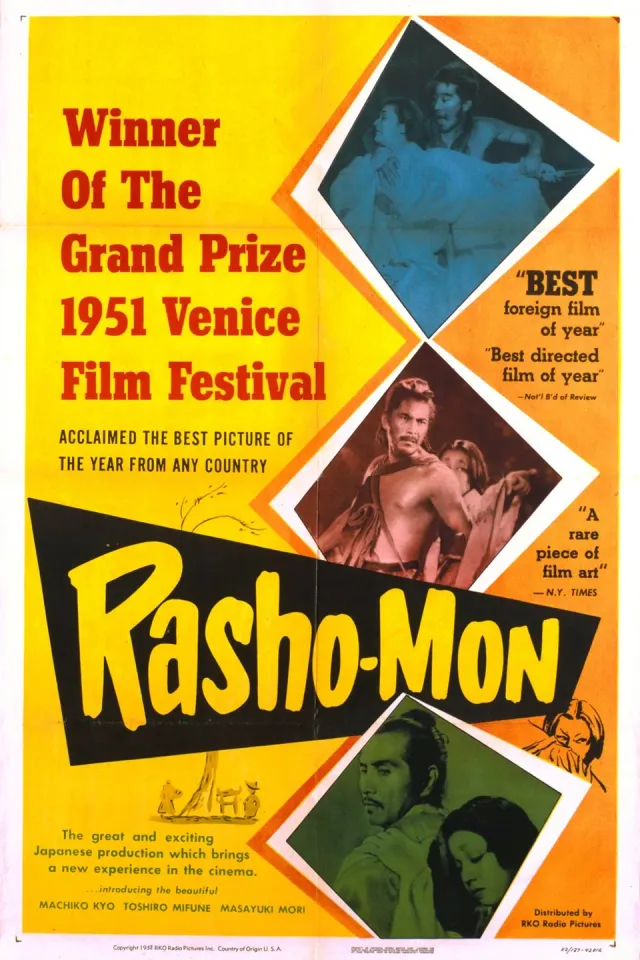
What changes The Imposter: missing-person history, revelation of imposture and competing accounts and unresolved questions. Rashomon: measured.
Sheltering from rain at a ruined gate, several men discuss testimony concerning a violent encounter in a forest. A bandit, a woman, her dead husband through a medium, and another witness offer incompatible accounts of the same events. Each version rearranges agency, shame and honour, making the search for factual certainty inseparable from what people need their stories to say about themselves.
An apparently voluntary entertainment service destabilises every ordinary source of security until the participant cannot locate a trustworthy boundary around the experience.
Why this matches +
A constructed account of identity or events makes the investigator's confidence itself part of the moral problem.
An adjacent discovery: a related idea with a different viewing experience.
Genres: Thriller / Mystery
The approach A dramatic feature rather than documentary footage.
Shared film traits
Based on recorded story, mood and style. Your preferences can change the order.
Constructed reality
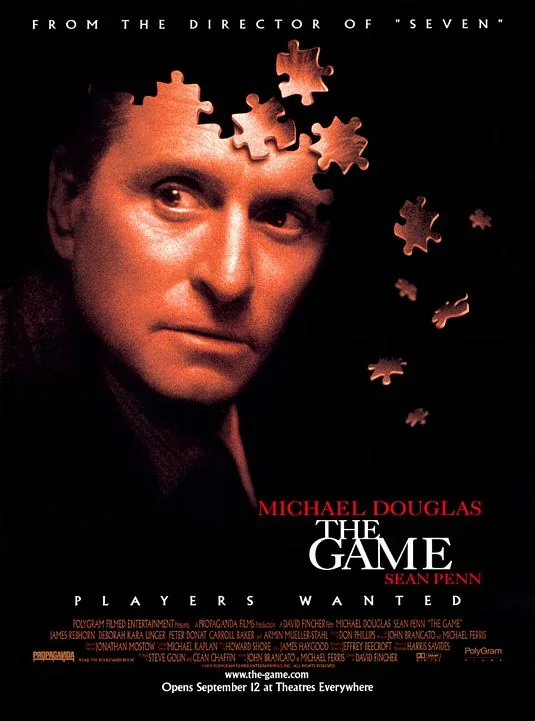
What changes The Imposter: missing-person history, revelation of imposture and competing accounts and unresolved questions. The Game: steady.
A wealthy, isolated banker receives an unusual birthday gift from his brother: participation in a personalised experience offered by a secretive company. After an intrusive assessment, everyday encounters begin behaving like coordinated attempts to strip him of control, money and certainty. Following apparent clues makes assistance and persecution difficult to distinguish, while memories of his father's death give the unfolding ordeal a vulnerability no financial defence can secure.
A competitive quest for an unmatched illusion becomes a cycle of espionage, sabotage and escalating personal cost.
Why this matches +
A constructed account of identity or events makes the investigator's confidence itself part of the moral problem.
An adjacent discovery: a related idea with a different viewing experience.
Genres: Mystery / Thriller
The approach A dramatic feature rather than documentary footage.
Shared film traits
Based on recorded story, mood and style. Your preferences can change the order.
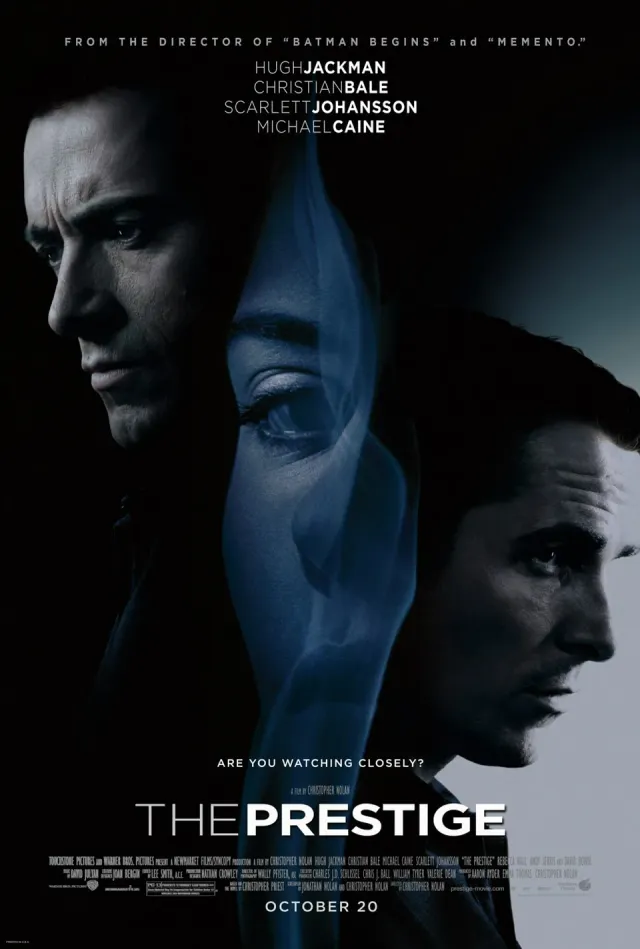
What changes The Imposter: missing-person history, revelation of imposture and competing accounts and unresolved questions. The Prestige: measured.
Two stage magicians turn an early partnership into an escalating rivalry after a performance ends in tragedy. Each studies and sabotages the other's methods, making professional invention inseparable from humiliation and private sacrifice. Diaries, demonstrations and competing accounts reveal a world built on controlled attention, where the pursuit of a perfect illusion steadily damages relationships beyond the stage.
Small disruptions in a controlled daily routine create a search for evidence that the people offering reassurance have reasons to conceal.
Why this matches +
A constructed account of identity or events makes the investigator's confidence itself part of the moral problem.
An adjacent discovery: a related idea with a different viewing experience.
Genres: Drama / Comedy
The approach A dramatic feature rather than documentary footage.
Shared film traits
Based on recorded story, mood and style. Your preferences can change the order.
Constructed reality
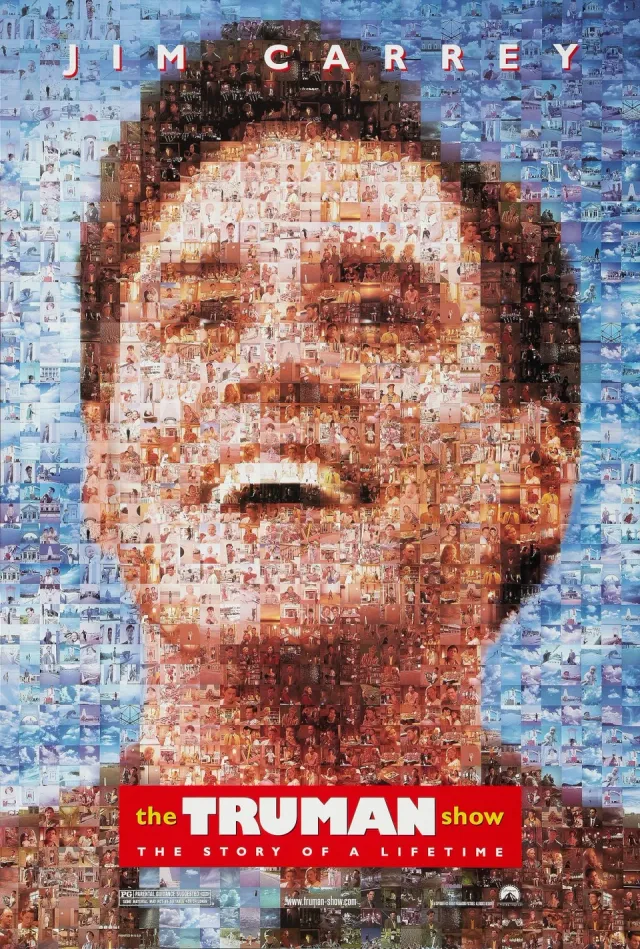
What changes The Imposter: missing-person history, revelation of imposture and competing accounts and unresolved questions. The Truman Show: steady.
An insurance salesman has unknowingly spent his entire life inside a television production, with actors playing his neighbors and loved ones. Small disruptions make him question his seemingly perfect town, while the producer controlling it tries to stop him discovering the outside world. Social satire and an unsettling search for freedom share a hopeful emotional core.
A sound recording leads Jack from routine film work into an investigation of an event powerful people want forgotten.
Why this matches +
A constructed account of identity or events makes the investigator's confidence itself part of the moral problem.
An adjacent discovery: a related idea with a different viewing experience.
Genres: Thriller / Mystery
The approach A dramatic feature rather than documentary footage.
Shared film traits
Based on recorded story, mood and style. Your preferences can change the order.
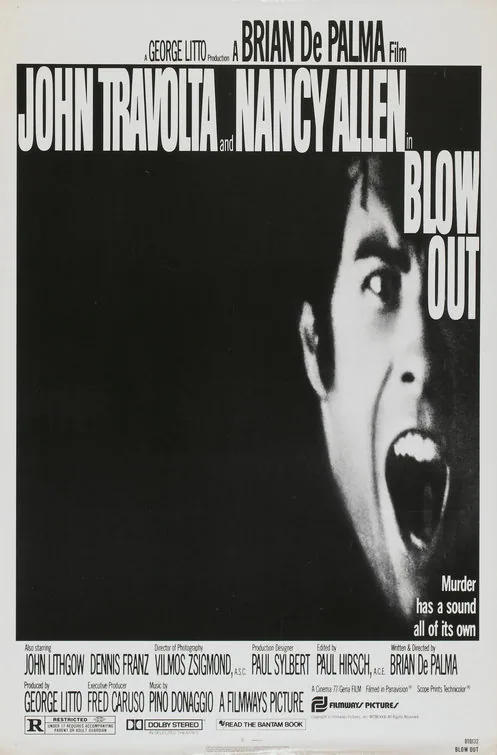
What changes The Imposter: missing-person history, revelation of imposture and competing accounts and unresolved questions. Blow Out: procedural and escalating.
Philadelphia sound technician Jack Terry records what seems to be a late-night accident while collecting effects for a film, then realizes his tape may document a politically consequential crime. He teams up with Sally, a witness whose photographs preserve another part of the event, and tries to connect the separate evidence before powerful interests can bury it, turning technical listening into a dangerous investigation.
Repeated analysis of a recorded conversation deepens a technician's uncertainty about the harm his work may enable.
Why this matches +
A constructed account of identity or events makes the investigator's confidence itself part of the moral problem.
An adjacent discovery: a related idea with a different viewing experience.
Genres: Mystery / Thriller
The approach A dramatic feature rather than documentary footage.
Shared film traits
Based on recorded story, mood and style. Your preferences can change the order.
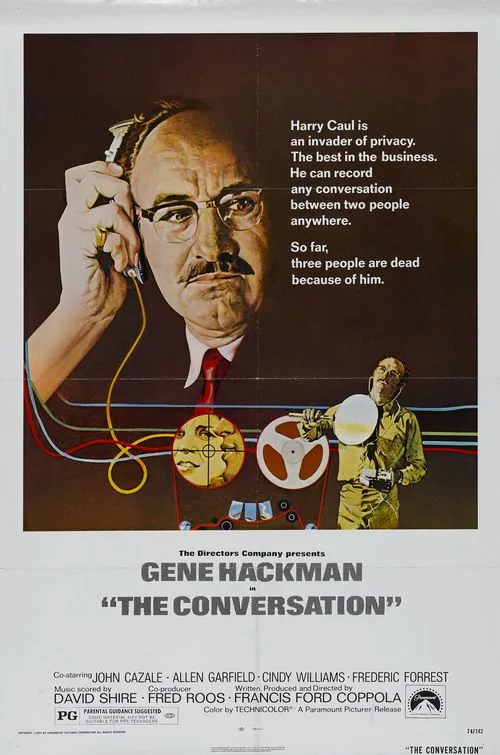
What changes The Imposter: missing-person history, revelation of imposture and competing accounts and unresolved questions. The Conversation: slow burn.
A surveillance specialist records a couple in a crowded square and becomes preoccupied with what their apparently ordinary exchange might mean. His professional distance is eroded by memories of an earlier job with deadly consequences. Replaying and refining the recording draws him into a situation where technical precision cannot guarantee understanding, and the observer begins to fear that he is also being watched.
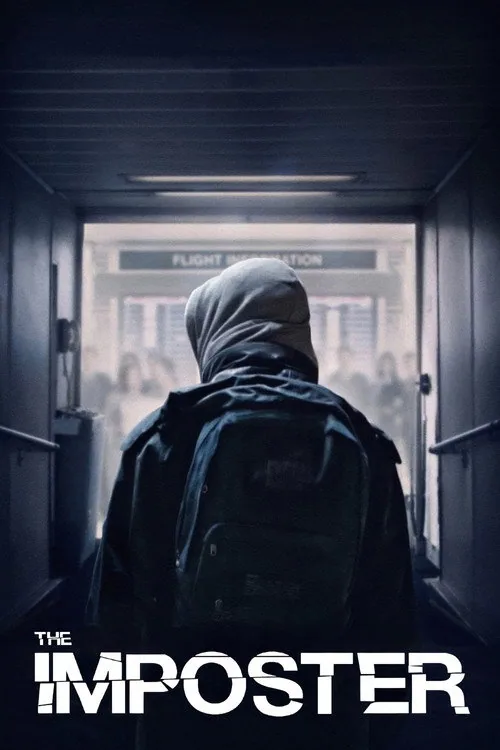
This documentary examines how Frédéric Bourdin, a French serial impostor, convinced a Texas family that he was their missing teenage son Nicholas Barclay, who had disappeared years earlier. Interviews with Bourdin, relatives, investigators, and others involved are interwoven with staged reconstructions of key events. As the deception comes apart, the film explores why the family accepted an adult stranger whose appearance and accent differed from the missing boy, leaving viewers to weigh grief, testimony, and suspicion without a simple explanation.
What drives the story
The film follows Bourdin's claim to be missing teen Nicholas Barclay and traces the questions raised when relatives accept him as their own.
The people at its centre
Bourdin's performance intersects with a family's unresolved loss, while investigators and relatives interpret the deception through conflicting motives.
What it feels like
A hybrid documentary uses interviews and reenactments to create the suspense of a mystery while preserving uncertainty about people's accounts.
Worth knowing
Its true-crime structure examines both the impostor and those who believed him, keeping the family response as central as the fraud.
identity and deceptiongrief and beliefmemory under investigation
Mood
unsettling · mysterious · provocative
Pacing
missing-person history · revelation of imposture · competing accounts and unresolved questions
Visual style
interviews and archival material · stylized dramatic reenactments · cool true-crime visual tone
Storytelling
French impostor claims to be missing Texas teenager · interviews intercut with reenactments · family acceptance deepens the mystery