A biography follows Christopher Reeve from acting success through disability and public advocacy.
Why this matches +
These films share important themes, atmosphere or storytelling interests with this selection.
Genres: Documentary / Biographical
Shared film traits
Based on recorded story, mood and style. Your preferences can change the order.
Memory and identity · Family and care
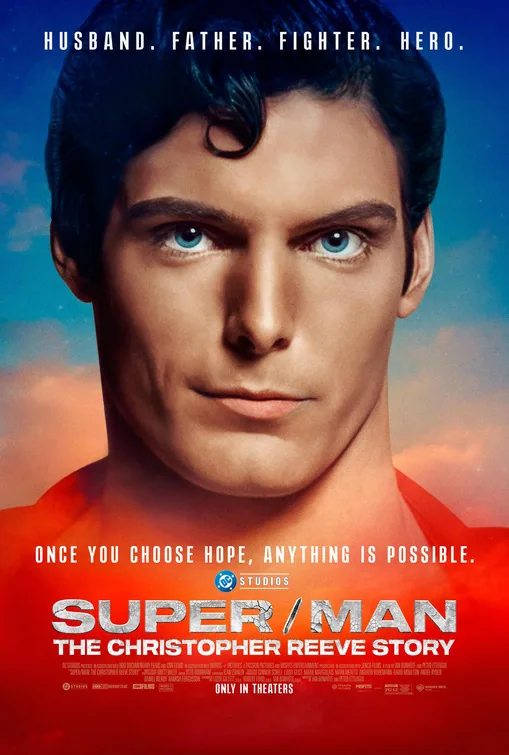
What changes Its own story: A biography follows Christopher Reeve from acting success through disability and public advocacy.
This documentary traces Christopher Reeve's rise from stage and screen actor to international icon as Superman, then follows the profound changes after a riding accident left him paralyzed. Interviews with family, friends and colleagues are combined with archival footage to examine his public advocacy, private adaptation and changing sense of identity. Ian Bonhôte and Peter Ettedgui frame Reeve's life as an account of performance, disability, family care and continued purpose.
After a young gamer dies, his parents discover the friendships he built through an online world.
Why this matches +
These films share important themes, atmosphere or storytelling interests with this selection.
Genres: Documentary
Shared film traits
Based on recorded story, mood and style. Your preferences can change the order.
Memory and identity · Family and care
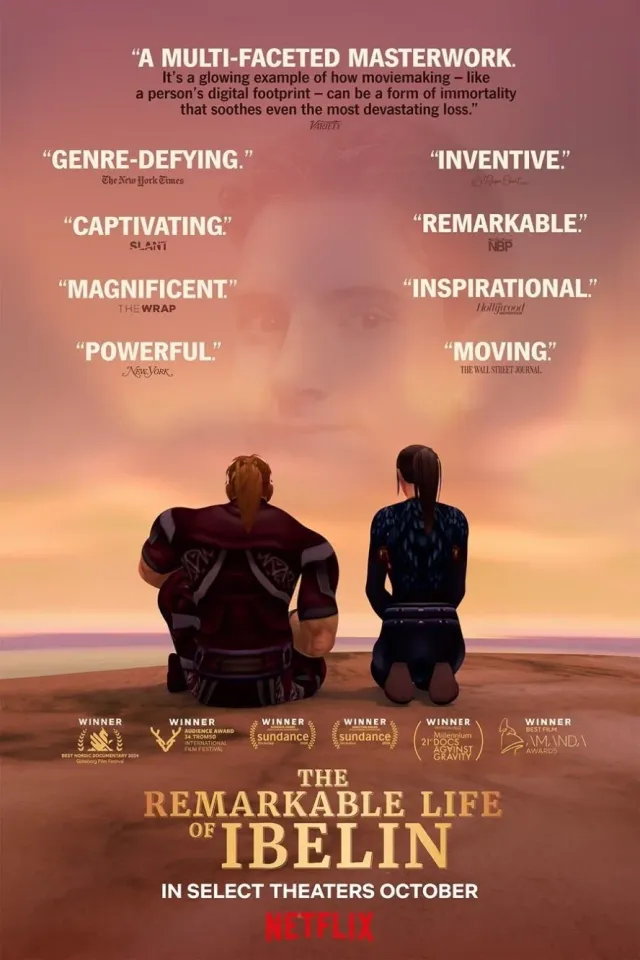
What changes Its own story: After a young gamer dies, his parents discover the friendships he built through an online world.
Norwegian gamer Mats Steen lived with Duchenne muscular dystrophy and spent much of his life connecting with others through the online role-playing game World of Warcraft. After his death, his parents learn that people across the world knew him through the character he played and the relationships he built online. Benjamin Ree's documentary combines interviews, family archives and animated game sequences to reconsider what a meaningful social life can look like.
Bauby works with a transcriber to dictate his memoir after his stroke.
Why this matches +
These films share important themes, atmosphere or storytelling interests with this selection.
Genres: Drama / Biography
The approach A dramatic feature rather than documentary footage.
Shared film traits
Based on recorded story, mood and style. Your preferences can change the order.
Memory and identity
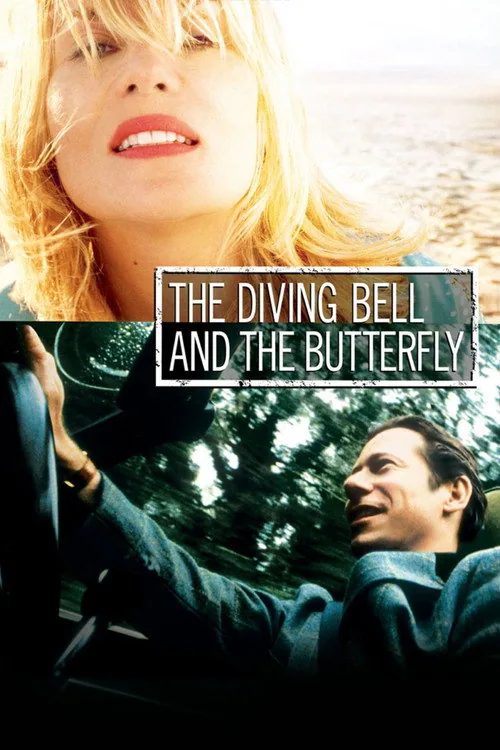
What changes Its own story: Bauby works with a transcriber to dictate his memoir after his stroke.
After a stroke leaves fashion editor Jean-Dominique Bauby with locked-in syndrome, he wakes in a hospital unable to speak or move except for one eyelid. A speech therapist develops a letter-by-letter blinking system, allowing Bauby to communicate with his family and dictate the memoir on which the film is based. Julian Schnabel’s drama begins within Bauby’s restricted point of view, then opens into memories, imagination, and the lives of visitors. It follows the act of writing as a way to remain connected while living with profound physical paralysis.
Robin and Diana challenge the assumption that his paralysis must keep him in hospital and work to create a more mobile life.
Why this matches +
These films share important themes, atmosphere or storytelling interests with this selection.
Genres: Biography / Drama
The approach A dramatic feature rather than documentary footage.
Shared film traits
Based on recorded story, mood and style. Your preferences can change the order.
Family and care · Work and ambition
What changes Its own story: Robin and Diana challenge the assumption that his paralysis must keep him in hospital and work to create a more mobile life.
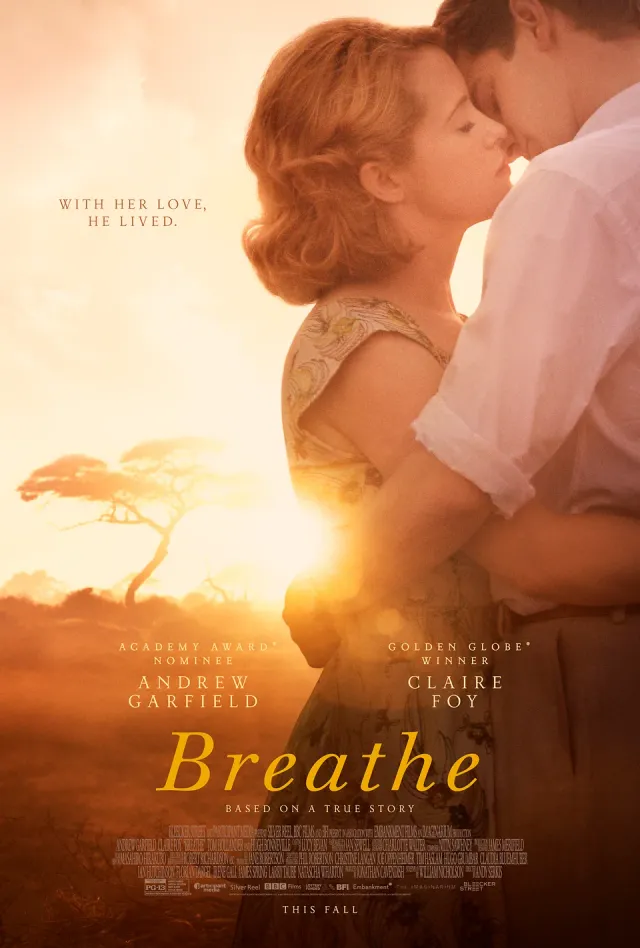
After contracting polio in Kenya in the late 1950s, Robin Cavendish becomes paralyzed from the neck down and dependent on a ventilator. His wife Diana refuses to accept the hospital’s expectation that he remain confined there and helps bring him home. With support from family and friends, Robin adapts equipment and later travels, using his experience to advocate for other people with disabilities. Andy Serkis’s film follows the couple through changes in care, mobility and public life.
A young man with cerebral palsy develops as a writer and painter with the help of a close family.
Why this matches +
These films share important themes, atmosphere or storytelling interests with this selection.
Genres: Biography / Drama
The approach A dramatic feature rather than documentary footage.
Shared film traits
Based on recorded story, mood and style. Your preferences can change the order.
What changes Its own story: A young man with cerebral palsy develops as a writer and painter with the help of a close family.
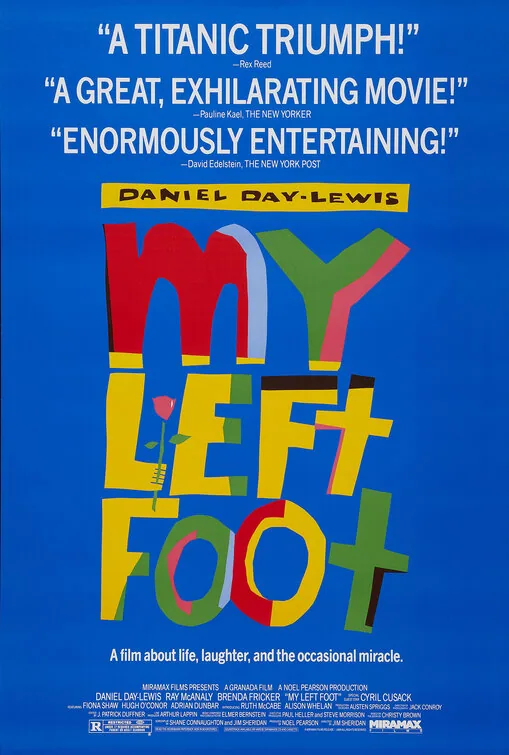
Born with cerebral palsy in working-class Dublin, Christy Brown is able to control only his left foot, but learns to use it to write and paint. His family supports his development while he fights for education, independence, and recognition as an artist. The biographical drama follows a life shaped by both physical barriers and determined self-expression, while keeping Christy's humor, anger, and complicated relationships in view.
Jeff's recovery from the bombing unfolds alongside the difficulty of living with a public image other people assign him.
Why this matches +
These films share important themes, atmosphere or storytelling interests with this selection.
Genres: Drama / Biography
The approach A dramatic feature rather than documentary footage.
Shared film traits
Based on recorded story, mood and style. Your preferences can change the order.
Memory and identity
What changes Its own story: Jeff's recovery from the bombing unfolds alongside the difficulty of living with a public image other people assign him.
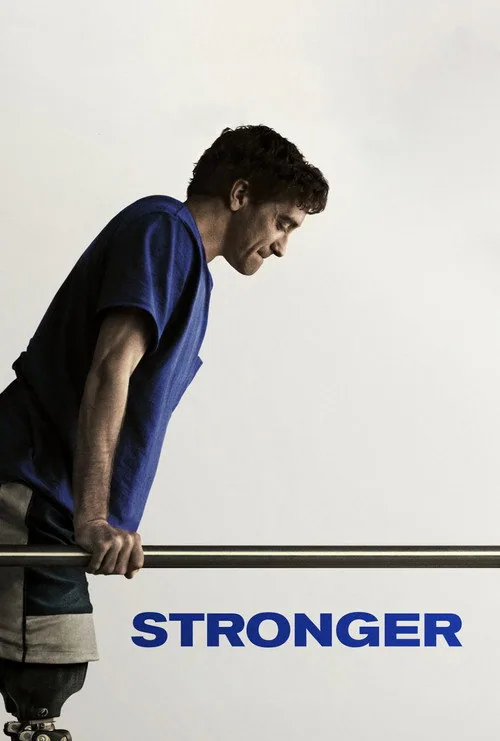
Boston resident Jeff Bauman goes to the 2013 marathon finish line to support his former girlfriend Erin, who is running for charity. He survives the bombing but loses both legs, and the sudden public attention makes his recovery more complicated than a simple heroic story. Jeff and Erin struggle with changed roles, anger, and the demands of being treated as a symbol. Based on Bauman's memoir, the drama follows the physical and emotional aftermath of trauma while focusing on the relationship that must adapt alongside his rehabilitation.
The film assembles career milestones and recollections to examine the public figure behind the chef, author and host.
Why this matches +
These films explore a related idea in a different setting, genre or style.
An adjacent discovery: a related idea with a different viewing experience.
Genres: Documentary / Biography
Shared film traits
Based on recorded story, mood and style. Your preferences can change the order.
Memory and identity · Work and ambition
What changes Its own story: The film assembles career milestones and recollections to examine the public figure behind the chef, author and host.
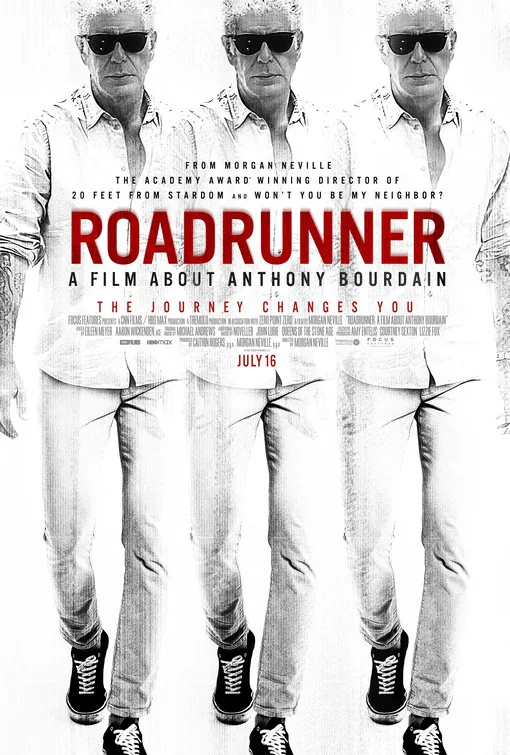
Morgan Neville’s documentary traces Anthony Bourdain’s path from restaurant chef to memoirist and international television host. Archival footage and interviews with family, friends and colleagues revisit his work, travels and public persona, including the people he met through food and reporting. The film considers how a celebrated career and a restless appetite for experience coexisted with complicated private relationships and personal struggles.
Winehouse's own recordings and archival footage carry a chronological account from early promise to international fame.
Why this matches +
These films explore a related idea in a different setting, genre or style.
An adjacent discovery: a related idea with a different viewing experience.
Genres: Documentary / Music
Shared film traits
Based on recorded story, mood and style. Your preferences can change the order.
Memory and identity
What changes Its own story: Winehouse's own recordings and archival footage carry a chronological account from early promise to international fame.
This documentary traces singer-songwriter Amy Winehouse from teenage performances in London through the success of her albums Frank and Back to Black. Archival home videos, interviews, recordings, and concert footage show her developing artistry alongside relationships, addiction, and intrusive media attention. The film follows her rapid rise and the pressures that intensified as private struggles became public spectacle. Asif Kapadia's portrait examines both the musician's distinctive voice and the circumstances surrounding her death at age 27.
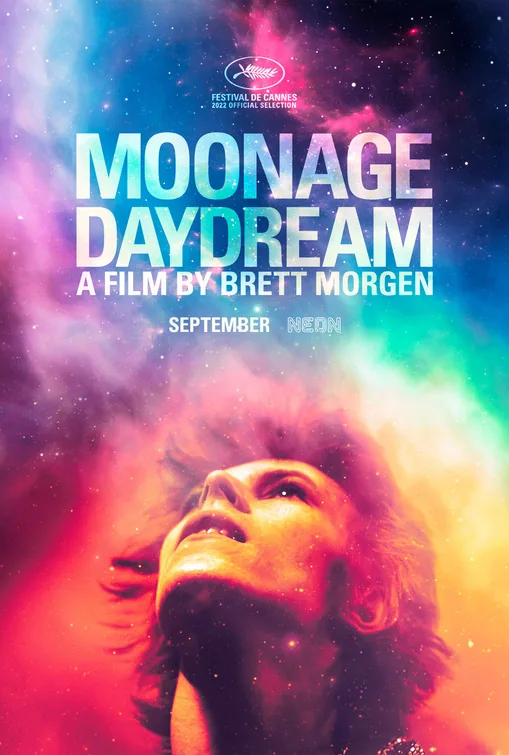
Archival images and Bowie’s own recorded reflections move through career periods and artistic questions without conventional interview narration.
Why this matches +
These films explore a related idea in a different setting, genre or style.
An adjacent discovery: a related idea with a different viewing experience.
Genres: Documentary / Music
Shared film traits
Based on recorded story, mood and style. Your preferences can change the order.
Memory and identity
What changes Its own story: Archival images and Bowie’s own recorded reflections move through career periods and artistic questions without conventional interview narration.
Brett Morgen constructs an audiovisual portrait of David Bowie from concert performances, archival interviews, photographs and film fragments drawn across the musician’s career. Bowie’s recorded voice and music carry the film through shifting chapters about fame, artistic reinvention, identity and spiritual inquiry. Rather than use a conventional sequence of talking-head commentary, the documentary treats Bowie’s changing public selves and creative work as the material of an immersive montage.
A treatment trial makes patients' hidden capacities visible, then confronts clinicians with the limits and side effects of a response they cannot preserve. The central question changes from whether to wake someone to how to respect a life after the awakening.
Why this matches +
These films explore a related idea in a different setting, genre or style.
An adjacent discovery: a related idea with a different viewing experience.
Genres: Drama / Biography
The approach A dramatic feature rather than documentary footage.
Shared film traits
Based on recorded story, mood and style. Your preferences can change the order.
What changes Its own story: A treatment trial makes patients' hidden capacities visible, then confronts clinicians with the limits and side effects of a response they cannot preserve. The central question changes from whether to wake someone to how to respect a life after the awakening.
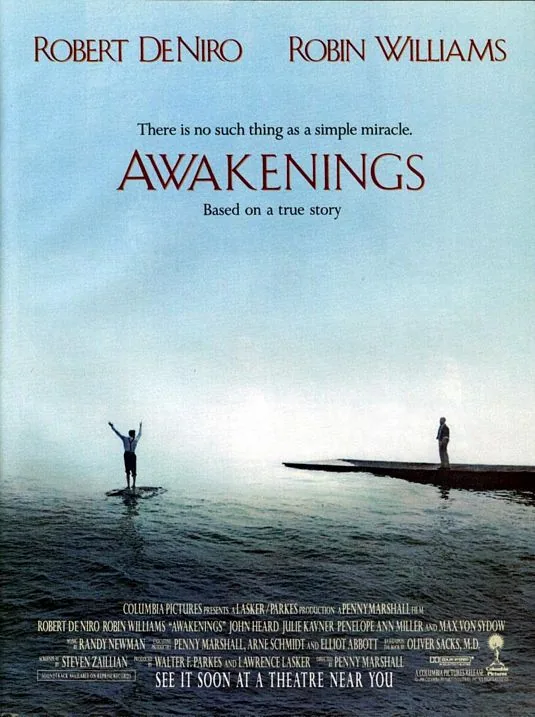
Neurologist Malcolm Sayer begins working with patients who survived encephalitis lethargica but have spent years in catatonic or severely limited states. His careful observations lead him to try L-DOPA, and Leonard Lowe's response opens a brief period of renewed speech, movement and independent desire. The change is a medical breakthrough and a challenge to the institution's assumptions about what the patients can experience. When the improvement proves unstable, the story shifts from cure to the difficult ethics of care, dignity and time. It is inspired by Oliver Sacks's work but substantially dramatized.
Mark and Cheryl agree to a limited series of sessions that help him explore intimacy while testing the professional boundaries they set.
Why this matches +
These films explore a related idea in a different setting, genre or style.
An adjacent discovery: a related idea with a different viewing experience.
Genres: Biography / Comedy
The approach A dramatic feature rather than documentary footage.
Shared film traits
Based on recorded story, mood and style. Your preferences can change the order.
Mental health · Family and care
What changes Its own story: Mark and Cheryl agree to a limited series of sessions that help him explore intimacy while testing the professional boundaries they set.
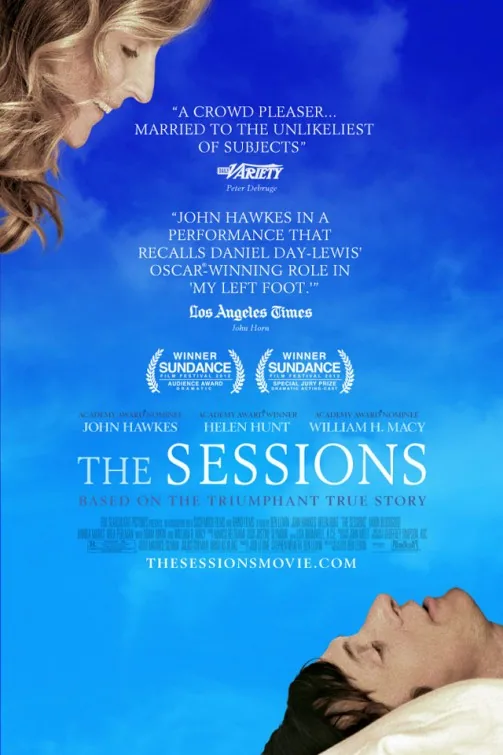
Mark O’Brien is a poet living with the effects of childhood polio, including the use of an iron lung for much of his day. At 38, he wants to pursue sexual intimacy and consults his priest before working with Cheryl, a professional sex surrogate who sets a clear limit on their sessions. Their appointments become more emotionally complex as each learns about the other’s needs, while Cheryl’s husband and Mark’s longtime caregivers remain part of his life.
Sudden hearing loss forces a performer to rebuild daily life while questioning what recovery should mean.
Why this matches +
These films explore a related idea in a different setting, genre or style.
An adjacent discovery: a related idea with a different viewing experience.
Genres: Drama
The approach A dramatic feature rather than documentary footage.
Shared film traits
Based on recorded story, mood and style. Your preferences can change the order.
What changes Its own story: Sudden hearing loss forces a performer to rebuild daily life while questioning what recovery should mean.
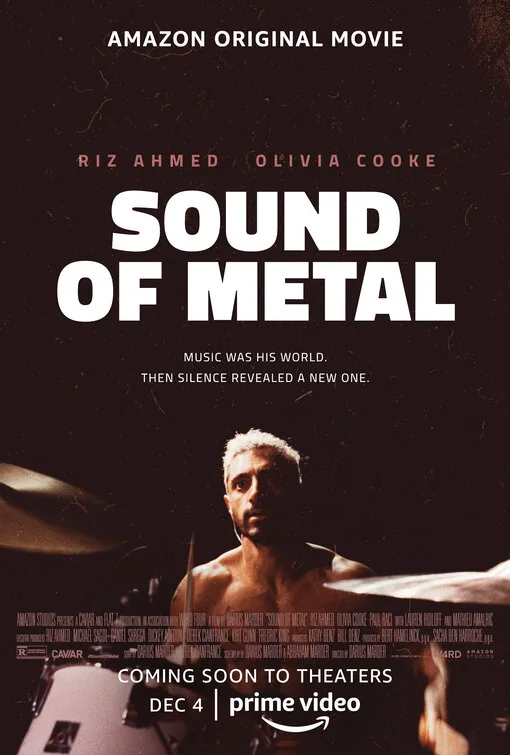
A metal drummer touring with his partner rapidly loses his hearing and is persuaded to join a residential Deaf community. The interruption threatens a life structured around music, intimacy and the discipline of recovery from addiction. While learning new ways to communicate, he remains preoccupied with restoring his former hearing and relationship, creating a conflict between participating in the life available to him and pursuing an expensive return to the one he remembers.
An unconventional care appointment challenges a household's routines and makes social recognition develop through shared daily adjustments rather than formal credentials.
Why this matches +
These films explore a related idea in a different setting, genre or style.
An adjacent discovery: a related idea with a different viewing experience.
Genres: Comedy / Drama
The approach A dramatic feature rather than documentary footage.
Shared film traits
Based on recorded story, mood and style. Your preferences can change the order.
What changes Its own story: An unconventional care appointment challenges a household's routines and makes social recognition develop through shared daily adjustments rather than formal credentials.
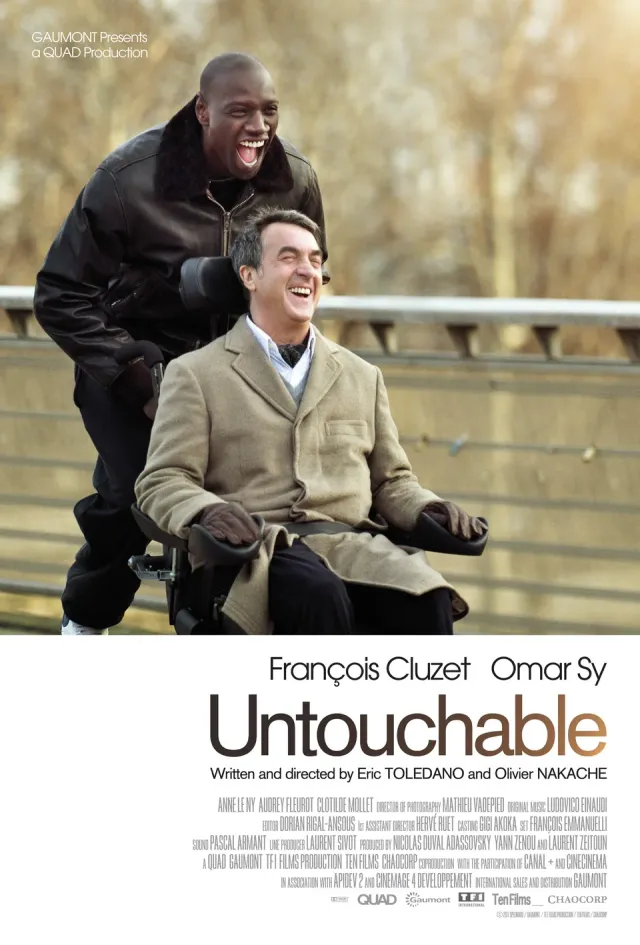
A wealthy Parisian man paralysed after an accident interviews a young applicant who wants proof that he sought work rather than the position itself. Hiring him as a live-in caregiver creates a relationship neither man's social circle readily understands. Practical inexperience, direct humour and different expectations of dignity gradually produce mutual reliance, while money, family obligations and loneliness prevent the friendship from existing outside material differences.
A relationship formed under an apparently limited future must repeatedly renegotiate care, ambition and independence as life continues beyond initial expectations.
Why this matches +
These films explore a related idea in a different setting, genre or style.
An adjacent discovery: a related idea with a different viewing experience.
Genres: Drama / Romance
The approach A dramatic feature rather than documentary footage.
Shared film traits
Based on recorded story, mood and style. Your preferences can change the order.
What changes Its own story: A relationship formed under an apparently limited future must repeatedly renegotiate care, ambition and independence as life continues beyond initial expectations.
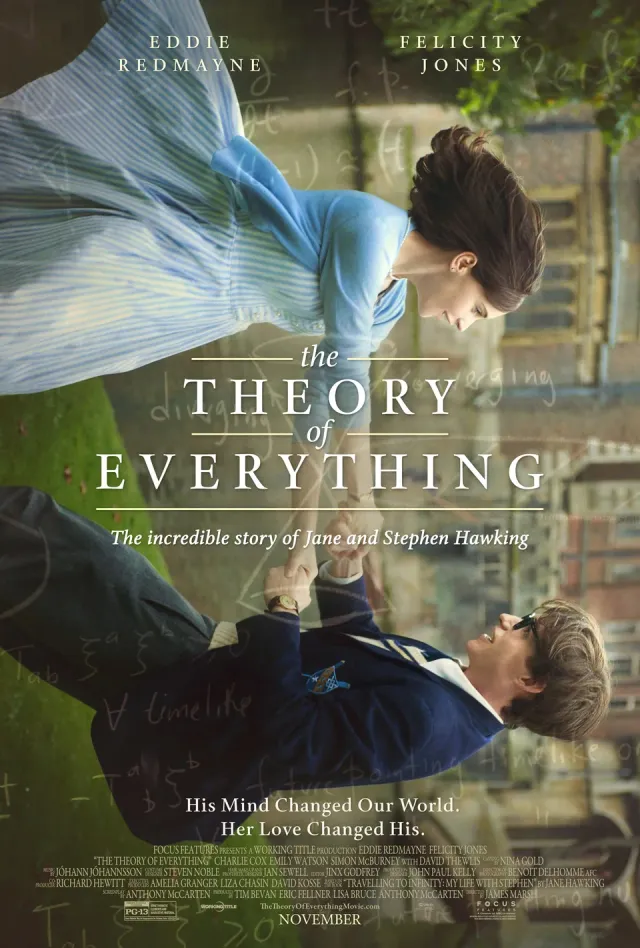
A Cambridge student developing ideas about the origins of the universe begins a relationship just as a diagnosis threatens the future he imagined. Marriage and a growing family become intertwined with the practical demands of disability, professional recognition and changing forms of communication. As his condition and career develop, the couple's commitment must accommodate exhaustion, outside attachments and desires that cannot be resolved by the early promise to face everything together.
A move from public exhibition to medical protection reveals how difficult recognition becomes when others control one's visibility.
Why this matches +
These films explore a related idea in a different setting, genre or style.
An adjacent discovery: a related idea with a different viewing experience.
Genres: Drama / Historical
The approach A dramatic feature rather than documentary footage.
Shared film traits
Based on recorded story, mood and style. Your preferences can change the order.
What changes Its own story: A move from public exhibition to medical protection reveals how difficult recognition becomes when others control one's visibility.
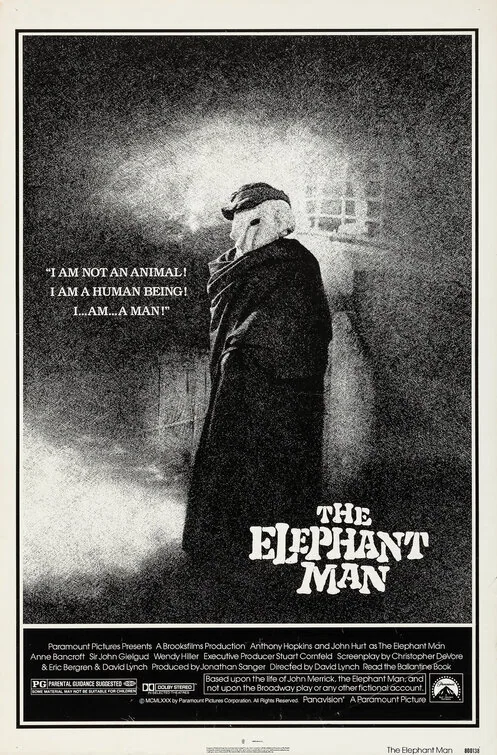
A London surgeon encounters a severely disfigured man exhibited as a spectacle and arranges to examine and shelter him. As the patient's intelligence and sensitivity become visible, medical care, public fascination and social patronage create new forms of display. His search for ordinary dignity forces people offering protection to consider whether their attention differs enough from the exploitation they condemn.
Two admirers follow contradictory stories about Rodriguez, seeking to learn what happened to the singer whose work shaped their lives.
Why this matches +
These films explore a related idea in a different setting, genre or style.
An adjacent discovery: a related idea with a different viewing experience.
Genres: Documentary / Music
Shared film traits
Based on recorded story, mood and style. Your preferences can change the order.
What changes Its own story: Two admirers follow contradictory stories about Rodriguez, seeking to learn what happened to the singer whose work shaped their lives.
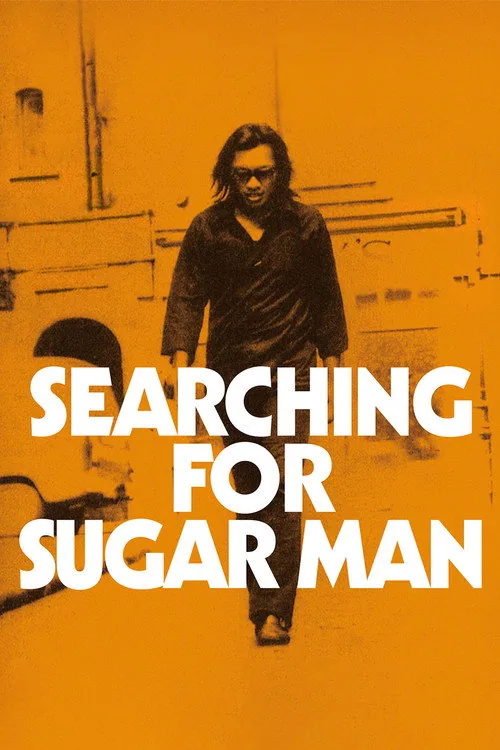
Malik Bendjelloul’s documentary follows two South African fans who investigate the fate of Sixto Rodriguez, a Detroit musician whose records became unexpectedly influential in South Africa while he remained obscure in the United States. Rumors about his life and death circulate among listeners, prompting the fans to search for reliable answers. The film links a music mystery with rediscovery, cultural memory, and the surprising paths by which songs can find an audience far from their creator’s home.
Shifting actors, rooms and timelines are not a puzzle for Anthony to solve; they place viewers inside the disorientation that shapes his choices.
Why this matches +
These films explore a related idea in a different setting, genre or style.
An adjacent discovery: a related idea with a different viewing experience.
Genres: Drama / Psychological
The approach A dramatic feature rather than documentary footage.
Shared film traits
Based on recorded story, mood and style. Your preferences can change the order.
Memory and identity
What changes Its own story: Shifting actors, rooms and timelines are not a puzzle for Anthony to solve; they place viewers inside the disorientation that shapes his choices.
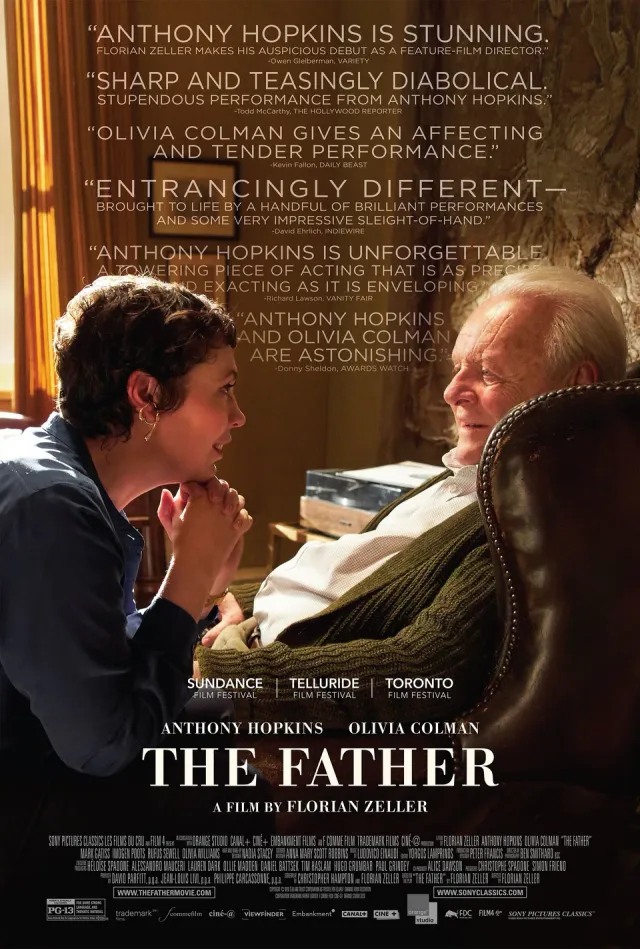
Anthony, an older man living alone in London, insists he does not need help even as his daughter Anne struggles to find a caregiver he will accept. He is certain his watch has been stolen and that Anne is still married, but the people and rooms around him begin to change without warning. A man who claims to be Anne’s husband appears in Anthony’s flat; Anne herself seems to have a different face, and dates and memories refuse to line up. The film stays close to Anthony’s perception, making the audience share his uncertainty rather than explain it from outside. As Anne weighs her responsibilities and her own life, Anthony searches for the familiar home and mother he can no longer locate.
Brady tries to build a life after a head injury while deciding whether the sport that shaped him is still possible.
Why this matches +
These films explore a related idea in a different setting, genre or style.
An adjacent discovery: a related idea with a different viewing experience.
Genres: Drama / Western
The approach A dramatic feature rather than documentary footage.
Shared film traits
Based on recorded story, mood and style. Your preferences can change the order.
Memory and identity · Family and care
What changes Its own story: Brady tries to build a life after a head injury while deciding whether the sport that shaped him is still possible.
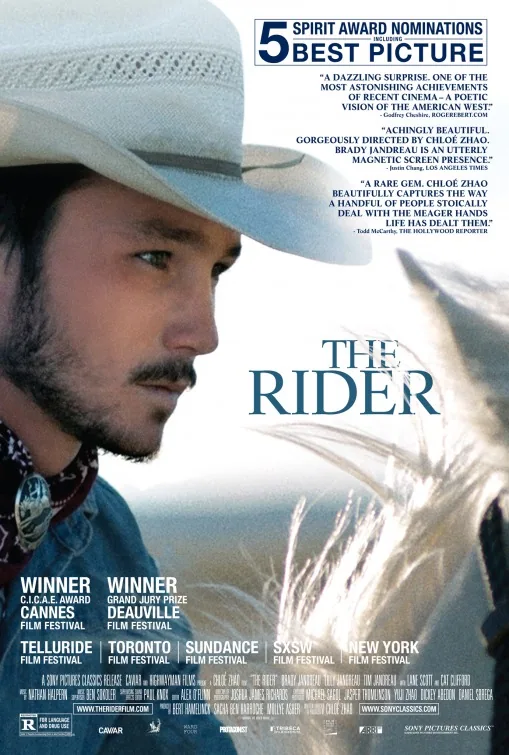
After a serious head injury ends his competitive rodeo career, young Lakota horseman Brady Blackburn returns to life on the Pine Ridge Reservation. He trains horses and spends time with friends, but his identity is closely tied to riding and to the possibility of competing again. His sister Lilly and father Wayne share his home, while Brady’s visits to fellow riders facing disability make the cost of his decision harder to ignore. Chloé Zhao filmed with nonprofessional performers whose lives closely inform the story.
The animated bricks literalize Pharrell’s view of ideas as reusable building blocks.
Why this matches +
These films explore a related idea in a different setting, genre or style.
An adjacent discovery: a related idea with a different viewing experience.
Genres: Animation / Documentary
Shared film traits
Based on recorded story, mood and style. Your preferences can change the order.
Memory and identity
What changes Its own story: The animated bricks literalize Pharrell’s view of ideas as reusable building blocks.
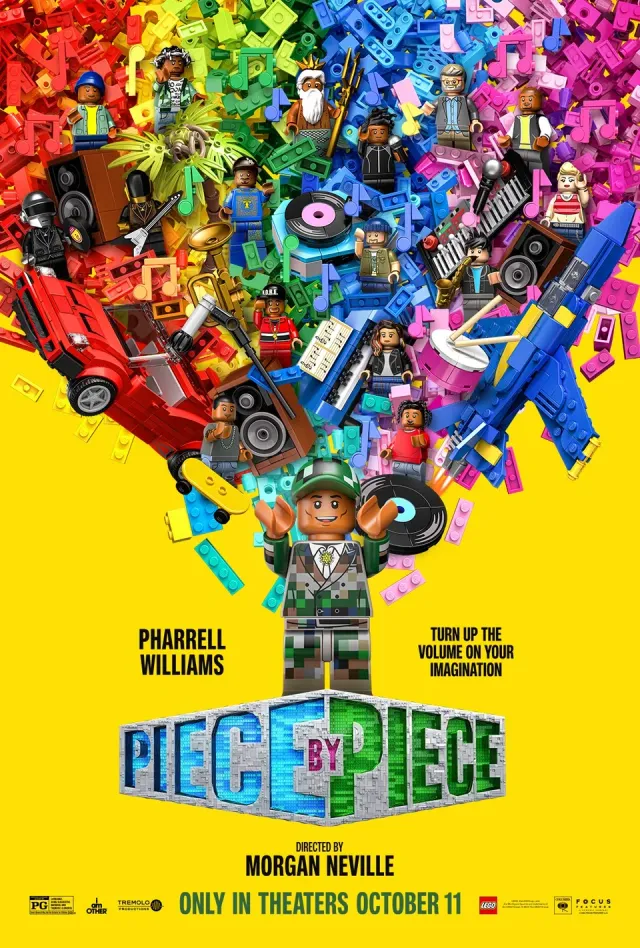
Pharrell Williams recounts his life and creative development through animated Lego imagery, from childhood in Virginia Beach to musical collaborations and global success. Interview material and performance history are translated into a playful visual language that makes music feel like construction: sounds, influences, and partnerships become pieces assembled into new forms. The documentary’s unusual format connects personal memory with an accessible account of artistic process.
Physical breakdown forces a performer to attempt a life outside the identity that has sustained him.
Why this matches +
These films explore a related idea in a different setting, genre or style.
An adjacent discovery: a related idea with a different viewing experience.
Genres: Drama / Sport
The approach A dramatic feature rather than documentary footage.
Shared film traits
Based on recorded story, mood and style. Your preferences can change the order.
What changes Its own story: Physical breakdown forces a performer to attempt a life outside the identity that has sustained him.
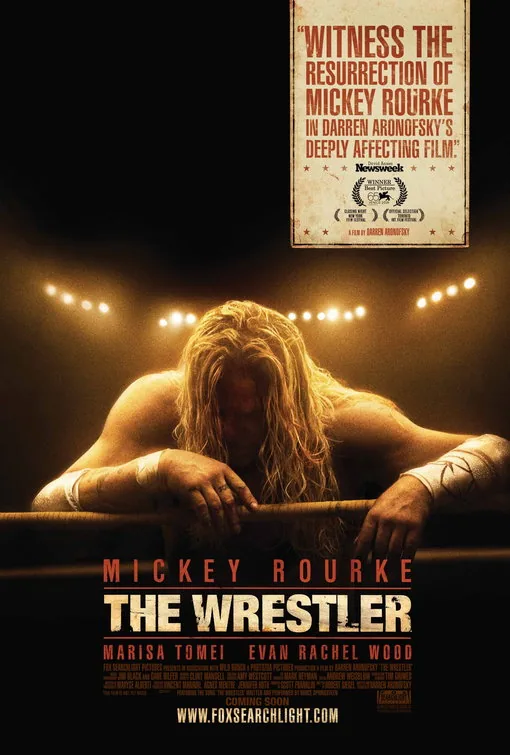
Randy, a once famous professional wrestler, survives on small local shows and a body increasingly damaged by his work. A medical crisis pushes him to consider retirement, reconnect with his estranged daughter, and pursue affection outside the ring. Each attempt reveals how poorly his public persona equips him for ordinary intimacy, making the audience's love both refuge and trap.
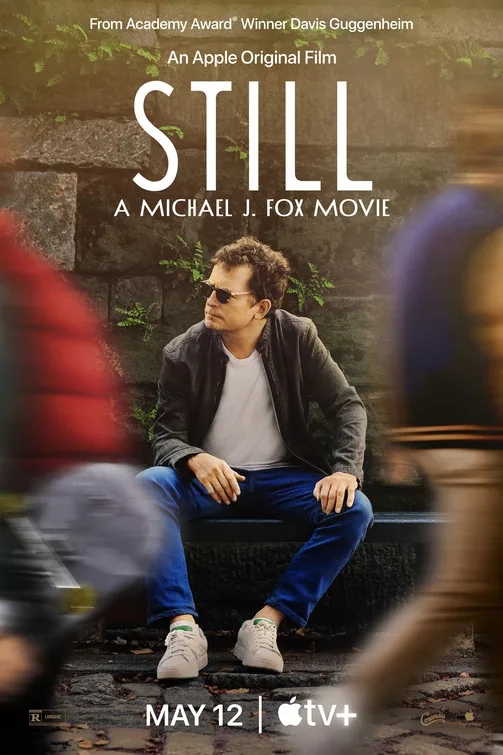
Michael J. Fox looks back on his childhood, acting career, family life and public advocacy while speaking candidly about living with Parkinson's disease. Davis Guggenheim combines a present-day interview with archival footage and dramatized images evoking Fox's memories and physical experience. The documentary moves between fame, illness, resilience and private relationships, showing how a familiar screen persona and a changing body coexist in one life.
What drives the story
Fox narrates a life in performance while confronting Parkinson's and reconsidering how he has lived with it.
The people at its centre
The public entertainer's wit sits beside his family's care and the vulnerability of his private experience.
What it feels like
Archival clips and direct testimony make a familiar career feel like a personal story about time and adaptation.
Worth knowing
The film is anchored by one subject's voice and experience rather than detached observational access.