Both share biographical drama, plus themes of disability and care.
Why this matches +
Genres: Biography / Comedy
Shared film traits
Based on recorded story, mood and style. Your preferences can change the order.
Family and care · Work and ambition
What changes Breathe: relationship-led, life-spanning and episodic milestones. The Sessions: measured, dialogue-driven and emotionally warm.
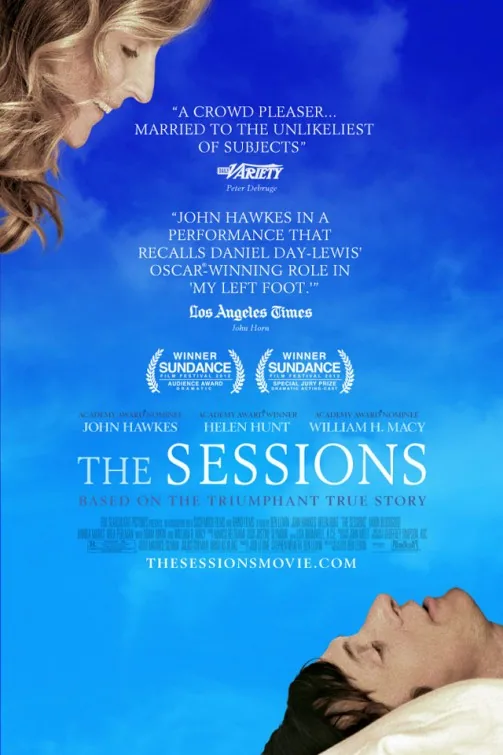
Mark O’Brien is a poet living with the effects of childhood polio, including the use of an iron lung for much of his day. At 38, he wants to pursue sexual intimacy and consults his priest before working with Cheryl, a professional sex surrogate who sets a clear limit on their sessions. Their appointments become more emotionally complex as each learns about the other’s needs, while Cheryl’s husband and Mark’s longtime caregivers remain part of his life.
Based on recorded story, mood and style. Your preferences can change the order.
Survival
What changes Breathe: relationship-led, life-spanning and episodic milestones. Six Days Seven Nights: adventure-driven, comic escalation and romance-led.
New York editor Robin Monroe is stranded with pilot Quinn Harris after their small plane crashes on a remote South Pacific island. They must navigate the island and evade pirates while a search party and Robin’s fiancé remain elsewhere. Their differences in temperament create comic conflict as cooperation becomes necessary for survival. Ivan Reitman’s adventure comedy combines an island escape story with a romantic pairing between a career-focused visitor and a cynical bush pilot, framed by tropical scenery and physical set pieces.
Based on recorded story, mood and style. Your preferences can change the order.
Power and authority · Work and ambition
What changes Breathe: relationship-led, life-spanning and episodic milestones. Gods and Monsters: sittings and conversations deepen the connection and while whale’s memories and worsening health place new strain on it.
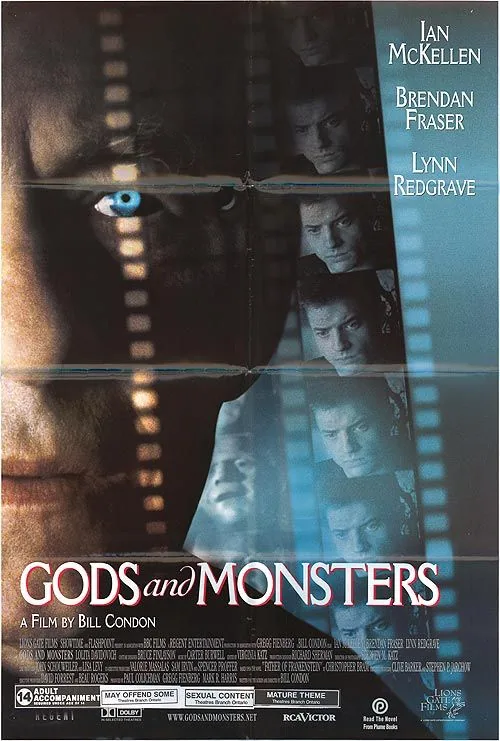
Retired filmmaker James Whale lives with his devoted housekeeper, Hanna, while coping with the effects of several strokes and memories of earlier losses. He befriends Clayton Boone, a young gardener who agrees to pose for his drawings, and the two build a wary connection across differences in age, class and experience. Whale’s stories about his past and his frankness about desire unsettle Boone, while declining health and depression make the friendship harder to navigate. Their conversations bring together Hollywood memory, loneliness and the need to be seen by another person.
Based on recorded story, mood and style. Your preferences can change the order.
What changes Breathe: relationship-led, life-spanning and episodic milestones. BPM (Beats per Minute): ensemble and debate-driven.
In early-1990s Paris, activists with ACT UP debate how to draw attention to the AIDS crisis and press institutions to act. The film moves among meetings, demonstrations and intimate relationships, following both collective strategy and individual loss. Robin Campillo gives the political story an ensemble rhythm shaped by argument, urgency and music, showing activism as practical work as well as a contest over visibility and public responsibility.
Based on recorded story, mood and style. Your preferences can change the order.
Family and care
What changes Breathe: relationship-led, life-spanning and episodic milestones. Coming Home: character-led, gradual and emotionally escalating.
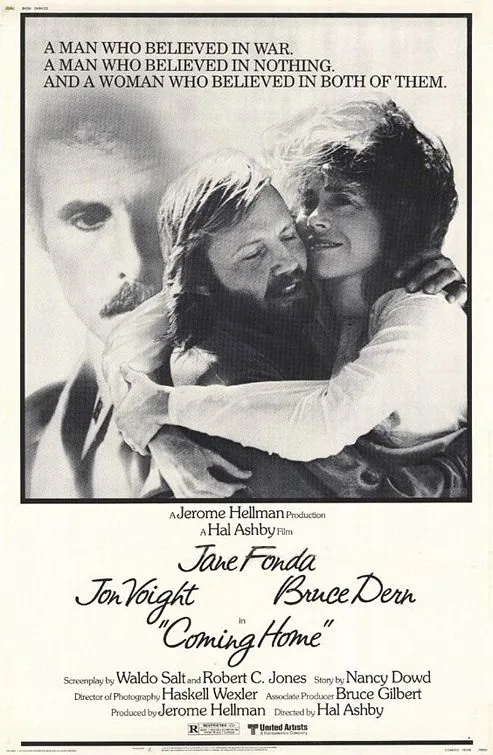
In 1968 California, Sally Hyde watches her Marine husband Bob leave for Vietnam and gradually finds a life of her own. While volunteering at a veterans' hospital, she meets Luke Martin, a former Marine whose war injuries have left him paralyzed and whose views differ sharply from Bob's. Sally and Luke grow close as she learns about wounded veterans and the war's lasting effects. When Bob returns, all three must confront changing loyalties, trauma, and the divide between military duty and private life.
Based on recorded story, mood and style. Your preferences can change the order.
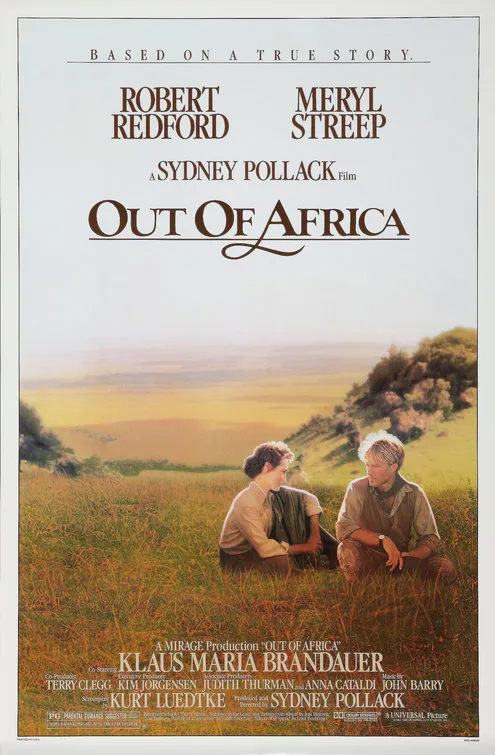
What changes Breathe: relationship-led, life-spanning and episodic milestones. Out of Africa: measured and epic.
Danish writer Karen Blixen moves to colonial Kenya and marries Baron Bror Blixen, expecting a shared coffee farm that he does not manage as promised. She builds a life around the farm, its workers and her friendship with hunter Denys Finch Hatton, whose independence resists the future she imagines for them. War, illness, fire and financial failure gradually make the land less sustainable, while Denys’s death and the farm’s loss end Karen’s life there. The film frames romance and landscape through the memory of a woman looking back on a life that did not become the home she planned.
Based on recorded story, mood and style. Your preferences can change the order.
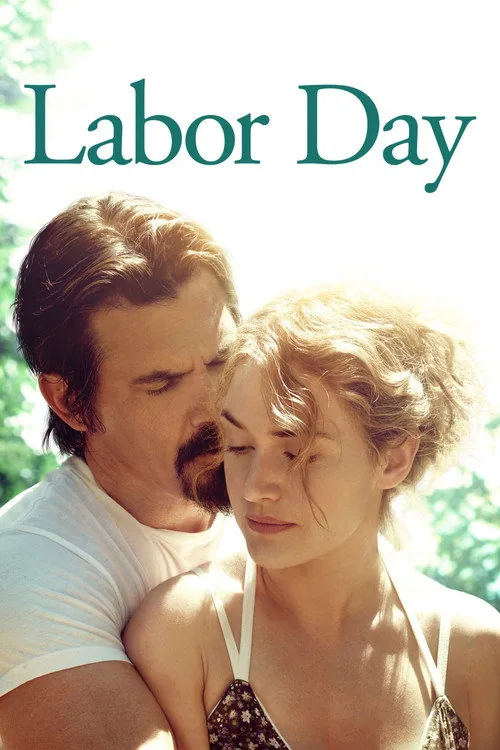
What changes Breathe: relationship-led, life-spanning and episodic milestones. Labor Day: constrained home setting, slowly changing power dynamic and romantic and suspenseful resolution.
In 1987, depressed single mother Adele Wheeler and her young son Henry are shopping when escaped convict Frank Chambers forces them to shelter him at their rural home. Over the Labor Day weekend, the stranger's control gradually gives way to domestic routines and a complicated bond with both mother and child. Police and neighbors remain a threat outside, while Henry tries to understand whether Frank can be trusted. The drama turns a hostage situation into an intimate story about loneliness, attachment, and an uncertain chance at escape.
Based on recorded story, mood and style. Your preferences can change the order.
Family and care
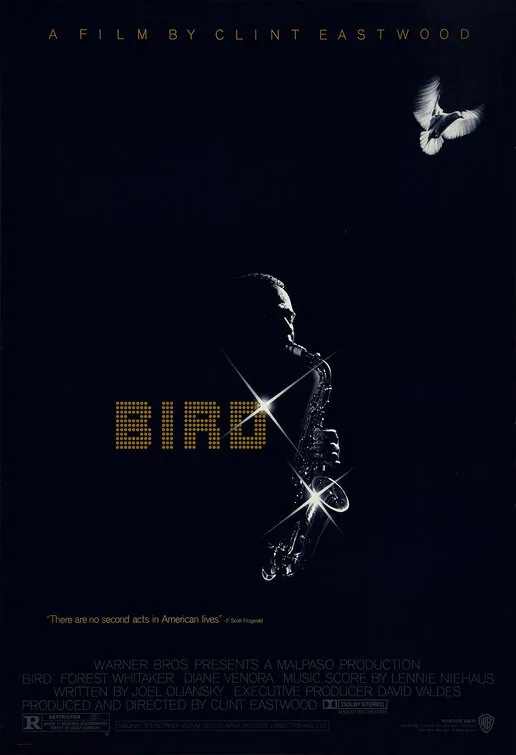
What changes Breathe: relationship-led, life-spanning and episodic milestones. Bird: nonlinear biographical portrait, recurring musical passages and memory-led transitions.
The film follows jazz saxophonist Charlie Parker from his early Kansas City performances into the New York bebop scene and his turbulent life with Chan Parker. Success brings periods of exhilaration and collapse, while drug and alcohol dependence repeatedly interrupts his playing and relationships. Chan helps reconnect him with work and family life, but Parker’s health and artistic drive remain difficult to separate. Told through shifting memories and music, the portrait moves between performance, intimacy and breakdown, framing bebop as a creative revolution carried by a life under strain.
Based on recorded story, mood and style. Your preferences can change the order.
Family and care · Survival
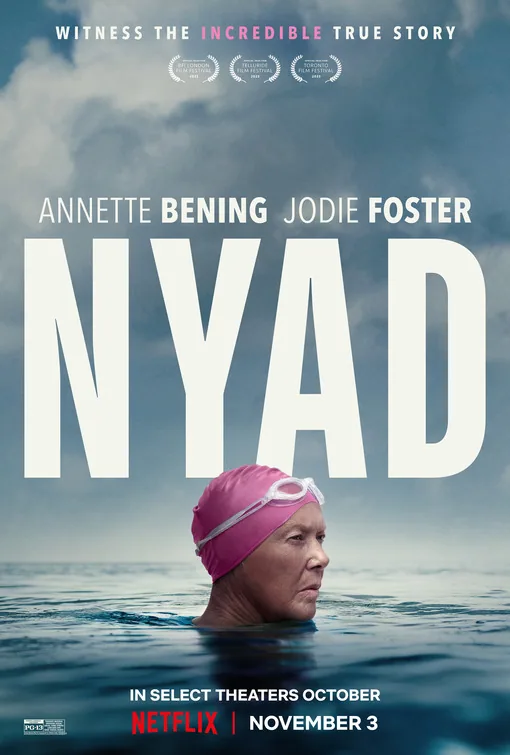
What changes Breathe: relationship-led, life-spanning and episodic milestones. Nyad: training-focused, survival-driven, episodic and climactic.
At sixty, long-distance swimmer Diana Nyad returns to an ambition she has pursued for decades: a nonstop journey from Cuba to Florida. She asks close friend and former partner Bonnie Stoll to train and support her, assembling a crew whose skills become essential during repeated attempts through currents, fatigue and marine hazards. The sports drama focuses on persistence and friendship while adapting a contested real-world achievement through a character-centered account.
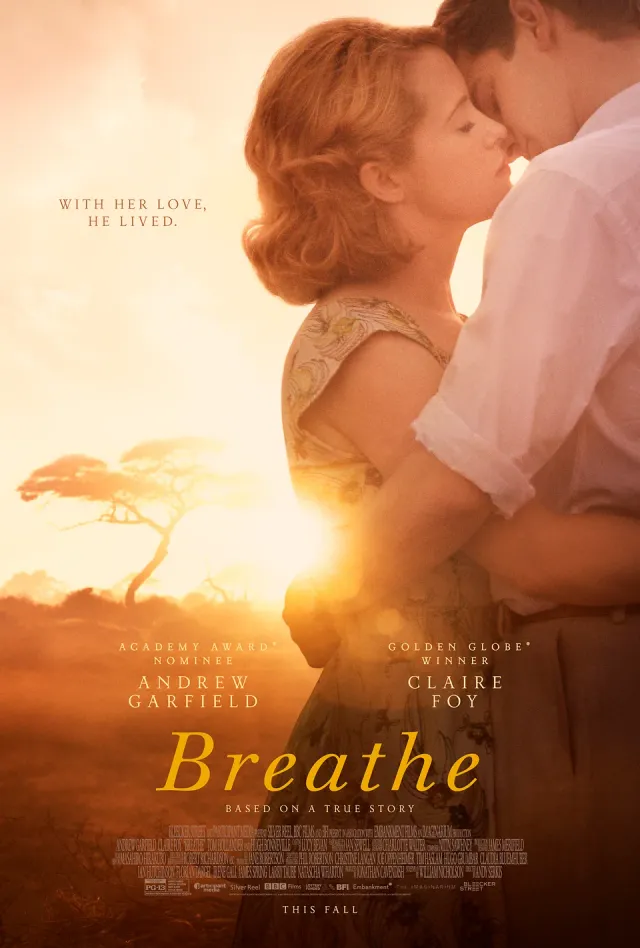
After contracting polio in Kenya in the late 1950s, Robin Cavendish becomes paralyzed from the neck down and dependent on a ventilator. His wife Diana refuses to accept the hospital’s expectation that he remain confined there and helps bring him home. With support from family and friends, Robin adapts equipment and later travels, using his experience to advocate for other people with disabilities. Andy Serkis’s film follows the couple through changes in care, mobility and public life.
What drives the story
Robin and Diana challenge the assumption that his paralysis must keep him in hospital and work to create a more mobile life.
The people at its centre
Diana’s partnership and advocacy help Robin pursue independence, while their relationship adjusts to the practical and emotional demands of long-term care.
What it feels like
A life story about disability is framed around love, ingenuity and the struggle to make ordinary environments more accessible.
Worth knowing
It follows one couple’s long-term adaptation and advocacy after polio, rather than a medical mystery or a story of recovery through a cure.