Explore films connected to Labor Day through loneliness and connection, trust under coercion, motherhood and vulnerability. Choose the qualities you want to carry into your next watch.
What should feel similar?
Find your next favourite
9 films · Closest overall matches
Hide films you’ve seen or don’t want. Saved on this device.
No matches for this combination yet.
Try another option or reset your choices to see more films.
Based on recorded story, mood and style. Your preferences can change the order.
Memory and identity
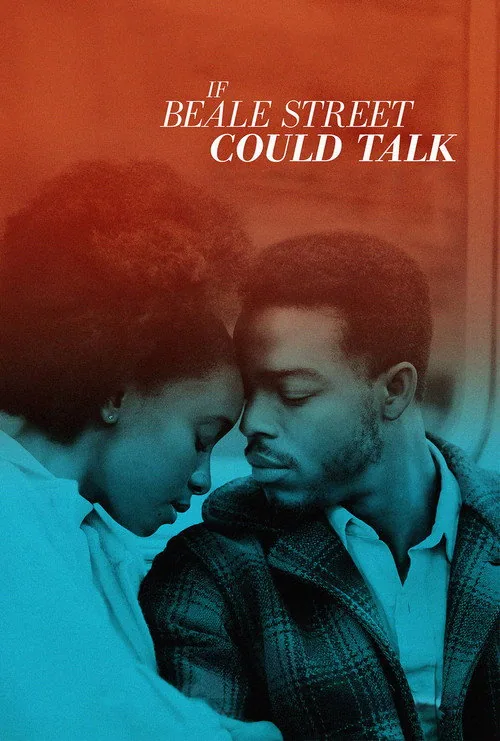
What changes Labor Day: constrained home setting, slowly changing power dynamic and romantic and suspenseful resolution. If Beale Street Could Talk: romance and housing search, legal struggle and reflective open ending.
In 1970s New York, childhood friends Tish Rivers and Fonny Hunt fall in love and try to build a life together despite housing discrimination. When Fonny is jailed for a crime he did not commit, Tish tells their story while pregnant and her family works to secure his release. The film moves across past and present, placing tenderness beside the legal and racial forces separating the couple. Barry Jenkins's adaptation centers Black family support, intimacy, and the emotional costs of a system built to deny justice.
Based on recorded story, mood and style. Your preferences can change the order.
What changes Labor Day: constrained home setting, slowly changing power dynamic and romantic and suspenseful resolution. The January Man: investigation proceeds through pattern recognition and a succession of character encounters.
A serial killer has been murdering women in Manhattan for months when the mayor pressures police commissioner Frank Starkey to bring back his estranged brother Nick, a gifted former detective who left the force in disgrace. Nick agrees to return, but his appointment revives old family and romantic tensions, especially because Frank’s wife Christine is Nick’s former partner. As Nick studies the pattern of the killings, he draws on an eccentric circle of New Yorkers and unconventional reasoning. The investigation becomes entangled with political ambition and the brothers’ unresolved history, blending a murder mystery with a stylized portrait of city life.
Based on recorded story, mood and style. Your preferences can change the order.
What changes Labor Day: constrained home setting, slowly changing power dynamic and romantic and suspenseful resolution. Revolutionary Road: measured, conversation-led and building.
In 1950s Connecticut, Frank and April Wheeler present themselves as a successful young couple, though both feel trapped by a life that has not matched their ambitions. April’s plan to move the family to Paris briefly gives them a shared future, but Frank’s promotion and another pregnancy reopen disagreements about work, parenthood and escape. Their neighbors and the Givings family provide a social world that encourages conformity, while John Givings speaks more openly about the Wheelers’ self-deception. When their plan collapses, both make increasingly destructive choices: April performs an abortion herself and dies from blood loss, leaving Frank to face the irreversible cost of their conflict.
Based on recorded story, mood and style. Your preferences can change the order.
Escape and pursuit
What changes Labor Day: constrained home setting, slowly changing power dynamic and romantic and suspenseful resolution. Wild at Heart: road journey and volatile episodes.
After leaving prison, Sailor Ripley reunites with Lula Fortune, and the couple set out on the road while Lula’s mother tries to separate them by hiring a killer. Their journey crosses a violent Southern landscape of unstable strangers, impulsive choices and pop-cultural fantasies. Sailor’s devotion to Elvis-style performance and Lula’s imagined Wizard of Oz references give their romance a deliberately heightened, dreamlike frame. David Lynch adapts Barry Gifford’s novel as a story of outlaw love that is repeatedly interrupted by menace and grotesque comedy. Their loyalty is sincere, but grotesque disruptions undercut their romantic ideals. Encounters with violent strangers keep the road from settling into a safe couple's getaway.
Based on recorded story, mood and style. Your preferences can change the order.
Escape and pursuit · Memory and identity
What changes Labor Day: constrained home setting, slowly changing power dynamic and romantic and suspenseful resolution. Safe Haven: slow-burn and threat-and-recovery.
A woman arrives in a coastal North Carolina town under a new name after fleeing an abusive past. She builds a quieter life through work and friendships, then grows close to a widowed father and his children. A threat from her former life follows her into this fragile refuge, making the romance inseparable from questions of safety, recovery and whether trust can be rebuilt.
Based on recorded story, mood and style. Your preferences can change the order.
Memory and identity
What changes Labor Day: constrained home setting, slowly changing power dynamic and romantic and suspenseful resolution. The Good Girl: conversational and episodic.
A dissatisfied retail worker begins an affair with a young co-worker while her marriage and small-town routine feel increasingly confining. Their private escape changes once fantasy collides with responsibility and with the people affected by their decisions. The film observes how self-pity can make destructive choices feel like liberation before their consequences become unavoidable. Understated performances and everyday retail spaces give the drama a dry, unsentimental texture.
Based on recorded story, mood and style. Your preferences can change the order.
Escape and pursuit
What changes Labor Day: constrained home setting, slowly changing power dynamic and romantic and suspenseful resolution. Bandits: episodic and character-led.
Two escaped convicts become unlikely bank robbers, using a hostage-friendly approach that makes them folk heroes and draws the police into pursuit. Their partnership changes when a restless woman joins them and both men begin to care for her. The film mixes criminal escapades with romantic uncertainty, asking whether the trio can maintain its unconventional freedom once affection, jealousy and public attention alter the terms of their arrangement.
Based on recorded story, mood and style. Your preferences can change the order.
Memory and identity
What changes Labor Day: constrained home setting, slowly changing power dynamic and romantic and suspenseful resolution. The Tearsmith: slow-building and emotionally heightened.
Nica and Rigel are adopted from the same orphanage into one family after difficult childhoods marked by loss and institutional cruelty. Nica hopes to create a sense of home, while Rigel is guarded and resistant to the change. Their growing closeness is complicated by memories, jealousy and a shared past they cannot leave behind. The Italian teen romance adapts Erin Doom's novel through a heightened gothic mood and an emphasis on chosen family.
Based on recorded story, mood and style. Your preferences can change the order.
Escape and pursuit
What changes Labor Day: constrained home setting, slowly changing power dynamic and romantic and suspenseful resolution. The Retirement Plan: fast, chase-driven, comic violence and resolving.
After a criminal job goes wrong, Ashley and her young daughter Sarah seek help from Ashley’s estranged father Matt, who lives quietly in the Cayman Islands. The beachgoing retiree’s calm routine masks a past that makes him unusually capable when a crime boss sends men after them. Tim Brown’s action thriller uses the island setting for comic reversals while a mother, child and grandfather try to survive long enough to repair their divided family.
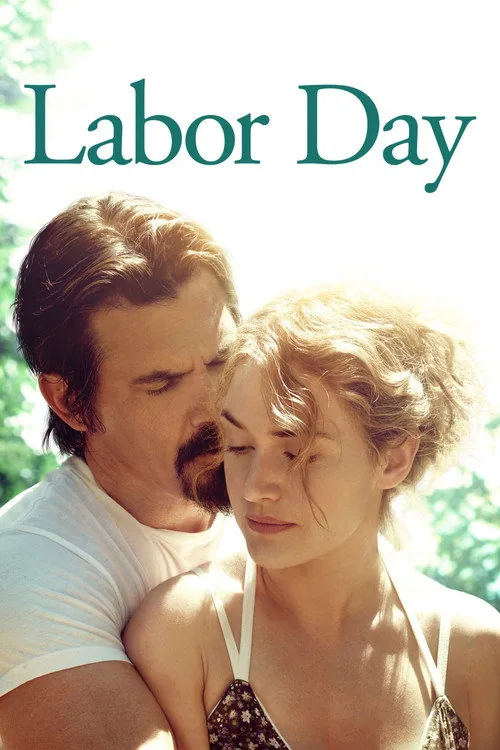
In 1987, depressed single mother Adele Wheeler and her young son Henry are shopping when escaped convict Frank Chambers forces them to shelter him at their rural home. Over the Labor Day weekend, the stranger's control gradually gives way to domestic routines and a complicated bond with both mother and child. Police and neighbors remain a threat outside, while Henry tries to understand whether Frank can be trusted. The drama turns a hostage situation into an intimate story about loneliness, attachment, and an uncertain chance at escape.
What drives the story
Frank's forced arrival keeps Adele and Henry inside the house while the manhunt moves through the surrounding town.
The people at its centre
Henry becomes a bridge between a lonely mother and the fugitive whose authority at home gradually softens.
What it feels like
A contained romantic melodrama blends threat with domestic rituals and an uneasy sense of emotional refuge.
Worth knowing
Its fugitive premise evolves into a tightly focused family drama, rather than a prolonged police procedural.
loneliness and connectiontrust under coercionmotherhood and vulnerability
Mood
intimate · suspenseful · melodramatic
Pacing
constrained home setting · slowly changing power dynamic · romantic and suspenseful resolution
Visual style
late-summer rural atmosphere · domestic close-ups · warm period palette
Storytelling
escaped convict enters a family's home · mother and son form unexpected bond with fugitive · police search maintains external danger