Based on recorded story, mood and style. Your preferences can change the order.
Memory and identity
What changes The Tearsmith: slow-building and emotionally heightened. The Virgin Suicides: reflective and memory-led progression.
Years after five sisters died by suicide, the neighborhood boys who watched them as teenagers revisit their fragmentary memories of the Lisbon family. The film centers on the girls’ restricted lives under protective parents and on the distance between what the boys observed and what they can truly know. Sofia Coppola’s adaptation is a melancholy study of adolescence, family control, and retrospective mythmaking; its subject matter is handled as tragedy, not as a puzzle to solve.
Both share themes of family, plus a romantic atmosphere.
Why this matches +
Genres: Comedy / Romance
Shared film traits
Based on recorded story, mood and style. Your preferences can change the order.
Family and care · Romance and intimacy
What changes The Tearsmith: slow-building and emotionally heightened. The Valet: light, romantic, ensemble-driven and episodic.
Antonio is a Los Angeles valet whose ordinary routine changes after he is photographed beside actress Olivia Allan and her married billionaire partner. To quiet the publicity, Olivia and the developer present Antonio as her boyfriend, drawing him into an unfamiliar social world. As Antonio’s family and neighborhood respond to the arrangement, the film follows a staged romance that becomes entangled with class, reputation, gentrification and the people who depend on him.
Based on recorded story, mood and style. Your preferences can change the order.
Memory and identity
What changes The Tearsmith: slow-building and emotionally heightened. Great Expectations: youth-to-adulthood progression, romantic longing and melodramatic revelations.
Young Florida artist Finn Bell helps an escaped convict and later meets Estella, the guarded niece of a wealthy, reclusive woman who invites him to paint. Years later, Finn unexpectedly receives support from an unknown benefactor and moves to New York, where he hopes to reconnect with Estella. Alfonso Cuarón relocates Dickens's story to contemporary settings and frames it through vivid color, youthful longing, and art, asking how ambition and fantasy can distort a person's memory of love.
Based on recorded story, mood and style. Your preferences can change the order.
Memory and identity
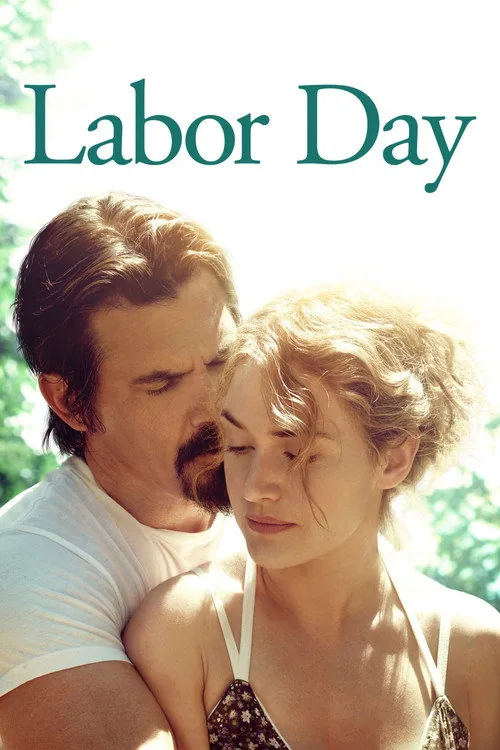
What changes The Tearsmith: slow-building and emotionally heightened. Labor Day: constrained home setting, slowly changing power dynamic and romantic and suspenseful resolution.
In 1987, depressed single mother Adele Wheeler and her young son Henry are shopping when escaped convict Frank Chambers forces them to shelter him at their rural home. Over the Labor Day weekend, the stranger's control gradually gives way to domestic routines and a complicated bond with both mother and child. Police and neighbors remain a threat outside, while Henry tries to understand whether Frank can be trusted. The drama turns a hostage situation into an intimate story about loneliness, attachment, and an uncertain chance at escape.
Based on recorded story, mood and style. Your preferences can change the order.
Family and care · Romance and intimacy
What changes The Tearsmith: slow-building and emotionally heightened. The Man in the Moon: gentle seasonal progression shifts sharply as the family faces tragedy.
During a Louisiana summer in 1957, fourteen-year-old Dani Trant is close to her older sister Maureen and resents the chores and expectations that come with being the younger child. She meets seventeen-year-old neighbor Court Foster at a creek, initially bristles at him, then develops a crush as they spend time together. Dani’s feelings unfold alongside Maureen’s own relationship and the changing rhythms of their family, where both sisters are learning about affection and independence. A sudden tragedy changes the household and turns Dani’s summer of first love into a painful passage toward adulthood.
Based on recorded story, mood and style. Your preferences can change the order.
Family and care · Romance and intimacy
What changes The Tearsmith: slow-building and emotionally heightened. The Photograph: present-day investigation begins, letters reveal a past romance, two relationships develop in parallel and emotional histories converge.
After the death of her mother Christina, archivist Mae Eames finds a photograph and letters that open a path into Christina’s earlier life in Louisiana. Journalist Michael Block is investigating that past and becomes involved with Mae as they work through the records and memories Christina left behind. Their present-day relationship is interwoven with the younger Christina’s romance with Isaac, creating two love stories shaped by different choices and circumstances. Stella Meghie’s romantic drama uses photography and family history to explore intimacy, inheritance, and what people preserve for the future.
Based on recorded story, mood and style. Your preferences can change the order.
What changes The Tearsmith: slow-building and emotionally heightened. My Fault: London: move to a new household introduces conflict, attraction grows through summer encounters and outside danger tests the relationship.
Eighteen-year-old Noah moves from America to London after her mother begins a relationship with wealthy businessman William. In their new home, Noah meets William's rebellious son Nick, and their initial dislike soon turns into a powerful attraction neither can easily avoid. As she adjusts to a new city and social circle, Noah's difficult past and Nick's risky lifestyle complicate their relationship. This British adaptation of Mercedes Ron's Culpables novel follows a young couple through first love, family change, and the consequences of trying to keep a forbidden romance hidden.
Based on recorded story, mood and style. Your preferences can change the order.
Memory and identity
What changes The Tearsmith: slow-building and emotionally heightened. Rumor Has It: comedy of inquiry, romantic turns and steady character-led flow.
Sarah Huttinger returns to Pasadena for her sister's wedding while uncertain about her own engagement. A family revelation leads her to suspect that her mother and grandmother inspired the people in a famous novel and film, so she seeks out a man connected to their past. The investigation turns into a personal test of what Sarah wants from marriage and whether family stories can be trusted. Rob Reiner's romantic comedy plays with literary and movie lore while keeping its focus on a contemporary woman trying to choose her future.
Based on recorded story, mood and style. Your preferences can change the order.
Memory and identity
What changes The Tearsmith: slow-building and emotionally heightened. The Dressmaker: episodic social encounters and builds toward tragic reckoning.
Tilly Dunnage returns to her remote Australian hometown after years away, carrying memories of the childhood accusation that drove her out. She settles with her ailing mother and uses her skill as a dressmaker to win clients among the townspeople, while trying to understand what happened and settle old scores. Jocelyn Moorhouse blends period melodrama, revenge, romance, and broad black comedy, contrasting the beauty of Tilly’s couture with the cruelty and self-deception of the rural community that once rejected her.
Nica and Rigel are adopted from the same orphanage into one family after difficult childhoods marked by loss and institutional cruelty. Nica hopes to create a sense of home, while Rigel is guarded and resistant to the change. Their growing closeness is complicated by memories, jealousy and a shared past they cannot leave behind. The Italian teen romance adapts Erin Doom's novel through a heightened gothic mood and an emphasis on chosen family.
What drives the story
Two adopted teenagers with a shared past struggle to form a family and understand their growing feelings.
The people at its centre
Nica seeks closeness while Rigel's guardedness makes trust difficult for both of them.
What it feels like
Gothic imagery amplifies the melodrama and gives remembered trauma a visual presence.
Worth knowing
The story uses a heightened young-adult romance rather than naturalistic family drama.