Explore films connected to The Photograph through love across generations, memory, mother-daughter connection. Choose the qualities you want to carry into your next watch.
What should feel similar?
Find your next favourite
9 films · Closest overall matches
Hide films you’ve seen or don’t want. Saved on this device.
No matches for this combination yet.
Try another option or reset your choices to see more films.
Based on recorded story, mood and style. Your preferences can change the order.
Memory and identity
What changes The Photograph: present-day investigation begins, letters reveal a past romance, two relationships develop in parallel and emotional histories converge. Little Women: nonlinear and episodic.
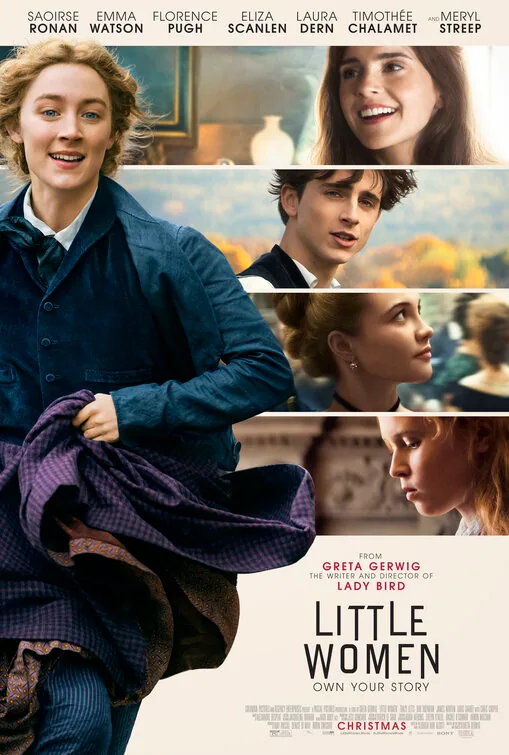
Greta Gerwig’s adaptation moves between the March sisters’ youthful household and their adult lives, using a non-linear structure to make memory, loss and ambition speak across time. Jo pursues writing and financial independence, Meg chooses a less publicly celebrated domestic life, Amy weighs artistic aspiration against material limits, and Beth’s illness shapes the family’s sense of what can be preserved. The publisher’s demand that Jo’s novel end in marriage creates a final ambiguity between character and author: the film gives her a romantic conclusion while also showing her negotiate ownership and payment for her book. This is neither a simple rejection of Alcott’s ending nor an unambiguous confirmation of romance. The two timelines let Jo’s authorship and lived future remain productively entangled.
Both share a bittersweet and reflective atmosphere.
Why this matches +
Genres: Comedy / Romance
Shared film traits
Based on recorded story, mood and style. Your preferences can change the order.
Romance and intimacy · Memory and identity
What changes The Photograph: present-day investigation begins, letters reveal a past romance, two relationships develop in parallel and emotional histories converge. The Map of Tiny Perfect Things: playful, episodic, light and gradually reflective.
Mark has learned to predict the repeated day down to its smallest gestures, until Margaret interrupts one of his familiar routines and reveals that she is caught in the same loop. Their map of moments worth noticing turns the science-fiction premise into a gentle courtship and a study of attention. As they imagine escape, Mark begins to understand that Margaret’s reasons for staying are tied to a private family crisis and a different sense of what the day means.
Both share themes of memory, plus a bittersweet atmosphere.
Why this matches +
Genres: Drama / Romance
Shared film traits
Based on recorded story, mood and style. Your preferences can change the order.
Romance and intimacy · Memory and identity
What changes The Photograph: present-day investigation begins, letters reveal a past romance, two relationships develop in parallel and emotional histories converge. The Last Letter from Your Lover: ellie’s search through old correspondence reveals a 1960s relationship and while the film follows jennifer’s attempts to understand the letters and her past..
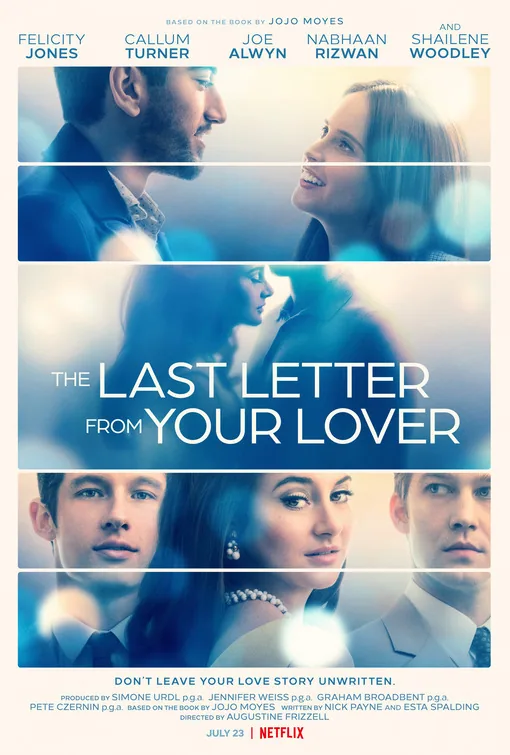
In present-day London, journalist Ellie Haworth finds a misfiled letter in her newspaper’s archive and becomes curious about the people behind it. Her search leads to a second, decades-old romance: in the 1960s, Jennifer Stirling struggles to remember her life after an accident and is drawn to letters addressed to her. The dual timelines connect archival discovery with a love story interrupted by social expectations.
Based on recorded story, mood and style. Your preferences can change the order.
Memory and identity
What changes The Photograph: present-day investigation begins, letters reveal a past romance, two relationships develop in parallel and emotional histories converge. Rumor Has It: comedy of inquiry, romantic turns and steady character-led flow.
Sarah Huttinger returns to Pasadena for her sister's wedding while uncertain about her own engagement. A family revelation leads her to suspect that her mother and grandmother inspired the people in a famous novel and film, so she seeks out a man connected to their past. The investigation turns into a personal test of what Sarah wants from marriage and whether family stories can be trusted. Rob Reiner's romantic comedy plays with literary and movie lore while keeping its focus on a contemporary woman trying to choose her future.
Both share themes of intimacy, plus a reflective atmosphere.
Why this matches +
Genres: Drama / Romance
Shared film traits
Based on recorded story, mood and style. Your preferences can change the order.
Romance and intimacy · Memory and identity
What changes The Photograph: present-day investigation begins, letters reveal a past romance, two relationships develop in parallel and emotional histories converge. Certified Copy: measured, dialogue-driven and gradually shifting.
At a book event in Tuscany, writer James Miller meets a French antiques dealer who has brought her son and several copies of his book about authenticity in art. After a strained first exchange, they spend an afternoon driving, walking through town and debating originals, reproductions and intimate relationships. Their conversation gradually takes on the rhythms of a long-established couple, though the film leaves the status of their roles unsettled. The encounter tests whether an experience can gain meaning regardless of its origin.
Based on recorded story, mood and style. Your preferences can change the order.
What changes The Photograph: present-day investigation begins, letters reveal a past romance, two relationships develop in parallel and emotional histories converge. Save the Last Dance: gradual and romance-led.
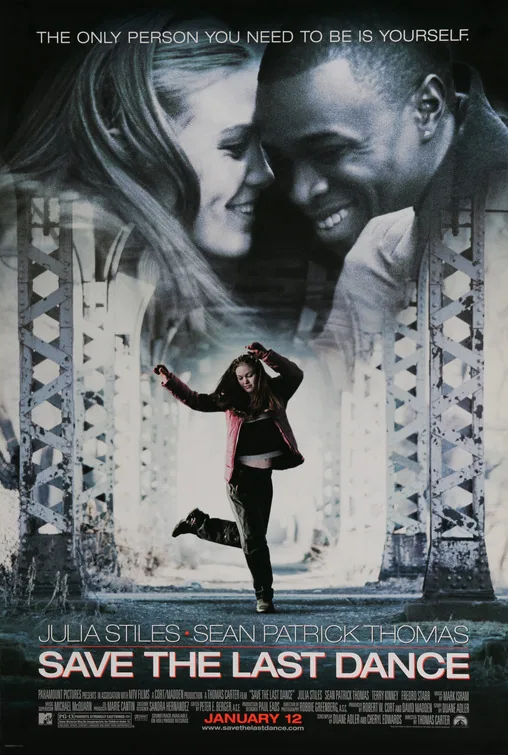
After her mother’s death, aspiring ballet dancer Sara moves to Chicago to live with her father and enrolls at a new school. She falls for Derek, a classmate who introduces her to a different dance community, and begins combining ballet training with hip-hop movement. The romance and dance story follow her effort to reclaim ambition while negotiating grief, cultural assumptions and the pressure to prove that her artistic voice belongs.
Both share themes of memory, plus a bittersweet atmosphere.
Why this matches +
Genres: Drama / Comedy
Shared film traits
Based on recorded story, mood and style. Your preferences can change the order.
Romance and intimacy · Memory and identity
What changes The Photograph: present-day investigation begins, letters reveal a past romance, two relationships develop in parallel and emotional histories converge. Now and Then: present-day reunion frames episodic memories that build toward a shared childhood discovery.
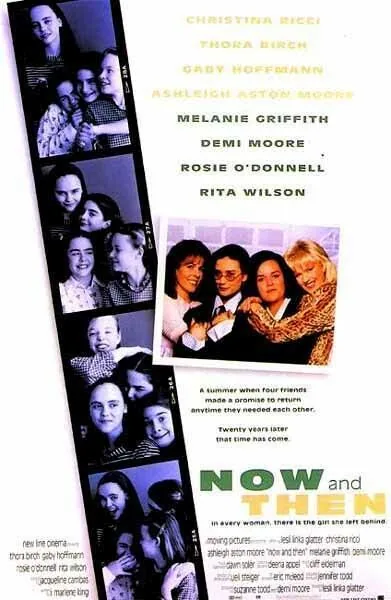
In 1995, four women return to their Indiana hometown and remember the summer they spent together as twelve-year-olds in 1970. Samantha, Teeny, Roberta and Chrissy each faced different questions about family, growing up and the people they hoped to become. Their childhood plan to build a tree house gives the summer a shared purpose, while a local mystery draws them toward the story of a boy who died years earlier. Adult conversation and flashbacks connect the friends’ present lives with the bonds and discoveries that shaped them, showing how their memories remain a part of who they are.
Based on recorded story, mood and style. Your preferences can change the order.
Romance and intimacy · Memory and identity
What changes The Photograph: present-day investigation begins, letters reveal a past romance, two relationships develop in parallel and emotional histories converge. The Broken Hearts Gallery: breakup and job loss, creative idea takes shape, gallery grows through visitors and romantic and professional payoff.
Lucy works at a New York art gallery and collects keepsakes from past relationships, until a breakup costs her both her boyfriend and her job. She meets Nick, an aspiring hotelier renovating an old property, and turns her collection into a public gallery where people can leave objects connected to heartbreak. The project gives Lucy a new creative purpose and draws in friends and strangers who recognize themselves in the exhibits. Natalie Krinsky’s romantic comedy follows emotional recovery through friendship, art, and a shared space built from the things people could not throw away.
Based on recorded story, mood and style. Your preferences can change the order.
Romance and intimacy · Memory and identity
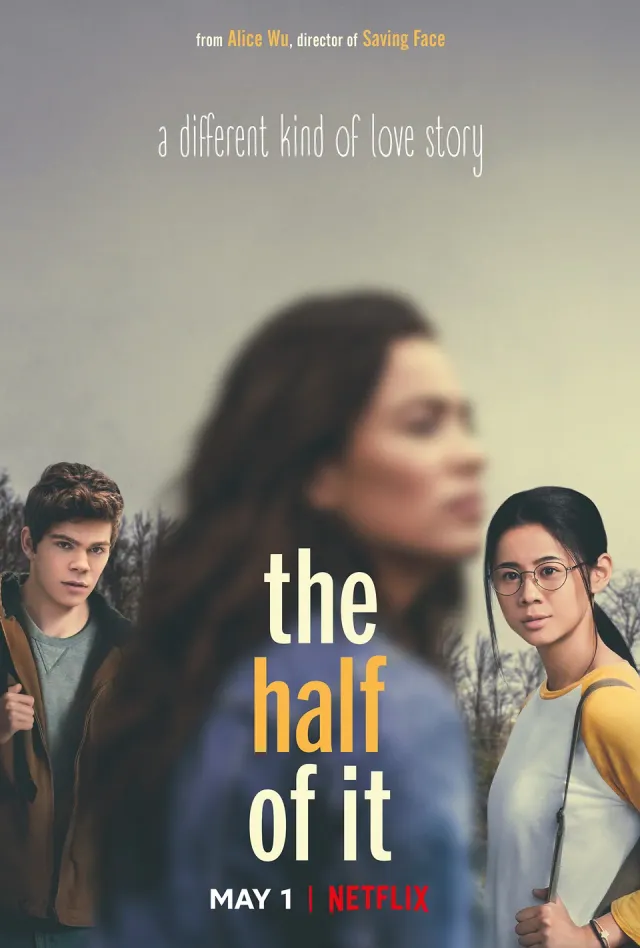
What changes The Photograph: present-day investigation begins, letters reveal a past romance, two relationships develop in parallel and emotional histories converge. The Half of It: essay-for-hire setup, messages and misunderstandings, friendship deepens and emotional disclosure and departure.
Ellie Chu lives in a small Washington town with her widowed father and earns money by writing classmates’ essays. Paul, an inarticulate football player, asks her to help him court Aster, a girl Ellie secretly loves herself. Ellie begins sending messages as Paul, but their collaboration becomes a genuine friendship and the feelings among all three grow more complicated. Alice Wu’s coming-of-age comedy-drama reworks Cyrano de Bergerac as a quiet story about queer identity, family responsibility, and the risk of being known.
After the death of her mother Christina, archivist Mae Eames finds a photograph and letters that open a path into Christina’s earlier life in Louisiana. Journalist Michael Block is investigating that past and becomes involved with Mae as they work through the records and memories Christina left behind. Their present-day relationship is interwoven with the younger Christina’s romance with Isaac, creating two love stories shaped by different choices and circumstances. Stella Meghie’s romantic drama uses photography and family history to explore intimacy, inheritance, and what people preserve for the future.
What drives the story
A photograph and two letters connect an archivist and a journalist to the love story her late mother left behind.
The people at its centre
Mae’s developing relationship with Michael unfolds alongside her efforts to understand Christina’s choices and her own family history.
What it feels like
The film braids a contemporary romance with an earlier relationship, letting photographs and letters carry emotional meaning across time.
Worth knowing
It makes a mother’s photographic archive the bridge between two love stories, rather than treating the past as a separate period drama.
love across generationsmemorymother-daughter connection
Mood
gentle · sensual · bittersweet · reflective
Pacing
present-day investigation begins · letters reveal a past romance · two relationships develop in parallel · emotional histories converge
Visual style
warm natural light · archival photographs · New York and Louisiana contrast · intimate close-ups
Storytelling
interwoven timelines · photography and archive motif · journalist and archivist romance · family-history mystery