Explore films connected to The Map of Tiny Perfect Things through attention, time, empathy. Choose the qualities you want to carry into your next watch.
What should feel similar?
Find your next favourite
9 films · Closest overall matches
Hide films you’ve seen or don’t want. Saved on this device.
No matches for this combination yet.
Try another option or reset your choices to see more films.
Both share themes of time, plus a reflective atmosphere.
Why this matches +
Genres: Comedy / Drama
Shared film traits
Based on recorded story, mood and style. Your preferences can change the order.
Coming of age · Memory and identity
Expect playful and wistful, with light and episodic pacing.
On the eve of adulthood, Elliott takes mushrooms with friends and encounters an older version of herself who offers warnings about the future. The meeting seems playful until the advice touches Elliott's relationships and desire to leave home for college. As she tries to follow the instructions, she discovers that protecting a future self can come at the cost of being present with the people she loves, especially an unexpected new connection.
Both share themes of grief, plus a tender atmosphere.
Why this matches +
Genres: Comedy / Romance
Shared film traits
Based on recorded story, mood and style. Your preferences can change the order.
Constructed reality · Memory and identity
What changes The Map of Tiny Perfect Things: playful, episodic, light and gradually reflective. Love at First Sight: gentle, romantic, interwoven and resolving.
After missing a flight from New York to London, Hadley meets Yale student Oliver at the airport and discovers an easy connection during their long journey. They separate after landing without exchanging enough information to find one another, while each faces a different family event in England. Vanessa Caswill’s romantic drama frames the chance encounter through probability and coincidence, following the young travelers as grief, family change and hope shape their search for a reunion.
Based on recorded story, mood and style. Your preferences can change the order.
Coming of age · Memory and identity
What changes The Map of Tiny Perfect Things: playful, episodic, light and gradually reflective. Sorry, Baby: nonlinear chapters move through agnes's life, academic and social routines continue and past experience shapes present choices.
Agnes is a literature graduate student at a small New England college whose life is derailed by an assault from her thesis adviser. Rather than treating that experience as the whole of her identity, the film follows her across several years in nonlinear chapters, returning to her friendship with Lydie, her work, her humor, and the uneven process of trying to move forward. Agnes is later a professor at the same institution, still living with what happened while people around her continue their lives. The black comedy-drama balances pain with warmth and everyday absurdity.
Both share a reflective and bittersweet atmosphere.
Why this matches +
Genres: Drama / Romance
Shared film traits
Based on recorded story, mood and style. Your preferences can change the order.
Memory and identity · Romance and intimacy
What changes The Map of Tiny Perfect Things: playful, episodic, light and gradually reflective. The Photograph: present-day investigation begins, letters reveal a past romance, two relationships develop in parallel and emotional histories converge.
After the death of her mother Christina, archivist Mae Eames finds a photograph and letters that open a path into Christina’s earlier life in Louisiana. Journalist Michael Block is investigating that past and becomes involved with Mae as they work through the records and memories Christina left behind. Their present-day relationship is interwoven with the younger Christina’s romance with Isaac, creating two love stories shaped by different choices and circumstances. Stella Meghie’s romantic drama uses photography and family history to explore intimacy, inheritance, and what people preserve for the future.
Based on recorded story, mood and style. Your preferences can change the order.
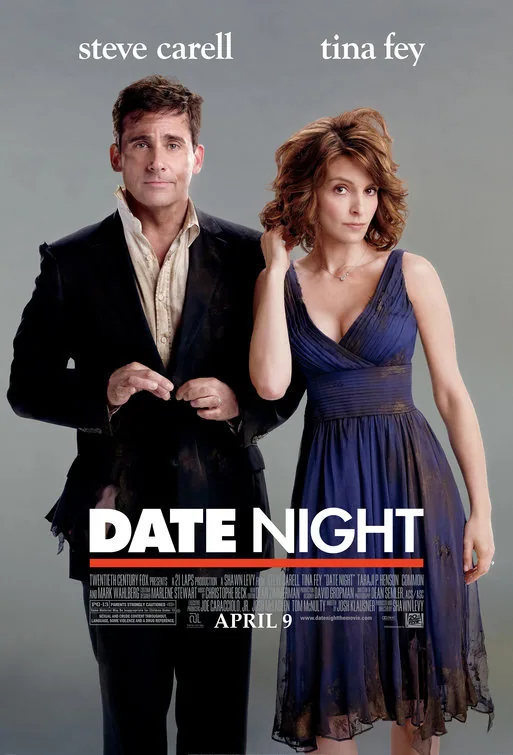
What changes The Map of Tiny Perfect Things: playful, episodic, light and gradually reflective. Date Night: fast and escalating.
Phil and Claire Foster have settled into a busy family routine that leaves their weekly date feeling predictable. Hoping to rekindle their connection, they take a reservation at a fashionable Manhattan restaurant, where a case of mistaken identity makes them targets of dangerous men. The couple's night becomes a series of escapes across the city, forcing them to rely on each other's improvisation and remember why they chose one another.
Based on recorded story, mood and style. Your preferences can change the order.
What changes The Map of Tiny Perfect Things: playful, episodic, light and gradually reflective. Holidate: calendar-based, comic set pieces and romance-led.
Sloane Benson is tired of being judged by her family for remaining single at holidays, while Australian golfer Jackson is frustrated by dates that create unwanted expectations. After a chance encounter, they agree to attend each other’s holiday gatherings as platonic companions. Repeating the arrangement through the year brings them into each other’s families and traditions, where the boundaries of the pact become harder to maintain. John Whitesell’s romantic comedy uses a calendar of celebrations to structure a familiar friends-to-lovers story.
Based on recorded story, mood and style. Your preferences can change the order.
Constructed reality · Memory and identity
What changes The Map of Tiny Perfect Things: playful, episodic, light and gradually reflective. Vanilla Sky: measured and slow reveal.
A wealthy publisher's casual treatment of intimacy is disrupted by a new romance and a car journey that leaves his life radically altered. As familiar relationships become difficult to trust, he recounts events to a psychiatrist while facing a criminal accusation. Desire, disfigurement and uncertain memories turn the effort to recover his former life into a search for the boundary between experience and wish fulfilment.
Based on recorded story, mood and style. Your preferences can change the order.
Coming of age · Constructed reality
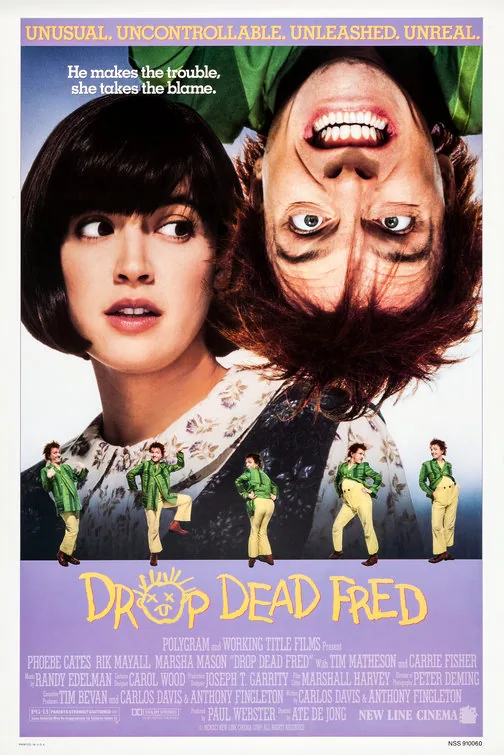
What changes The Map of Tiny Perfect Things: playful, episodic, light and gradually reflective. Drop Dead Fred: escalating comic disruptions are threaded through flashbacks and a recovery of childhood memory.
Elizabeth Cronin’s adult life feels increasingly out of control: her husband wants a divorce, she loses her job and car, and her mother Polly urges her to win the marriage back by changing herself. A reunion with childhood friend Mickey revives memories of Drop Dead Fred, the imaginary companion who once made Elizabeth’s life joyful and chaotic. When she opens an old jack-in-the-box, Fred reappears and turns her carefully suppressed frustrations into comic disruption. His antics force Elizabeth to confront the people who have shaped her choices and decide what kind of independence she wants.
Based on recorded story, mood and style. Your preferences can change the order.
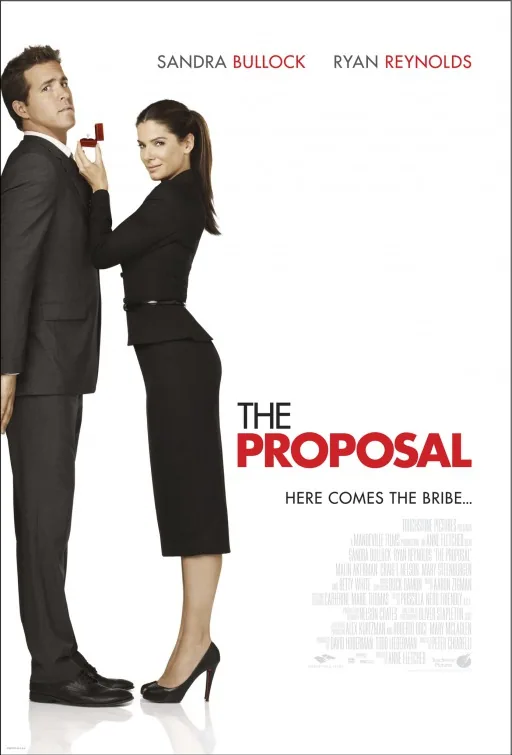
What changes The Map of Tiny Perfect Things: playful, episodic, light and gradually reflective. The Proposal: fast-paced and forced proximity.
When Canadian publishing executive Margaret Tate learns she may be deported, she coerces her assistant Andrew Paxton into pretending to be her fiancé. An immigration officer suspects fraud and gives them a short deadline, so the couple travels to Andrew's Alaska hometown to convince his family the relationship is real. Margaret discovers a close-knit household and a history between Andrew and his father that he has hidden from her. Their staged romance becomes harder to separate from genuine affection as they face family rituals, old hurt and the possibility of legal consequences. The story's main pressure comes from the gap between Margaret's power at work and her dependence on Andrew's willingness to play along, before the arrangement forces both to speak more honestly.
Mark has learned to predict the repeated day down to its smallest gestures, until Margaret interrupts one of his familiar routines and reveals that she is caught in the same loop. Their map of moments worth noticing turns the science-fiction premise into a gentle courtship and a study of attention. As they imagine escape, Mark begins to understand that Margaret’s reasons for staying are tied to a private family crisis and a different sense of what the day means.
What drives the story
Mark knows the repeated day by heart, while Margaret’s arrival gives him a partner and a reason to look beyond escape.
The people at its centre
Mark moves from treating the loop as his personal playground toward showing up for his family and listening to Margaret.
What it feels like
A buoyant time-loop conceit gives small acts of kindness and familiar scenery an accumulating emotional weight.
Worth knowing
A tender young-adult romance about presence and grief, with time-loop play rather than elaborate science-fiction mechanics.