Based on recorded story, mood and style. Your preferences can change the order.
Memory and identity · Family and care
What changes Drop Dead Fred: escalating comic disruptions are threaded through flashbacks and a recovery of childhood memory. The Map of Tiny Perfect Things: playful, episodic, light and gradually reflective.
Mark has learned to predict the repeated day down to its smallest gestures, until Margaret interrupts one of his familiar routines and reveals that she is caught in the same loop. Their map of moments worth noticing turns the science-fiction premise into a gentle courtship and a study of attention. As they imagine escape, Mark begins to understand that Margaret’s reasons for staying are tied to a private family crisis and a different sense of what the day means.
Based on recorded story, mood and style. Your preferences can change the order.
Memory and identity · Constructed reality
What changes Drop Dead Fred: escalating comic disruptions are threaded through flashbacks and a recovery of childhood memory. A Very Brady Sequel: comic deception unfolds through domestic episodes.
A man arrives at the Brady home claiming to be Carol's long-lost first husband, and the family accepts his story despite his hostility and evasions. His presence disrupts plans for Mike and Carol's anniversary and changes how the children see their family. The sequel repeats the series' gentle culture-clash humor while adding a con-artist plot around a valuable artifact.
Based on recorded story, mood and style. Your preferences can change the order.
Memory and identity · Constructed reality
What changes Drop Dead Fred: escalating comic disruptions are threaded through flashbacks and a recovery of childhood memory. That's My Boy: wedding-weekend farce with escalating revelations.
A financially reckless former child celebrity seeks out the successful adult son he has been estranged from, hoping a televised reunion will solve his debts. Their wedding-weekend encounter turns into an uneasy test of responsibility, public shame and whether affection can survive a history built around exploitation. The comedy is deliberately raunchy and its premise treats serious abuse as outrageous farce, a major tonal and content distinction.
Based on recorded story, mood and style. Your preferences can change the order.
Memory and identity
What changes Drop Dead Fred: escalating comic disruptions are threaded through flashbacks and a recovery of childhood memory. I Love You to Death: farce escalates through repeated schemes.
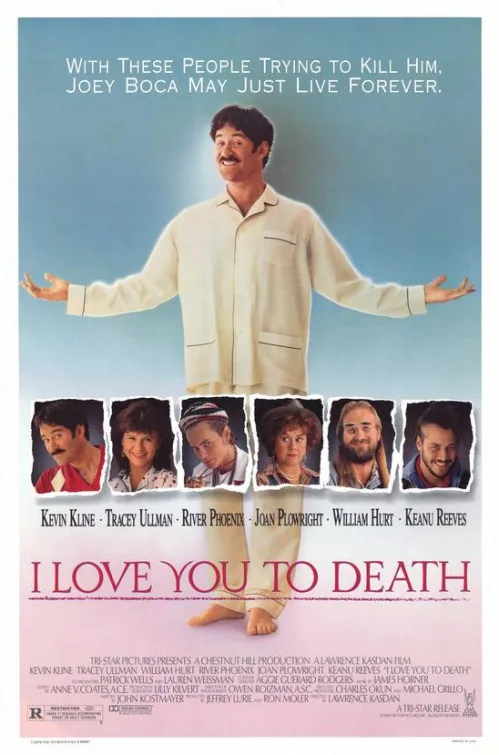
Pizza-parlor owner Joey Boca is habitually unfaithful, and his wife Rosalie eventually learns that his promises cannot be trusted. Her mother and a young admirer encourage a desperate plan to end the marriage permanently, but their attempts at murder become increasingly inept and entangled. The comedy draws on a real attempted murder case while keeping its attention on an eccentric household and the fallout of betrayal.
Based on recorded story, mood and style. Your preferences can change the order.
Memory and identity
What changes Drop Dead Fred: escalating comic disruptions are threaded through flashbacks and a recovery of childhood memory. Jersey Girl: measured and character-led.
After a sudden family loss changes the course of his life, Ollie Trinke must combine single parenthood with a career far removed from the one he expected. Years later, in New Jersey, a possible return to work and a new romantic connection test the priorities he has built around his daughter. The comedy-drama centers adjustment, caregiving and the possibility of starting again without erasing grief.
Based on recorded story, mood and style. Your preferences can change the order.
What changes Drop Dead Fred: escalating comic disruptions are threaded through flashbacks and a recovery of childhood memory. Who's Harry Crumb?: clue trail interrupted by disguises and comic setbacks.
A wealthy heiress disappears, and a bumbling private investigator is hired to locate her before the family pays a ransom. Harry Crumb follows clues through a chain of disguises, mistaken assumptions and eccentric suspects, unaware that the head of the detective agency is concealing a role in the crime. The mystery supplies a framework for broad physical comedy and a succession of comic misreadings.
Based on recorded story, mood and style. Your preferences can change the order.
Memory and identity · Family and care
What changes Drop Dead Fred: escalating comic disruptions are threaded through flashbacks and a recovery of childhood memory. The Personal History of David Copperfield: episodic life chapters, quick comic exchanges and coming-of-age progression.
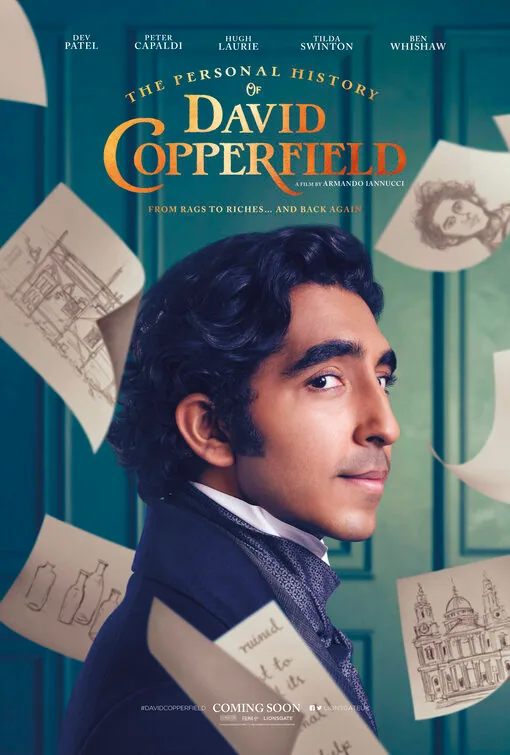
David Copperfield grows up moving between moments of affection and hardship, from visits to a seaside boat-house family to life under a cruel stepfather and work in a London factory. As a young man, he seeks help from his eccentric aunt Betsey Trotwood and begins to find his way among friends, mentors, and complicated households. Armando Iannucci’s adaptation reshapes Dickens’s novel as a comic, lively journey toward independence and authorship.
Based on recorded story, mood and style. Your preferences can change the order.
What changes Drop Dead Fred: escalating comic disruptions are threaded through flashbacks and a recovery of childhood memory. Snatched: adventure episodes with comic recovery.
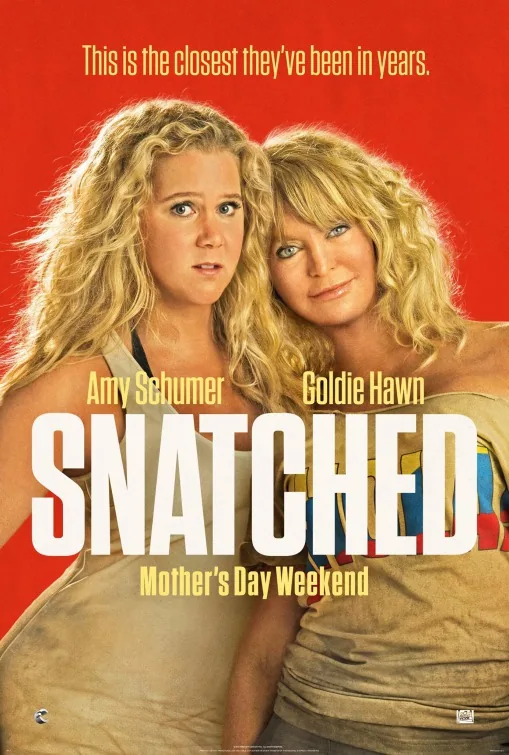
After losing her job and boyfriend, Emily persuades her cautious mother Linda to join her on a trip to Ecuador. The holiday takes a dangerous turn when the two are kidnapped, forcing them to rely on each other and on strangers as they try to escape. The comedy reverses their usual parent-child roles: Linda’s careful preparation becomes useful, while Emily must reconsider how much she has taken her mother for granted.
Based on recorded story, mood and style. Your preferences can change the order.
Memory and identity · Coming of age
What changes Drop Dead Fred: escalating comic disruptions are threaded through flashbacks and a recovery of childhood memory. Sorry, Baby: nonlinear chapters move through agnes's life, academic and social routines continue and past experience shapes present choices.
Agnes is a literature graduate student at a small New England college whose life is derailed by an assault from her thesis adviser. Rather than treating that experience as the whole of her identity, the film follows her across several years in nonlinear chapters, returning to her friendship with Lydie, her work, her humor, and the uneven process of trying to move forward. Agnes is later a professor at the same institution, still living with what happened while people around her continue their lives. The black comedy-drama balances pain with warmth and everyday absurdity.
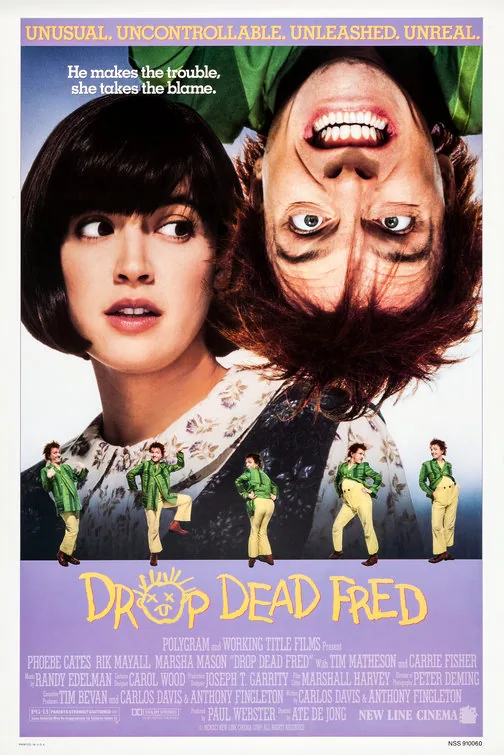
Elizabeth Cronin’s adult life feels increasingly out of control: her husband wants a divorce, she loses her job and car, and her mother Polly urges her to win the marriage back by changing herself. A reunion with childhood friend Mickey revives memories of Drop Dead Fred, the imaginary companion who once made Elizabeth’s life joyful and chaotic. When she opens an old jack-in-the-box, Fred reappears and turns her carefully suppressed frustrations into comic disruption. His antics force Elizabeth to confront the people who have shaped her choices and decide what kind of independence she wants.
What drives the story
Fred’s antics make Elizabeth’s hidden anger visible and disrupt the routines she has adopted to please others.
The people at its centre
Elizabeth’s relationship with Fred recalls a freer childhood self as she weighs her mother’s control and her failed marriage.
What it feels like
Slapstick fantasy lets the film turn emotional repression into literal household chaos and comic spectacle.
Worth knowing
Its core is an adult woman’s return to an imaginary friend as she reclaims confidence and agency.
Imaginationchildhoodautonomy
Mood
Chaotic · whimsical · frustrated · liberating
Pacing
Escalating comic disruptions are threaded through flashbacks and a recovery of childhood memory
Visual style
Minneapolis home and workplace · contrasted with bright imaginary set pieces