Based on recorded story, mood and style. Your preferences can change the order.
War and civilian life
What changes Coming Home: character-led, gradual and emotionally escalating. Born on the Fourth of July: variable.
Raised on patriotic ritual, Ron Kovic volunteers for Vietnam believing service will make inherited ideals real. A catastrophic injury, inadequate care and a difficult return home unsettle that belief, while family expectations and encounters with other veterans turn private anger toward public speech. The film follows a changing political identity rather than a simple recovery arc: disability persists, and activism does not restore the life he imagined before enlistment. Kovic's story is personal and dramatized, not a universal account of veterans or the war.
Based on recorded story, mood and style. Your preferences can change the order.
War and civilian life
What changes Coming Home is tagged compassionate and serious; The Lucky One is tagged romantic and reflective.
After surviving several deployments in Iraq, Marine Logan Thibault returns to Colorado with a photograph he believes brought him luck. He tracks down Beth, the woman pictured, and takes a job at her family's kennel, initially keeping his reason for arriving secret. Their relationship develops alongside the tension of his hidden history and her difficult family situation, asking whether a coincidence can help someone rebuild a life.
Based on recorded story, mood and style. Your preferences can change the order.
War and civilian life
What changes Coming Home: character-led, gradual and emotionally escalating. The Deer Hunter: measured and epic.
Three friends from a Pennsylvania steelworking community leave for service in Vietnam after a wedding that draws together their social world. Captivity and extreme coercion rupture their shared assumptions, and returning home does not restore the relationships or confidence the departure seemed to guarantee. A renewed effort to recover a missing friend makes survival inseparable from confronting damage that cannot be solved by reproducing familiar rituals.
Based on recorded story, mood and style. Your preferences can change the order.
What changes Coming Home: character-led, gradual and emotionally escalating. Dear John: time-spanning and reflective.
A soldier on leave meets a young woman whose summer visit turns into a close relationship before his deployment. Their connection is maintained through letters as military service repeatedly delays decisions about a shared future. The romance moves between private longing and public events, asking how intimacy changes when one person’s life is governed by duty, distance and circumstances neither can control.
Based on recorded story, mood and style. Your preferences can change the order.
Romance and intimacy · Family and care
What changes Coming Home: character-led, gradual and emotionally escalating. The Story of Us: alternating memories and present-day encounters track the distance between shared love and entrenched habits.
After fifteen years of marriage, Ben and Katie Jordan find that their shared family life hides growing resentment and silence. Once their children leave for summer camp, the couple begins a trial separation and tries to remember why they fell in love. Flashbacks to their courtship and to years of arguments sit beside awkward phone calls, counseling and small attempts to reconnect. Time apart offers both spouses a chance to see the marriage from the other’s point of view, but affection alone does not erase their habits or the questions they must answer.
Based on recorded story, mood and style. Your preferences can change the order.
War and civilian life · Mental health
What changes Coming Home: character-led, gradual and emotionally escalating. Causeway: slow, observational, understated and patient.
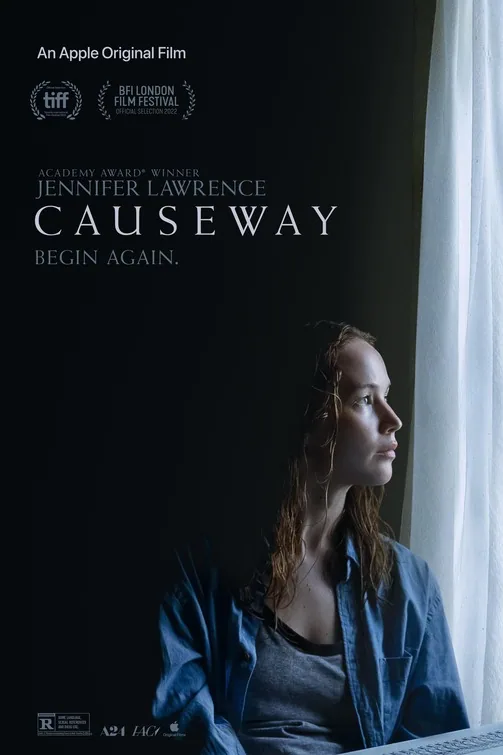
Army engineer Lynsey is recovering from a traumatic brain injury after deployment and hopes to return to military duty. When she must move back to New Orleans, ordinary tasks and memories make adjustment difficult. She finds a job cleaning pools and forms an unexpected friendship with James, an auto mechanic dealing with his own physical injury and grief. The film gives their conversations and gradual trust more weight than a conventional recovery arc.
Both share themes of trauma, plus a tender atmosphere.
Why this matches +
Genres: Drama / Romance
Shared film traits
Based on recorded story, mood and style. Your preferences can change the order.
What changes Coming Home: character-led, gradual and emotionally escalating. The Perks of Being a Wallflower: letter-framed and gradually intensifying.
After a stay in psychiatric care, freshman Charlie begins high school unsure how to connect with anyone beyond his English teacher. Seniors Patrick and Sam invite him into their circle, giving him friends, music, parties and a first experience of belonging. Charlie also witnesses Patrick's secret relationship with closeted classmate Brad, and the group's closeness does not protect it from family pressures, grief, dating and substance use. The film is told through Charlie's letters to an unnamed recipient, so ordinary teenage events arrive through his earnest but incomplete perspective. As his friends prepare to move on, Charlie's suppressed trauma begins to surface, shifting the story from a warm outsider's coming-of-age toward a serious account of memory and mental health.
Based on recorded story, mood and style. Your preferences can change the order.
War and civilian life
What changes Coming Home: character-led, gradual and emotionally escalating. American Sniper: intense.
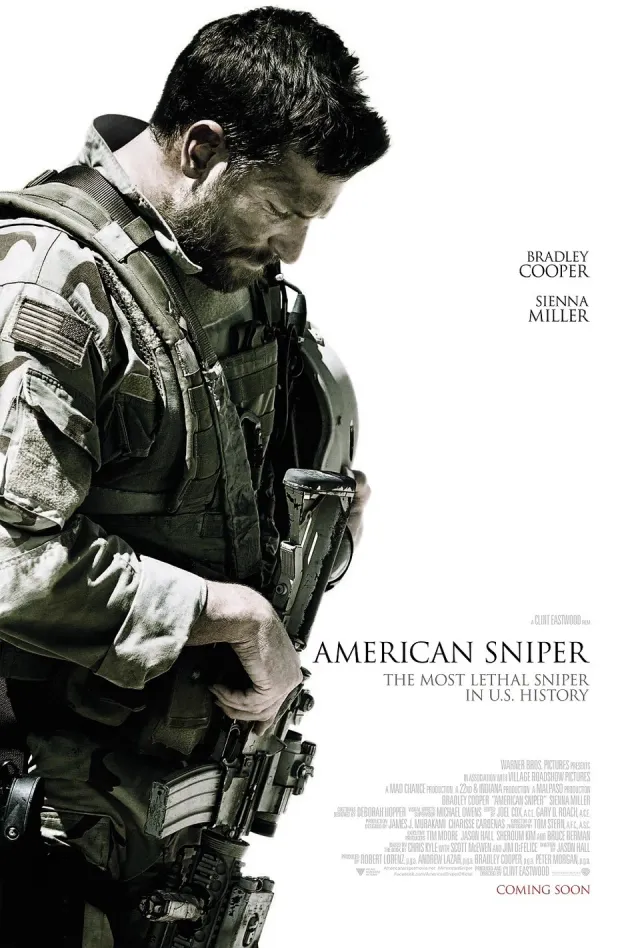
A Navy SEAL becomes known for his skill as a sniper during repeated deployments to Iraq, where protecting fellow soldiers supplies a clear sense of duty. Returning home does not restore the ease or attention his family needs. The film follows the widening distance between battlefield usefulness and domestic presence, as exposure to threat and a continuing identification with military responsibility make civilian life another difficult environment to inhabit.
Based on recorded story, mood and style. Your preferences can change the order.
War and civilian life
What changes Coming Home: character-led, gradual and emotionally escalating. We Were Soldiers: battle-centered and intercut perspectives.
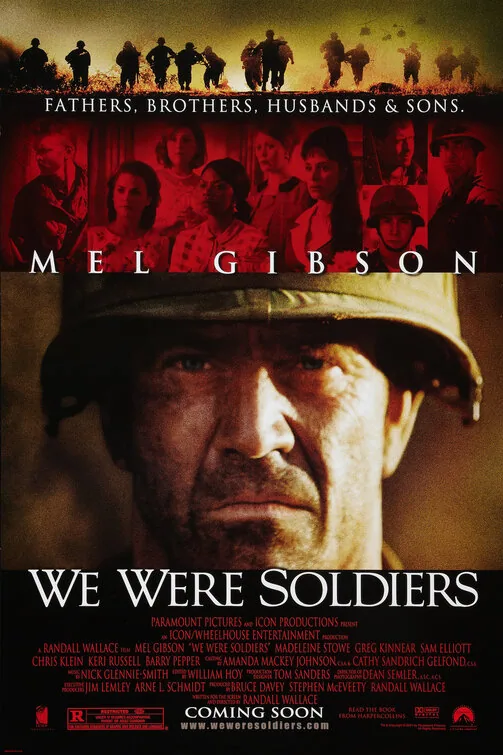
In 1965, Lieutenant Colonel Hal Moore leads a battalion into the Ia Drang Valley, where American forces face a much larger North Vietnamese presence. The film follows the soldiers through a prolonged, difficult battle and also returns to the families waiting at home, especially Moore’s wife Julie as she helps deliver casualty news. Rather than presenting the conflict only through command decisions, it connects battlefield pressure to the people who bear its consequences at a distance. The story is based on Moore and journalist Joseph Galloway’s account of the battle. Casualty letters and the wives' support network create parallel suspense at home. The story moves between orders in the valley and the impact of each notification.
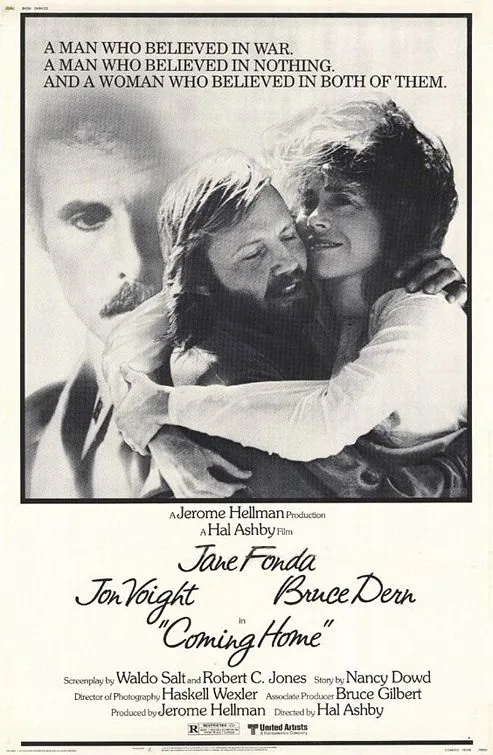
In 1968 California, Sally Hyde watches her Marine husband Bob leave for Vietnam and gradually finds a life of her own. While volunteering at a veterans' hospital, she meets Luke Martin, a former Marine whose war injuries have left him paralyzed and whose views differ sharply from Bob's. Sally and Luke grow close as she learns about wounded veterans and the war's lasting effects. When Bob returns, all three must confront changing loyalties, trauma, and the divide between military duty and private life.
What drives the story
A military wife volunteering at a veterans' hospital forms a bond that challenges her marriage and understanding of war.
The people at its centre
Sally's independence grows as Luke's vulnerability and Bob's career outlook expose conflicting ideas of duty.
What it feels like
The film moves from hospital encounters to private confrontations, grounding its antiwar perspective in relationships.
Worth knowing
It is a domestic drama about Vietnam's personal aftermath, rather than battlefield action.
WarTraumaIntimacy
Mood
Compassionate · Serious · Tender
Pacing
Character-led · Gradual · Emotionally escalating
Visual style
Naturalistic performances · Hospital settings · California coast
Storytelling
Veterans' care · Love triangle · Homecoming · Antiwar perspective