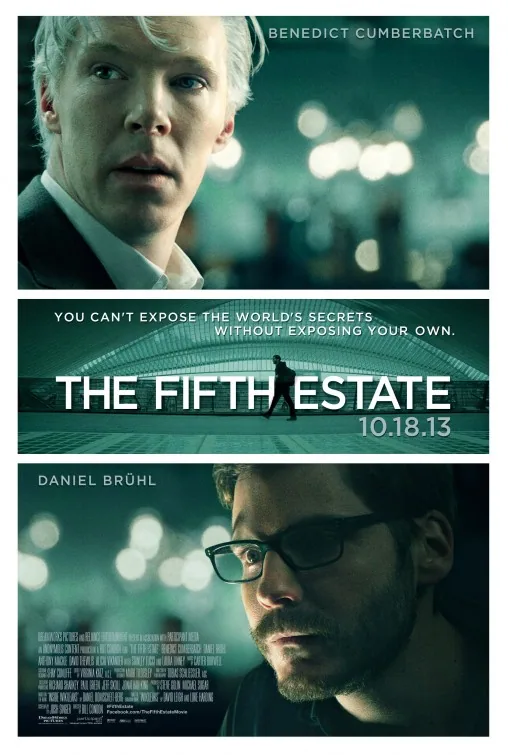
Two collaborators build a leak-publishing platform and clash over how to handle sensitive documents.
Why this matches +
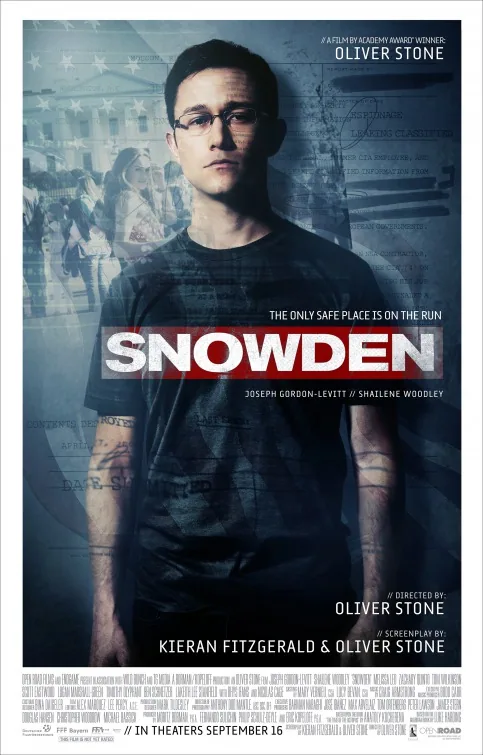
Selected for the central appeal: An intelligence contractor discloses mass surveillance to journalists at great personal risk.
Genres: Drama / Thriller
Shared film traits
Based on recorded story, mood and style. Your preferences can change the order.
Political resistance
What changes A biographical drama examines the publication of classified material, the people behind the leaks and the tension between transparency and security.
Journalist Daniel Domscheit-Berg joins WikiLeaks founder Julian Assange in building a platform for publishing confidential documents. As the organization gains attention, the collaborators disagree about verification, exposure, and the consequences of leaking material, while a major trove of diplomatic cables raises the stakes. Bill Condon's drama treats digital transparency as both a media project and a personal partnership under strain.
A government translator leaks a memo that could influence the Iraq invasion and is prosecuted for revealing it.
Why this matches +
These offer a related experience with a meaningful difference in story, tone, or presentation.
An adjacent discovery: a related idea with a different viewing experience.
Genres: Drama / Thriller
Shared film traits
Based on recorded story, mood and style. Your preferences can change the order.
Political resistance
What changes A government insider passes secret information to journalists after questioning the legality of an intelligence operation, risking prosecution.
In 2003, GCHQ translator Katharine Gun sees a request for intelligence that could help secure support for the invasion of Iraq. Believing the request is illegal and morally indefensible, she leaks a memo to the press, then faces arrest under Britain's Official Secrets Act. The film follows the effort to verify the story, the mounting pressure on Gun and her husband, and a legal case whose outcome depends on whether the government will disclose its own conduct.
Jones and his small team examine a vast record and try to substantiate what the CIA did during interrogation.
Why this matches +
These offer a related experience with a meaningful difference in story, tone, or presentation.
An adjacent discovery: a related idea with a different viewing experience.
Genres: Drama / History
Shared film traits
Based on recorded story, mood and style. Your preferences can change the order.
Political resistance
What changes An investigator challenges intelligence-agency secrecy by documenting government misconduct and confronting resistance to public disclosure.
In 2009, Senate staffer Daniel Jones is asked to review millions of pages of CIA records about the agency's post-9/11 interrogation program. Working with a small team, he documents how officials authorized and described the practices, while facing delays, political pressure, and resistance from the intelligence agency. Senator Dianne Feinstein backs the inquiry, but the report's publication becomes a struggle of its own. The political drama follows the patient work of assembling evidence and making an official record public.
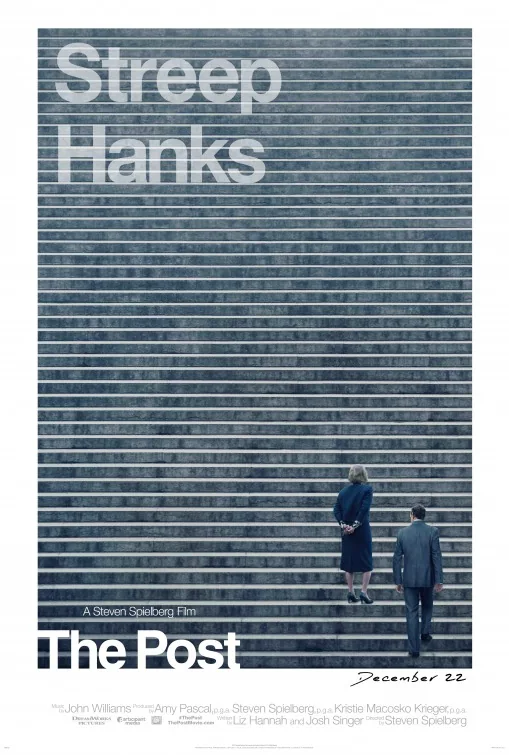
A Supreme Court fight over the Times's publication raises the stakes of the Post's own decision to print classified documents before a public offering.
Why this matches +
These offer a related experience with a meaningful difference in story, tone, or presentation.
An adjacent discovery: a related idea with a different viewing experience.
Genres: Drama / Thriller
Shared film traits
Based on recorded story, mood and style. Your preferences can change the order.
Political resistance
What changes Journalists decide whether to publish classified government documents despite legal and political pressure; the Pentagon Papers.
In 1971, Washington Post publisher Katharine Graham weighs the future of the paper as it prepares for a public stock offering and faces pressure from the Nixon administration. After the New York Times is enjoined from publishing the Pentagon Papers, editor Ben Bradlee pushes the Post to obtain and print the documents. Graham must decide whether the paper's duty to readers outweighs legal risk, possible criminal charges and the financial exposure of a company about to go public. Reporters work to verify the leak while lawyers and board members argue over what can safely be published. The story follows a newsroom making an institutional choice under a deadline, with Graham's authority changing as she moves from social and business constraints toward editorial responsibility.
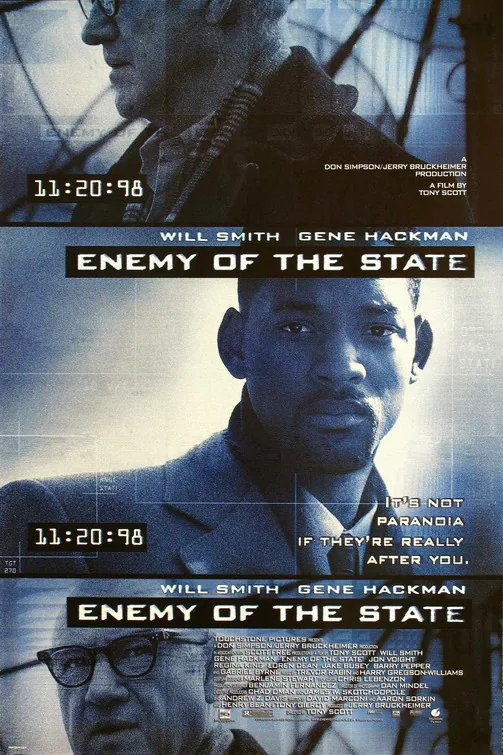
Accidental possession of evidence triggers a coordinated attack on an ordinary person's credibility, forcing him to expose the operation while the attackers control much of what others can observe.
Why this matches +
These offer a related experience with a meaningful difference in story, tone, or presentation.
An adjacent discovery: a related idea with a different viewing experience.
Genres: Thriller / Action
Shared film traits
Based on recorded story, mood and style. Your preferences can change the order.
What changes A man targeted by a surveillance apparatus discovers how extensively intelligence technology can invade private life; a fictional action thriller.
A lawyer unknowingly receives a recording of a political murder and becomes the target of officials determined to erase the evidence. Financial disruption, fabricated allegations and pervasive monitoring dismantle the ordinary routines through which he could defend himself. An experienced surveillance specialist offers help but also insists that surviving requires abandoning familiar forms of contact, making the restoration of a credible public identity depend on people who have learned not to appear in public at all.
Edward Snowden's work as a U.S. intelligence contractor exposes him to the scale of government surveillance and the secrecy surrounding it. He eventually shares classified materials with journalists, leaving his career and life in the United States behind as the disclosures become public. Oliver Stone's political thriller traces the personal and institutional pressures that lead to the leak, mixing biographical scenes with an argument about privacy, national security, and the public's right to know.
What drives the story
An intelligence contractor decides to disclose secret surveillance programs to journalists.
The people at its centre
Snowden's personal relationships complicate the solitary public image of a whistleblower.
What it feels like
The frame shifts between his private conversations, technical work, and the process of disclosure.
Worth knowing
It asks how individual conscience should weigh against claims of national security.
PrivacyConscienceState power
Mood
Urgent · Political · Reflective
Pacing
Interwoven · Escalating
Visual style
Digital interfaces · Newsroom spaces · Surveillance imagery