Both share themes of friendship, plus a melancholy atmosphere.
Why this matches +
Genres: Comedy / Drama
Shared film traits
Based on recorded story, mood and style. Your preferences can change the order.
Music and performance
What changes Man on the Moon: a career-spanning sequence of performances and public confrontations. Funny People: gradual and character-led.
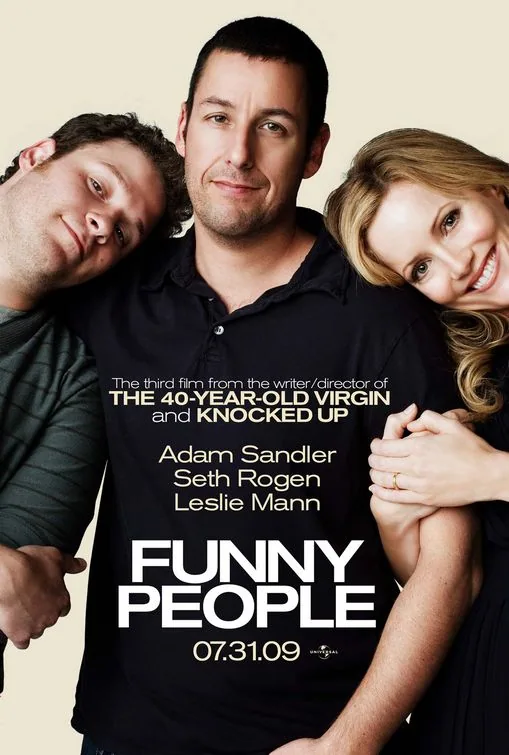
A successful comedian learns that he has a serious illness and hires a younger performer to help write jokes, creating an unlikely working friendship. As treatment changes his outlook, he revisits former relationships and considers what success has cost him. The drama-comedy links performance to mortality, showing how the ability to make an audience laugh can coexist with loneliness and the need to repair personal connections.
Both share themes of performance and identity, plus a playful atmosphere.
Why this matches +
Genres: Comedy / Music
Shared film traits
Based on recorded story, mood and style. Your preferences can change the order.
Music and performance
What changes Man on the Moon: a career-spanning sequence of performances and public confrontations. Gilda Live: sequence of self-contained routines.
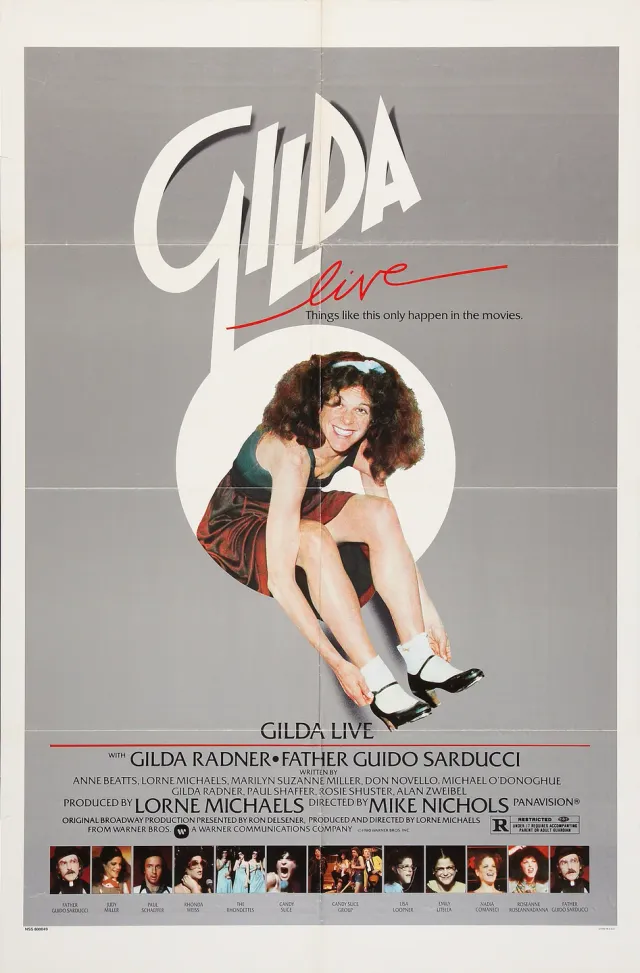
Gilda Radner brings characters and musical-comedy sketches from her stage and Saturday Night Live work into a filmed performance revue. The movie's structure depends on shifts in persona, direct address and live-show timing rather than a continuous narrative. Its comic energy is rooted in Radner's ability to make awkwardness, exaggeration and vulnerability coexist within a sharply observed character.
Both share themes of performance and friendship, plus a playful atmosphere.
Why this matches +
Genres: Comedy / Drama
Shared film traits
Based on recorded story, mood and style. Your preferences can change the order.
Music and performance
What changes Man on the Moon: a career-spanning sequence of performances and public confrontations. Magic Mike XXL: episodic and performance-led.
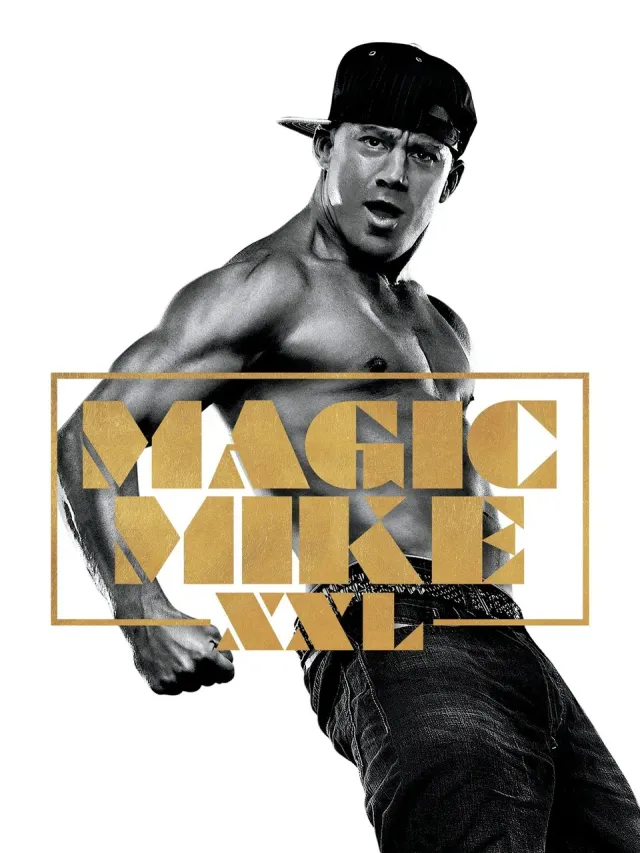
After leaving the stage, Mike is drawn back into the world of male revue when old friends invite him on a road trip to a final performance. The journey brings the troupe through gatherings where showmanship, confidence and friendship matter as much as the routines. Rather than centering on career ascent, the sequel frames performance as a shared pleasure and a way to reconnect with old companions.
Based on recorded story, mood and style. Your preferences can change the order.
Music and performance
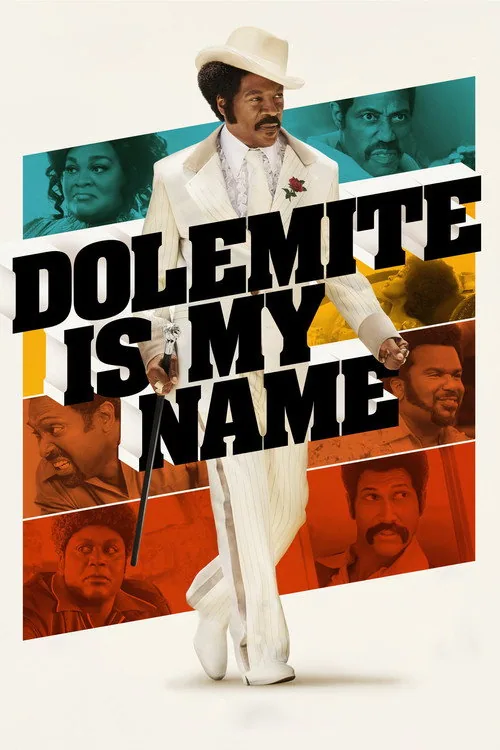
What changes Man on the Moon: a career-spanning sequence of performances and public confrontations. Dolemite Is My Name: brisk rise-to-production arc and ensemble comic scenes.
Struggling Los Angeles comedian Rudy Ray Moore invents the brash character Dolemite and uses his own money and connections to record comedy albums and build an audience. When Hollywood will not make the film he wants, Moore gathers a group of collaborators and sets out to produce it himself. Craig Brewer’s biographical comedy follows a determined performer turning a local act into a landmark independent film, celebrating Black creativity, self-financed production, and the friends who help transform an unlikely idea into a popular persona.
Both share themes of performance and ambition, plus a playful atmosphere.
Why this matches +
Genres: Comedy
Shared film traits
Based on recorded story, mood and style. Your preferences can change the order.
Music and performance
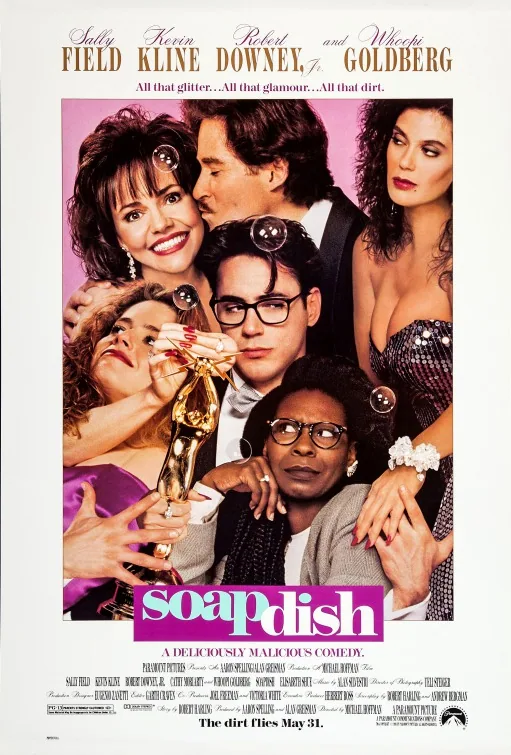
What changes Man on the Moon: a career-spanning sequence of performances and public confrontations. Soapdish: rapid reversals and ensemble farce.
A long-running daytime serial becomes the setting for real backstage rivalries when its leading actress, a dismissed star and an ambitious producer collide. The performers' private loyalties and the show's increasingly extravagant plots begin to mirror one another. The comedy invites viewers to enjoy theatrical excess while tracking how attention, jealousy and career insecurity shape the people creating melodrama for a living.
Based on recorded story, mood and style. Your preferences can change the order.
Music and performance
What changes Man on the Moon: a career-spanning sequence of performances and public confrontations. Jackass: The Movie: sketch-based and episodic.
A group of friends stage painful, messy and often absurd stunts for the camera, turning private dares into a feature-length collection of public spectacles. The loose structure treats failure, embarrassment and audience reaction as part of the joke, while the participants’ familiarity gives the chaos an ensemble feel. It is a deliberately rough comedy about performance and risk, not a conventional narrative with a continuous character arc.
Based on recorded story, mood and style. Your preferences can change the order.
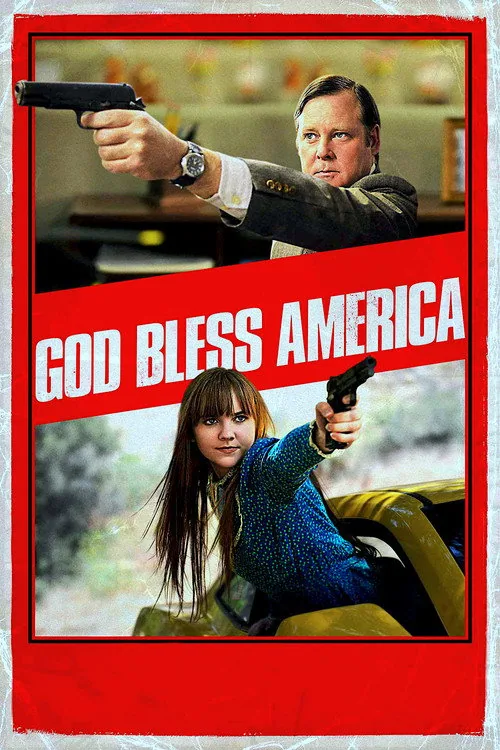
What changes Man on the Moon: a career-spanning sequence of performances and public confrontations. God Bless America: road-movie episodes, escalating violence and satirical interludes.
Recently divorced and facing a terminal diagnosis, Frank becomes increasingly disgusted with the cruelty and shallowness he sees in television and public life. He meets Roxy, a teenage outsider who shares his anger, and the two embark on a violent road trip targeting people they believe deserve punishment. Bobcat Goldthwait’s black comedy satirizes celebrity culture, consumerism, and public outrage, but depicts a killing spree and invites viewers to consider the dangerous gap between frustration and violence.
Based on recorded story, mood and style. Your preferences can change the order.
Music and performance · Memory and identity
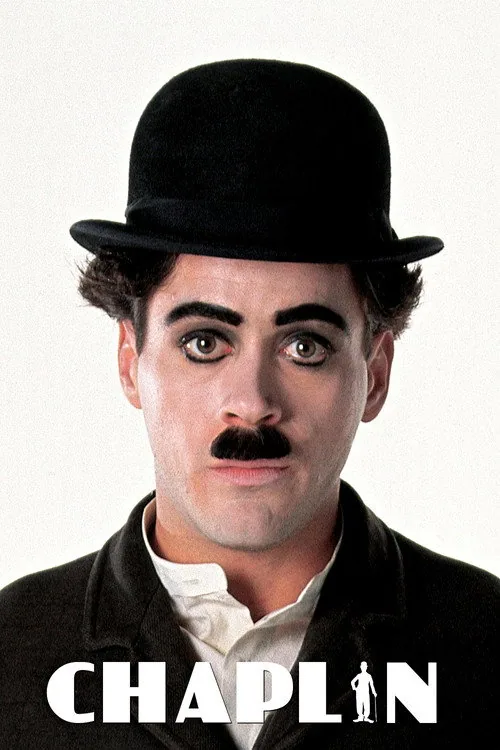
What changes Man on the Moon: a career-spanning sequence of performances and public confrontations. Chaplin: decades-spanning biography, framed recollection and episodic career milestones.
An elderly Charlie Chaplin looks back on his life during a conversation in Switzerland, recalling a poor childhood in South London and his rise through the music halls to international fame. The film follows the creation of his silent-screen persona, his creative control, personal relationships, political scrutiny, and eventual exile from the United States. Richard Attenborough frames a broad biographical sweep around the tension between the vulnerable man and the comic figure audiences adored. Robert Downey Jr.'s performance anchors a story about art, fame, and the cost of being watched.
Both share themes of performance and friendship, plus a playful atmosphere.
Why this matches +
Genres: Comedy / Reality
Shared film traits
Based on recorded story, mood and style. Your preferences can change the order.
What changes Man on the Moon: a career-spanning sequence of performances and public confrontations. Jackass 3D: rapid-fire and segmented.
Johnny Knoxville and the Jackass crew turn stunts, public pranks and physical challenges into a sequence of filmed set pieces. The movie relies on the performers’ willingness to expose themselves to pain and embarrassment, with the camera making impacts and reactions part of the joke. Its loose structure favors escalation, surprise and familiar group chemistry over a continuous story.
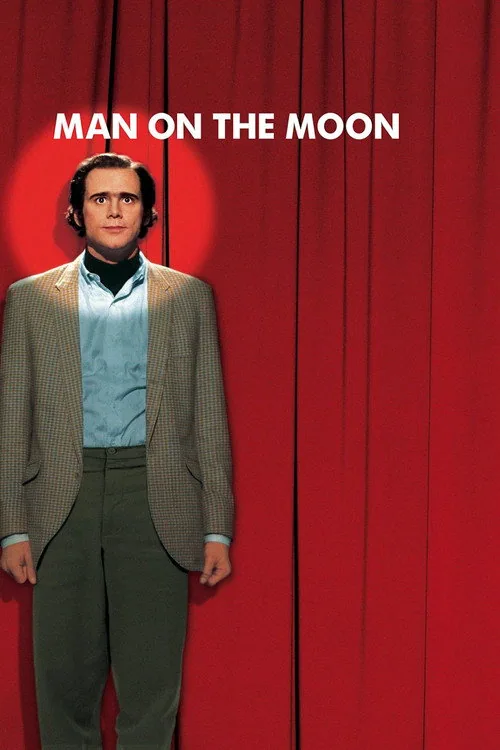
Andy Kaufman moves from childhood ambitions to comedy-club performances, television fame, wrestling stunts, and his elaborate alter ego Tony Clifton. Manager George Shapiro and friend Bob Zmuda try to support a performer who blurs jokes, antagonism, and private life so thoroughly that audiences and colleagues cannot always tell when a bit has ended. This biographical tragicomedy follows Kaufman’s singular performance style as both artistic method and source of personal distance.
What drives the story
Kaufman’s refusal to meet conventional expectations turns each success into a new contest over what his audience thinks it is watching.
The people at its centre
Shapiro and Zmuda try to support Kaufman’s work, while the people closest to him struggle to separate the performer from the person.
What it feels like
The movie shifts between comedy, embarrassment, and illness, with impersonation central to its emotional effect.
Worth knowing
It is a dramatized biography of Andy Kaufman’s performances and relationships, not a straightforward documentary of his comedy career.
PerformanceIdentityAmbition
Mood
Eccentric · Melancholy · Playful
Pacing
A career-spanning sequence of performances and public confrontations
Visual style
Stage lights · Television-era interiors · Impersonation and makeup
Storytelling
Stand-up comedy · Television celebrity · Alter ego