Explore films connected to Code 3 through care under pressure, burnout and resilience, public service and inequality. Choose the qualities you want to carry into your next watch.
What should feel similar?
Find your next favourite
9 films · Closest overall matches
Hide films you’ve seen or don’t want. Saved on this device.
No matches for this combination yet.
Try another option or reset your choices to see more films.
Based on recorded story, mood and style. Your preferences can change the order.
What changes Code 3: shift begins with routine emergencies, calls vary in urgency and absurdity and long day tests the crew's limits. Funny People: gradual and character-led.
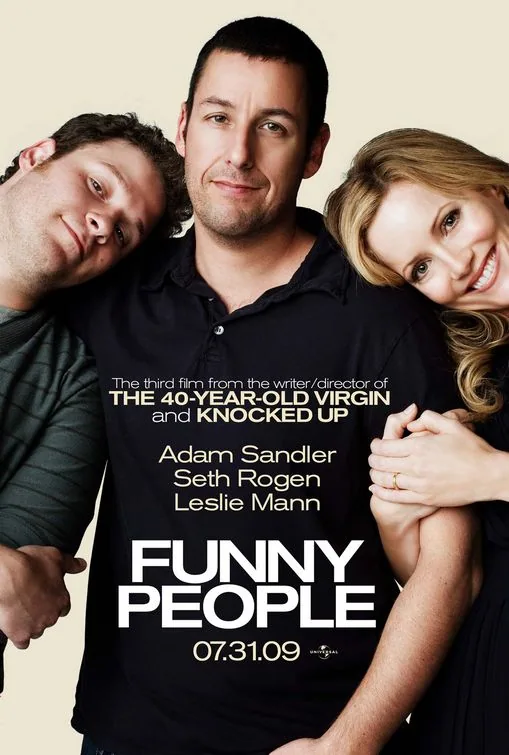
A successful comedian learns that he has a serious illness and hires a younger performer to help write jokes, creating an unlikely working friendship. As treatment changes his outlook, he revisits former relationships and considers what success has cost him. The drama-comedy links performance to mortality, showing how the ability to make an audience laugh can coexist with loneliness and the need to repair personal connections.
Based on recorded story, mood and style. Your preferences can change the order.
What changes Code 3: shift begins with routine emergencies, calls vary in urgency and absurdity and long day tests the crew's limits. Young Doctors in Love: sketch-like and ensemble-driven.
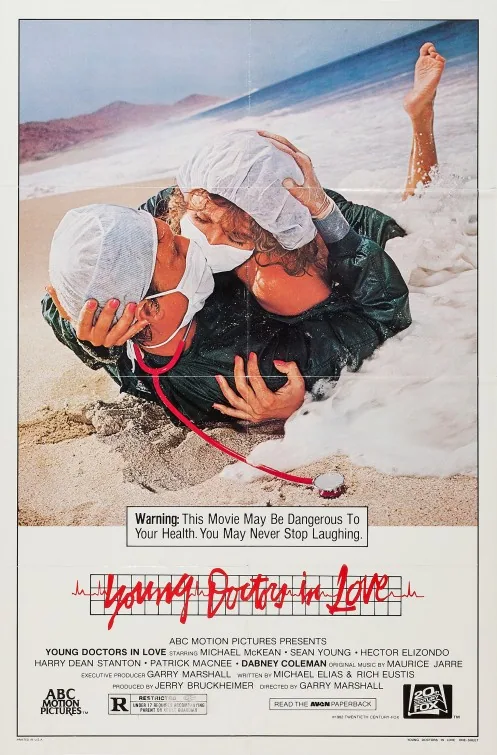
A group of young physicians move through the absurd pressures of a hospital in this ensemble comedy. Rather than treating medicine as a sober procedural, the film borrows familiar television melodrama and turns its conventions into the joke, with romantic complications, odd colleagues and guest appearances helping create a deliberately crowded tone. Its humor comes from recognition and parody more than from one central medical case.
Based on recorded story, mood and style. Your preferences can change the order.
Survival
What changes Code 3: shift begins with routine emergencies, calls vary in urgency and absurdity and long day tests the crew's limits. The Package: escalating misadventure, fast comic reversals and group-driven.
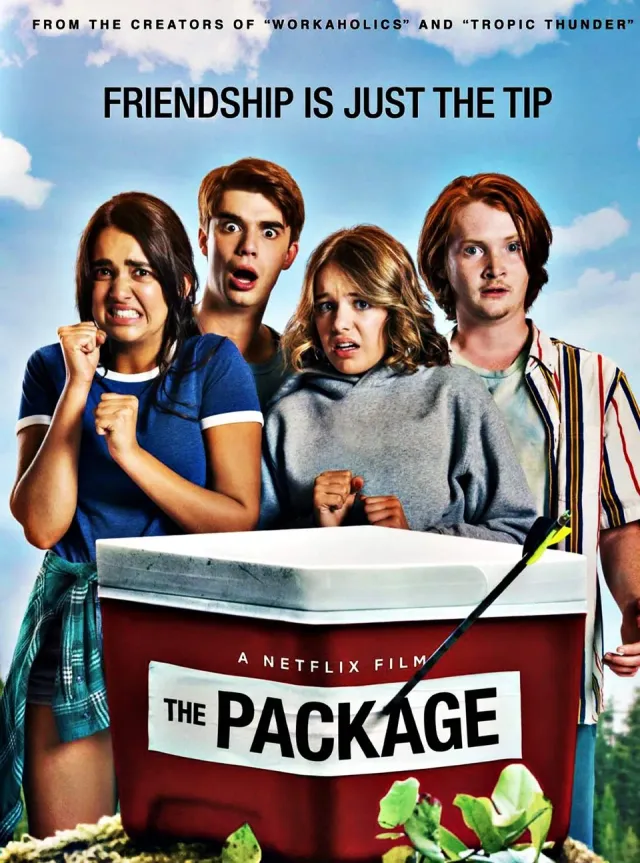
During a spring-break camping trip, a group of high-school friends face a medical emergency after a clumsy accident leaves one of them badly injured. They rush to get help, but the trip’s distance from town and a series of panicked decisions make it difficult to protect their friend and keep the group together. The teenagers’ attempt to handle the crisis becomes an unruly road-and-camping comedy about friendship under pressure.
Based on recorded story, mood and style. Your preferences can change the order.
Survival
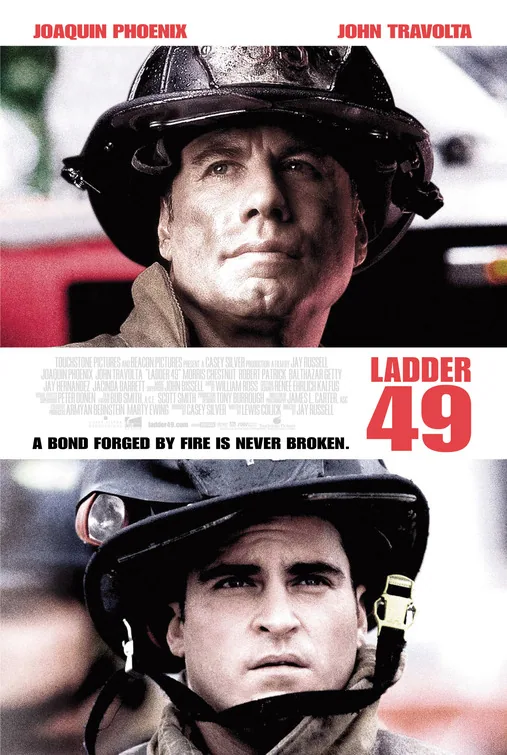
What changes Code 3: shift begins with routine emergencies, calls vary in urgency and absurdity and long day tests the crew's limits. Ladder 49: interwoven and steady.
A Baltimore firefighter becomes trapped inside a burning building, and the story moves between the rescue attempt and memories of his career, friendships and family life. The structure gives the immediate emergency emotional context without reducing the job to action spectacle. Its central concern is the cost of service: the bonds that sustain firefighters and the uncertainty their loved ones live with when every call may become the last.
Based on recorded story, mood and style. Your preferences can change the order.
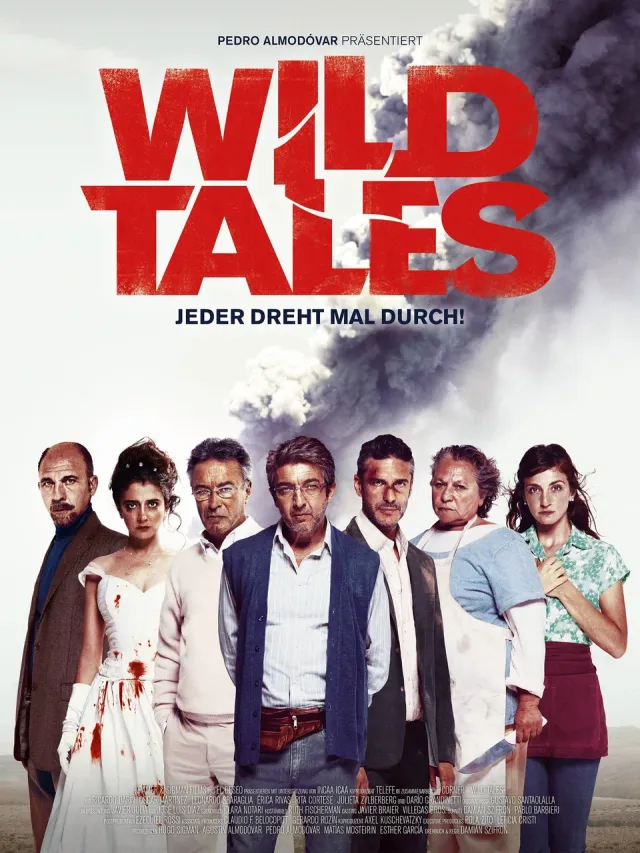
What changes Code 3: shift begins with routine emergencies, calls vary in urgency and absurdity and long day tests the crew's limits. Wild Tales: six-part anthology and variable pace.
This Argentine anthology comprises six separate stories in which ordinary people reach a breaking point after encountering an insult, injustice or betrayal. Passengers discover an unexpected shared grievance on a flight; a diner, a highway, a government office, a wealthy family and a wedding each become settings for a different escalation. The stories do not build toward one shared protagonist or a single resolution. Instead, their arrangement invites comparison between forms of rage, revenge and social power. The film’s comedy is often dark and its violence can be abrupt. Because segments reset the cast and premise, viewers compare how far each grievance is taken. The wedding finale turns private betrayal into a crowd's uncontrolled spectacle.
Based on recorded story, mood and style. Your preferences can change the order.
Survival
What changes Code 3: shift begins with routine emergencies, calls vary in urgency and absurdity and long day tests the crew's limits. If I Had Legs I'd Kick You: housing crisis compounds medical routine, sleep deprivation distorts daily encounters and professional and domestic pressure keep accumulating.
Linda tries to care for her daughter, whose feeding disorder requires a tube, while continuing to work as a psychotherapist and coping with her husband's long absences at sea. When their Montauk apartment floods, mother and daughter move into a shabby motel during uncertain repairs. Sleep loss, medical routines, and work pressures narrow Linda's world until ordinary setbacks feel overwhelming. The dark comedy stays close to a caregiver stretched beyond her limits, asking how much strain one person can absorb while everyone expects her to keep functioning.
Based on recorded story, mood and style. Your preferences can change the order.
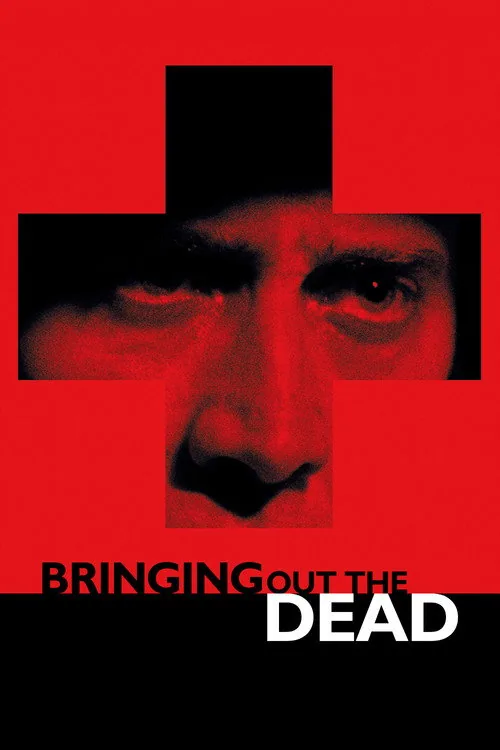
What changes Code 3: shift begins with routine emergencies, calls vary in urgency and absurdity and long day tests the crew's limits. Bringing Out the Dead: episodic calls, unrelenting urban rhythm and psychological intensification.
New York paramedic Frank Pierce works through exhausting night shifts while struggling with insomnia, depression, and the memory of a young patient he could not save. The people he encounters on the streets and in ambulances keep blurring into his own unresolved guilt, and his rotating partners each approach the job differently. Over roughly two days, Frank attempts to keep functioning while wondering whether he can continue in emergency medicine. Martin Scorsese’s adaptation of Joe Connelly’s novel is an intense psychological drama about care, burnout, and the limits of rescue.
Based on recorded story, mood and style. Your preferences can change the order.
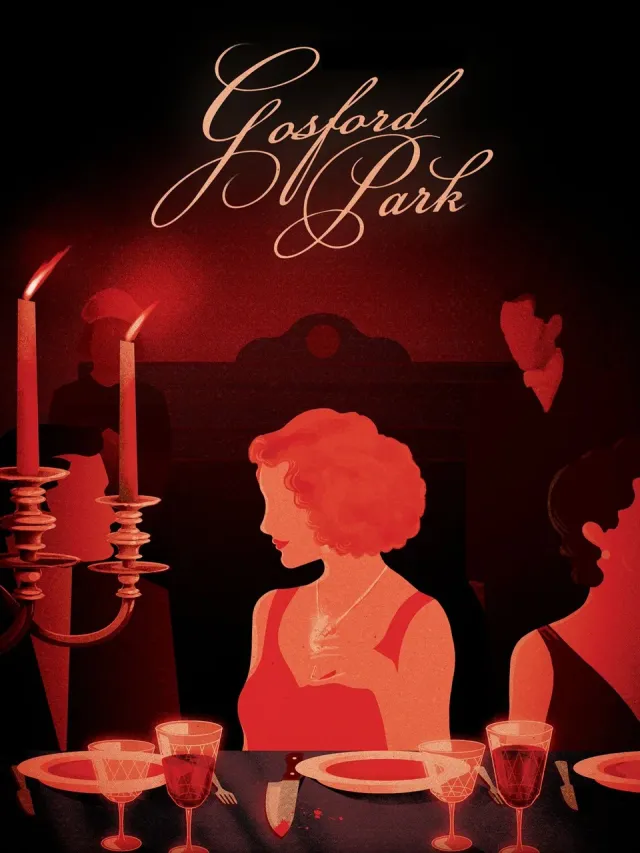
What changes Code 3: shift begins with routine emergencies, calls vary in urgency and absurdity and long day tests the crew's limits. Gosford Park: measured and episodic.
Guests and servants gather at an English country estate where a shooting weekend concentrates private debts, dependencies and resentments. A murder appears to offer a conventional mystery, but the people maintaining the household often understand more than the authorities who arrive to solve it. Movement between social levels reveals how service depends on anticipating needs while suppressing one's own history. The ensemble drama makes the explanation of a death part of a wider account of exploitation, with emotional recognition emerging outside the official investigation.
Based on recorded story, mood and style. Your preferences can change the order.
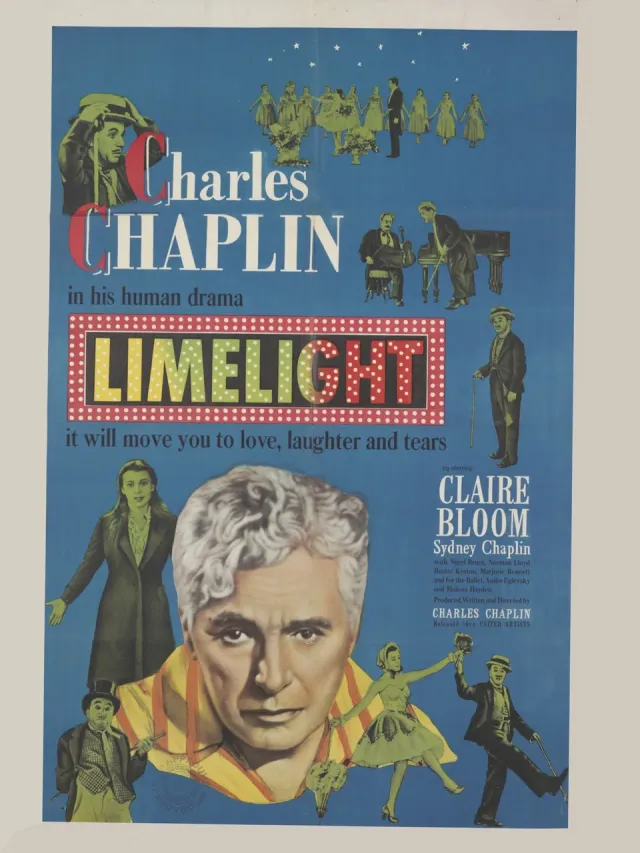
What changes Code 3: shift begins with routine emergencies, calls vary in urgency and absurdity and long day tests the crew's limits. Limelight: measured.
A fading comedian interrupts a young dancer's attempt to end her life and supports her return to work. Her recovery gives him companionship and renewed faith in performance, but his own attempts to regain an audience do not follow the same trajectory. Their affection becomes difficult to distinguish from gratitude and dependence, especially when he imagines a younger partner might offer her more. The late-career drama treats artistic survival as an unequal exchange of care, with a final stage opportunity unable to undo the body's finite time.
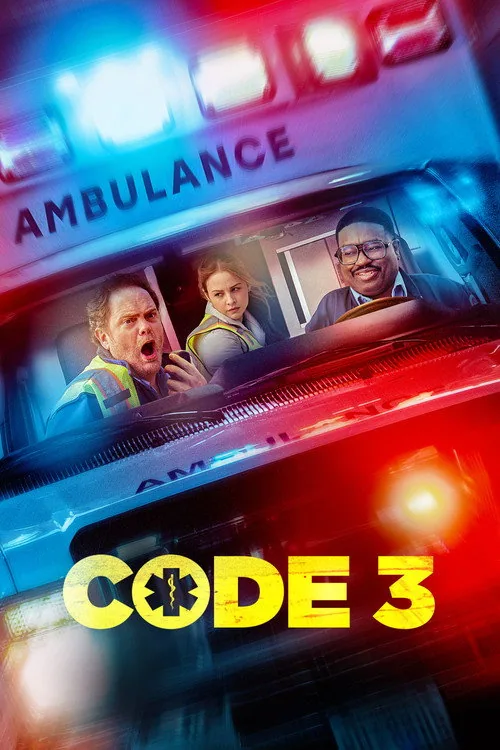
A burned-out paramedic works a final 24-hour shift alongside an overworked partner, responding to emergencies across a city where the calls rarely arrive in neat order. The crew must handle medical crises, difficult patients, and the emotional strain that builds when public need outpaces staffing and resources. As the shift continues, jokes and routine become ways to cope with fatigue, even as the work's human cost remains visible. This dark comedy-drama takes a day-in-the-life view of emergency medical services, balancing bloody situations with the camaraderie and exhaustion of frontline responders.
What drives the story
Two paramedics move through a demanding final shift as urgent calls and limited resources test their ability to keep caring.
The people at its centre
The exhausted partners rely on gallows humor and professional trust, while their different limits shape how they face the work.
What it feels like
A darkly comic emergency-services drama mixes hectic callouts with more grounded scenes of burnout and human connection.
Worth knowing
The story unfolds over one shift with paramedics rather than following a hospital staff or police unit across a long period.
care under pressureburnout and resiliencepublic service and inequality
Mood
darkly comic · exhausted · compassionate
Pacing
shift begins with routine emergencies · calls vary in urgency and absurdity · long day tests the crew's limits
Visual style
ambulance interiors · street-level emergency scenes · naturalistic city settings
Storytelling
paramedic works a last shift · two EMTs respond to calls across a city · understaffing and emotional strain shape the day