Linked encounters and delayed revelations force characters to confront racial assumptions, while coincidence makes a city feel unusually compressed and morally interconnected.
Why this matches +
Selected for the central appeal: A shooting links families across countries, with communication and unequal institutions shaping the consequences.
Genres: Drama
Shared film traits
Based on recorded story, mood and style. Your preferences can change the order.
What changes Interwoven stories connect people across social divisions through accidents, prejudice and unequal treatment by authorities.
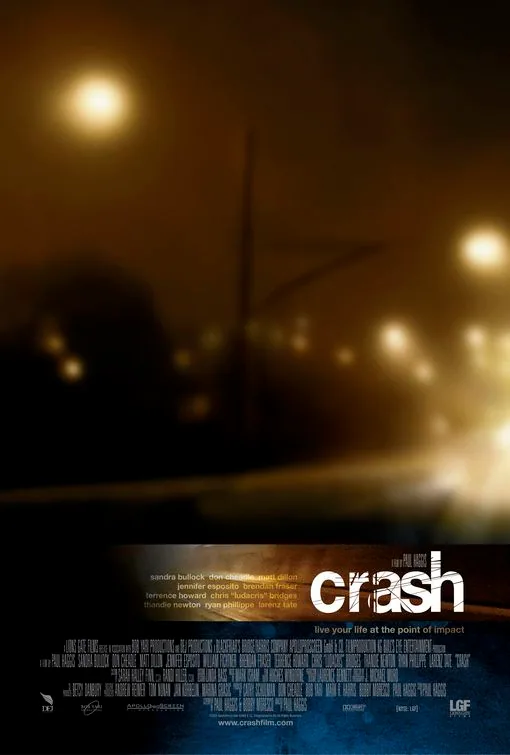
A series of interwoven encounters in Los Angeles brings police, carjackers, a district attorney's household, a Persian shop owner and other residents into contact across one volatile period. Characters move between vulnerability and the exercise of power, but those positions are not interchangeable: a moment of kindness cannot cancel sexual abuse, racial harassment or the authority behind it. The film's coincidences and abrupt moral reversals organize a deliberately emphatic melodrama, not a sociological survey or a reliable account of how racism resolves itself. A snowfall and a car accident provide the film's first links among otherwise separate lives.
Personal crises among a worker and her employers reveal the unequal labour sustaining a shared household.
Why this matches +
These offer a related experience with a meaningful difference in story, tone, or presentation.
An adjacent discovery: a related idea with a different viewing experience.
Genres: Drama
Shared film traits
Based on recorded story, mood and style. Your preferences can change the order.
What changes A caregiver's relationship with a family exposes differences in class, citizenship and the uneven burden of care.
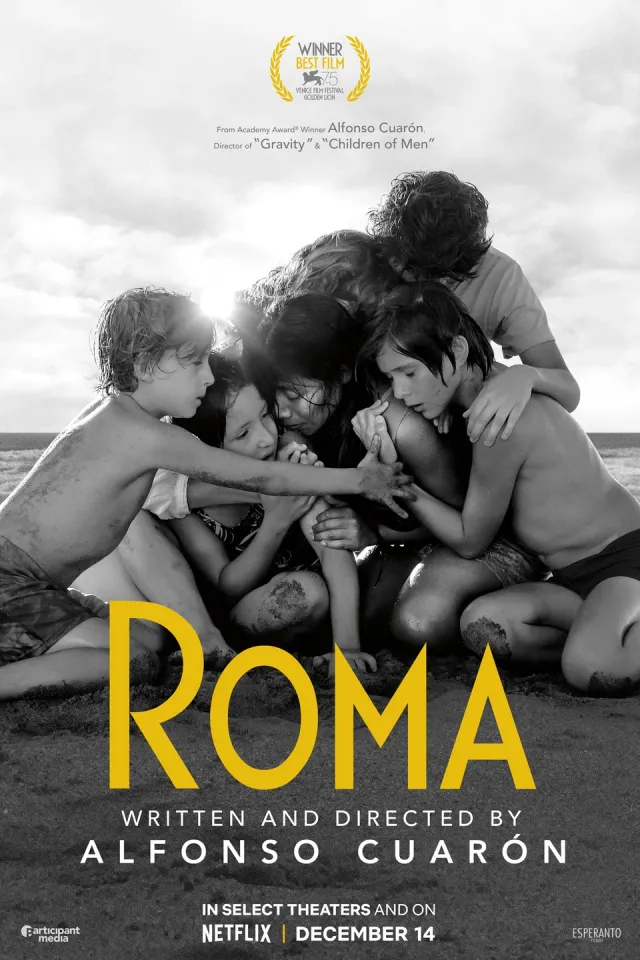
A domestic worker cares for a middle-class family in Mexico City while her own relationship exposes her to abandonment and uncertainty. Changes in the employers' marriage unfold alongside her pregnancy and the political tensions surrounding the household. Work, affection and class hierarchy remain inseparable as she supports children whose dependence on her does not erase the unequal conditions of their bond.
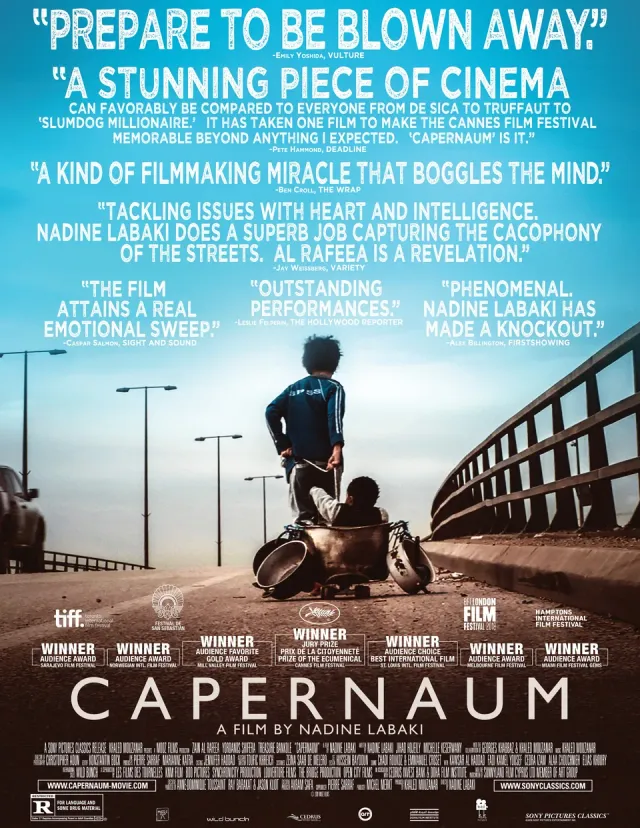
A child's lawsuit frames episodes of street survival and caregiving, asking what protection means when family, migration status and public systems fail to provide security. The courtroom makes Zain's anger legible without offering an easy verdict.
Why this matches +
These offer a related experience with a meaningful difference in story, tone, or presentation.
An adjacent discovery: a related idea with a different viewing experience.
Genres: Drama
Shared film traits
Based on recorded story, mood and style. Your preferences can change the order.
What changes A child's vulnerability reveals how poverty, family disruption and official systems combine to shape unequal outcomes.
Zain, a 12-year-old surviving on Beirut's streets, appears before a judge to explain why he has sued his parents for bringing him into the world. The courtroom gives public form to a private grievance, while his care for an infant and encounters with precarious adults show how children shoulder responsibilities made by poverty and legal exclusion. The film's urgency comes from Zain's ingenuity and anger, not from a claim that one child can solve those conditions or that parental blame alone explains them.
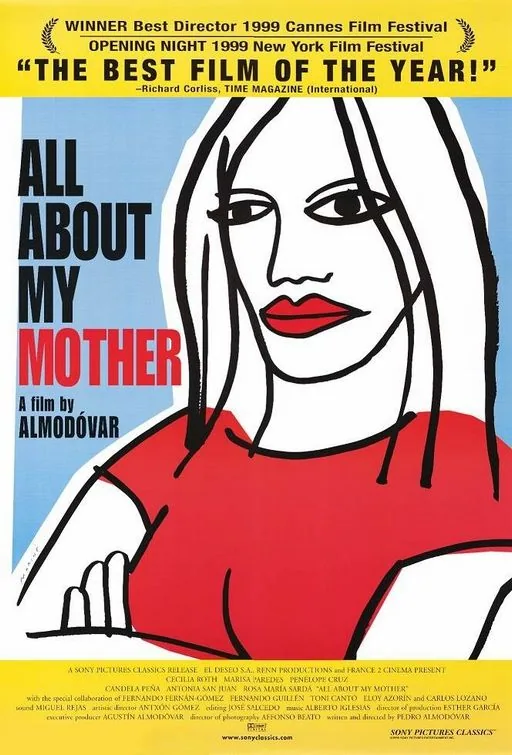
A son's death sends Manuela back to Barcelona, where her search for his other parent becomes a new set of caregiving commitments. The plot transforms a private bereavement into a wider, improvised family.
Why this matches +
These offer a related experience with a meaningful difference in story, tone, or presentation.
An adjacent discovery: a related idea with a different viewing experience.
Genres: Drama
Shared film traits
Based on recorded story, mood and style. Your preferences can change the order.
What changes An ensemble of people facing loss forms connections across social boundaries while trying to care for one another.
After her teenage son Esteban is killed while trying to get an actress's autograph, nurse Manuela returns to Barcelona to find his other parent and face a past she had left behind. She becomes involved with actresses, friends and people facing illness or abandonment, and care begins to move beyond the conventional family she thought she had lost. Almodóvar folds theatrical performance into intimate grief, linking maternal love to chosen kinship without presenting those connections as uncomplicated. The film's emotional center is not the search alone, but the network Manuela helps sustain.
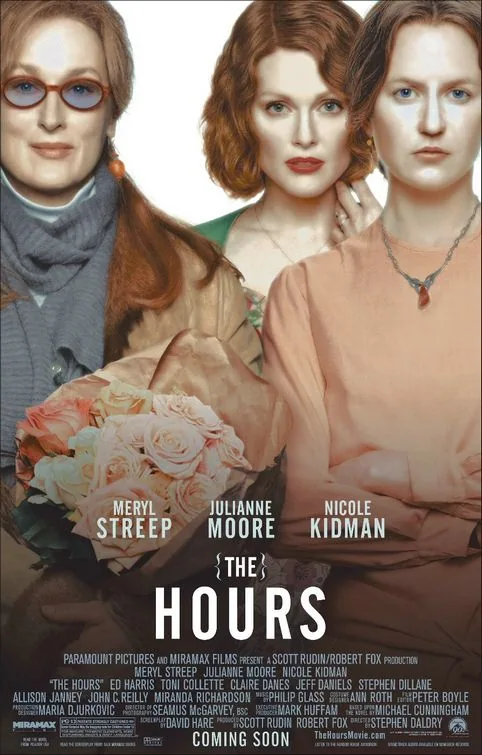
A day in each woman’s life forms a braided structure; their choices echo one another while belonging to different relationships and historical moments.
Why this matches +
These offer a related experience with a meaningful difference in story, tone, or presentation.
An adjacent discovery: a related idea with a different viewing experience.
Genres: Drama / LGBTQ-related
Shared film traits
Based on recorded story, mood and style. Your preferences can change the order.
What changes Separate lives across time are connected by grief, family care and the difficulty of communicating emotional needs.
The film follows three women on separate days in different decades: Virginia Woolf in 1920s England, Laura Brown in 1950s Los Angeles and Clarissa Vaughan in contemporary New York. Virginia writes Mrs. Dalloway while struggling with illness and the restrictions of her life; Laura reads the novel as domestic dissatisfaction closes around her; Clarissa cares for Richard, a poet and former lover dying of AIDS. Editing and recurring gestures connect the women without making their experiences identical. The result is a literary drama about care, escape and the futures people imagine for themselves.
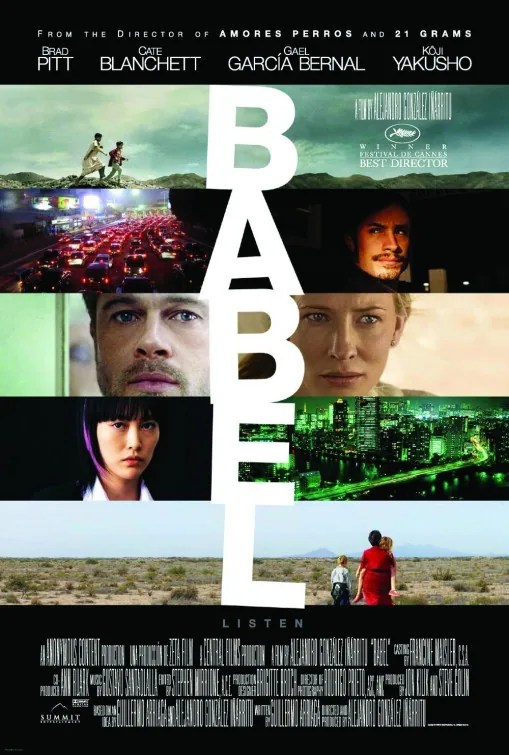
A rifle changes hands in Morocco, where a shooting links the lives of an American couple, a local family, a Mexican caregiver and a Japanese teenager whose father once owned the weapon. The film moves among these stories through gaps in time and language rather than following one investigator toward a single answer. Border officials and police respond differently according to citizenship and perceived threat, so consequences spread unevenly even when people are connected by the same object. Babel is an ensemble drama about communication and care under unequal systems, not a claim that all suffering is equivalent.
What drives the story
The rifle's movement links otherwise separate lives, while officials turn an accident into different crises according to border and national power. The story's temporal gaps make connection emerge gradually rather than chronologically.
The people at its centre
The American parents' marriage, the caregiver's divided loyalties and Chieko's isolation are shaped by distinct needs; the shared chain of events does not make their choices or risks equal.
What it feels like
Geographic cross-cutting, withheld chronology and language barriers create disorientation before the connections become legible. The structure asks viewers to track unequal responses rather than solve a central mystery.
Worth knowing
Pair it with global ensemble dramas about linked lives and communication failure. Avoid flattening differences in citizenship, race and institutional power into a universal message that everyone is equally vulnerable.