Each attempt Antoine makes to escape school or home brings a stronger institutional response, until running toward the sea becomes the only freedom he can claim.
Why this matches +
A child's immediate survival reveals the distance between adult authority and dependable practical care.
Genres: Drama / Coming-of-age
Shared film traits
Based on recorded story, mood and style. Your preferences can change the order.
What changes Capernaum: fast. The 400 Blows: observational episodes and open-ended finish.
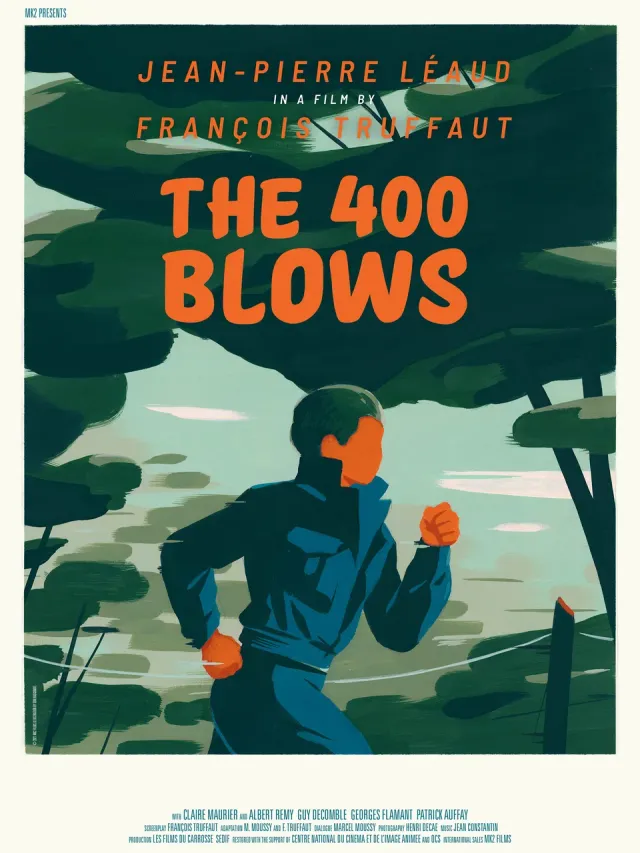
Antoine Doinel grows up in Paris feeling unwanted at home and misunderstood at school. Small acts of defiance, including truancy and a failed attempt to sell a stolen typewriter, draw him deeper into conflict with the adults who supervise him. His parents send him to a youth observation center, where a rare interview lets him speak about his life without interruption. Antoine escapes and runs toward the sea he has never seen, ending the film alone at the shoreline. The story follows a child's search for space and recognition rather than a neat reform narrative.
Akira is pushed into an adult role without support, while the younger children depend on his decisions.
Why this matches +
A child's immediate survival reveals the distance between adult authority and dependable practical care.
Genres: Drama
Shared film traits
Based on recorded story, mood and style. Your preferences can change the order.
Survival
What changes Capernaum: fast. Nobody Knows: akira’s effort to preserve the hidden household grows more difficult as money and food run out.
A mother moves into a Tokyo apartment with her four children but hides the younger siblings from the landlord, leaving only eldest son Akira visible. When she leaves for months with little money, Akira takes responsibility for rent, food and his brothers’ and sister’s daily needs. The children have been kept out of school and away from public attention, so their shrinking resources make ordinary childhood harder to sustain. The film quietly follows the siblings’ improvised household as its fragile independence gives way to loss.
A stolen work tool turns an ordinary first day into a search whose failure threatens a family's fragile income and the father's self-respect.
Why this matches +
A child's immediate survival reveals the distance between adult authority and dependable practical care.
Genres: Drama / Art
Shared film traits
Based on recorded story, mood and style. Your preferences can change the order.
What changes Capernaum: fast. Bicycle Thieves: measured.
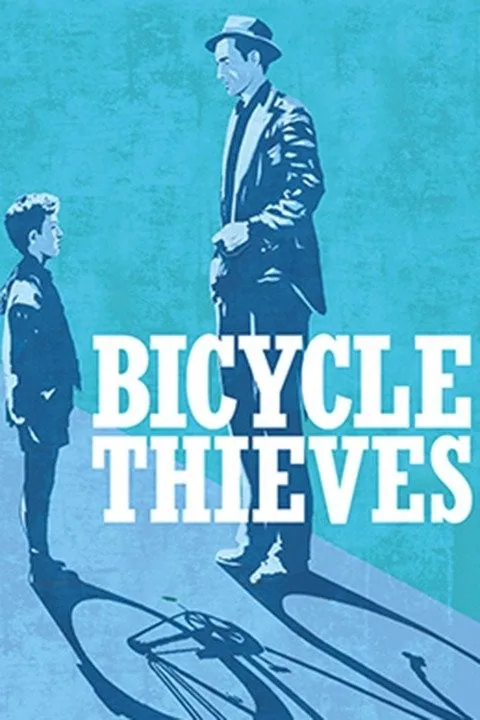
A father in postwar Rome finally obtains work that depends on owning a bicycle, only to have it stolen at the beginning of the job. Searching the city with his young son reveals how little protection formal authority and community can offer against material desperation. Each failed lead narrows his options, exposing the pressure poverty places on the identity he hopes to maintain in front of a child who still depends on him.
Cyril’s attempts to return to his father lead him into new relationships whose limits test whether he can accept care.
Why this matches +
A child's immediate survival reveals the distance between adult authority and dependable practical care.
Genres: Drama
Shared film traits
Based on recorded story, mood and style. Your preferences can change the order.
What changes Capernaum: fast. The Kid with a Bike: brisk, observational and emotionally cumulative.
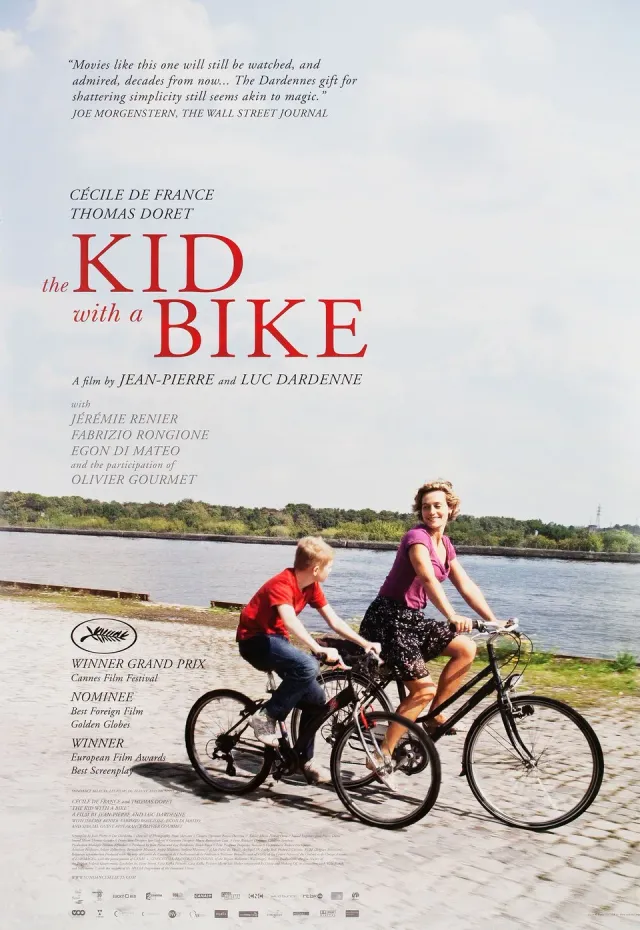
Twelve-year-old Cyril lives in a children’s home in Liège and keeps trying to reach his father, who has left him behind. After a chance encounter, hairdresser Samantha agrees to take him on weekends and returns his bicycle. Cyril remains determined to win his father’s attention, and the disappointment leads him toward a local gang leader despite Samantha’s care. The Dardenne brothers follow the boy’s impulsive search for belonging through fragile trust, rejection and the possibility of choosing another path.
A precarious household takes in a neglected child and forms a family through care and theft.
Why this matches +
A child's immediate survival reveals the distance between adult authority and dependable practical care.
Genres: Drama / Crime
Shared film traits
Based on recorded story, mood and style. Your preferences can change the order.
What changes Capernaum: fast. Shoplifters: observational and gradually revealing.
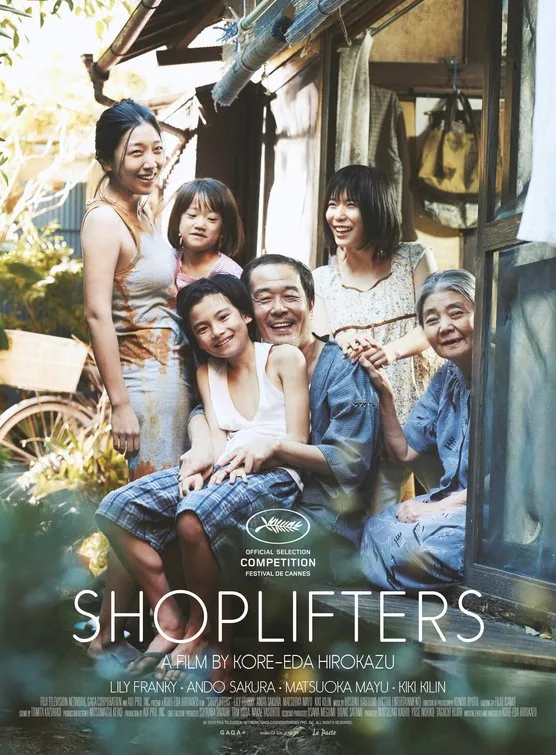
A poor Tokyo household survives through a mix of informal work and petty theft, with adults Osamu and Nobuyo caring for children who have limited security elsewhere. When the family brings a neglected young girl into their home, ordinary routines deepen into attachment and questions about who counts as family. Hirokazu Kore-eda's drama observes tenderness alongside ethical uncertainty, gradually revealing the histories and choices that hold the household together.
Episodic childhood play gradually reveals an unstable household whose economic pressures are approaching consequences the child cannot control.
Why this matches +
A child's immediate survival reveals the distance between adult authority and dependable practical care.
Genres: Drama
Shared film traits
Based on recorded story, mood and style. Your preferences can change the order.
What changes Capernaum: fast. The Florida Project: measured.
A young girl spends a summer roaming the budget motels and improvised play spaces near a major Florida tourist resort. Her mother's precarious work and escalating conflicts remain only partly visible through the child's adventures, while a motel manager repeatedly balances compassion against practical limits. The pleasures of unsupervised friendship unfold beside the risk of losing a fragile home, exposing a gap between childhood imagination and the adult systems shaping it.
Krishna's effort to earn his way home draws him into a network of children and workers surviving on the streets.
Why this matches +
A child's immediate survival reveals the distance between adult authority and dependable practical care.
Genres: Drama
Shared film traits
Based on recorded story, mood and style. Your preferences can change the order.
Survival
What changes Capernaum: fast. Salaam Bombay!: episodic.
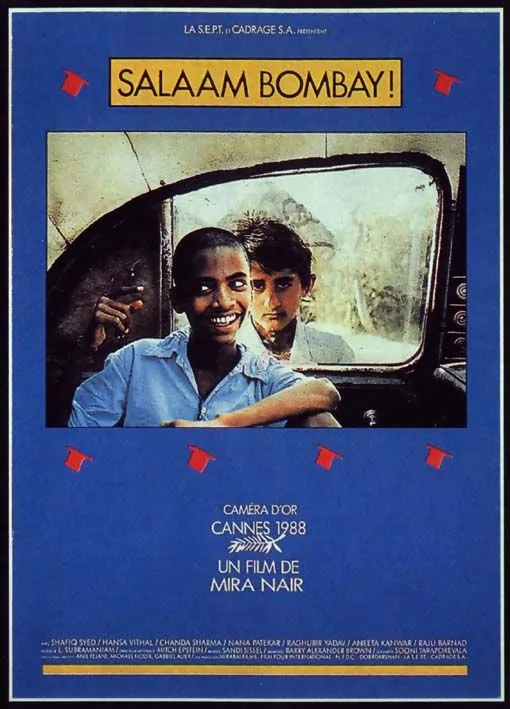
Krishna, a boy sent from his village to earn money after a family dispute, becomes stranded in Bombay and takes work around the city's streets and tea stalls. He tries to save enough to return home while building fragile friendships with other children and adults living at the margins. Their daily negotiations with poverty, exploitation, and separation reveal a community full of resourcefulness but offering few reliable paths to safety.
A girl finds her own route toward buying the bicycle she wants.
Why this matches +
A child's immediate survival reveals the distance between adult authority and dependable practical care.
Genres: Drama / Family
Shared film traits
Based on recorded story, mood and style. Your preferences can change the order.
What changes Capernaum: fast. Wadjda: measured and character-led.
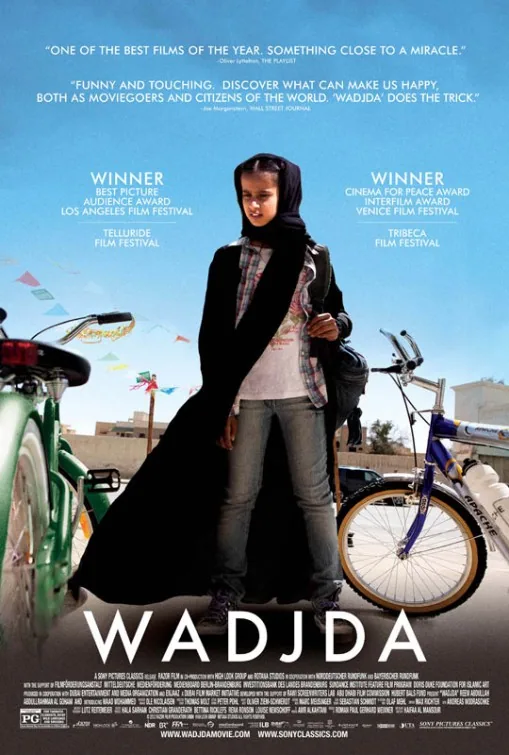
Wadjda, a girl growing up in Riyadh, wants a green bicycle so she can race her friend Abdullah. Social rules and her family's financial limits make the ordinary wish difficult to pursue, so she looks for a way to earn the money herself. Haifaa al-Mansour keeps the story close to a child's daily routines, using school, neighborhood and family life to show how ambition can emerge through small acts of persistence.
A cheating interrogation links quiz questions to formative experiences, gradually revealing why a contestant values the broadcast beyond its prize money.
Why this matches +
A child's immediate survival reveals the distance between adult authority and dependable practical care.
Genres: Crime / Drama
Shared film traits
Based on recorded story, mood and style. Your preferences can change the order.
What changes Capernaum is tagged urgent and compassionate; Slumdog Millionaire is tagged emotional and tense.
A young call-centre assistant reaches the final question of a televised quiz and is detained because officials believe his success must involve cheating. His account of growing up in Mumbai reveals that particular answers are tied to encounters with exploitation, violence, celebrity and separation. The questioning gradually discloses a search for a childhood companion, making the public contest the visible edge of a much longer struggle to reconnect.
Dora first exploits Josué's vulnerability, then accompanies him across Brazil to look for the father his mother described in her letters.
Why this matches +
A child's immediate survival reveals the distance between adult authority and dependable practical care.
Genres: Drama
Shared film traits
Based on recorded story, mood and style. Your preferences can change the order.
What changes Capernaum: fast. Central Station: station encounter and betrayal, journey through northeastern brazil and family search and emotional separation.
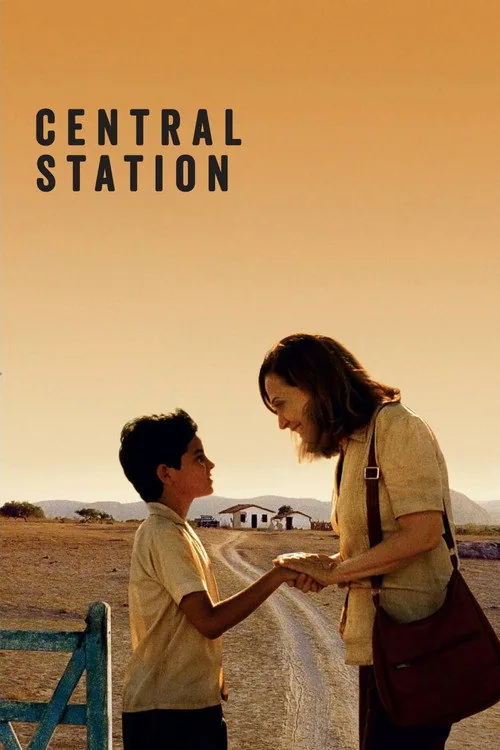
At Rio de Janeiro's Central Station, retired teacher Dora writes letters for people who cannot read, though she often keeps or destroys them instead of mailing them. After one customer dies in an accident, Dora reluctantly takes in the woman's young son Josué and is drawn into his search for the father he has never met. Their journey north through Brazil forces the cynical Dora to make choices that put the boy's safety ahead of her own convenience. The road drama follows an unlikely pair whose growing trust changes how each imagines home.
The family’s displacement exposes the different futures Will and Tom imagine and the compromises each can accept.
Why this matches +
A young person's bodily vulnerability exposes the institutions and community loyalties that fail to provide ordinary protection.
An adjacent discovery: a related idea with a different viewing experience.
Genres: Drama
Shared film traits
Based on recorded story, mood and style. Your preferences can change the order.
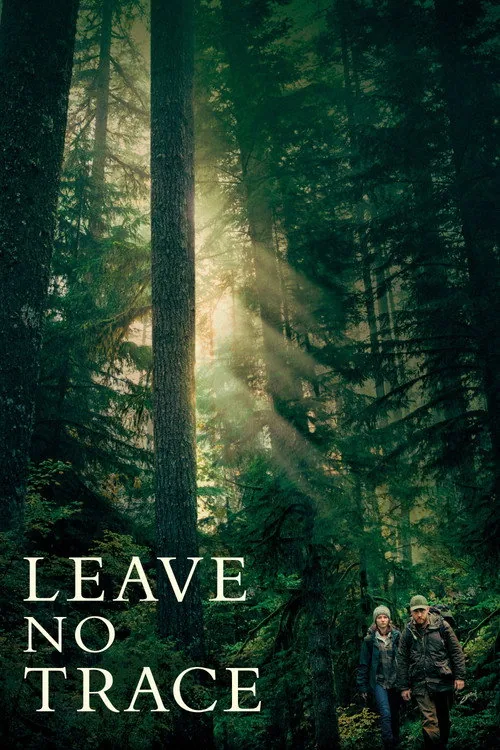
What changes Capernaum: fast. Leave No Trace: patient observation and understated emotional turns.
Will and his teenage daughter Tom have built a quiet life in the forests of Portland, Oregon, living off the grid and relying on practiced routines. When a small mistake brings social services into their lives, the two are moved into a new environment and eventually set out toward the wilderness again. Debra Granik’s restrained drama observes the bond between a protective father and an increasingly independent daughter, asking how care, safety, and belonging can mean different things to each of them without casting their conflict as a simple contest of right and wrong.
A teenager searches for her missing father to keep her family from losing its home.
Why this matches +
A young person's bodily vulnerability exposes the institutions and community loyalties that fail to provide ordinary protection.
An adjacent discovery: a related idea with a different viewing experience.
Genres: Drama / Crime
Shared film traits
Based on recorded story, mood and style. Your preferences can change the order.
Survival
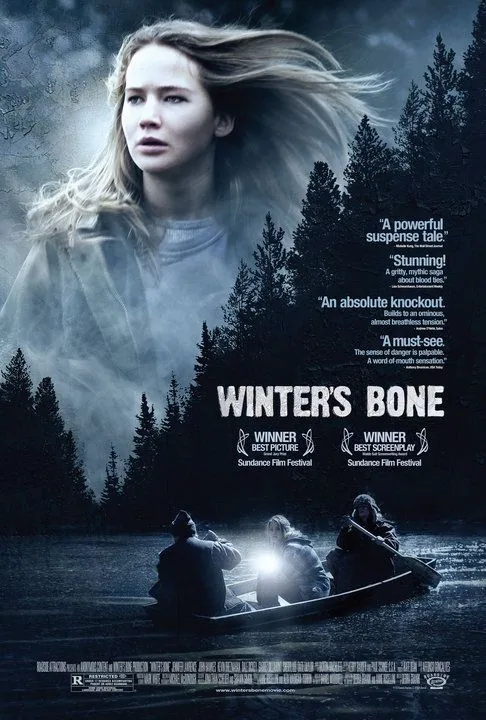
What changes Capernaum: fast. Winter's Bone: steady and investigative.
Seventeen-year-old Ree searches the Ozark community for her missing father after learning that his court appearance and the family's home are tied to his bond. With younger siblings to protect and her mother largely absent, Ree navigates a network of relatives who offer fragments of information and warnings. Debra Granik's drama makes the investigation a test of endurance within a tightly bound rural world.
A risky farming venture turns competing ideas of security and success into daily disputes over money, care and where the family should live.
Why this matches +
A young person's bodily vulnerability exposes the institutions and community loyalties that fail to provide ordinary protection.
An adjacent discovery: a related idea with a different viewing experience.
Genres: Drama
Shared film traits
Based on recorded story, mood and style. Your preferences can change the order.
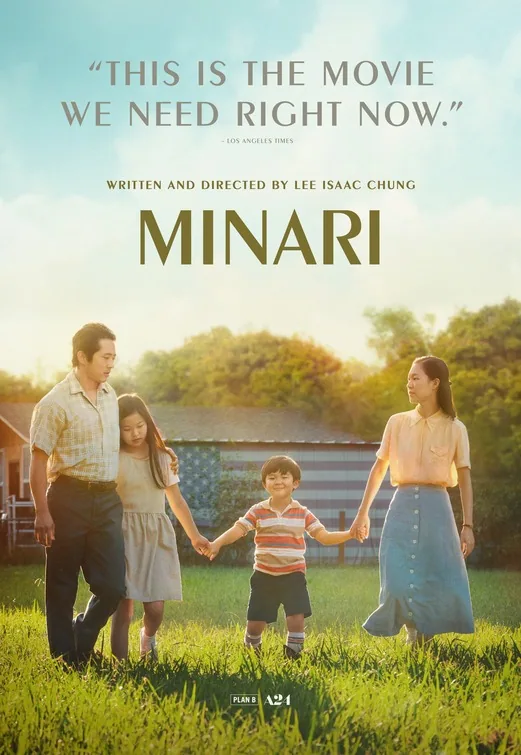
What changes Capernaum: fast. Minari: measured.
A Korean immigrant family moves to rural Arkansas, where the father hopes to build a farm supplying vegetables to other Korean households. His confidence in the land creates new strains for a marriage already stretched by insecure work, distance from familiar support and their son's health needs. The arrival of the children's grandmother offers another form of continuity, making the family's effort to put down roots both practical and deeply personal.
A contradictory eligibility decision traps a sick worker between systems, making survival depend on navigating tasks whose completion does not produce timely support.
Why this matches +
A young person's bodily vulnerability exposes the institutions and community loyalties that fail to provide ordinary protection.
An adjacent discovery: a related idea with a different viewing experience.
Genres: Drama
Shared film traits
Based on recorded story, mood and style. Your preferences can change the order.
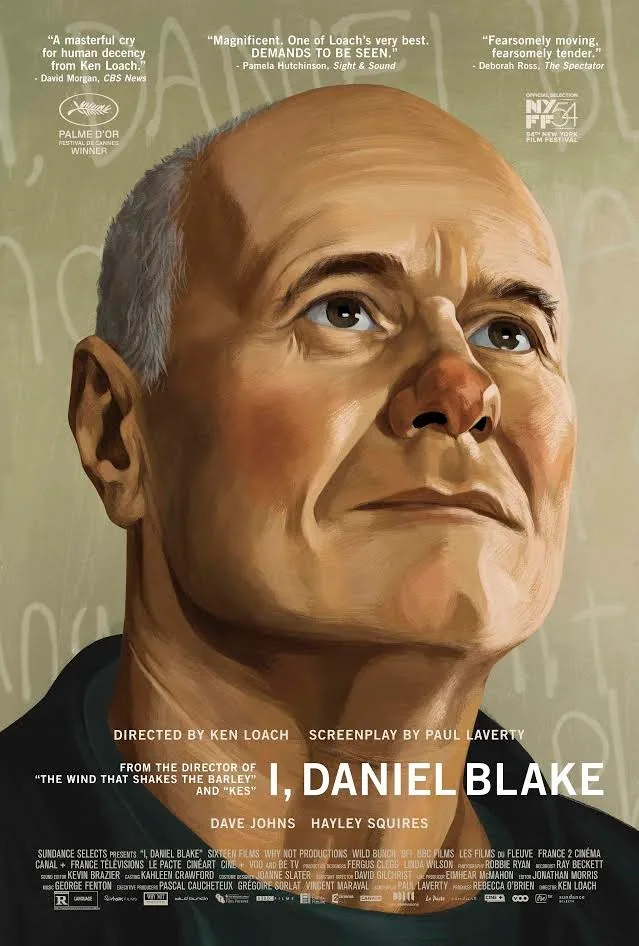
What changes Capernaum: fast. I, Daniel Blake: measured.
A widowed carpenter unable to resume work after a heart attack is declared fit by a benefits assessment and pushed into requirements that contradict his doctor's advice. Seeking an appeal demands computer skills, repeated explanations and performances of job-seeking that do little to meet his immediate needs. Friendship with a single mother creates a small network of practical care within the same system's failures. The social drama makes administrative delay materially consequential, contrasting ordinary competence and solidarity with procedures that refuse to recognize either.
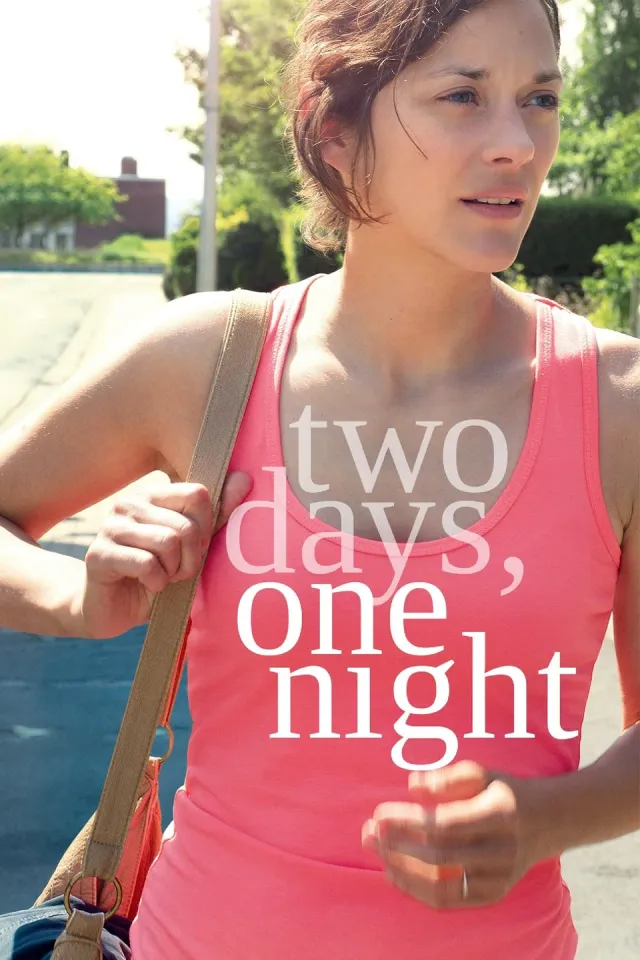
A worker has one weekend to persuade colleagues to give up a bonus so she can keep her job.
Why this matches +
A young person's bodily vulnerability exposes the institutions and community loyalties that fail to provide ordinary protection.
An adjacent discovery: a related idea with a different viewing experience.
Genres: Drama
Shared film traits
Based on recorded story, mood and style. Your preferences can change the order.
What changes Capernaum: fast. Two Days, One Night: compressed and steady.
Sandra learns that her factory colleagues have been offered a bonus in exchange for voting to eliminate her job. With only a weekend to change their minds, she visits each coworker and asks them to reconsider, while managing illness and fragile confidence. Jean-Pierre and Luc Dardenne's drama turns a workplace vote into an intimate portrait of solidarity, pressure and the value attached to one person's labour.
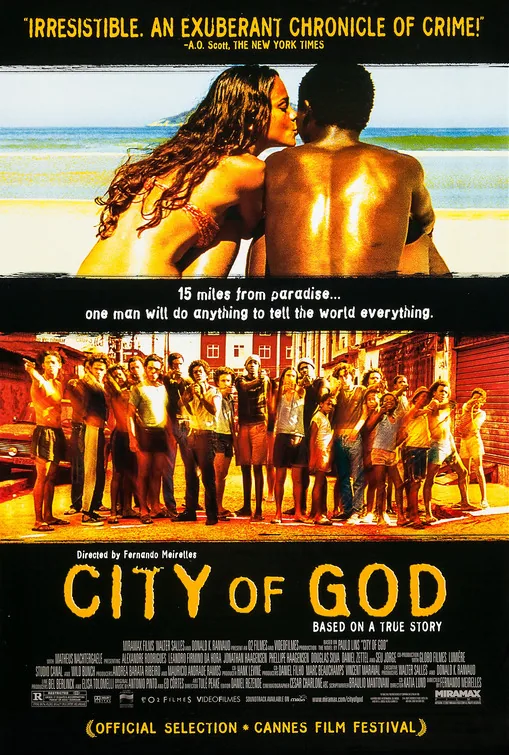
An aspiring photographer's account follows the growth of violent power while his own route away depends on documenting people he cannot safely oppose.
Why this matches +
A young person's bodily vulnerability exposes the institutions and community loyalties that fail to provide ordinary protection.
An adjacent discovery: a related idea with a different viewing experience.
Genres: Crime / Drama
Shared film traits
Based on recorded story, mood and style. Your preferences can change the order.
What changes Capernaum is tagged urgent and compassionate; City of God is tagged tense and bleak.
A young man growing up in a Rio de Janeiro housing project watches local crime evolve from opportunistic theft into an organised struggle over territory. His interest in photography creates a possible position outside the violence, but access to an image requires proximity to the people controlling it. Recounted episodes connect personal survival to a wider cycle in which reputation, childhood exclusion and revenge continually supply new participants.
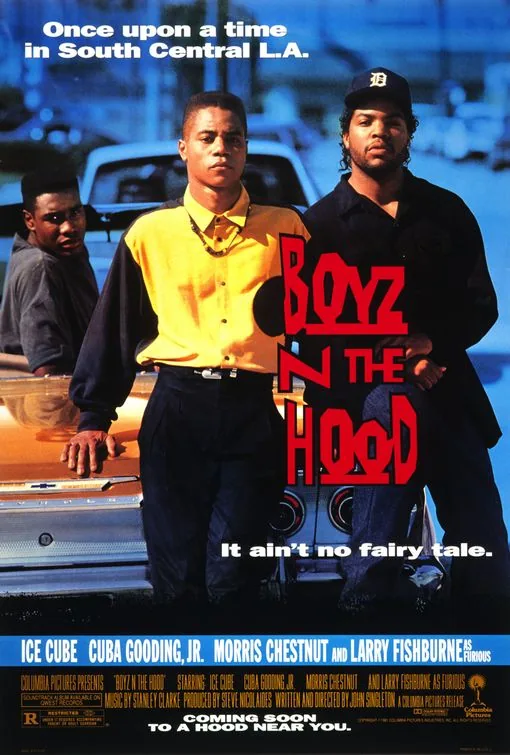
Tre's move into adolescence brings neighborhood dangers into sharper focus without making violence his only possible future.
Why this matches +
A young person's bodily vulnerability exposes the institutions and community loyalties that fail to provide ordinary protection.
An adjacent discovery: a related idea with a different viewing experience.
Genres: Drama / Crime
Shared film traits
Based on recorded story, mood and style. Your preferences can change the order.
What changes Capernaum: fast. Boyz n the Hood: episodic and consequences build.
Tre Styles grows up in South Central Los Angeles, where his father tries to give him discipline and options amid neighborhood violence. His closest friends make different choices as they move through adolescence, and the consequences of those decisions become increasingly difficult to escape. The film centers family bonds, community pressures and young men's search for a future within a setting shaped by structural neglect and gun violence.
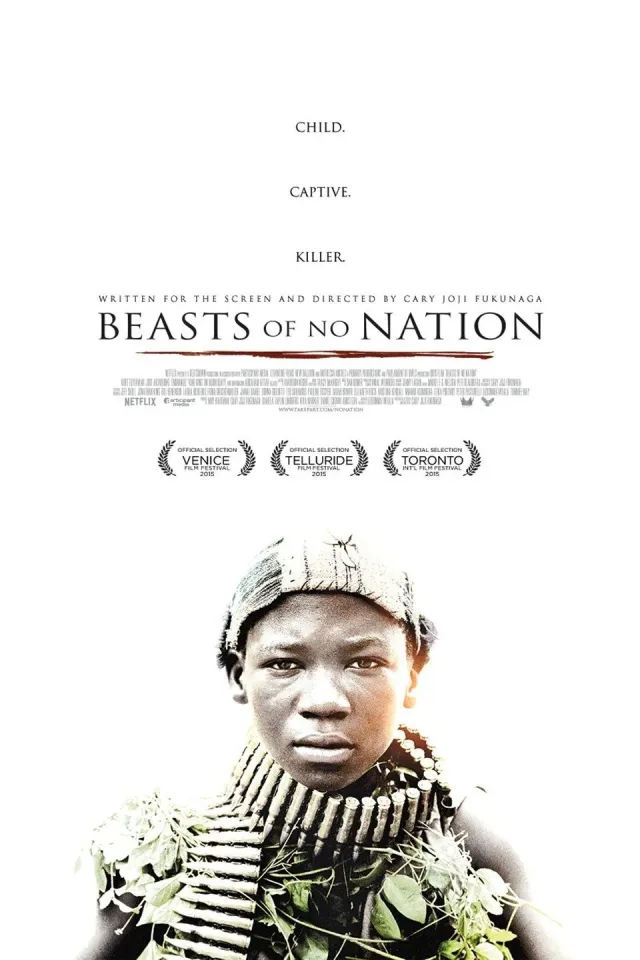
Agu’s path into the armed group is driven by the loss of safety and family.
Why this matches +
A young person's bodily vulnerability exposes the institutions and community loyalties that fail to provide ordinary protection.
An adjacent discovery: a related idea with a different viewing experience.
Genres: War / Drama
Shared film traits
Based on recorded story, mood and style. Your preferences can change the order.
Survival
What changes Capernaum: fast. Beasts of No Nation: escalating and trauma-focused.
Agu’s life in a West African village is shattered when civil conflict separates him from his family and he is taken in by a rebel commander. He is trained as a child soldier and drawn into acts that reshape how he understands childhood, loyalty and survival. Cary Joji Fukunaga stays close to Agu’s point of view, making the film an intimate and harrowing portrait of war’s effects on a child rather than a conventional battlefield adventure.
A young man weighs leaving gang life while further violence pulls him toward retaliation.
Why this matches +
A young person's bodily vulnerability exposes the institutions and community loyalties that fail to provide ordinary protection.
An adjacent discovery: a related idea with a different viewing experience.
Genres: Crime / Drama
Shared film traits
Based on recorded story, mood and style. Your preferences can change the order.
What changes Capernaum: fast. Menace II Society: episodic with tragic momentum.
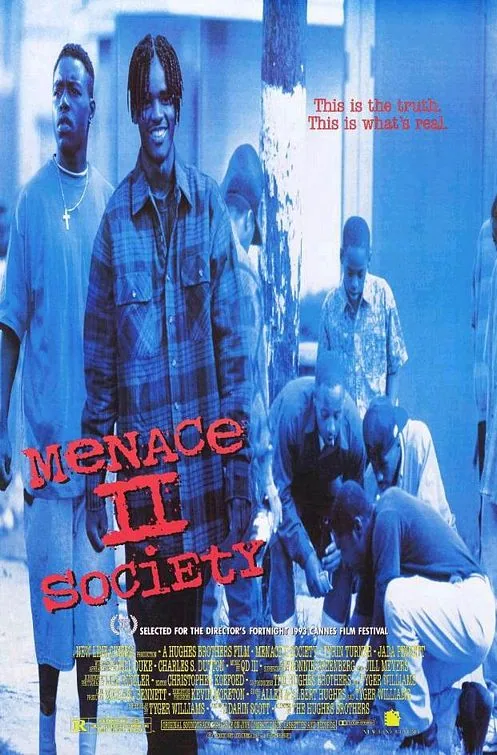
After high school, Caine Lawson considers leaving the gang-centered life around him in Watts, but violence and loyalty keep narrowing his choices. His friend O-Dog and the adults who advise him embody sharply different responses to their surroundings. The drama follows Caine's attempt to imagine another future while showing how neighborhood, grief and repeated retaliation make that possibility fragile.
Julien befriends Jean without understanding why the school is hiding him until the occupation intrudes directly.
Why this matches +
A young person's bodily vulnerability exposes the institutions and community loyalties that fail to provide ordinary protection.
An adjacent discovery: a related idea with a different viewing experience.
Genres: Drama / War
Shared film traits
Based on recorded story, mood and style. Your preferences can change the order.
Survival
What changes Capernaum: fast. Au revoir les enfants: measured and quietly tense.
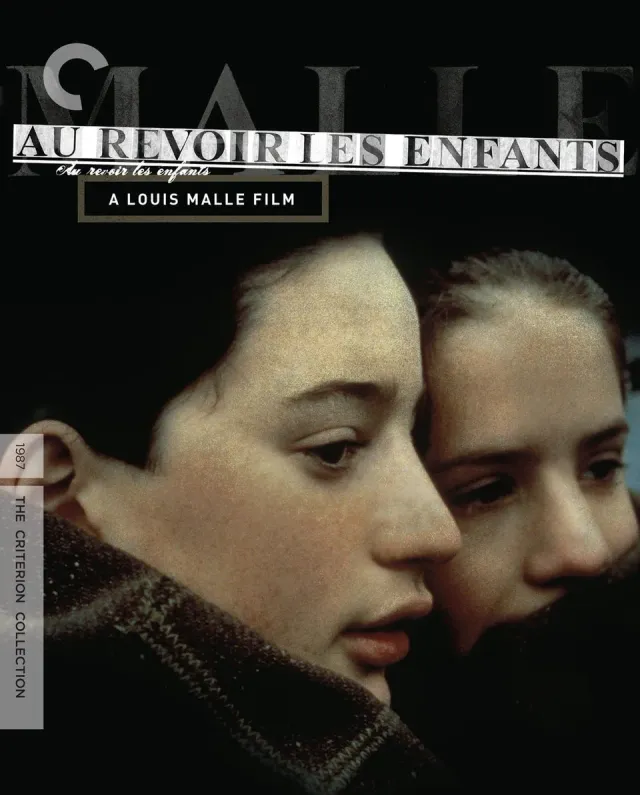
At a Catholic boarding school in occupied France, Julien notices that his new classmate Jean Bonnet is guarded and treated differently by some of the adults. The boys gradually become friends through lessons, meals, and ordinary school rivalries, while Julien discovers that Jean is Jewish and being hidden by the headmaster. A routine school visit by German authorities abruptly puts the fragile arrangement at risk and forces Julien to reckon with what he has witnessed.
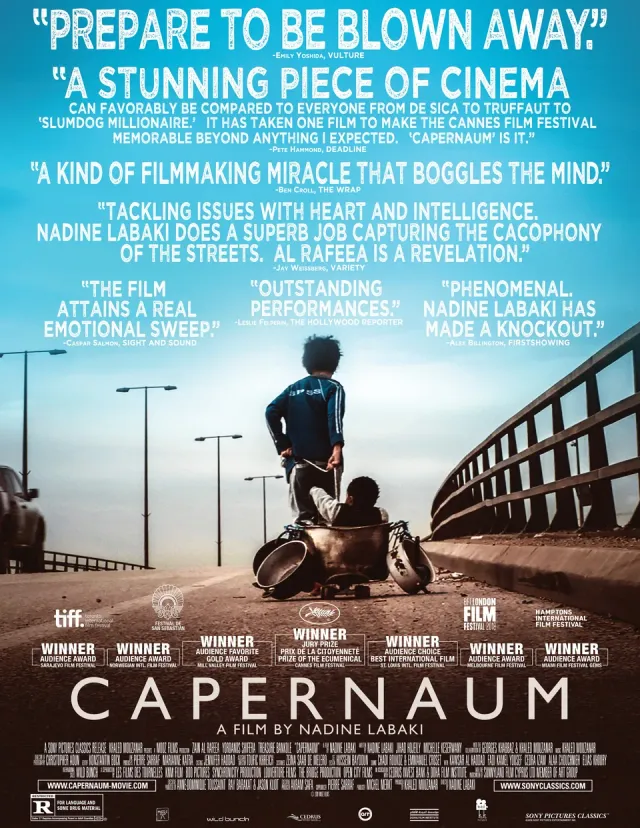
Zain, a 12-year-old surviving on Beirut's streets, appears before a judge to explain why he has sued his parents for bringing him into the world. The courtroom gives public form to a private grievance, while his care for an infant and encounters with precarious adults show how children shoulder responsibilities made by poverty and legal exclusion. The film's urgency comes from Zain's ingenuity and anger, not from a claim that one child can solve those conditions or that parental blame alone explains them.
What drives the story
A child's lawsuit frames episodes of street survival and caregiving, asking what protection means when family, migration status and public systems fail to provide security. The courtroom makes Zain's anger legible without offering an easy verdict.
The people at its centre
Zain's bond with Yonas is loving but beyond a child's fair burden; adults around them make decisions under pressure without becoming interchangeable symbols of neglect. Their connection cannot replace adult protection or public support.
What it feels like
Urgent handheld observation and courtroom testimony create an emotionally demanding perspective rooted in a child's practical attention to danger. The camera stays close to needs such as food, shelter and movement.
Worth knowing
Match on child-led survival and caregiving under structural exclusion. Do not reduce the story to parental blame or treat its fictional courtroom as a complete account of Lebanese law.