Akira is pushed into an adult role without support, while the younger children depend on his decisions.
Why this matches +
Selected for the central appeal: A stranded boy navigates street work, exploitation and fragile friendships while trying to earn his way home.
Genres: Drama
Shared film traits
Based on recorded story, mood and style. Your preferences can change the order.
Survival · Coming of age
What changes Children struggle to survive abandonment with little reliable adult support; a Japanese apartment rather than Bombay streets.
A mother moves into a Tokyo apartment with her four children but hides the younger siblings from the landlord, leaving only eldest son Akira visible. When she leaves for months with little money, Akira takes responsibility for rent, food and his brothers’ and sister’s daily needs. The children have been kept out of school and away from public attention, so their shrinking resources make ordinary childhood harder to sustain. The film quietly follows the siblings’ improvised household as its fragile independence gives way to loss.
A child's lawsuit frames episodes of street survival and caregiving, asking what protection means when family, migration status and public systems fail to provide security. The courtroom makes Zain's anger legible without offering an easy verdict.
Why this matches +
Selected for the central appeal: A stranded boy navigates street work, exploitation and fragile friendships while trying to earn his way home.
Genres: Drama
Shared film traits
Based on recorded story, mood and style. Your preferences can change the order.
Survival
What changes A child survives poverty and exploitation in a dense city while seeking dignity and family; Beirut and a courtroom framing.
Zain, a 12-year-old surviving on Beirut's streets, appears before a judge to explain why he has sued his parents for bringing him into the world. The courtroom gives public form to a private grievance, while his care for an infant and encounters with precarious adults show how children shoulder responsibilities made by poverty and legal exclusion. The film's urgency comes from Zain's ingenuity and anger, not from a claim that one child can solve those conditions or that parental blame alone explains them.
Daily needs and modest hopes shape a family's life while children discover possibilities beyond its immediate limits.
Why this matches +
These offer a related experience with a meaningful difference in story, tone, or presentation.
An adjacent discovery: a related idea with a different viewing experience.
Genres: Drama
Shared film traits
Based on recorded story, mood and style. Your preferences can change the order.
Coming of age
What changes A child's perspective reveals poverty, family ties and resilience in India; rural Bengal and a gentler episodic structure.
A boy grows up in a poor rural Bengali household with an older sister whose curiosity guides his encounters with the wider world. Their mother's daily effort to keep the family together contrasts with their father's hopes for work and advancement. Small discoveries, family tensions and material insecurity unfold through changing seasons, allowing wonder and loss to emerge from the same ordinary surroundings.
Cyril’s attempts to return to his father lead him into new relationships whose limits test whether he can accept care.
Why this matches +
These offer a related experience with a meaningful difference in story, tone, or presentation.
An adjacent discovery: a related idea with a different viewing experience.
Genres: Drama
Shared film traits
Based on recorded story, mood and style. Your preferences can change the order.
Coming of age
What changes A vulnerable boy seeks family and protection after being left without stable care; a Belgian social-realist drama.
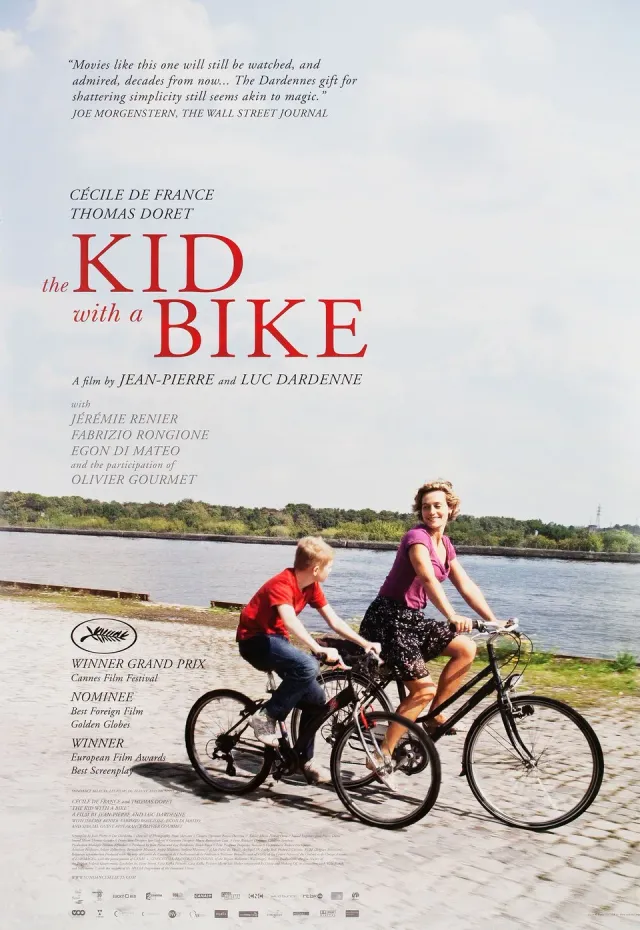
Twelve-year-old Cyril lives in a children’s home in Liège and keeps trying to reach his father, who has left him behind. After a chance encounter, hairdresser Samantha agrees to take him on weekends and returns his bicycle. Cyril remains determined to win his father’s attention, and the disappointment leads him toward a local gang leader despite Samantha’s care. The Dardenne brothers follow the boy’s impulsive search for belonging through fragile trust, rejection and the possibility of choosing another path.
Rosetta’s refusal of assistance is tied to a fierce wish to control her life despite poverty.
Why this matches +
These offer a related experience with a meaningful difference in story, tone, or presentation.
An adjacent discovery: a related idea with a different viewing experience.
Genres: Drama
Shared film traits
Based on recorded story, mood and style. Your preferences can change the order.
Survival
What changes A young person struggles for work and survival on society's margins; an older Belgian protagonist and a tightly focused employment story.
After losing a temporary job, Rosetta returns to the caravan park where she lives with her alcoholic mother and begins an exhausting search for steady work. She rejects welfare and charity, tries to keep food on the table, and befriends Riquet, a young waffle-stand worker who offers her a possible opening. Their fragile friendship is tested when Rosetta learns she can take his job after he is dismissed. The chance to escape poverty forces her to weigh survival against a loyalty neither of them can afford to take for granted.
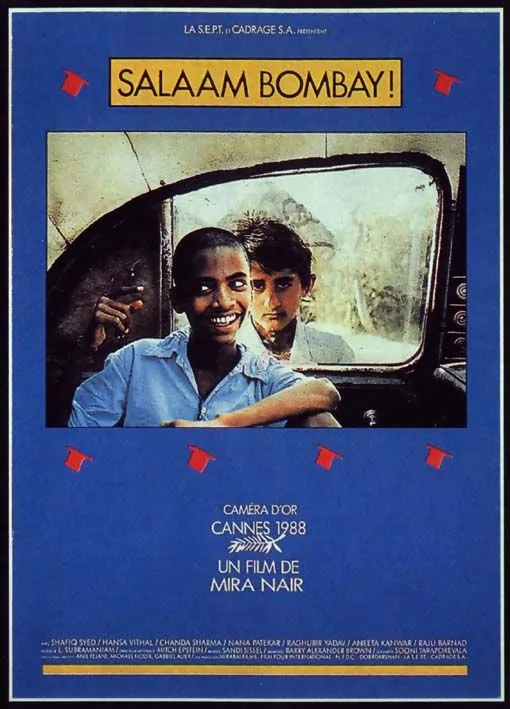
Krishna, a boy sent from his village to earn money after a family dispute, becomes stranded in Bombay and takes work around the city's streets and tea stalls. He tries to save enough to return home while building fragile friendships with other children and adults living at the margins. Their daily negotiations with poverty, exploitation, and separation reveal a community full of resourcefulness but offering few reliable paths to safety.
What drives the story
Krishna's effort to earn his way home draws him into a network of children and workers surviving on the streets.
The people at its centre
He forms attachments even as money, adult exploitation, and family separation threaten to pull the group apart.
What it feels like
The film's observational style emphasizes place and daily labor over plot mechanisms or sentimentality.
Worth knowing
Its social drama follows children's lived experience in a city, rather than a polished coming-of-age adventure.