Both share themes of poverty and survival, plus a compassionate atmosphere.
Why this matches +
Genres: Drama
Shared film traits
Based on recorded story, mood and style. Your preferences can change the order.
Work and ambition · Survival
What changes Rosetta: rosetta moves between job searches and conflict at home and an uneasy friendship before a job offer tests her loyalty. The Girl with the Needle: slow-building, oppressive and decisive.
In postwar Copenhagen, seamstress Karoline struggles to survive after her husband disappears and she loses her factory job. A chance connection with Dagmar, who runs an informal adoption service, offers work and a sense of support while Karoline faces an unexpected pregnancy. The arrangement exposes a darker reality behind the charitable front, forcing her to confront exploitation, poverty and the limited choices available to women in a society still recovering from war.
Both share themes of dignity, plus a raw atmosphere.
Why this matches +
Genres: Drama
Shared film traits
Based on recorded story, mood and style. Your preferences can change the order.
Work and ambition · Family and care
What changes Rosetta: rosetta moves between job searches and conflict at home and an uneasy friendship before a job offer tests her loyalty. To Leslie: measured, episodic, character-led and gradual.
Years after winning a local lottery, Leslie has lost the money and is living with alcoholism, unstable housing and damaged relationships. She returns to her West Texas hometown and reconnects with her adult son, whose offer of shelter comes with limits. Motel owner Sweeney eventually offers her work and a room, creating a fragile chance to rebuild trust. The drama focuses on recovery as a difficult series of choices supported by other people.
Based on recorded story, mood and style. Your preferences can change the order.
Work and ambition · Family and care
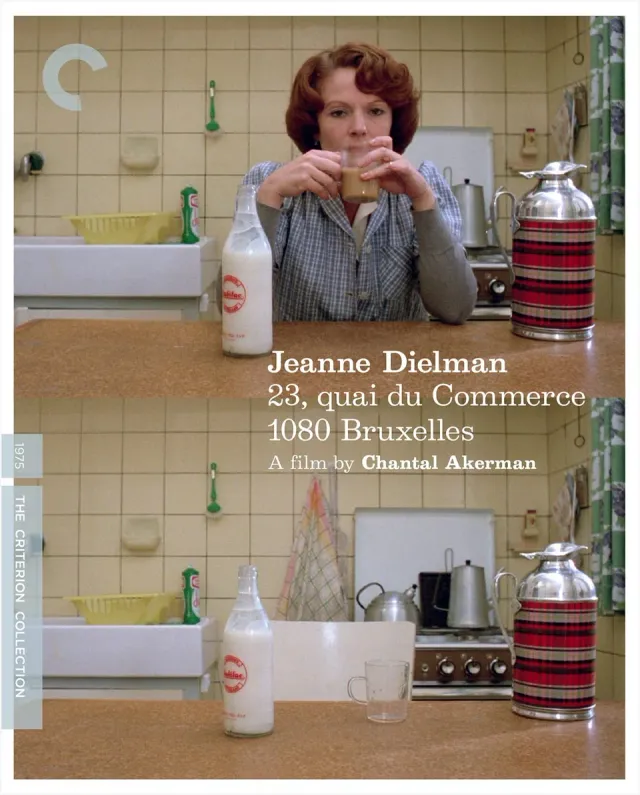
What changes Rosetta: rosetta moves between job searches and conflict at home and an uneasy friendship before a job offer tests her loyalty. Jeanne Dielman, 23 quai du Commerce, 1080 Bruxelles: slow, repetitive and deliberate.
For several days in Brussels, widowed Jeanne Dielman moves through a carefully repeated schedule of cooking, cleaning, shopping and caring for her teenage son. She also receives a client at home each afternoon, fitting that work into the same disciplined routine. Small disruptions accumulate—a meal overcooks, an errand goes wrong, a task slips—until the rituals that structure her life no longer hold. The drama stays close to ordinary time and domestic labor.
Both share themes of poverty and family, plus an urgent and compassionate atmosphere.
Why this matches +
Genres: Drama / Crime
Shared film traits
Based on recorded story, mood and style. Your preferences can change the order.
Work and ambition · Survival
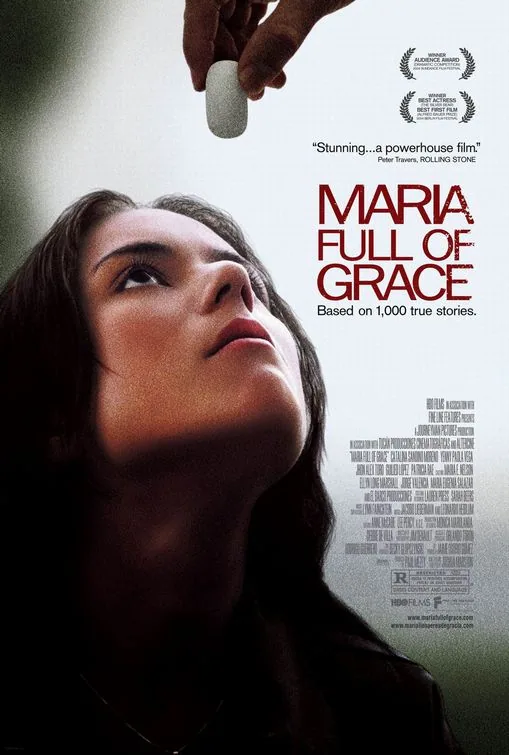
What changes Rosetta: rosetta moves between job searches and conflict at home and an uneasy friendship before a job offer tests her loyalty. Maria Full of Grace: the risky trip to new york changes when a courier dies and leaving maria to make a decision about home and safety.
Seventeen-year-old Maria Álvarez quits a physically demanding flower-plantation job in Colombia and discovers that she is pregnant. Needing income for her family, she accepts an offer to carry drugs to New York inside swallowed pellets, traveling with her friend Blanca. The journey exposes both women to the danger of traffickers and border inspections; another courier, Lucy, dies after a pellet ruptures. Maria must find a way to care for Lucy’s body and decide whether to return to the life she left or stay in the United States for a different future.
Based on recorded story, mood and style. Your preferences can change the order.
What changes Rosetta: rosetta moves between job searches and conflict at home and an uneasy friendship before a job offer tests her loyalty. The Last Picture Show: episodic year and loss accumulates.
In the oil town of Anarene, high-school friends Sonny Crawford and Duane Jackson drift through their final year as the places that structure the town begin to close. Both become involved with Jacy Farrow, whose wealth and ambitions offer a path away from local routine. Sonny’s relationship with Ruth, the adult wife of his high-school coach, creates an uneasy attachment shaped by age and power. Billy, a disabled teenager, is treated as a town fixture and later becomes the target of a cruel sexual initiation arranged by his friends. Sam the Lion’s pool hall and movie theater are among the few places where young people gather; his death makes the town feel smaller still. The story follows desire, boredom and loss without promising that growing up will deliver a clear escape.
Based on recorded story, mood and style. Your preferences can change the order.
Survival · Family and care
What changes Rosetta: rosetta moves between job searches and conflict at home and an uneasy friendship before a job offer tests her loyalty. Tyrannosaur: deliberate, intense and character-led.
Joseph is a widower in northern England whose anger erupts across his daily life. After meeting Hannah, a charity-shop worker whose kindness initially unsettles him, he begins to return to her shop and accept a measure of help. Hannah’s life behind her public faith is controlled by an abusive husband, and the two form a connection shaped by private violence and shame. Paddy Considine’s drama follows whether compassion can survive when both characters are carrying damage they have struggled to name or escape.
Based on recorded story, mood and style. Your preferences can change the order.
Survival
What changes Rosetta: rosetta moves between job searches and conflict at home and an uneasy friendship before a job offer tests her loyalty. Steve: school's fragile routine is introduced, student and staff crises accumulate and future of the institution becomes urgent.
Steve is the headteacher of a last-chance reform school for boys with serious social and behavioral difficulties. Over one pivotal day, he tries to protect the school's integrity and stave off its impending closure while supporting students whose lives have been shaped by exclusion and instability. Shy, a troubled teenager, struggles with anger and his own uncertain future as staff respond to mounting crises. Set in mid-1990s England and adapted from Max Porter's novella Shy, the drama examines the fragile work of care inside an institution running short on time and resources.
Both share themes of family, plus an urgent atmosphere.
Why this matches +
Genres: Drama / Sport
Shared film traits
Based on recorded story, mood and style. Your preferences can change the order.
Survival · Family and care
What changes Rosetta: rosetta moves between job searches and conflict at home and an uneasy friendship before a job offer tests her loyalty. The Swimmers: episodic, propulsive, emotionally direct and building.
Sisters Yusra and Sara Mardini train as swimmers in Damascus as civil war closes in around them. After leaving Syria, their dangerous journey across the Aegean becomes a test of their athletic skill and their bond with the people traveling beside them. The story follows their passage toward Europe and Yusra’s effort to continue swimming, placing one family’s displacement alongside the persistence required to build a future after flight.
Based on recorded story, mood and style. Your preferences can change the order.
Survival
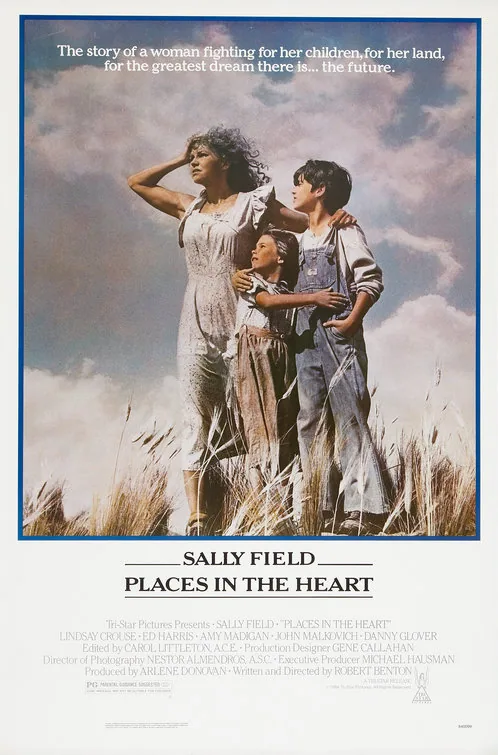
What changes Rosetta: rosetta moves between job searches and conflict at home and an uneasy friendship before a job offer tests her loyalty. Places in the Heart: measured and seasonal progression.
In Depression-era Texas, widowed Edna Spalding tries to keep her farm after her husband's death. She hires a blind boarder and a Black laborer, whose work and differing circumstances become central to the household's survival through a difficult season. Their practical cooperation unfolds against racism, economic insecurity and family grief, giving the farm's struggle a wider view of interdependence in a small community.
After losing a temporary job, Rosetta returns to the caravan park where she lives with her alcoholic mother and begins an exhausting search for steady work. She rejects welfare and charity, tries to keep food on the table, and befriends Riquet, a young waffle-stand worker who offers her a possible opening. Their fragile friendship is tested when Rosetta learns she can take his job after he is dismissed. The chance to escape poverty forces her to weigh survival against a loyalty neither of them can afford to take for granted.
What drives the story
Rosetta’s refusal of assistance is tied to a fierce wish to control her life despite poverty.
The people at its centre
Her connection with Riquet offers solidarity, but competition for work places the friendship under pressure.
What it feels like
The film’s close observation makes economic insecurity a daily bodily experience rather than an abstract issue.
Worth knowing
A job opening appears at the exact moment Rosetta must decide what she owes the friend who offered it.
povertyworkdignity
Mood
urgent · raw · compassionate · unsentimental
Pacing
Rosetta moves between job searches · conflict at home and an uneasy friendship before a job offer tests her loyalty
Visual style
Close handheld camera and plain · physical detail keep the viewer beside Rosetta’s daily effort
Storytelling
A young woman’s search for secure work makes every offer of help and every moral choice feel precarious