Explore films connected to The Girl with the Needle through poverty, motherhood, exploitation. Choose the qualities you want to carry into your next watch.
What should feel similar?
Find your next favourite
9 films · Closest overall matches
Hide films you’ve seen or don’t want. Saved on this device.
No matches for this combination yet.
Try another option or reset your choices to see more films.
Both share themes of poverty and survival, plus a compassionate atmosphere.
Why this matches +
Genres: Drama
Shared film traits
Based on recorded story, mood and style. Your preferences can change the order.
Family and care · Survival
What changes The Girl with the Needle: slow-building, oppressive and decisive. Rosetta: rosetta moves between job searches and conflict at home and an uneasy friendship before a job offer tests her loyalty.
After losing a temporary job, Rosetta returns to the caravan park where she lives with her alcoholic mother and begins an exhausting search for steady work. She rejects welfare and charity, tries to keep food on the table, and befriends Riquet, a young waffle-stand worker who offers her a possible opening. Their fragile friendship is tested when Rosetta learns she can take his job after he is dismissed. The chance to escape poverty forces her to weigh survival against a loyalty neither of them can afford to take for granted.
Based on recorded story, mood and style. Your preferences can change the order.
Family and care · Work and ambition
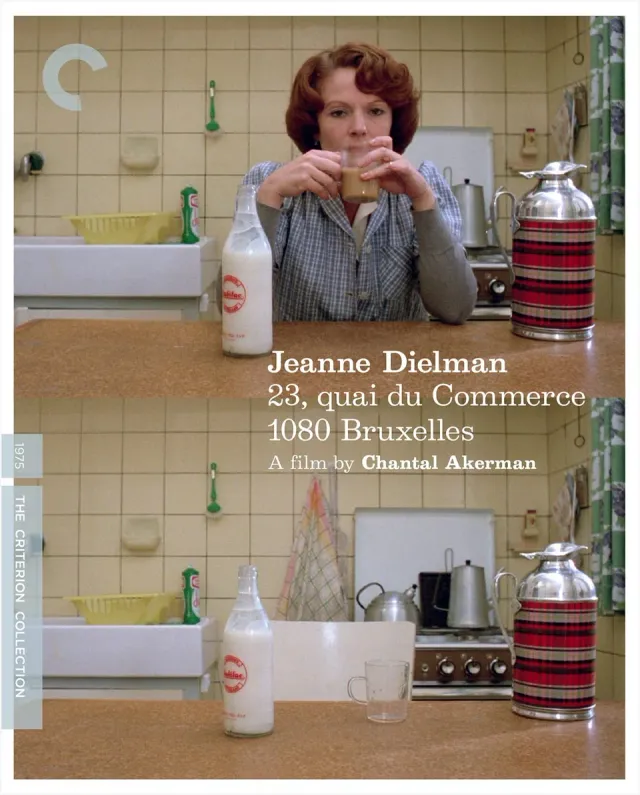
What changes The Girl with the Needle: slow-building, oppressive and decisive. Jeanne Dielman, 23 quai du Commerce, 1080 Bruxelles: slow, repetitive and deliberate.
For several days in Brussels, widowed Jeanne Dielman moves through a carefully repeated schedule of cooking, cleaning, shopping and caring for her teenage son. She also receives a client at home each afternoon, fitting that work into the same disciplined routine. Small disruptions accumulate—a meal overcooks, an errand goes wrong, a task slips—until the rituals that structure her life no longer hold. The drama stays close to ordinary time and domestic labor.
Based on recorded story, mood and style. Your preferences can change the order.
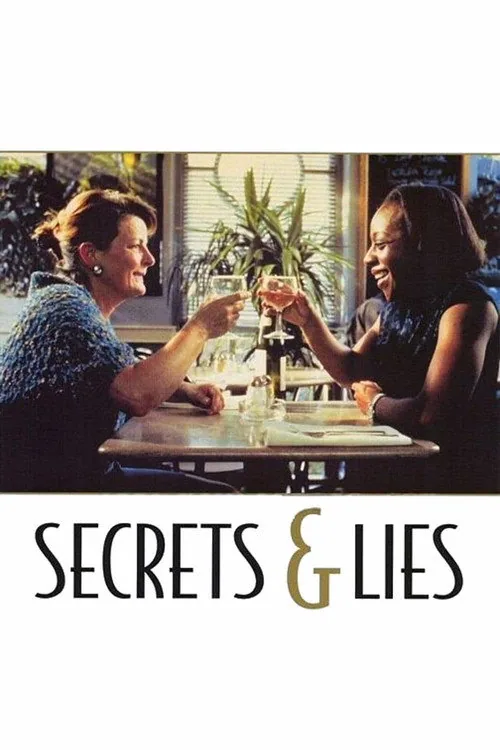
What changes The Girl with the Needle: slow-building, oppressive and decisive. Secrets & Lies: reunion unsettles everyday family routines, private conversations expose old wounds and gathering brings several relationships into view.
After the death of her adoptive mother, London optometrist Hortense Cumberbatch searches for her birth family and meets Cynthia Purley, a working-class woman who gave her up as a baby. Cynthia must absorb the unexpected reunion while managing a strained relationship with her daughter Roxanne and the needs of her brother Maurice. As family members prepare for a celebration, long-held stories surface in intimate conversations that test their assumptions about race, class, motherhood, and belonging.
Based on recorded story, mood and style. Your preferences can change the order.
Survival
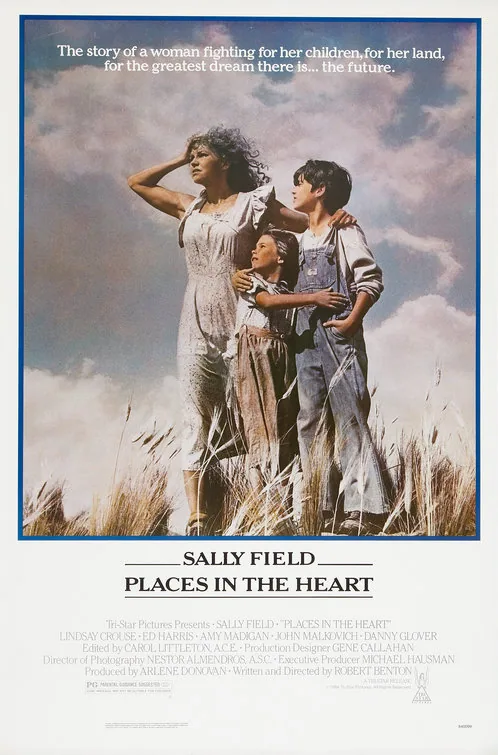
What changes The Girl with the Needle: slow-building, oppressive and decisive. Places in the Heart: measured and seasonal progression.
In Depression-era Texas, widowed Edna Spalding tries to keep her farm after her husband's death. She hires a blind boarder and a Black laborer, whose work and differing circumstances become central to the household's survival through a difficult season. Their practical cooperation unfolds against racism, economic insecurity and family grief, giving the farm's struggle a wider view of interdependence in a small community.
Both share themes of poverty and motherhood, plus a bleak and tense atmosphere.
Why this matches +
Genres: Crime / Drama
Shared film traits
Based on recorded story, mood and style. Your preferences can change the order.
Family and care · Survival
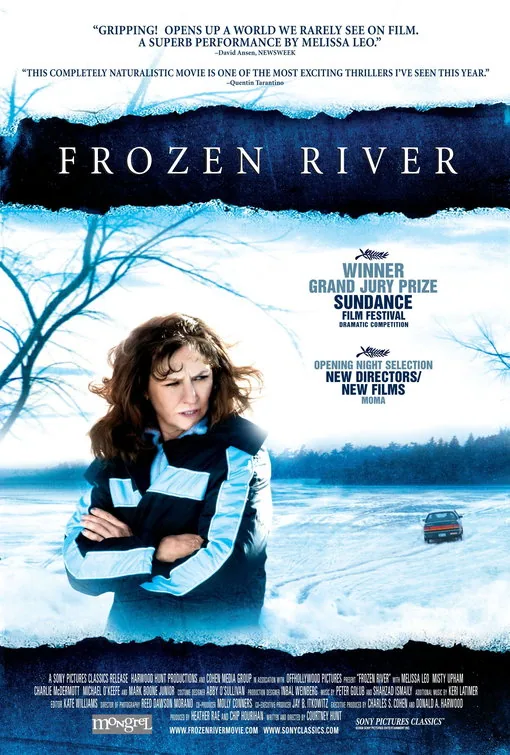
What changes The Girl with the Needle: slow-building, oppressive and decisive. Frozen River: measured, procedural and building tension.
Shortly before Christmas in upstate New York, Ray Eddy is left struggling to support her sons after her husband disappears with their savings. She encounters Lila Littlewolf, a Mohawk woman who has her own painful separation from her young child. The two form a wary partnership smuggling undocumented people across the frozen St. Lawrence River, hoping to secure money for their families. After a dangerous crossing forces them to confront the human cost of the work, they attempt one final trip that puts their loyalties and futures at risk.
Based on recorded story, mood and style. Your preferences can change the order.
Family and care
What changes The Girl with the Needle: slow-building, oppressive and decisive. Klara and the Sun: measured, intimate and quietly cumulative.
Klara is an Artificial Friend designed to accompany people, and she hopes to find a home where she can be useful. When she meets Josie, a teenager living with illness and family strain, the two form an immediate bond. Taika Waititi adapts Kazuo Ishiguro’s novel as a science-fiction drama about loyalty, care, and how an artificial companion interprets human grief and connection.
Both share themes of survival, plus a compassionate atmosphere.
Why this matches +
Genres: Drama / Historical
Shared film traits
Based on recorded story, mood and style. Your preferences can change the order.
Survival · Social hierarchy
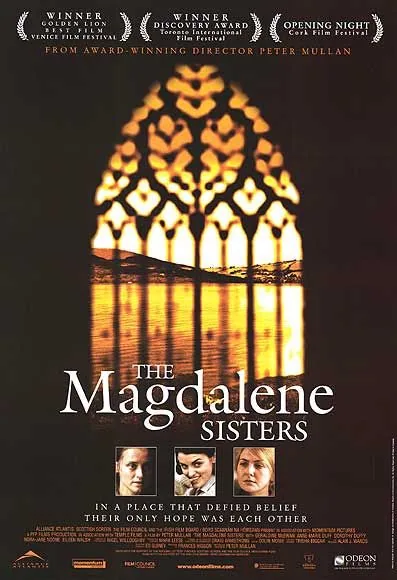
What changes The Girl with the Needle: slow-building, oppressive and decisive. The Magdalene Sisters: daily routines and punishments and escape attempts reveal how the institution maintains control over its inmates.
In 1960s Ireland, Margaret, Bernadette, Rose and Crispina are sent by family or caretakers to a Magdalene laundry, where religious authorities claim to reform women considered sinful. Their work is exhausting, their freedom is restricted and the women face humiliation and abuse from the institution’s leadership. The film follows their attempts to endure the daily regime and preserve relationships with one another, while the asylum’s religious language masks a system that benefits from their labor and keeps them isolated from the outside world.
Based on recorded story, mood and style. Your preferences can change the order.
Family and care
What changes The Girl with the Needle: slow-building, oppressive and decisive. Parallel Mothers: the women meet during childbirth and stay in contact; a private uncertainty becomes entangled with janis’s effort to excavate a village mass grave..
A Madrid photographer becomes pregnant after a relationship with a forensic anthropologist, and shares a maternity-ward room with Ana, a much younger expectant mother. Their lives remain connected after the birth as questions of parentage, care and personal history emerge. Janis’s effort to address a mass grave in her village links this intimate story to Spain’s unresolved Civil War memory.
Both share moral reckoning, plus a bleak atmosphere.
Why this matches +
Genres: Drama
Shared film traits
Based on recorded story, mood and style. Your preferences can change the order.
Family and care · Survival
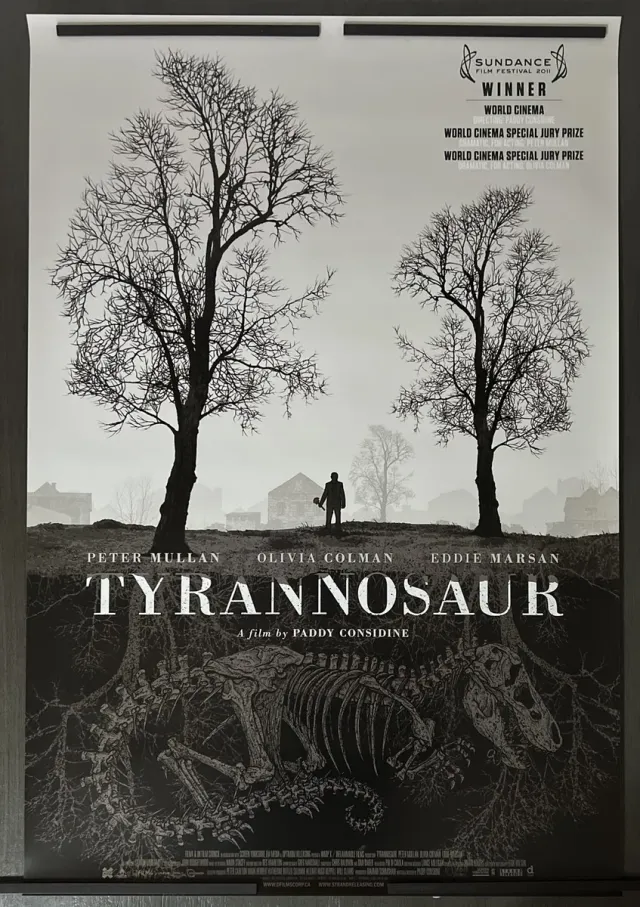
What changes The Girl with the Needle: slow-building, oppressive and decisive. Tyrannosaur: deliberate, intense and character-led.
Joseph is a widower in northern England whose anger erupts across his daily life. After meeting Hannah, a charity-shop worker whose kindness initially unsettles him, he begins to return to her shop and accept a measure of help. Hannah’s life behind her public faith is controlled by an abusive husband, and the two form a connection shaped by private violence and shame. Paddy Considine’s drama follows whether compassion can survive when both characters are carrying damage they have struggled to name or escape.
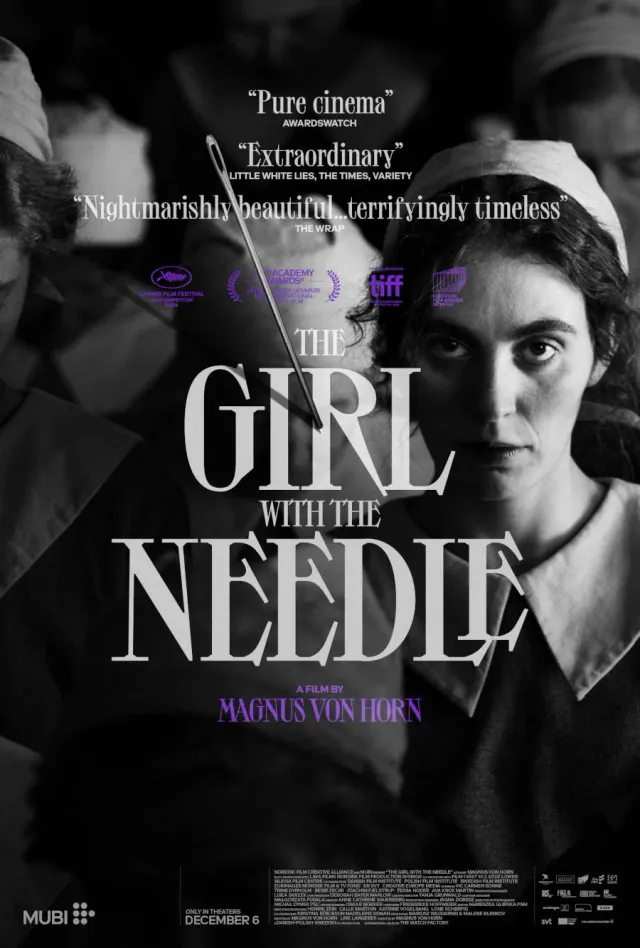
In postwar Copenhagen, seamstress Karoline struggles to survive after her husband disappears and she loses her factory job. A chance connection with Dagmar, who runs an informal adoption service, offers work and a sense of support while Karoline faces an unexpected pregnancy. The arrangement exposes a darker reality behind the charitable front, forcing her to confront exploitation, poverty and the limited choices available to women in a society still recovering from war.
What drives the story
A struggling seamstress accepts help from an adoption broker whose operation conceals a serious crime.
The people at its centre
Karoline seeks security and care while Dagmar's maternal public image hides a more troubling role.
What it feels like
Severe black-and-white imagery gives the period setting a physical pressure that matches the characters' constrained lives.
Worth knowing
Its grim social realism and historical gender politics differ from a conventional mystery about an isolated crime.
povertymotherhoodexploitation
Mood
bleak · tense · stark · compassionate
Pacing
slow-building · oppressive · decisive
Visual style
monochrome photography · expressionist shadows · close interiors · period detail
Storytelling
historical social drama · informal adoption · working-class woman · moral reckoning