Both share themes of poverty, plus a tense and compassionate atmosphere.
Why this matches +
Genres: Drama / Crime
Shared film traits
Based on recorded story, mood and style. Your preferences can change the order.
Survival · Family and care
What changes Frozen River: measured, procedural and building tension. Maria Full of Grace: the risky trip to new york changes when a courier dies and leaving maria to make a decision about home and safety.
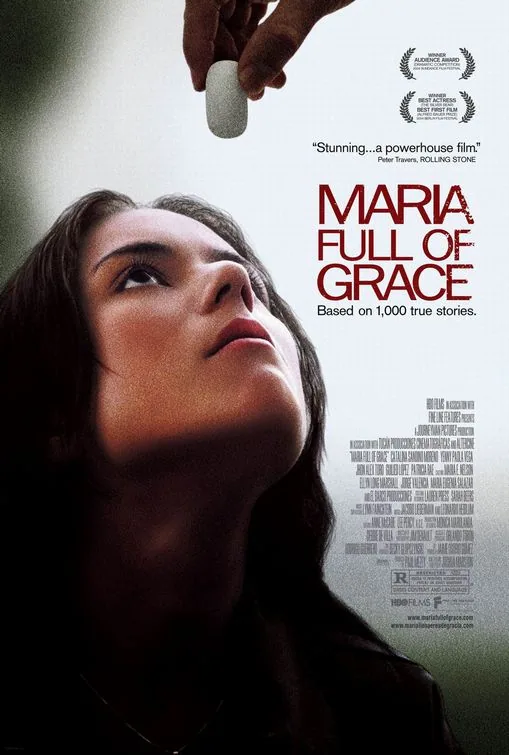
Seventeen-year-old Maria Álvarez quits a physically demanding flower-plantation job in Colombia and discovers that she is pregnant. Needing income for her family, she accepts an offer to carry drugs to New York inside swallowed pellets, traveling with her friend Blanca. The journey exposes both women to the danger of traffickers and border inspections; another courier, Lucy, dies after a pellet ruptures. Maria must find a way to care for Lucy’s body and decide whether to return to the life she left or stay in the United States for a different future.
Based on recorded story, mood and style. Your preferences can change the order.
What changes Frozen River: measured, procedural and building tension. Pride and Glory: procedural investigation, steady revelation and dramatic confrontations.
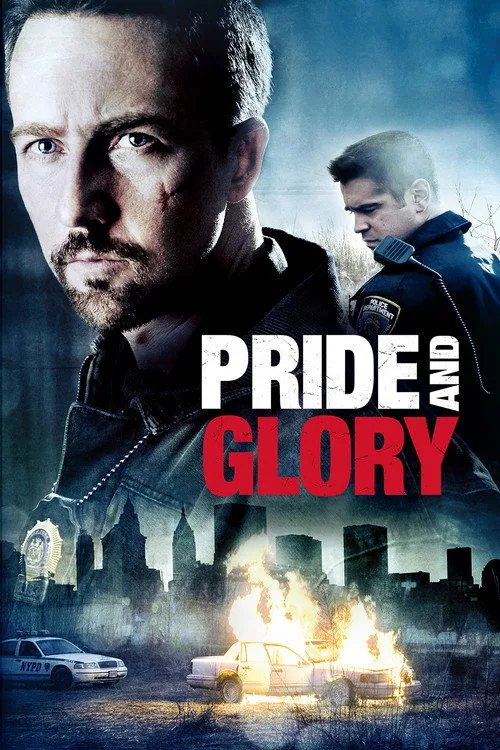
Ray Tierney, a New York detective, is drawn into an investigation after four officers are killed during a drug bust. The case touches his father, brother, and brother-in-law, all connected to the police department, and evidence begins to suggest that the violence may involve corruption inside the family institution. Ray must decide how far loyalty can extend when it conflicts with the evidence and with the public trust his work is meant to serve. The crime drama uses a multigenerational police family to explore duty, complicity, and the cost of exposing wrongdoing.
Based on recorded story, mood and style. Your preferences can change the order.
Survival · Family and care
What changes Frozen River: measured, procedural and building tension. Bulletproof: a failed undercover operation becomes a cross-country prisoner transfer and a test of whether the friendship can survive betrayal.
Small-time thief Archie Moses believes his friend Rock Keats is another criminal, unaware that Rock is undercover LAPD officer Jack Carter. When Jack’s identity is exposed, a botched raid leaves Archie thinking he killed him. Archie is later arrested and agrees to testify against drug lord Frank Colton, so Jack must escort him across the country. Colton’s men turn the transfer into a pursuit, giving the estranged pair time to confront the betrayal and recover their friendship while trying to survive.
Based on recorded story, mood and style. Your preferences can change the order.
What changes Frozen River: measured, procedural and building tension. Harlem Nights: ensemble and confrontation-driven.
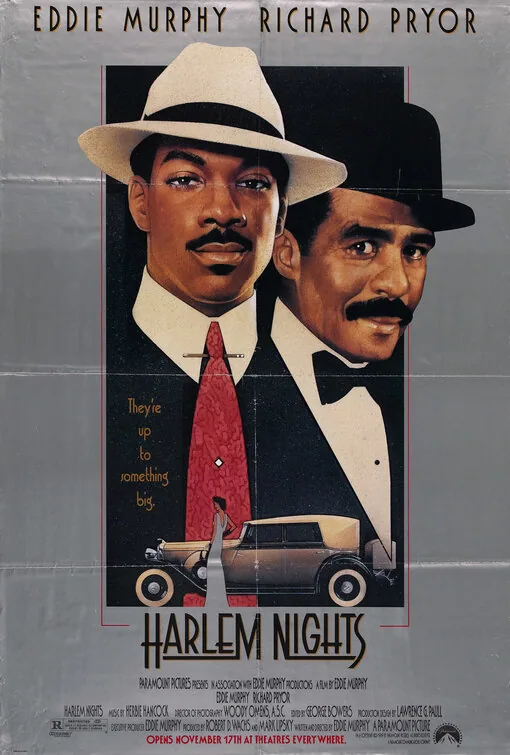
In 1930s Harlem, nightclub owner Sugar Ray and his son Quick try to keep their business alive against a rival gangster and corrupt police. Their club offers glamour and refuge, but every negotiation risks exposing the operation to people who want its profits. The film combines crime, family loyalty and broad comedy within a period underworld, with Eddie Murphy and Richard Pryor's partnership shaping its tone.
Based on recorded story, mood and style. Your preferences can change the order.
Survival · Family and care
What changes Frozen River: measured, procedural and building tension. Never Rarely Sometimes Always: quiet observational scenes, day-by-day appointment structure, deliberate pauses and low-key emotional turning points.
Seventeen-year-old Autumn discovers she is pregnant and learns that her rural Pennsylvania clinic will not provide the care she wants without parental consent. She travels to New York City with her cousin Skylar, where the two navigate appointments, transport, money, and the strain of keeping their trip private. Eliza Hittman’s restrained drama follows their practical decisions and quiet moments of support, giving close attention to the obstacles Autumn faces and the trust that sustains the cousins through an unfamiliar city.
Both share themes of survival, plus a tense atmosphere.
Why this matches +
Genres: Crime / Drama
Shared film traits
Based on recorded story, mood and style. Your preferences can change the order.
Survival · Family and care
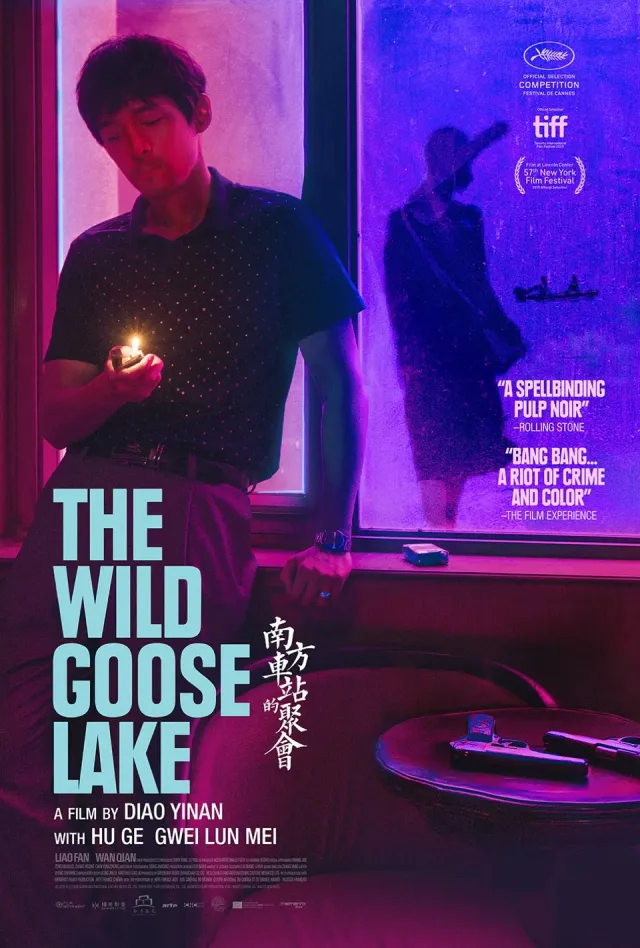
What changes Frozen River: measured, procedural and building tension. The Wild Goose Lake: fragmented timeline, pursuit-driven and slow-burn violence.
Motorcycle gang leader Zhou Zenong is wounded and wanted after a confrontation with a rival gang ends in a policeman’s death. He hides around Wuhan’s Wild Goose Lake and asks Liu Aiai, a woman connected to his gang, to help him contact his estranged wife. Police officers and rival factions close in as Zhou weighs whether to surrender and leave a reward for his family. The Chinese neo-noir follows a man navigating a city of shifting loyalties.
Both share themes of poverty and motherhood, plus a tense and compassionate atmosphere.
Why this matches +
Genres: Drama
Shared film traits
Based on recorded story, mood and style. Your preferences can change the order.
Survival · Family and care
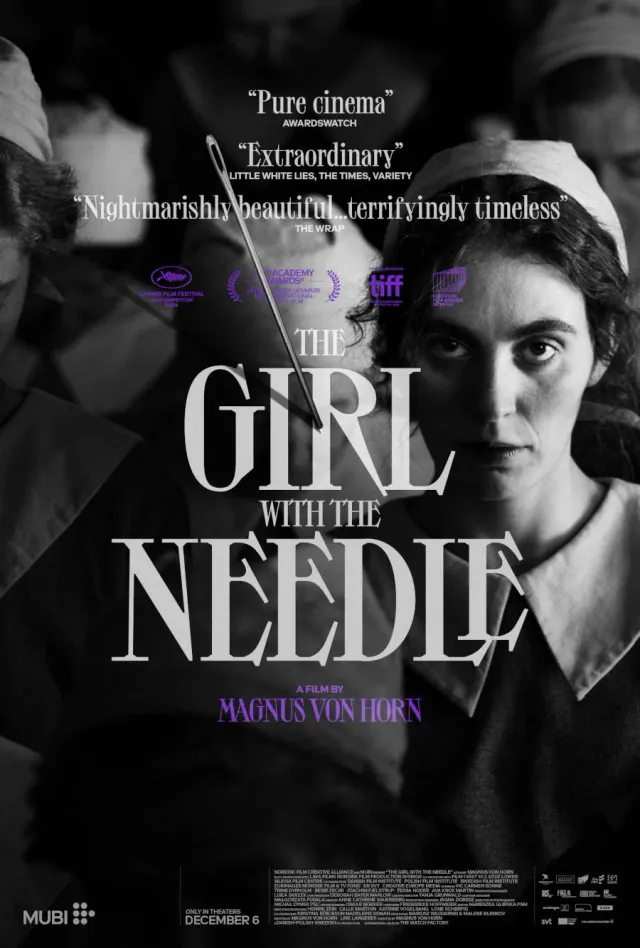
What changes Frozen River: measured, procedural and building tension. The Girl with the Needle: slow-building, oppressive and decisive.
In postwar Copenhagen, seamstress Karoline struggles to survive after her husband disappears and she loses her factory job. A chance connection with Dagmar, who runs an informal adoption service, offers work and a sense of support while Karoline faces an unexpected pregnancy. The arrangement exposes a darker reality behind the charitable front, forcing her to confront exploitation, poverty and the limited choices available to women in a society still recovering from war.
Based on recorded story, mood and style. Your preferences can change the order.
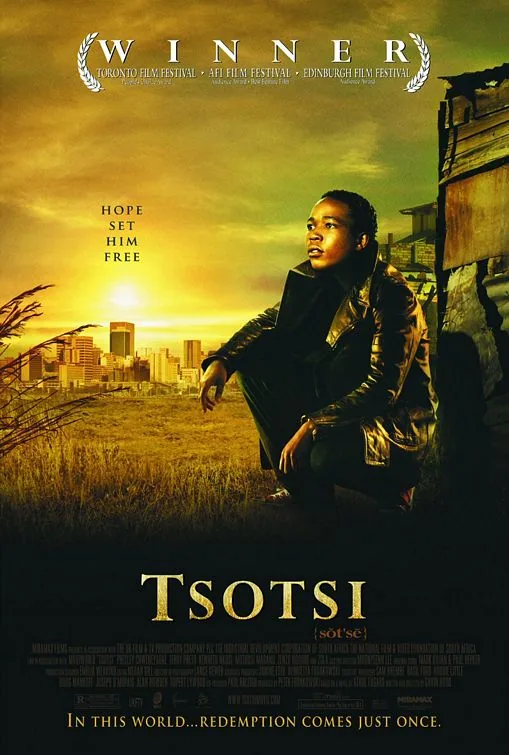
What changes Frozen River: measured, procedural and building tension. Tsotsi: compressed six-day arc.
A young gang leader known only as Tsotsi steals a car in Johannesburg and discovers an infant in the back seat after shooting the child’s mother. Rather than leave the baby, he takes it to his shack and begins caring for it while trying to conceal the theft and satisfy its needs. The choice disrupts the brutal routine he shares with his crew, including the more reflective Boston and the violent Butcher, and forces Tsotsi to approach the child’s mother and family. The film unfolds over several days in Soweto, connecting one boy’s hardened behavior to grief, poverty and a community living with violence without claiming those conditions excuse his actions. The baby becomes a responsibility that makes other people’s vulnerability impossible for him to ignore.
Based on recorded story, mood and style. Your preferences can change the order.
Survival · Escape and pursuit
What changes Frozen River: measured, procedural and building tension. Lilya 4-ever: social isolation setup, increasing exploitation and tragic cyclical framing.
Teenager Lilya lives in a deteriorating apartment block in a former Soviet republic after her mother abandons her to move to the United States. Left without reliable support, she is rejected by friends and adults and forms a protective bond with younger neighbor Volodya. A young man promises Lilya a better life in Sweden, but the trip becomes a human-trafficking trap. Lukas Moodysson's stark drama follows her isolation and exploitation while exposing how poverty, false promises, and institutional indifference narrow her choices.
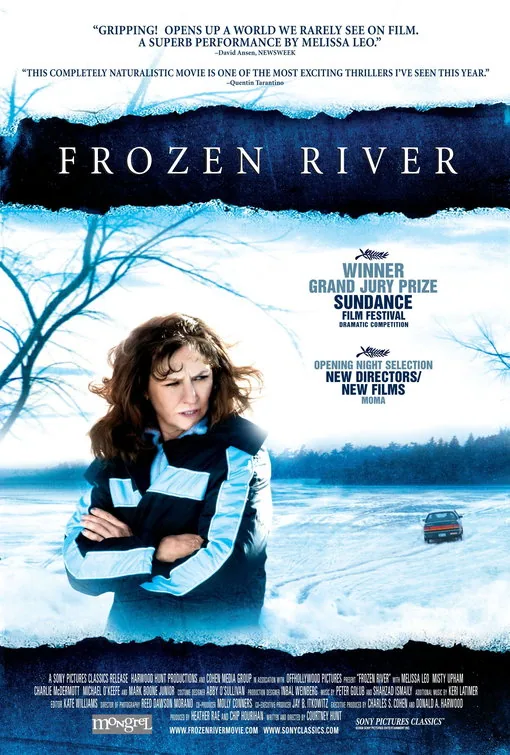
Shortly before Christmas in upstate New York, Ray Eddy is left struggling to support her sons after her husband disappears with their savings. She encounters Lila Littlewolf, a Mohawk woman who has her own painful separation from her young child. The two form a wary partnership smuggling undocumented people across the frozen St. Lawrence River, hoping to secure money for their families. After a dangerous crossing forces them to confront the human cost of the work, they attempt one final trip that puts their loyalties and futures at risk.
What drives the story
Ray and Lila make increasingly risky crossings to support their children, until a border run forces them to decide who will bear the consequences.
The people at its centre
The women begin as uneasy partners and gradually recognize each other’s maternal pressures, even as their choices can place one another in danger.
What it feels like
The wintry landscape and unvarnished performances make economic desperation feel immediate without turning the characters into simple heroes or villains.
Worth knowing
Its tension comes from realistic border smuggling and difficult maternal choices, rather than an action-centered chase or organized-crime ascent.