A childhood act of silence creates a criminal mentorship that competes with a father's ordinary moral example.
Why this matches +
Selected for the central appeal: A former extremist tries to stop his younger brother following him into racist violence.
Genres: Crime / Drama
Shared film traits
Based on recorded story, mood and style. Your preferences can change the order.
What changes A young man's choices are shaped by competing father figures and the violent prejudices of his neighborhood.
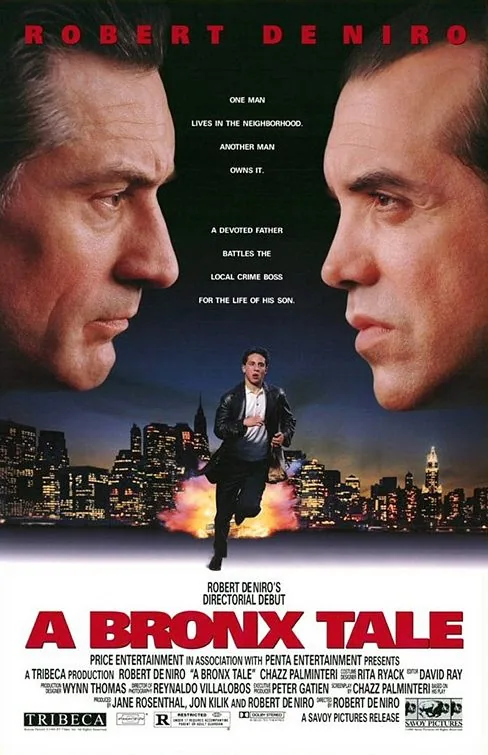
A boy in an Italian American neighborhood witnesses a killing and wins a local gangster's favor by refusing to identify him. As he grows up, he moves between the gangster's seductive authority and his bus driver father's insistence on honest work. An interracial romance and his friends' escalating racism make the choice between these models of adulthood increasingly urgent.
An aspiring photographer's account follows the growth of violent power while his own route away depends on documenting people he cannot safely oppose.
Why this matches +
These offer a related experience with a meaningful difference in story, tone, or presentation.
An adjacent discovery: a related idea with a different viewing experience.
Genres: Crime / Drama
Shared film traits
Based on recorded story, mood and style. Your preferences can change the order.
What changes Young people in a neglected urban community struggle to escape violent groups whose reputation and revenge draw in new members.
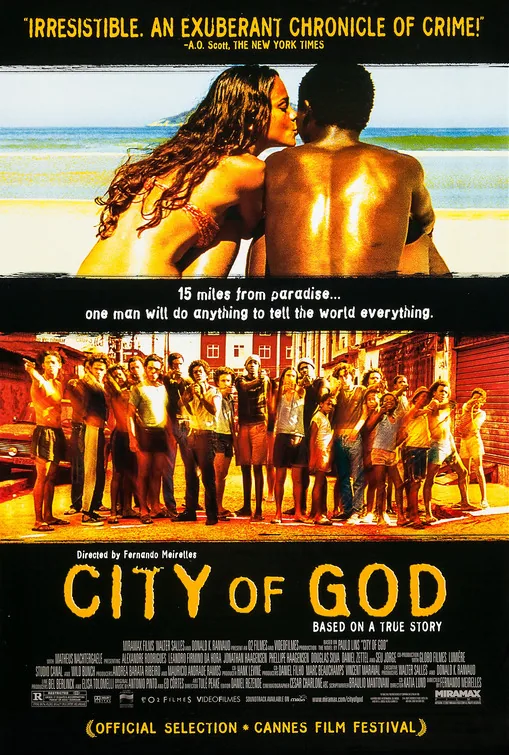
A young man growing up in a Rio de Janeiro housing project watches local crime evolve from opportunistic theft into an organised struggle over territory. His interest in photography creates a possible position outside the violence, but access to an image requires proximity to the people controlling it. Recounted episodes connect personal survival to a wider cycle in which reputation, childhood exclusion and revenge continually supply new participants.
A retaliatory killing produces a defense case whose legal questions are inseparable from racist intimidation and unequal public identification with the victims.
Why this matches +
These offer a related experience with a meaningful difference in story, tone, or presentation.
An adjacent discovery: a related idea with a different viewing experience.
Genres: Drama / Crime
Shared film traits
Based on recorded story, mood and style. Your preferences can change the order.
What changes Racial hatred and retaliatory violence expose the difficulty of achieving justice in a divided community.
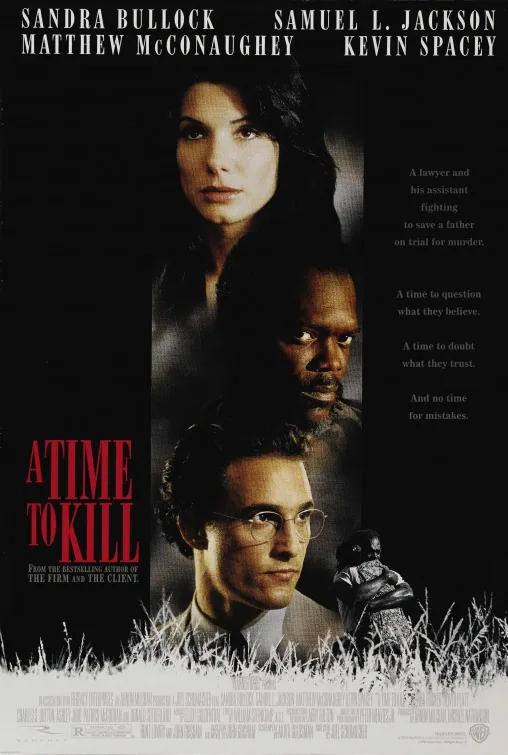
After a Black girl is brutally attacked in Mississippi, her father kills the accused men and faces a murder trial. A young white lawyer agrees to defend him as racial intimidation and public anger spread beyond the courtroom. Preparing the case endangers colleagues and family, turning a legal argument about responsibility into a confrontation with the unequal sympathy and institutional power shaping the surrounding community.
A day of movement and confrontation accumulates around a weapon and the possibility of retaliatory violence.
Why this matches +
These offer a related experience with a meaningful difference in story, tone, or presentation.
An adjacent discovery: a related idea with a different viewing experience.
Genres: Crime / Drama
Shared film traits
Based on recorded story, mood and style. Your preferences can change the order.
What changes Young men confronting prejudice and police hostility face a cycle of grievance and violence that threatens their future.
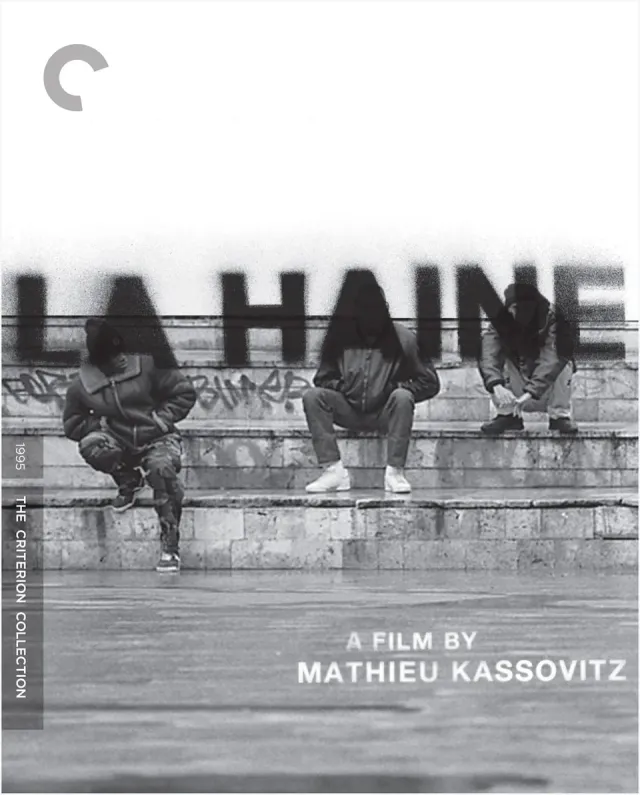
Three friends from a marginalised Paris suburb spend a tense day after a riot has left another young man critically injured. One carries a police gun and imagines retaliation, while the others respond with scepticism, bravado or attempts at restraint. Encounters in the suburb and the city repeatedly expose humiliation and exclusion, making aimless movement feel like a narrowing set of options.
A public act of self defense exposes a concealed past and brings criminal claims into an apparently settled household.
Why this matches +
These offer a related experience with a meaningful difference in story, tone, or presentation.
An adjacent discovery: a related idea with a different viewing experience.
Genres: Crime / Drama
Shared film traits
Based on recorded story, mood and style. Your preferences can change the order.
What changes A man attempting to leave a violent past behind finds that family relationships remain vulnerable to the consequences of his earlier identity.
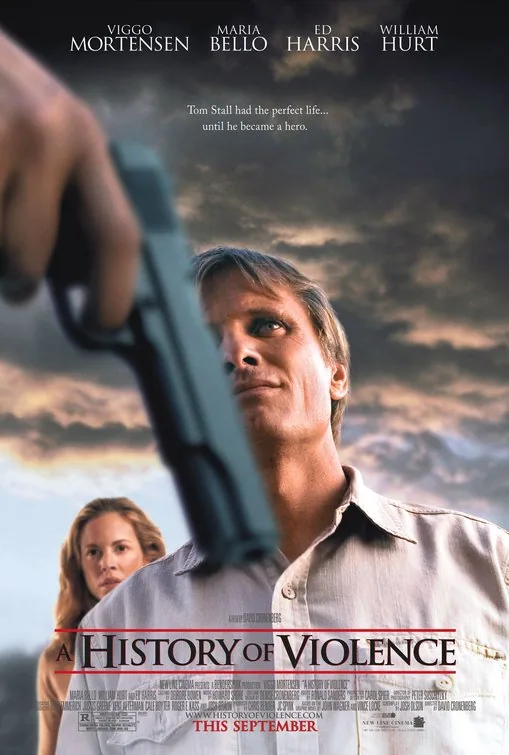
A quiet small town diner owner becomes a local hero after killing armed robbers during an attack. Public attention brings a stranger who insists that the man has a different name and a violent criminal past. As the threat reaches his family, the protective identity he has built becomes inseparable from questions about whether violence can ever remain confined to an earlier life.
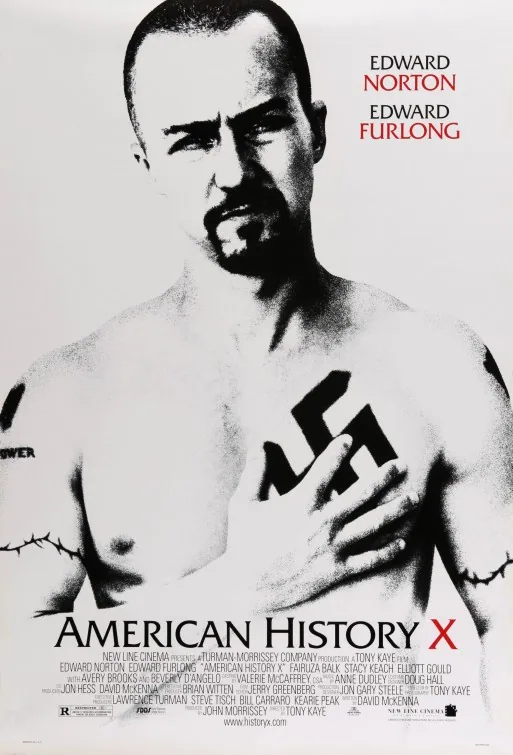
A teenager follows the racist commitments that gave his older brother status before imprisonment interrupted that example. Returning home, the brother attempts to pull him away from a movement he now understands differently, but shared history and inherited grievance make a change of allegiance difficult to communicate. The younger sibling's account places private family attachment against an ideology that repeatedly turns vulnerability into hatred and violence.
What drives the story
An older brother's reversal creates an urgent effort to interrupt the process through which a younger sibling has learned to equate belonging with racist aggression.
The people at its centre
Brothers whose attachment once transmitted destructive beliefs struggle to rebuild trust around an acknowledgment of the harm those beliefs caused.
What it feels like
Confrontational violence and retrospective family drama create a harsh, emotionally direct account of indoctrination and attempted change.
Worth knowing
Its anti-racist argument includes explicit racist language and severe violence; a redemption framework does not make the experience gentle or the consequences easily reversible.