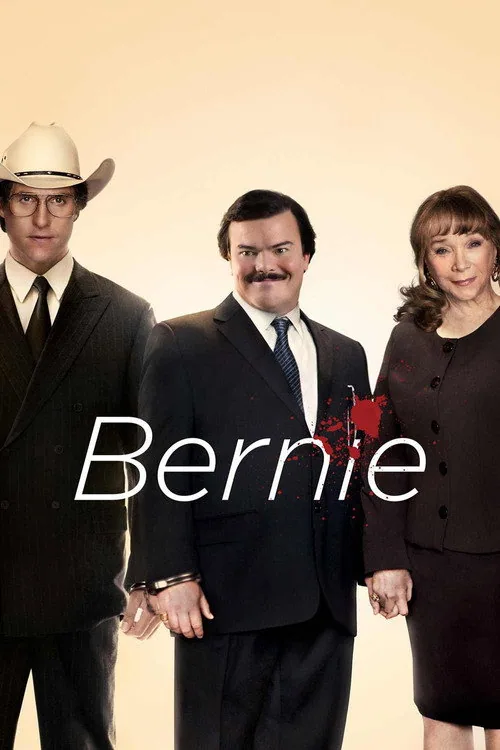
A beloved small-town Texas funeral director befriends and eventually kills a wealthy widow; dramatized scenes and interviews with local residents create an affectionate yet unsettling true-crime black comedy.
What should feel similar?
Find your next favourite
5 films · Closest overall matches
Hide films you’ve seen or don’t want. Saved on this device.
No matches for this combination yet.
Try another option or reset your choices to see more films.
Amber’s scholarship hopes make the contest’s class and family pressures more than a vanity game.
Why this matches +
Pair notes distinguish story, setting and tone.
An adjacent discovery: a related idea with a different viewing experience.
Genres: Comedy / Mockumentary
Shared film traits
Based on recorded story, mood and style. Your preferences can change the order.
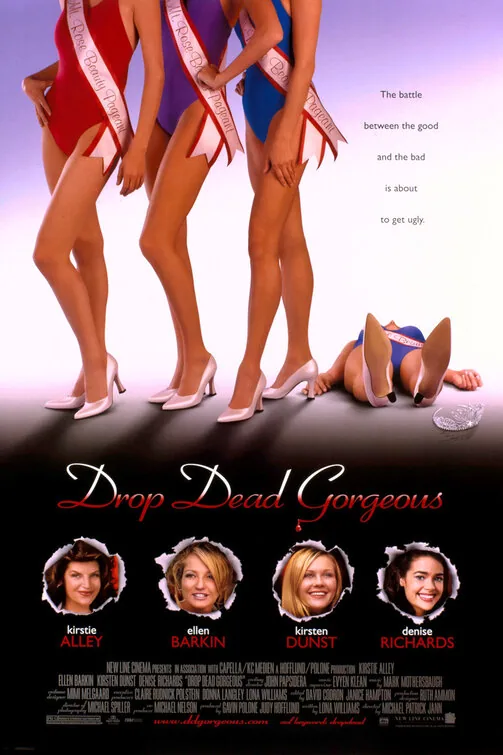
What changes A fictional Minnesota beauty pageant mockumentary follows competitive contestants rather than a real Texas mortician and widow.
A documentary crew follows a teenage beauty pageant in Mount Rose, Minnesota, where scholarship hopeful Amber Atkins competes against Becky Leeman, daughter of the powerful local organizer. The contest’s supposed fairness is questioned as accidents and suspicious deaths disrupt rehearsals and contestants’ lives. Amber keeps competing after her family suffers another setback, while the town’s pageant traditions expose rivalries, class divisions and carefully staged respectability. The competition’s smiling public image becomes increasingly absurd as its participants fight for status and a future.
An athlete’s pursuit of recognition is overtaken by an attack on a rival, then reconstructed through accounts that compete for control of the story. The film’s competing accounts invite suspicion but do not resolve who knew what about the attack.
Why this matches +
Pair notes distinguish story, setting and tone.
An adjacent discovery: a related idea with a different viewing experience.
Genres: Drama / Biography
Shared film traits
Based on recorded story, mood and style. Your preferences can change the order.
What changes A figure skater’s assault scandal and family abuse replace a small-town murder and communal loyalty.
Tonya Harding’s skating talent takes her into an elite sport whose preferred image conflicts with her working-class background and presentation. Abuse by her mother and husband shapes the intimate world around training, while the attack on rival Nancy Kerrigan makes Harding’s career a criminal scandal. Reenacted testimony, contradictions and direct address keep viewers aware that the film is staging competing versions rather than delivering a neutral verdict. Its black comedy can expose class judgment and media performance, but neither abuse nor institutional bias decides the disputed question of Harding’s complicity. The profile must hold these claims together without turning comic style into evidence or making one source of harm cancel another.
A poorly controlled criminal bargain produces consequences its organiser keeps trying to manage through further concealment instead of confronting the original choice.
Why this matches +
Pair notes distinguish story, setting and tone.
An adjacent discovery: a related idea with a different viewing experience.
Genres: Crime / Drama
Shared film traits
Based on recorded story, mood and style. Your preferences can change the order.
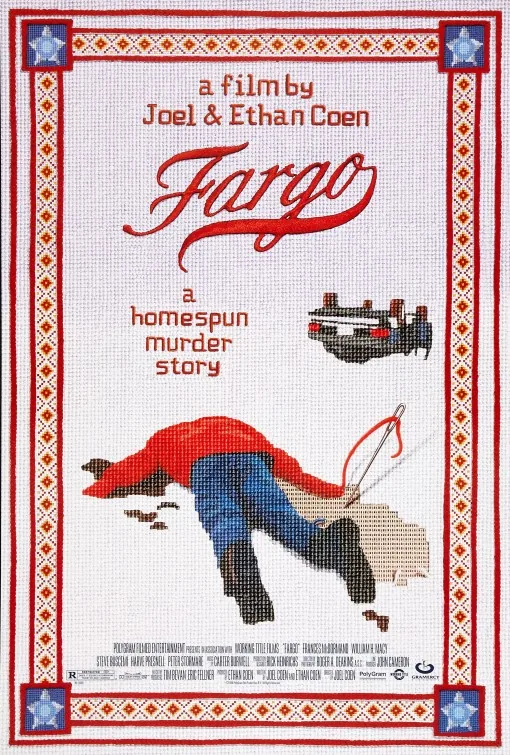
What changes A fictional kidnapping scheme and police investigation are more violent and plot-driven than Bernie’s true-crime portrait.
A financially desperate car salesman arranges his wife's kidnapping, expecting to extract money from her wealthy father while concealing his own role. The hired men bring incompatible temperaments and less control than his plan assumes, turning a private fraud into a chain of killings. A pregnant police chief follows the practical evidence with an attention to ordinary behaviour that contrasts sharply with the self-importance and denial driving the people she is trying to identify.
a robbery plan depending on an unsuspecting landlady’s home. This pressure determines what the protagonist must do next and which risks become unavoidable.
Why this matches +
Pair notes distinguish story, setting and tone.
An adjacent discovery: a related idea with a different viewing experience.
Genres: Comedy / Crime
Shared film traits
Based on recorded story, mood and style. Your preferences can change the order.
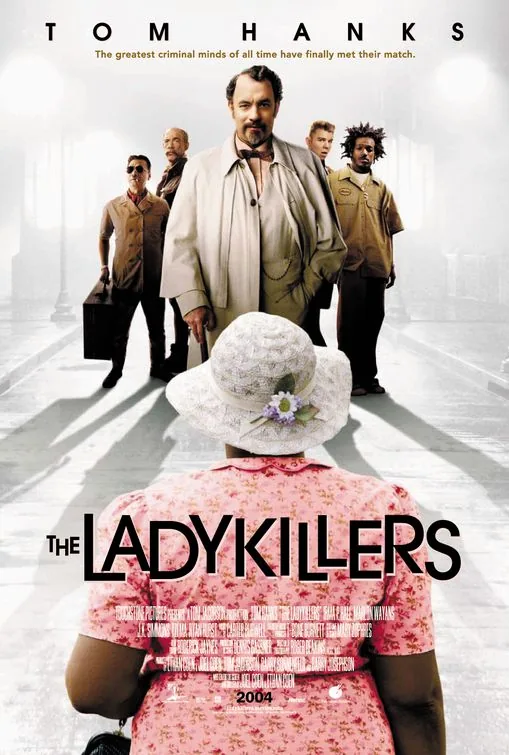
What changes A group of inept criminals targets a churchgoing landlady in a broad fictional caper instead of a community protecting a real killer’s reputation.
An eccentric professor rents a room from a devout older woman while assembling criminals for a casino robbery. The gang uses her home as a base, but the plan is threatened when she becomes aware of their deception. This crime comedy filters a familiar caper through offbeat dialogue and a clash of manners that gradually unravels the thieves’ scheme.
Suzanne manipulates young admirers into removing the obstacle she sees in her path to fame.
Why this matches +
Pair notes distinguish story, setting and tone.
An adjacent discovery: a related idea with a different viewing experience.
Genres: Crime / Drama
Shared film traits
Based on recorded story, mood and style. Your preferences can change the order.
What changes A fame-seeking aspiring broadcaster manipulates teenagers into murder rather than a beloved mortician killing his wealthy companion.
Suzanne Stone wants to become a television personality and treats her local reporting job as a step toward national attention. When her husband and his wish for a conventional life threaten her plans, she cultivates a group of teenagers and pulls them into a murder scheme. Documentary interviews and direct-address monologues expose how she packages ambition as a story for viewers.
Bernie Tiede is a beloved assistant mortician in a small Texas town, admired for his warmth, generosity, and attentive funeral work. His close relationship with the wealthy, difficult widow Marjorie Nugent becomes increasingly complicated, and a shocking act leads to a prosecution shaped by the community's divided loyalties. Richard Linklater presents the case through interviews with local residents as well as dramatized scenes, blending true-crime material with a mockumentary portrait of small-town memory, gossip, and moral judgment.
What drives the story
The case becomes a contest between the facts of a crime and a town's affectionate picture of the man accused of it.
The people at its centre
Bernie's charm and service contrast with Marjorie's demanding isolation, while residents and prosecutors interpret their bond differently.
What it feels like
Direct-to-camera testimony gives the comedy a documentary texture and lets communal contradictions surface through ordinary voices.
Worth knowing
Its humor comes from local perspective around a real crime, not from treating murder as a conventional whodunit puzzle.
community judgmentaffection and controltruth shaped by gossip
Mood
folksy · wry · uneasy
Pacing
interview-driven · measured build · shifts between testimony and reenactment