An Olympic wrestler joins a wealthy patron's training camp, where support develops into a controlling relationship.
Why this matches +
Selected for the central appeal: Sports dramas about talent, class judgment, abuse and the stories built around scandal.
Genres: Drama / Sport
Shared film traits
Based on recorded story, mood and style. Your preferences can change the order.
Sport and competition
What changes Foxcatcher examines elite athletes, a controlling relationship and the violence behind a polished sporting image.
Olympic wrestler Mark Schultz is invited to train at the private estate of wealthy enthusiast John du Pont, whose support promises resources and independence from his older brother Dave. The arrangement becomes increasingly controlling as du Pont's interest in the team shifts toward authority and recognition. Bennett Miller's drama studies the unstable relationship between patronage and dependence, using wrestling and training as settings for a story about ambition, loneliness, and power.
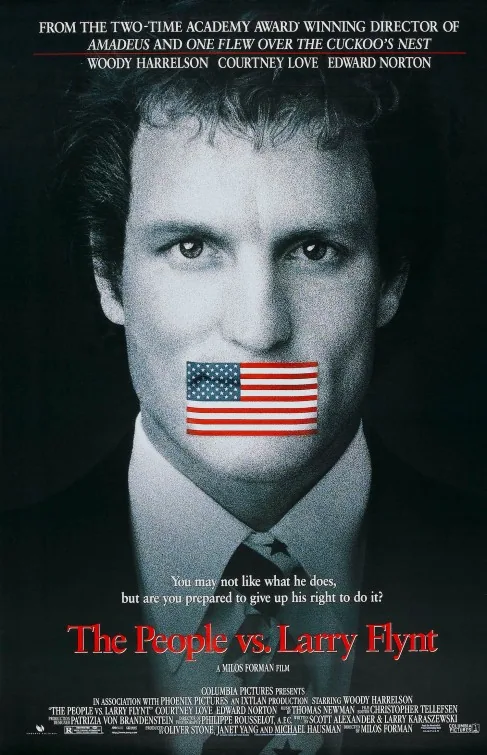
A publisher's increasingly provocative business triggers legal battles that culminate in a test of whether parody can be punished as emotional harm.
Why this matches +
These offer a related experience with a meaningful difference in story, tone, or presentation.
An adjacent discovery: a related idea with a different viewing experience.
Genres: Drama / Biography
Shared film traits
Based on recorded story, mood and style. Your preferences can change the order.
What changes The People vs. Larry Flynt follows a controversial public figure through legal battles and competing judgments about his life.
The film traces Larry Flynt's path from a struggling Ohio club owner to the publisher of Hustler, whose provocations make him a target of obscenity prosecutions and moral campaigns. His relationship with Althea Leasure becomes both a central partnership and a source of mounting personal strain as the magazine's reach grows. Lawyer Alan Isaacman helps Flynt challenge restrictions on expression, culminating in the Supreme Court case over a parody of Reverend Jerry Falwell. Flynt's public conduct is often theatrical, but the legal argument concerns whether offensive speech can be punished for causing emotional distress. The story moves across decades, linking a contentious private life to constitutional litigation while compressing real events into a biographical drama that takes a position on who deserves protection under free-speech law.
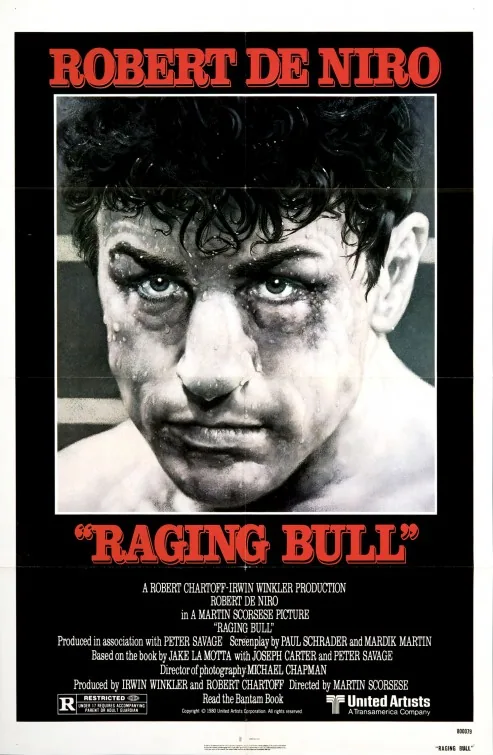
A fighter's ascent and decline reveal how competitive aggression becomes destructive suspicion when carried into marriage and family life.
Why this matches +
These offer a related experience with a meaningful difference in story, tone, or presentation.
An adjacent discovery: a related idea with a different viewing experience.
Genres: Drama / Action
Shared film traits
Based on recorded story, mood and style. Your preferences can change the order.
Sport and competition
What changes Raging Bull follows a gifted athlete whose violent personal relationships and public career become inseparable.
A middleweight boxer builds a career through punishing physical ability while distrust and possessiveness corrode his private relationships. His brother manages practical opportunities, but cannot contain a jealousy that turns ordinary encounters into supposed evidence of betrayal. As professional success rises and recedes, the same aggression rewarded in the ring isolates him from his wife and family, leaving public performance and private damage inseparable.
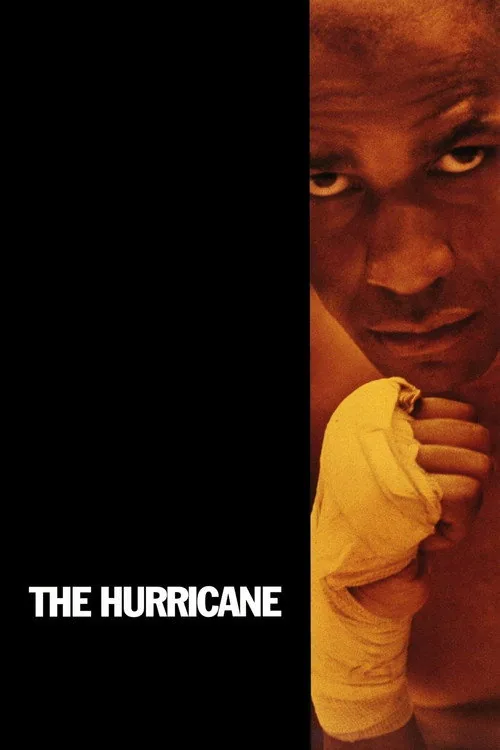
Carter and his supporters seek to have his conviction reconsidered and overturned.
Why this matches +
These offer a related experience with a meaningful difference in story, tone, or presentation.
An adjacent discovery: a related idea with a different viewing experience.
Genres: Biography / Drama
Shared film traits
Based on recorded story, mood and style. Your preferences can change the order.
Sport and competition
What changes The Hurricane follows a boxer's career and public identity shaped by a contested criminal case.
In 1966, middleweight boxer Rubin “Hurricane” Carter and his friend John Artis are stopped by police after a triple murder and later convicted based on witness testimony. Carter maintains his innocence in prison and publishes an autobiography; years later, teenager Lesra Martin reads it and draws a Canadian foster family into the effort to reopen the case. Norman Jewison’s biographical drama follows the legal campaign that leads a federal judge to overturn the convictions. It is a dramatic adaptation of Carter’s story, and some depictions of the real case were disputed and later corrected.
A workplace complaint exposes the risks faced by women inside a powerful television network.
Why this matches +
These offer a related experience with a meaningful difference in story, tone, or presentation.
An adjacent discovery: a related idea with a different viewing experience.
Genres: Drama / Biography
Shared film traits
Based on recorded story, mood and style. Your preferences can change the order.
What changes Bombshell uses a media scandal and multiple perspectives to examine power and abuse.
At Fox News, anchor Gretchen Carlson challenges the workplace culture she says enabled harassment by powerful chairman Roger Ailes. Her complaint prompts Megyn Kelly to revisit her own experiences, while producer Kayla Pospisil navigates the pressures facing younger employees. Jay Roach's dramatization follows several women whose choices intersect during a public reckoning, centering institutional power, competing risks, and the costs of speaking out.
Tonya Harding’s skating talent takes her into an elite sport whose preferred image conflicts with her working-class background and presentation. Abuse by her mother and husband shapes the intimate world around training, while the attack on rival Nancy Kerrigan makes Harding’s career a criminal scandal. Reenacted testimony, contradictions and direct address keep viewers aware that the film is staging competing versions rather than delivering a neutral verdict. Its black comedy can expose class judgment and media performance, but neither abuse nor institutional bias decides the disputed question of Harding’s complicity. The profile must hold these claims together without turning comic style into evidence or making one source of harm cancel another.
What drives the story
An athlete’s pursuit of recognition is overtaken by an attack on a rival, then reconstructed through accounts that compete for control of the story. The film’s competing accounts invite suspicion but do not resolve who knew what about the attack.
The people at its centre
Tonya’s dependence on LaVona and Jeff binds ambition to abuse, while judges and coaches enforce standards of presentation that do not explain or excuse the criminal plot. Abuse and class prejudice contextualize Harding without proving or disproving complicity.
What it feels like
Kinetic skating, direct-to-camera interviews and abrupt shifts from violence to comedy make the audience watch the performance of memory alongside the sport. Skating spectacle and interview reenactment make performance recur both on and off the rink.
Worth knowing
Compare with unreliable biopics about class, abuse and public scandal, preserving both Harding’s reported victimization and the unresolved evidence about her involvement. Its jokes can shape sympathy, but they are not substitutes for evidence about the criminal case.