Explore films connected to The People vs. Larry Flynt through Free speech, Public image, Intimacy and loss. Choose the qualities you want to carry into your next watch.
What should feel similar?
Find your next favourite
9 films · Closest overall matches
Hide films you’ve seen or don’t want. Saved on this device.
No matches for this combination yet.
Try another option or reset your choices to see more films.
Both share a provocative and darkly comic atmosphere.
Why this matches +
Genres: Biography / Crime
Shared film traits
Based on recorded story, mood and style. Your preferences can change the order.
What changes The People vs. Larry Flynt: sweeping and episodic. Bronson: fragmented episodes orbit repeated returns to custody.
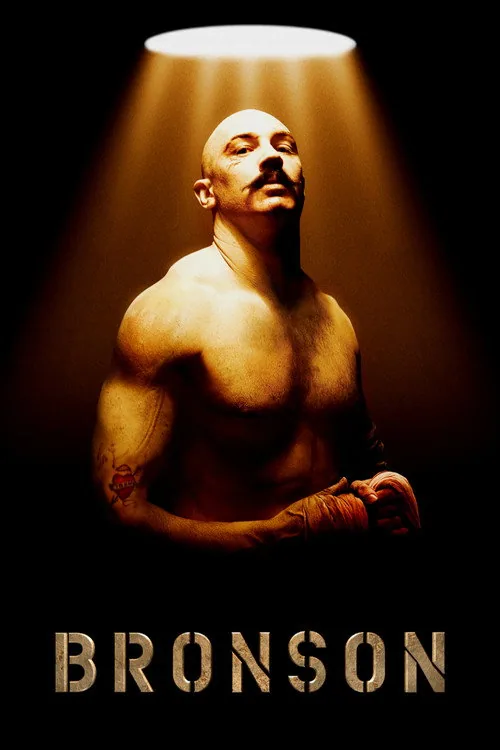
Michael Peterson, later known as Charles Bronson, recounts a life shaped by prison violence, brief releases, and repeated hostage-taking. He performs parts of his story from a vaudeville stage, addressing the viewer while episodes move between institutions, family memories, and a short-lived attempt at life outside prison. Nicolas Winding Refn’s stylized biographical film treats Peterson’s self-created persona as both spectacle and confinement, without presenting his violence as a triumphant model of rebellion.
Both share themes of public image, plus a darkly comic atmosphere.
Why this matches +
Genres: Drama / Biography
Shared film traits
Based on recorded story, mood and style. Your preferences can change the order.
What changes The People vs. Larry Flynt: sweeping and episodic. I, Tonya: nonlinear and brisk.
Tonya Harding’s skating talent takes her into an elite sport whose preferred image conflicts with her working-class background and presentation. Abuse by her mother and husband shapes the intimate world around training, while the attack on rival Nancy Kerrigan makes Harding’s career a criminal scandal. Reenacted testimony, contradictions and direct address keep viewers aware that the film is staging competing versions rather than delivering a neutral verdict. Its black comedy can expose class judgment and media performance, but neither abuse nor institutional bias decides the disputed question of Harding’s complicity. The profile must hold these claims together without turning comic style into evidence or making one source of harm cancel another.
Based on recorded story, mood and style. Your preferences can change the order.
What changes The People vs. Larry Flynt: sweeping and episodic. Elvis: fast.
A young performer's musical force attracts a manager who recognizes how rebellion can be sold while claiming he alone can protect the career it creates. Success reshapes family life, public image and the terms on which the singer can work, as promises of opportunity become increasingly difficult to separate from financial confinement. The relationship is narrated through the manager's self-defense, making the spectacle of stardom also an argument over who gets to explain its costs. Parker’s retrospective narration shapes the story, so the manager’s account is part of its subject and a limit.
Based on recorded story, mood and style. Your preferences can change the order.
What changes The People vs. Larry Flynt: sweeping and episodic. The Apprentice: biographical progression, relationship-driven scenes and escalating excess.
In 1970s and 1980s New York, young real-estate heir Donald Trump seeks to expand his name and business, while lawyer and political fixer Roy Cohn becomes an influential mentor. Ali Abbasi’s biographical drama follows their relationship as Cohn teaches a combative approach to power, publicity, and winning. Inspired by real events and centered on a contested public figure, the film dramatizes an origin story through a stylized mentor-and-protégé dynamic rather than offering a comprehensive political biography.
Based on recorded story, mood and style. Your preferences can change the order.
Investigation
What changes The People vs. Larry Flynt: sweeping and episodic. The Untouchables: steady.
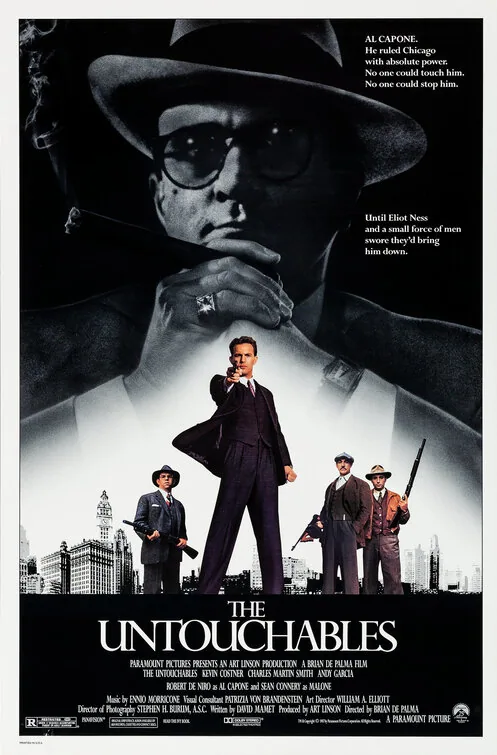
A federal agent trying to enforce Prohibition in Chicago discovers that publicity and formal authority accomplish little against a criminal organisation embedded in civic institutions. Recruiting a small team creates the possibility of gathering evidence without relying on compromised colleagues. As the investigation threatens the city's dominant gangster, retaliation makes professional resolve inseparable from personal loss and decisions about the kind of force the team is willing to use.
Based on recorded story, mood and style. Your preferences can change the order.
Investigation
What changes The People vs. Larry Flynt: sweeping and episodic. J. Edgar: nonlinear and measured.
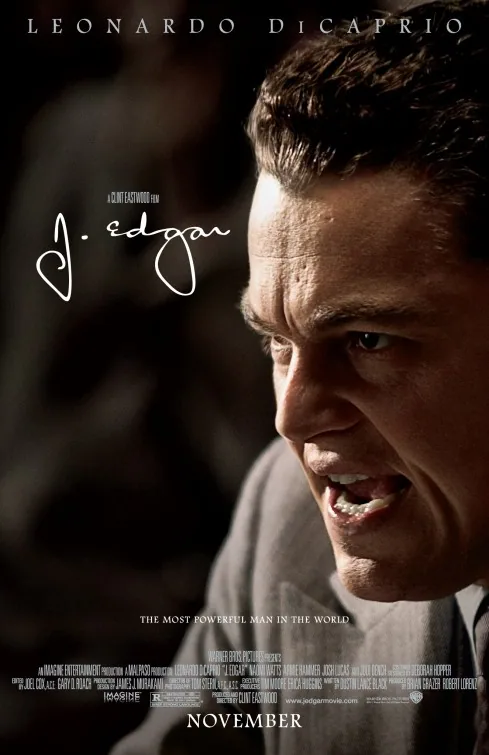
In old age, FBI director J. Edgar Hoover dictates a history of the bureau to a young agent, treating memory as a way to preserve his own authority. The film moves between the celebrated public story of investigative expansion and the private relationships that shaped Hoover’s dependence on Clyde Tolson and Helen Gandy. It presents the director’s recollections as partial: scenes of political surveillance and institutional growth sit beside a life of concealment, shame and control. Their intimacy is rendered through speculation and melodrama rather than conclusive documentation, and Hoover’s own account cannot settle what happened behind closed doors. The biopic’s central tension is not only truth versus lies, but who gets to author an institution’s legacy and what the archive leaves unspoken.
Based on recorded story, mood and style. Your preferences can change the order.
What changes The People vs. Larry Flynt: sweeping and episodic. 12 Years a Slave: measured.
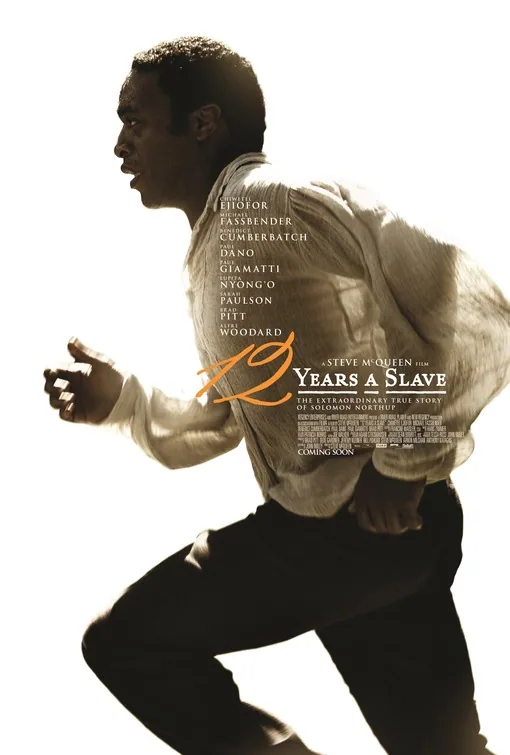
A free Black musician is kidnapped and sold into slavery, leaving him unable to prove the identity that once offered legal protection. Survival among different enslavers requires evaluating when skill, apparent cooperation or speaking the truth might expose him or others to greater harm. His effort to retain a route back to his family unfolds inside a system whose ordinary work depends on denying personhood through law, commerce and violence.
Based on recorded story, mood and style. Your preferences can change the order.
Expect provocative and analytical, with episodic and measured pacing.
After stranger Seligman finds Joe injured in an alley, he takes her to his apartment, where she recounts her sexual history across eight chapters and two volumes. Joe describes her adolescence, relationships, compulsions and later efforts to live with the consequences of her behavior, while Seligman repeatedly reframes her memories through his interests in music, fishing, mathematics and literature. Their conversation becomes an argument about whether her story can be separated from shame, diagnosis or the listener’s own needs. After Joe falls asleep, Seligman enters her room and attempts to assault her; she shoots him as he approaches, abruptly breaking the trust his listening seemed to build. The film’s structure moves between explicit memory and abstract analogy rather than presenting a neutral case history.
Based on recorded story, mood and style. Your preferences can change the order.
Investigation
What changes The People vs. Larry Flynt: sweeping and episodic. Observe and Report: comic escalation, episodic incidents and sudden shifts in tone.
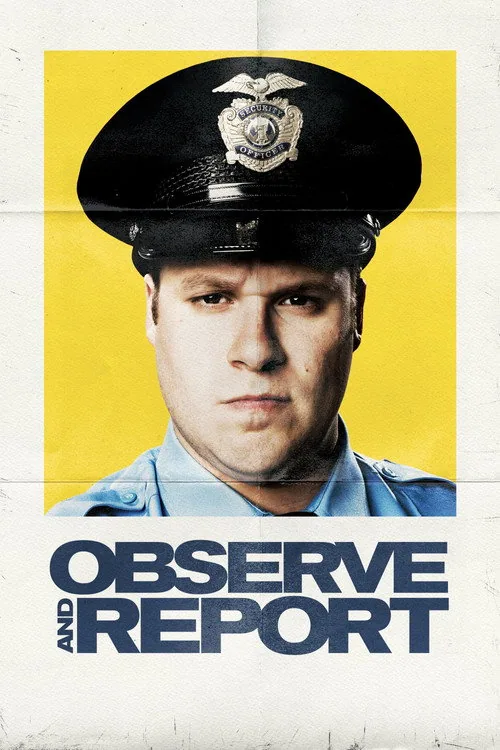
Ronnie Barnhardt, an unstable mall security chief, treats a flasher and a series of local crimes as the chance to prove himself a heroic lawman. His desire for authority brings him into conflict with a police detective who is handling the cases and with the people around him, including a woman he idealizes. The film turns the familiar mall-cop setup into an abrasive dark comedy about fantasy, entitlement, and misplaced force. Its jokes depend on the widening gap between Ronnie's grand self-image and the consequences of his behavior.
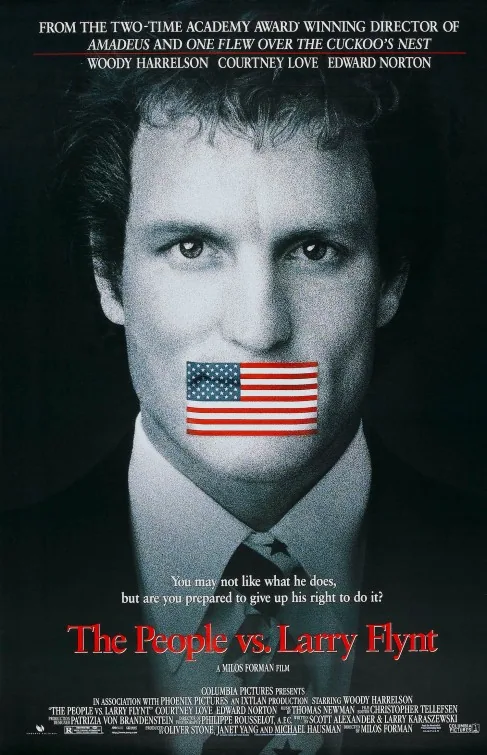
The film traces Larry Flynt's path from a struggling Ohio club owner to the publisher of Hustler, whose provocations make him a target of obscenity prosecutions and moral campaigns. His relationship with Althea Leasure becomes both a central partnership and a source of mounting personal strain as the magazine's reach grows. Lawyer Alan Isaacman helps Flynt challenge restrictions on expression, culminating in the Supreme Court case over a parody of Reverend Jerry Falwell. Flynt's public conduct is often theatrical, but the legal argument concerns whether offensive speech can be punished for causing emotional distress. The story moves across decades, linking a contentious private life to constitutional litigation while compressing real events into a biographical drama that takes a position on who deserves protection under free-speech law.
What drives the story
A publisher's increasingly provocative business triggers legal battles that culminate in a test of whether parody can be punished as emotional harm.
The people at its centre
Althea shares Flynt’s appetite for disruption but bears costs that his public persona can obscure; the film also portrays her as bisexual rather than reducing her identity to the marriage. Isaacman tries to translate Flynt’s spectacle into a principled constitutional case.
What it feels like
A fast, confrontational biopic shifts between tabloid provocation, intimate collapse and courtroom argument, using comedy to complicate its protagonist's image.
Worth knowing
For adults interested in free-speech conflict and unruly biographical drama. It is not a neutral account of the real people, and its treatment of pornography and women has drawn criticism.