Both share themes of corruption, plus a bleak atmosphere.
Why this matches +
Genres: Crime / Drama
Shared film traits
Based on recorded story, mood and style. Your preferences can change the order.
Criminal underworld
Expect tense and bleak, with measured and epic pacing.
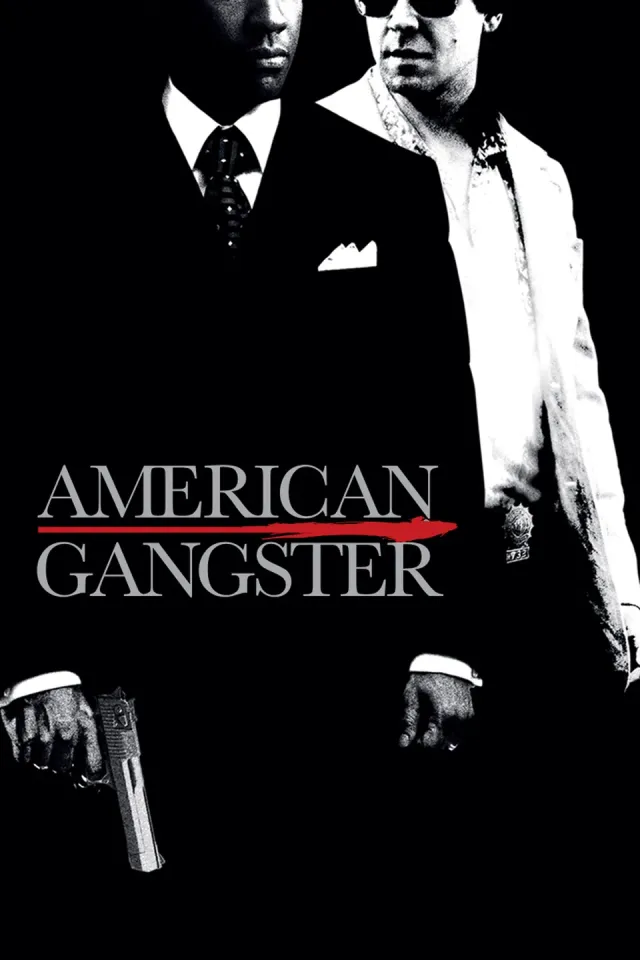
A Harlem criminal builds a drug business around a supply route that bypasses established intermediaries, presenting commercial discipline as a way to rise above the disorder around him. A detective distrusted for refusing ordinary police corruption follows the network's material traces while struggling with private obligations. Their parallel careers expose a market in which entrepreneurial ambition, official authority and exploitation are entangled rather than confined to opposite sides of the law.
Both share themes of complicity and power, plus a bleak atmosphere.
Why this matches +
Genres: Crime / Thriller
Shared film traits
Based on recorded story, mood and style. Your preferences can change the order.
Criminal underworld
What changes Black Mass: measured. Sicario: slow burn and escalating.
An Arizona FBI agent joins an interagency operation against a Mexican cartel after a raid exposes extreme violence. Working beside a casual American handler and an opaque consultant, she discovers that the team's goals are withheld from her and its methods exceed the legal boundaries she expects. Following orders becomes an increasingly uncomfortable form of complicity as the operation crosses both national and moral borders.
Based on recorded story, mood and style. Your preferences can change the order.
Criminal underworld
What changes Black Mass is tagged bleak and restrained; Donnie Brasco is tagged intimate and tense.
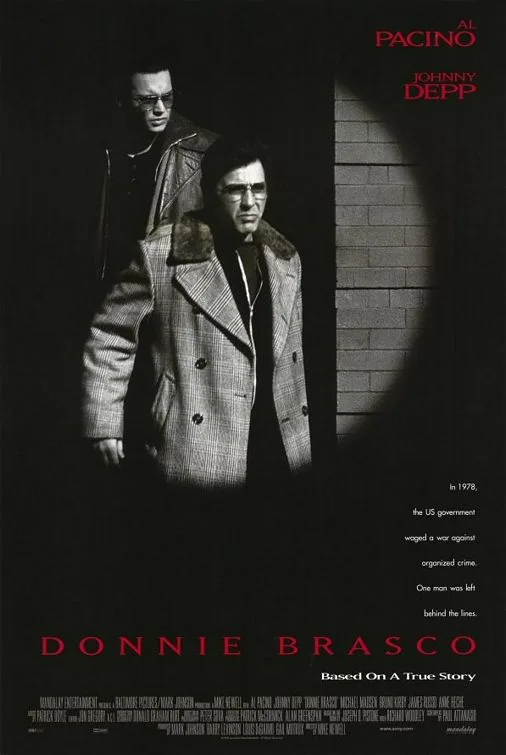
An undercover agent enters a New York Mafia crew through an older enforcer who teaches him the rules and stakes his own reputation on the newcomer. Gathering evidence requires sustaining a relationship that becomes emotionally real, while time inside the role damages the agent's marriage and ordinary identity. Advancement exposes the mentor's insecurity within a hierarchy that can punish him for a trust he experiences as friendship, making professional success difficult to separate from personal betrayal. The operation succeeds through a friendship that is genuine to Lefty even while Donnie must treat it as evidence-gathering.
Based on recorded story, mood and style. Your preferences can change the order.
Criminal underworld
What changes Black Mass: measured. The Untouchables: steady.
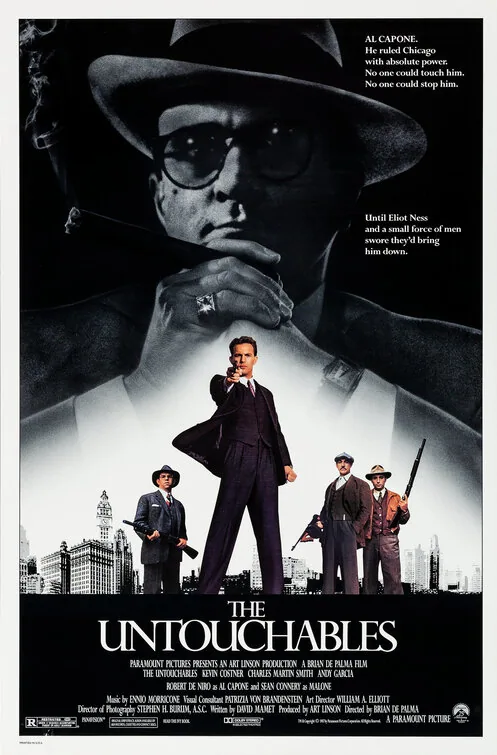
A federal agent trying to enforce Prohibition in Chicago discovers that publicity and formal authority accomplish little against a criminal organisation embedded in civic institutions. Recruiting a small team creates the possibility of gathering evidence without relying on compromised colleagues. As the investigation threatens the city's dominant gangster, retaliation makes professional resolve inseparable from personal loss and decisions about the kind of force the team is willing to use.
Based on recorded story, mood and style. Your preferences can change the order.
Expect tense and restrained, with measured and escalating pacing.
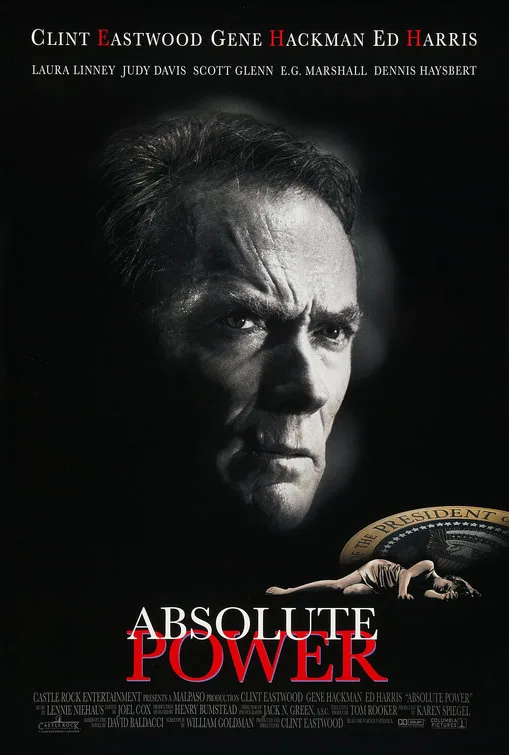
An aging burglar breaks into a mansion and witnesses a violent encounter involving the president of the United States. Escaping with knowledge that powerful officials need suppressed, he becomes both a suspect and a target. A detective's investigation and the burglar's strained relationship with his daughter complicate his effort to survive, making institutional protection of a public image the source of private danger.
Based on recorded story, mood and style. Your preferences can change the order.
Criminal underworld
What changes Black Mass: measured. The Departed: fast and intense.
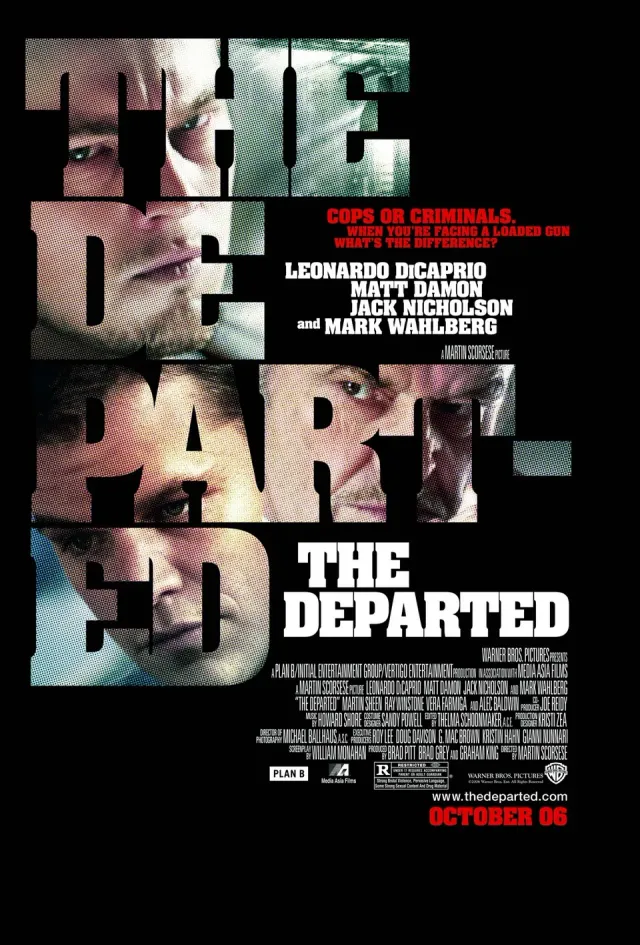
An undercover police officer enters a Boston crime organisation while a protégé of its leader rises inside the police unit investigating it. Each man attempts to identify the other without revealing how thoroughly his public role contradicts his actual allegiance. Handlers, personal relationships and institutional rivalries increase the cost of maintaining a cover, making every exchange a possible exposure and every apparent promotion another form of confinement.
Based on recorded story, mood and style. Your preferences can change the order.
Criminal underworld
What changes Black Mass: measured. Gangster Squad: brisk and escalating.
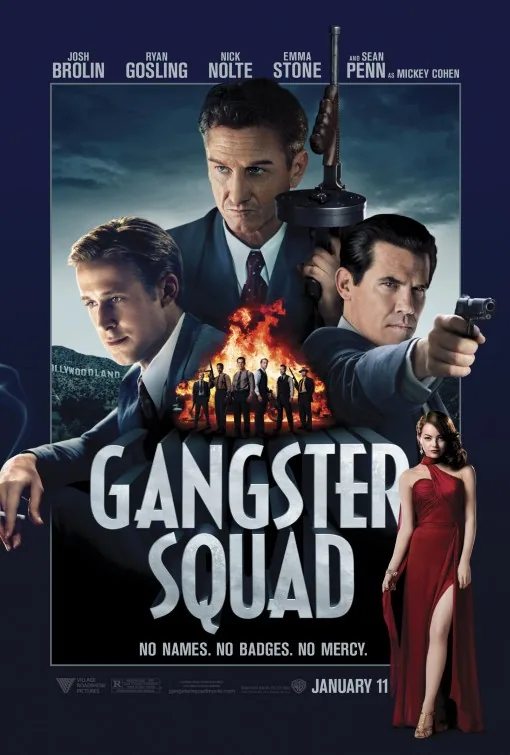
A Los Angeles crime boss benefits from corruption that prevents ordinary arrests from producing consequences. A police commander therefore assembles an unofficial team authorized to attack the criminal infrastructure outside normal procedure. Their successes provoke retaliation against both the unit and people close to it, while an officer's affair creates another vulnerable connection to the target. The film organizes its period crime spectacle around a morally compromised bargain: restoring public order through methods that weaken the legal distinction the police claim to defend.
Based on recorded story, mood and style. Your preferences can change the order.
Criminal underworld
What changes Black Mass: measured. Lethal Weapon 2: fast and escalating.
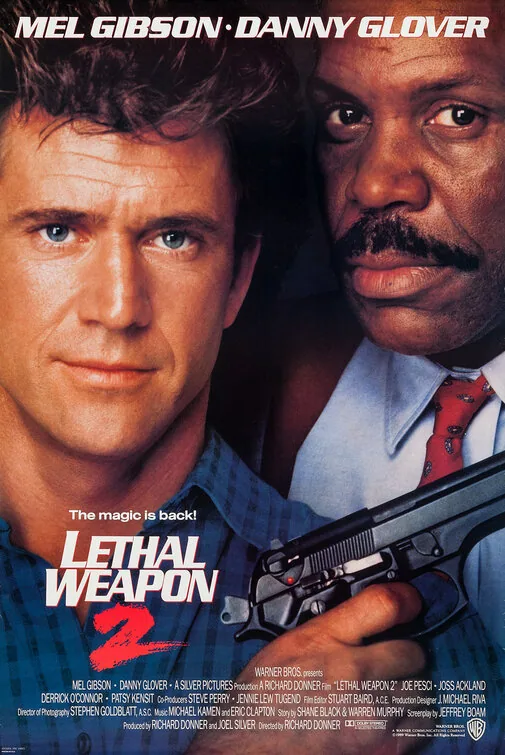
A police partnership follows a laundering trail toward officials who use diplomatic status to block investigation. Protecting an irritating witness becomes inseparable from the same case, while personal attacks make the difference between lawful immunity and practical impunity increasingly bitter. A new relationship opens the grieving partner toward intimacy but also exposes him to a criminal network linked to his earlier loss. The sequel expands the household and comic ensemble while driving the partners toward a more openly retaliatory challenge to protected power.
Based on recorded story, mood and style. Your preferences can change the order.
Criminal underworld
Expect atmospheric and bleak, with measured and slow burn pacing.
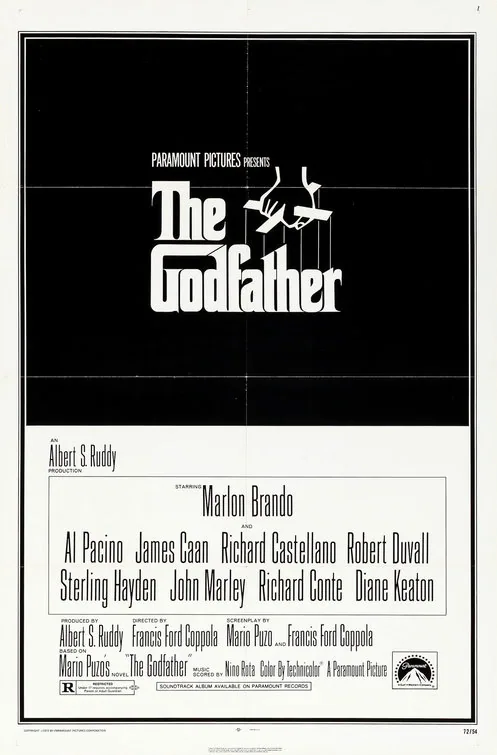
An organised-crime patriarch balances family celebration with requests for favours, presenting private authority as both protection and obligation. After an attack destabilises his position, the son who had planned a separate life becomes increasingly involved in defending the household. Each apparently necessary act draws that outsider further into a system where loyalty and power can make violence seem like care, while making genuine intimacy progressively harder to sustain.
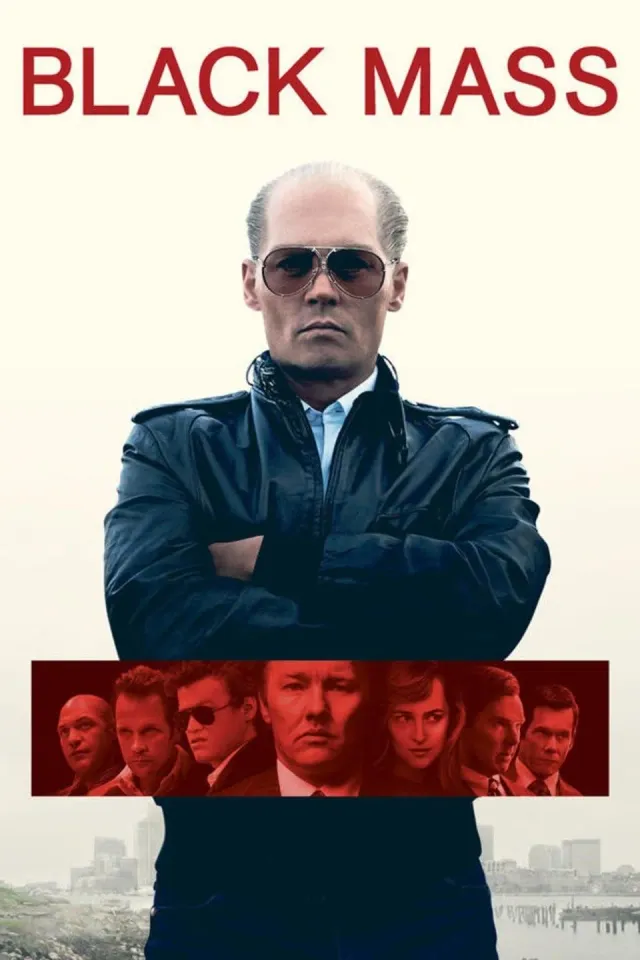
A Boston criminal leader develops an arrangement with an FBI agent who presents him as a useful source against another organization. Protection intended to justify cooperation becomes an opportunity to consolidate violence and intimidate rivals, while personal history blurs professional obligations. The system's failure is not merely that a source lies: officials have reasons to preserve a relationship that allows the danger to grow while appearing institutionally productive.
What drives the story
A source-handling bargain converts personal loyalty and selective enforcement into protection for the criminal power it claims to contain.
The people at its centre
Bulger's childhood connection with Connolly makes mutual recognition a tool for evading scrutiny, while relatives and victims experience consequences the official arrangement excludes.
What it feels like
Restrained criminal intimidation and institutional exchanges build a bleak rise-and-exposure drama centered on the protection that lets violence become routine.
Worth knowing
Compare corrupt cooperation between enforcement and a criminal source, while treating the dramatized biography as a partial account rather than verified access to every private motive.