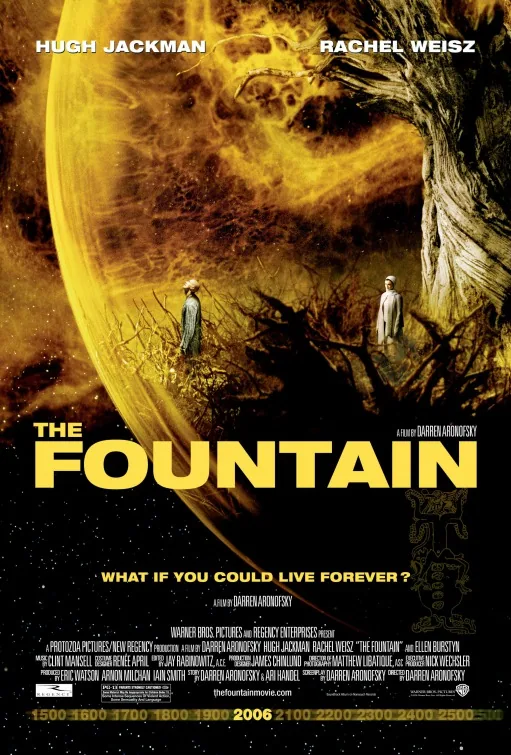
The layered strands transform a search for a cure into a broader question about whether love can coexist with mortality.
Why this matches +
These offer a related experience with a meaningful difference in story, tone, or presentation.
An adjacent discovery: a related idea with a different viewing experience.
Genres: Drama / Romance
Shared film traits
Based on recorded story, mood and style. Your preferences can change the order.
What changes The Fountain links love and mortality through visually expressive, mythic storytelling, moving across speculative timelines rather than a Rio Carnival setting.
A scientist searches for a way to save his dying wife, while a writer creates a story about a conquistador seeking a tree of life and a later figure journeys through space. The film intertwines these strands without settling every connection between them. Darren Aronofsky’s drama uses recurring images and a compressed structure to explore love, mortality, grief and the desire to defeat loss.
Ada waits for Souleiman as a detective investigates a fire and a supernatural disturbance unsettles the community.
Why this matches +
These offer a related experience with a meaningful difference in story, tone, or presentation.
An adjacent discovery: a related idea with a different viewing experience.
Genres: Drama / Fantasy
Shared film traits
Based on recorded story, mood and style. Your preferences can change the order.
What changes Atlantique blends a love story with supernatural loss and a distinctive coastal African setting, using modern migration and haunting rather than Carnival and the Orpheus myth.
On the outskirts of Dakar, construction workers leave by sea after months without pay, including Souleiman, who is in love with Ada. Ada is promised to a wealthier man, and the crossing leaves her waiting for news as her wedding approaches. A detective investigates a mysterious fire while young women in the community suffer an unexplained illness. The story blends romance, migration, social inequality, and the supernatural presence of those lost at sea.
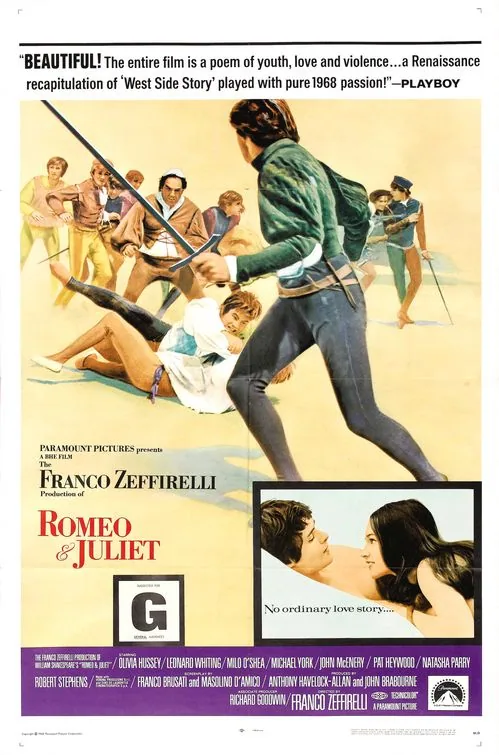
The secret marriage cannot survive the feud’s public violence, and a failed plan turns separation into irreversible misunderstanding.
Why this matches +
These offer a related experience with a meaningful difference in story, tone, or presentation.
An adjacent discovery: a related idea with a different viewing experience.
Genres: Drama / Romance
Shared film traits
Based on recorded story, mood and style. Your preferences can change the order.
What changes Romeo and Juliet follows young lovers whose brief connection ends in tragedy amid a hostile social world, adapting Shakespeare rather than the Orpheus myth.
In Renaissance Verona, the feud between the Montagues and Capulets repeatedly erupts into public violence. Romeo and Juliet meet at a Capulet gathering, fall in love and marry in secret with Friar Laurence’s help. When Romeo refuses to fight Juliet’s cousin Tybalt, his friend Mercutio intervenes and is killed; Romeo then kills Tybalt and is banished. Juliet’s parents arrange a marriage to Paris, so Friar Laurence gives her a potion intended to let her escape with Romeo. A failed message makes Romeo believe she is dead, and both young lovers die before the families reconcile.
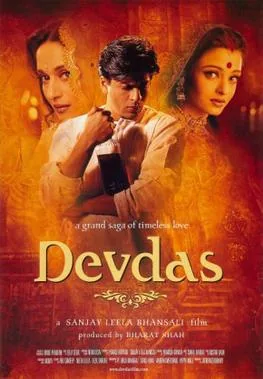
A class barrier becomes irreversible through the lover's refusal to act decisively, after which addiction and belated promises prolong the consequences without restoring the lost relationship.
Why this matches +
These offer a related experience with a meaningful difference in story, tone, or presentation.
An adjacent discovery: a related idea with a different viewing experience.
Genres: Drama / Romance
Shared film traits
Based on recorded story, mood and style. Your preferences can change the order.
What changes Devdas uses music and elaborate spectacle to portray love undone by social constraints and destructive choices, with an Indian literary adaptation rather than a Brazilian Carnival retelling.
Returning from education abroad, a young aristocrat renews his attachment to a childhood companion but fails to oppose the family hierarchy that humiliates her. Her marriage elsewhere does not end his longing, and his growing dependence on alcohol draws him toward a courtesan whose care he cannot answer on equal terms. Elaborate promises and gestures of devotion coexist with failures of practical courage, making romantic suffering inseparable from choices that keep other people constrained. Devdas’s romantic suffering is heightened by the very choices through which he avoids challenging class power.
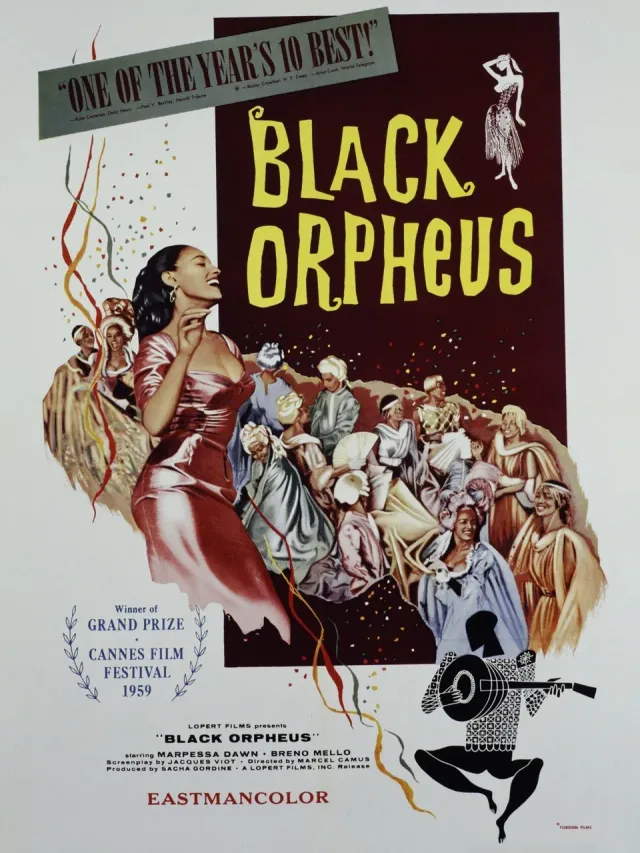
During Carnival in Rio de Janeiro, Eurydice arrives seeking refuge with a relative and meets Orfeu, a tram driver whose music makes him a celebrated part of his hillside community. Their attraction develops amid public festivity, jealousy and a death figure who pursues Eurydice. Marcel Camus adapts the Orpheus myth through Brazilian music and Carnival ritual, making the city's movement and sound central to the tragedy. The film's lyrical images are powerful, but its outsider perspective and romanticized view of Rio should not be treated as a full account of Brazilian life or the communities it depicts.
What drives the story
A refuge-seeking arrival becomes a doomed romance as a personification of death follows Eurydice through Carnival. The myth's descent is reworked through open public streets rather than an underworld journey.
The people at its centre
Eurydice's vulnerability and Orfeu's existing attachments place private desire within a close community. Carnival amplifies their connection but cannot protect them from jealousy and mortality.
What it feels like
Saturated color, samba and processional movement give the city a musical, mythic life. The soundscape is central to the film's beauty and to the way the ancient story is relocated.
Worth knowing
Compare musical myth adaptations that place love and death inside a collective festival. Treat the film's Rio as a stylized outsider vision, not comprehensive social documentation or an uncomplicated portrait of Brazilian culture.