Two Oakland friends face unequal racial consequences as a police shooting, probation and gentrification put pressure on their loud, affectionate friendship.
What should feel similar?
Find your next favourite
4 films · Closest overall matches
Hide films you’ve seen or don’t want. Saved on this device.
No matches for this combination yet.
Try another option or reset your choices to see more films.
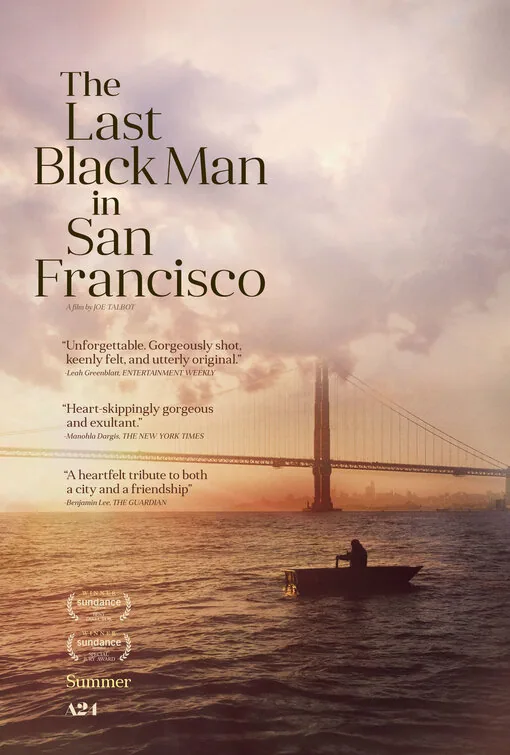
The house gives Jimmie a concrete object for his belief that he belongs in San Francisco, but restoration cannot settle the uncertain history or ownership behind that claim.
Why this matches +
Selected for the central appeal: Two Oakland friends face unequal racial consequences as a police shooting, probation and gentrification put pressure on their loud, affectionate friendship.
Genres: Drama
Shared film traits
Based on recorded story, mood and style. Your preferences can change the order.
What changes Two close friends navigate a changing Bay Area city where Black belonging and displacement are bound to personal histories, in a lyrical comedy-drama with subjective flourishes. Jimmie’s attachment to a house and Mont’s art replace Collin’s probation deadline and traumatic witness to a police shooting.
Jimmie Fails and his closest friend Montgomery live with Mont’s grandfather in a changing San Francisco neighborhood. Jimmie believes a Victorian house in the Fillmore district was built by his family and returns to maintain its exterior while another couple lives there. When the house becomes available after a family dispute, Jimmie and Mont move in and begin restoring it, but their claim to the home proves less secure than Jimmie imagined. The pair’s routines and conversations unfold against rising rents, displacement and changing neighborhood life. As they try to make a home out of memory, Mont’s writing and Jimmie’s attachment to the house pull their friendship in different directions.
Three separated stages of one life trace how protective habits form around experiences of shame, tenderness, violence and interrupted intimacy.
Why this matches +
Related viewing experiences with the specific differences recorded for each pair.
An adjacent discovery: a related idea with a different viewing experience.
Genres: Drama / Coming-of-age
Shared film traits
Based on recorded story, mood and style. Your preferences can change the order.
What changes Black masculinity, vulnerability and friendship are shaped by the unequal risks of a specific city and its social expectations. A quiet three-part Miami portrait of identity and intimacy has a different pace and focus from Collin’s urgent probation countdown and outspoken companion.
Across childhood, adolescence and adulthood, a quiet boy from Miami learns different ways to protect himself from bullying, instability at home and expectations of masculinity. A drug dealer and his partner offer care complicated by the economy harming his mother, while one friendship creates a vulnerable possibility of intimacy. The divisions between the three periods reveal how a hardened adult identity can preserve earlier wounds without extinguishing the desire to be known.
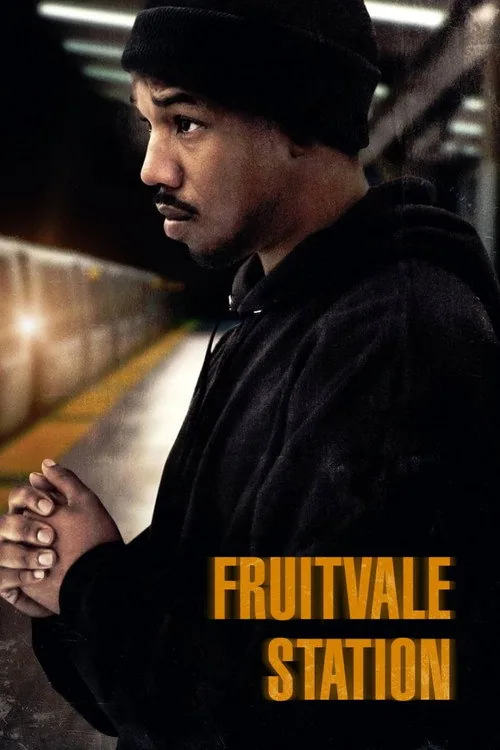
A reconstruction of Oscar Grant’s last day places family life and ordinary plans beside the fatal police encounter at Fruitvale station.
Why this matches +
Related viewing experiences with the specific differences recorded for each pair.
An adjacent discovery: a related idea with a different viewing experience.
Genres: Drama / Biography
Shared film traits
Based on recorded story, mood and style. Your preferences can change the order.
What changes An Oakland Black man’s ordinary routines and relationships sit under the threat of a fatal police encounter, grounding racial injustice in a particular community. Its reconstructed real final day is more sober and tragic than Collin and Miles’s shifting comic friendship and spoken-word expression.
Fruitvale Station follows Oscar Grant during the final day of his life in Oakland on December 31, 2008. He tries to regain a grocery-store job, spends time with his partner Sophina and their daughter, and attends his mother’s birthday before taking the train into San Francisco. Earlier footage of his encounter with police frames the day as the film moves between ordinary family decisions and the events at Fruitvale station. Ryan Coogler’s drama reconstructs a real death while emphasizing the person and relationships behind the news.
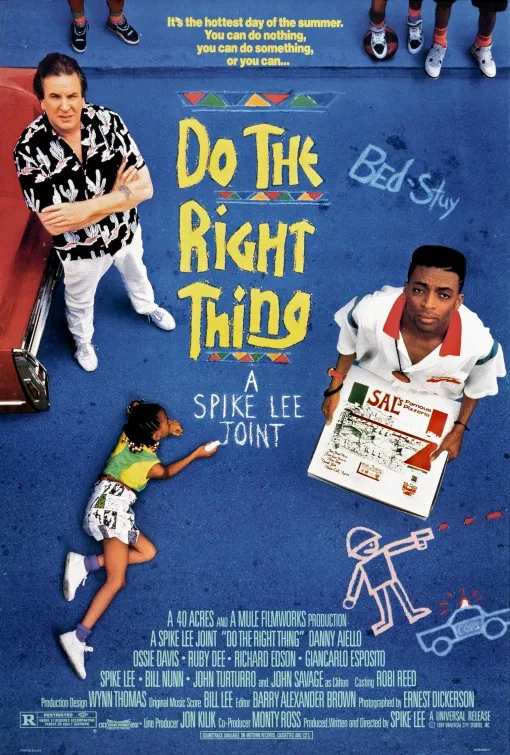
A neighborhood's daily tensions escalate around a pizzeria, making private grievances impossible to keep separate.
Why this matches +
Related viewing experiences with the specific differences recorded for each pair.
An adjacent discovery: a related idea with a different viewing experience.
Genres: Drama / Comedy
Shared film traits
Based on recorded story, mood and style. Your preferences can change the order.
What changes A vivid neighborhood ensemble moves between humor, everyday work and racial tension before police violence makes unequal power impossible to ignore. One sweltering Brooklyn block and a community dispute replace Oakland gentrification and the probation-bound friendship.
On the hottest day of the year in a Brooklyn neighborhood, a dispute over the pictures displayed on a pizzeria's wall becomes a flashpoint for accumulated racial tensions. Mookie, who delivers for the pizzeria's Italian American owner, moves among residents whose jokes, grievances, and loyalties reveal sharply different experiences of the same block. As the heat rises, the film asks what responsibility means when anger meets injustice.
Collin is nearing the end of probation and trying to stay out of trouble while working as a mover in a rapidly changing Oakland. His longtime friend Miles is more willing to provoke conflict, but the consequences of their shared behavior are not distributed equally. After Collin witnesses a police officer shoot a Black man, silence becomes another condition of his release and safety. The film brings gentrification, racialized policing and male friendship into a story that shifts from naturalistic work routines to spoken-word bursts and subjective imagery, making the city and its unequal risks part of its form.
What drives the story
A probation countdown turns a witnessed police killing into a conflict between silence, public action and personal safety. The film uses Collin's friendship with Miles to show how shared choices can carry unequal costs.
The people at its centre
Collin's loyalty to Miles is tested by risks the white friend does not bear in the same way. Neighborhood change also makes their assumptions about belonging and authenticity collide.
What it feels like
Moving-work routines and close handheld scenes give way to rhythmic speech and subjective eruptions. The formal shifts are not a separate musical interlude; they make pressure and observation audible.
Worth knowing
Compare buddy dramas where probation, racialized policing and gentrification shape unequal freedom to act. Shared humor or neighborhood identity does not make Collin and Miles equally exposed to consequences.