A manager's discovery of a marketable performer develops into a controlling arrangement that turns the machinery of success into an obstacle to artistic and personal freedom. Commercial success expands Elvis’s audience while Parker’s financial and contractual control narrows the choices the film dramatizes.
Why this matches +
These offer a related experience with a meaningful difference in story, tone, or presentation.
An adjacent discovery: a related idea with a different viewing experience.
Genres: Biography / Drama
Shared film traits
Based on recorded story, mood and style. Your preferences can change the order.
What changes A stylized biographical drama explores how a star's public persona and management can obscure personal vulnerability.
A young performer's musical force attracts a manager who recognizes how rebellion can be sold while claiming he alone can protect the career it creates. Success reshapes family life, public image and the terms on which the singer can work, as promises of opportunity become increasingly difficult to separate from financial confinement. The relationship is narrated through the manager's self-defense, making the spectacle of stardom also an argument over who gets to explain its costs. Parker’s retrospective narration shapes the story, so the manager’s account is part of its subject and a limit.
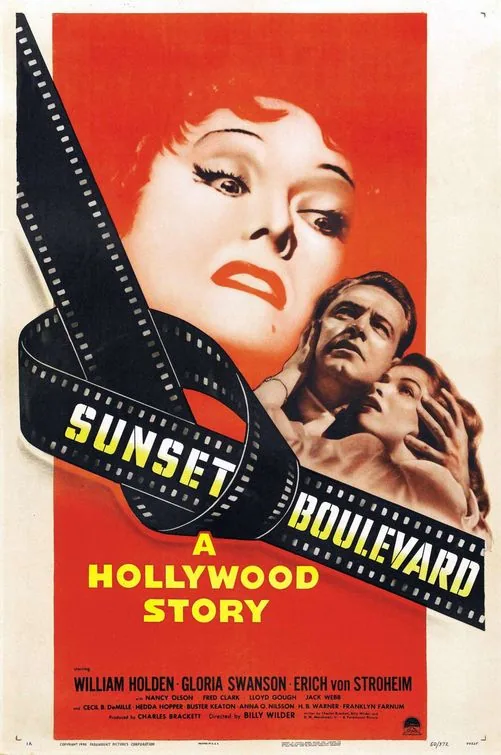
A writer's paid involvement in a star's imagined comeback becomes a dependency from which escape threatens the fantasy sustaining the household.
Why this matches +
These offer a related experience with a meaningful difference in story, tone, or presentation.
An adjacent discovery: a related idea with a different viewing experience.
Genres: Drama / Flashback
Shared film traits
Based on recorded story, mood and style. Your preferences can change the order.
What changes A performer trapped by a fading Hollywood image confronts the destructive distance between public fantasy and private life.
A struggling Hollywood screenwriter takes refuge in the mansion of a former silent-film star who believes her return to prominence is imminent. Agreeing to revise her screenplay gives him financial security at the cost of increasing dependence on her emotional demands and carefully maintained illusions. As another professional relationship offers creative and romantic possibility, the arrangement turns into a contest over control, humiliation and the refusal to accept time's passage.
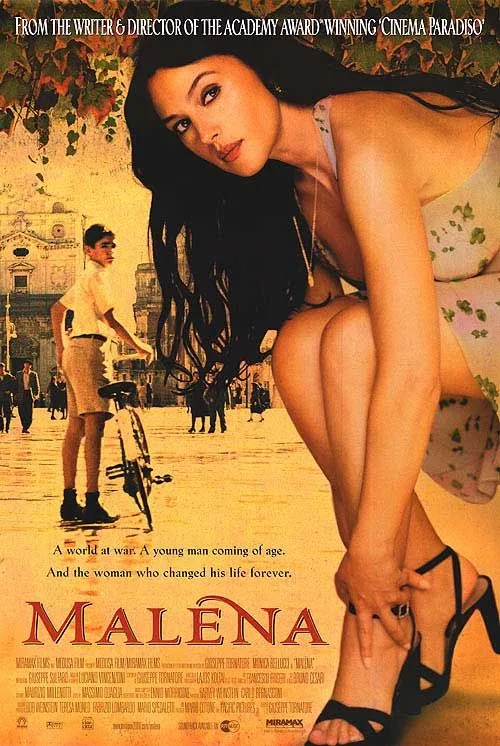
Renato’s observation frames the story, but Malèna’s changing treatment is driven by wartime loss, economic precarity and collective rumor. The town helps create the conditions it later uses to condemn her.
Why this matches +
These offer a related experience with a meaningful difference in story, tone, or presentation.
An adjacent discovery: a related idea with a different viewing experience.
Genres: Drama
Shared film traits
Based on recorded story, mood and style. Your preferences can change the order.
Memory and identity
What changes A woman's appearance becomes a public obsession in a period drama about objectification, rumor and social cruelty.
In wartime Sicily, adolescent Renato watches Malèna, a young woman whose beauty makes her the subject of the town’s desire, gossip and punishment. He imagines a relationship with her but has little knowledge of her thoughts or access to the choices shaping her life. When her husband is reported dead and the war deepens, social protection falls away; the town first objectifies Malèna and then condemns her for the very attention it has imposed. Giuseppe Tornatore’s nostalgic narration and explicit scenes of cruelty place viewers inside Renato’s gaze while also exposing its limits. His late gesture is small beside the material vulnerability and communal violence she has endured. The film is not an equal romance or a simple fond memory of boyhood.
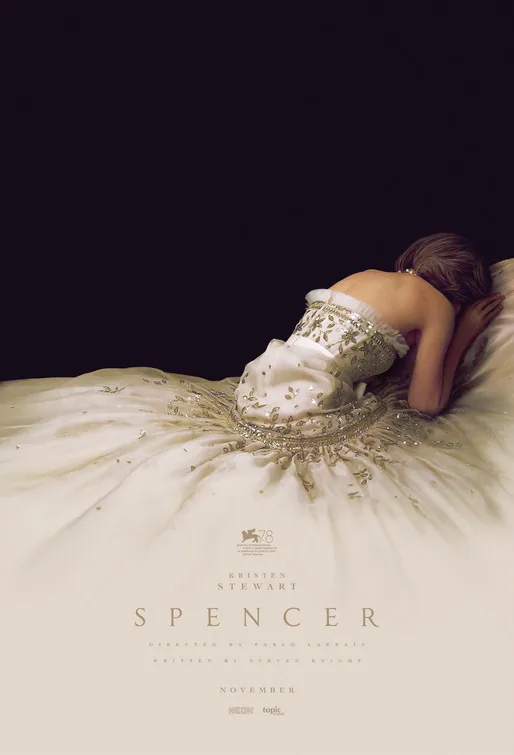
A royal Christmas gathering intensifies Diana's sense that her life has become a role she cannot inhabit.
Why this matches +
These offer a related experience with a meaningful difference in story, tone, or presentation.
An adjacent discovery: a related idea with a different viewing experience.
Genres: Drama
Shared film traits
Based on recorded story, mood and style. Your preferences can change the order.
Memory and identity
What changes A formally stylized portrait examines the private distress of a famous woman whose public identity is shaped by restrictive institutions.
During a tense Christmas holiday at Sandringham, Princess Diana feels increasingly alienated from the royal family's routines and restrictions. The film concentrates on several days in 1991, following her private distress, her connection with her sons, and her struggle to imagine a future outside the marriage. Pablo Larraín's psychological drama uses a subjective, impressionistic style rather than a full biographical survey, turning ceremonial spaces into a portrait of confinement and self-determination.
The industry's transition to sound changes the conditions of employment, turning careers that seemed secure into uneven tests of adaptability and marketability. The plot connects private ambition to production systems rather than to talent alone.
Why this matches +
These offer a related experience with a meaningful difference in story, tone, or presentation.
An adjacent discovery: a related idea with a different viewing experience.
Genres: Drama / Comedy
Shared film traits
Based on recorded story, mood and style. Your preferences can change the order.
What changes Hollywood ambition and exploitation shape the lives of performers, exposing the cost of fame behind a glamorous industry image.
In late-1920s Hollywood, ambitious newcomers and established performers chase work inside an industry changing from silent pictures to sound. Manny's rise, Nellie's volatile stardom and Jack Conrad's established career each meet a different form of obsolescence; sound reorganizes not only technique but which voices and bodies studios will tolerate. Parties and huge productions display the industry's appetite for spectacle while the people who make it absorb humiliation and risk. Damien Chazelle's fictional ensemble is a feverish, often abrasive meditation on cinema's capacity to preserve images while discarding workers.
The film follows a fictionalized version of Marilyn Monroe's life, moving through childhood trauma, Hollywood work, relationships and the pressures of celebrity. Rather than presenting a conventional chronological biography, Andrew Dominik's adaptation centers on the instability between public image and private experience. Ana de Armas leads a formally stylized drama that depicts the costs of a persona shaped and consumed by others.
What drives the story
A fictionalized portrait follows a star's private experience beneath the public image constructed around her.
The people at its centre
Norma Jeane's relationships are shaped by unequal power and the demands of public attention.
What it feels like
The fragmented form places spectators close to subjective distress instead of offering neutral biography.
Worth knowing
Its stylization emphasizes exploitation and image-making, though its treatment remains deliberately unsettling.