Explore films connected to Boiling Point through workplace pressure, emotional labor, ambition and burnout. Choose the qualities you want to carry into your next watch.
What should feel similar?
Find your next favourite
9 films · Closest overall matches
Hide films you’ve seen or don’t want. Saved on this device.
No matches for this combination yet.
Try another option or reset your choices to see more films.
Based on recorded story, mood and style. Your preferences can change the order.
What changes Boiling Point: continuous long take, accelerating service rhythm and pressure without conventional scene breaks. Go: fast, intercut narrative and escalating complications.
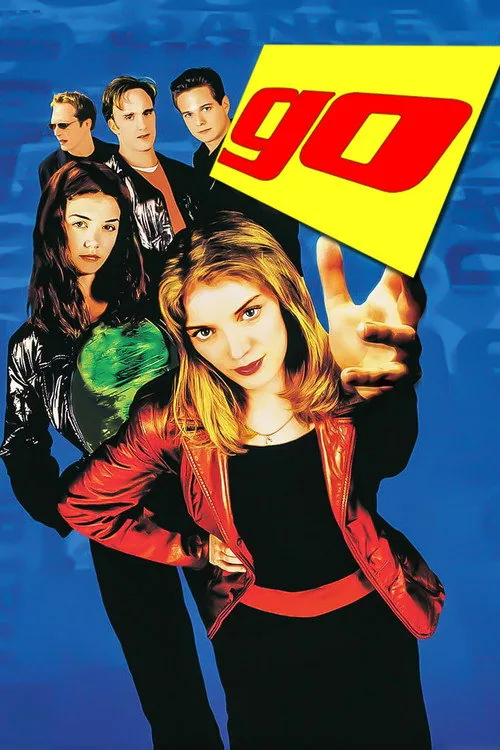
On Christmas Eve in Los Angeles, grocery-store cashier Ronna accepts a risky drug-dealing job to cover her rent, setting off a chain of events that connects several groups of young people. The story revisits the same night from shifting viewpoints, moving among Ronna’s dangerous transaction, her friends’ trip to Las Vegas, and the increasingly chaotic consequences for a pair of soap-opera actors. Doug Liman’s crime comedy uses intersecting stories, club culture, and fast reversals to turn one small choice into a citywide tangle.
Both share a claustrophobic and urgent atmosphere.
Why this matches +
Genres: Thriller / Crime
Shared film traits
Based on recorded story, mood and style. Your preferences can change the order.
What changes Boiling Point: continuous long take, accelerating service rhythm and pressure without conventional scene breaks. The Guilty: real-time urgency and continuous escalation.
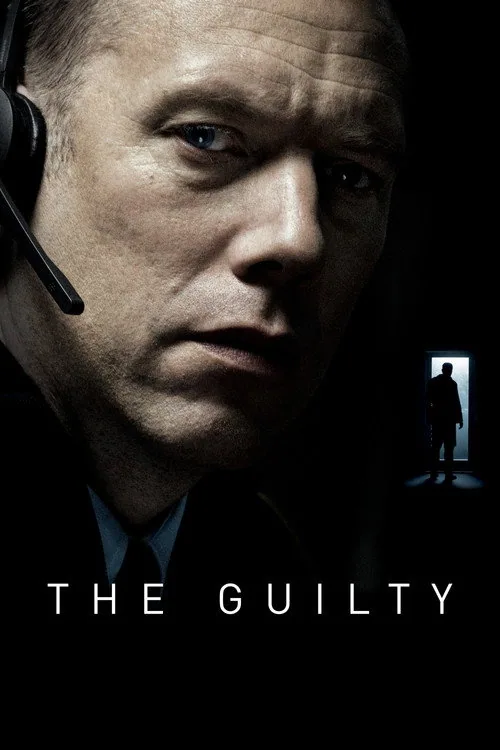
Copenhagen police officer Asger Holm is working emergency dispatch while awaiting a hearing after an incident on the job. A call from a woman who appears to have been abducted draws him into a search for her location and the people involved, but the story unfolds almost entirely through what he hears over the phone. Asger must direct help remotely while piecing together the situation and confronting his own assumptions. Gustav Möller’s Danish thriller uses a single location and real-time pressure to make listening the central action.
Based on recorded story, mood and style. Your preferences can change the order.
What changes Boiling Point: continuous long take, accelerating service rhythm and pressure without conventional scene breaks. The Holdovers: slow thaw and holiday turning point.
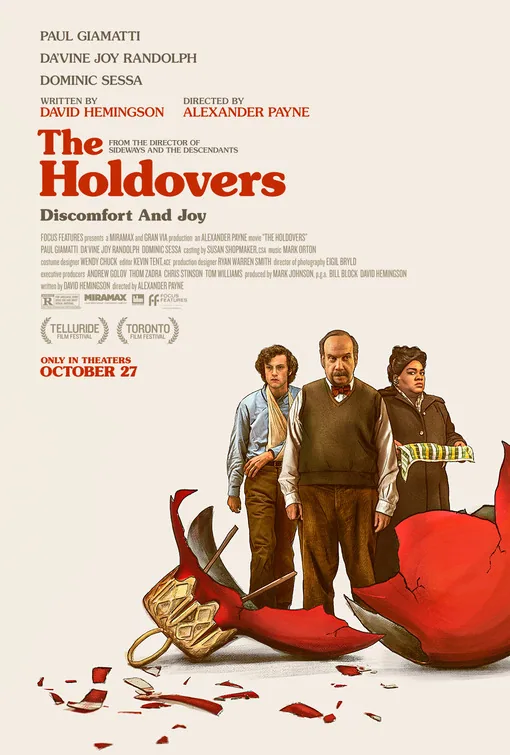
At Christmas break in 1970, strict classics teacher Paul Hunham is assigned to supervise the students who cannot return home from Barton Academy. The remaining group soon shrinks to Angus Tully, whose mother and new stepfather have left him behind, and Mary Lamb, the school’s grieving head cook. Their days together begin in mutual irritation, but a trip to Boston and the routines of the school draw out the loneliness and disappointments each has been hiding. Alexander Payne’s comedy-drama finds emotional movement in a temporary community whose members cannot simply leave one another.
Based on recorded story, mood and style. Your preferences can change the order.
Sport and competition
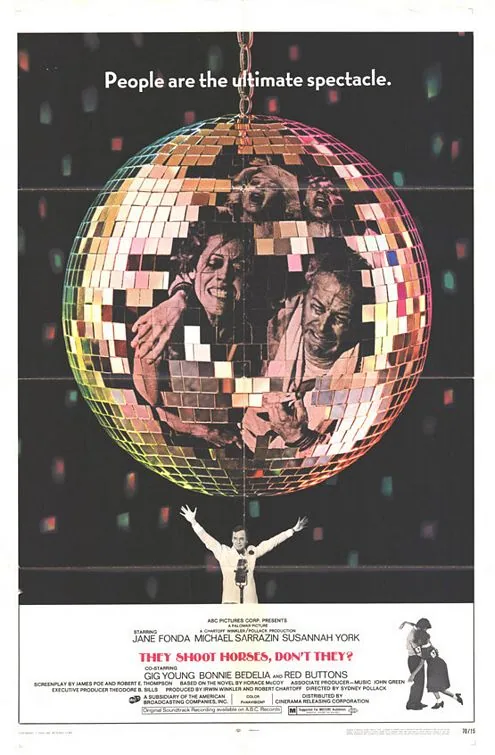
What changes Boiling Point: continuous long take, accelerating service rhythm and pressure without conventional scene breaks. They Shoot Horses, Don't They?: attritional and repetitive.
During the Great Depression, Gloria and Robert enter a grueling dance marathon in California because the contest offers food, shelter and a possible cash prize. The competitors dance for days while an emcee turns their exhaustion into a public spectacle and eliminated pairs receive brief recognition. Gloria’s bluntness and despair differ from Robert’s more hopeful approach, but the rules and the crowd keep narrowing what either can do. Other contestants’ personal crises become part of the show. As the marathon strips away any pretense of glamour, the film follows desperation toward a devastating final choice. Contestants are kept on the floor for extended periods, their public exhaustion becoming the promotion’s main attraction.
Based on recorded story, mood and style. Your preferences can change the order.
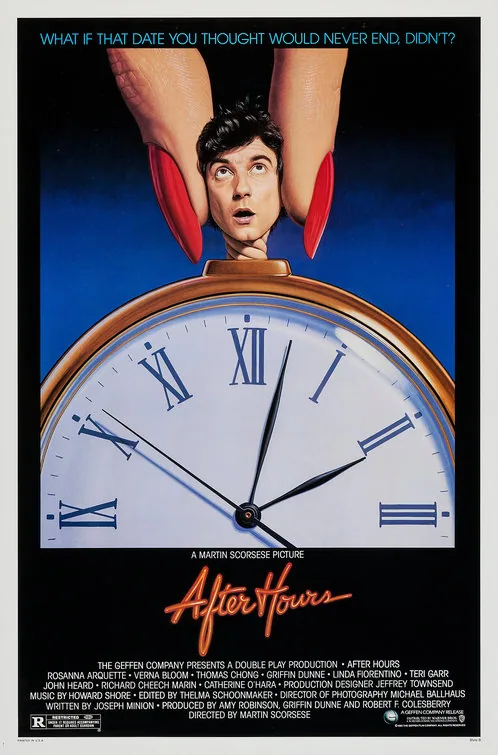
What changes Boiling Point: continuous long take, accelerating service rhythm and pressure without conventional scene breaks. After Hours: escalating spiral.
After meeting a woman who invites him to SoHo, computer specialist Paul Hackett leaves his ordinary Manhattan routine for what should be a short evening visit. A chain of misunderstandings, strange encounters, and escalating mishaps leaves him unable to get home as the neighborhood grows more hostile and unpredictable. Each attempted solution creates another complication, turning a single night into an anxious comedy of chance, embarrassment, and urban disorientation.
Based on recorded story, mood and style. Your preferences can change the order.
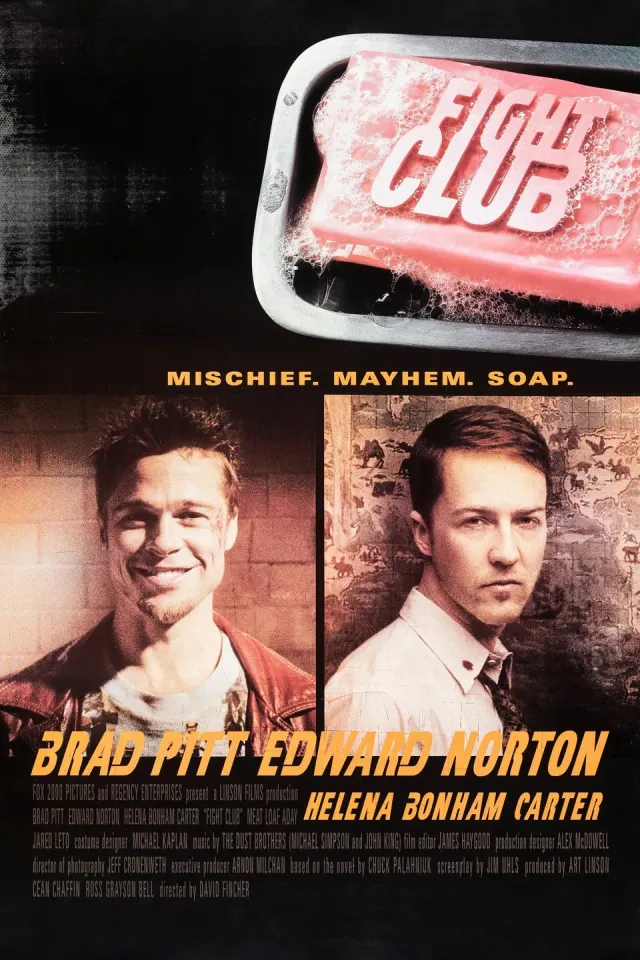
What changes Boiling Point: continuous long take, accelerating service rhythm and pressure without conventional scene breaks. Fight Club: intense.
An insomniac office worker finds temporary relief in support groups before attaching himself to a charismatic stranger who rejects consumer status and ordinary restraint. Their informal fighting sessions develop into a wider organisation whose discipline exceeds the narrator's control. A search for authentic feeling becomes entangled with male grievance, self-erasure and a movement that turns liberation from routine into another form of obedience.
Based on recorded story, mood and style. Your preferences can change the order.
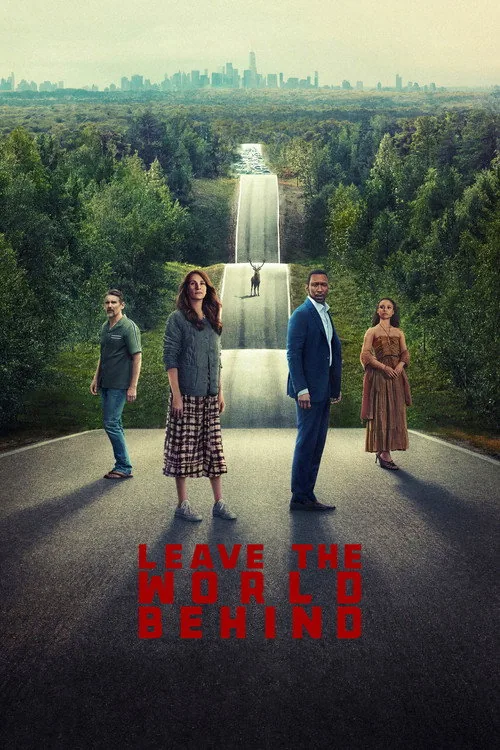
What changes Boiling Point: continuous long take, accelerating service rhythm and pressure without conventional scene breaks. Leave the World Behind: slow accumulation of disruptions.
A family’s rental-house holiday is unsettled when television and internet service fail, a tanker runs aground nearby, and the home’s owners arrive seeking shelter. As more signs suggest a coordinated crisis, the strangers must decide what to believe about one another without reliable news or communication. The psychological thriller keeps the source and scale of the emergency uncertain, using a domestic refuge to examine trust, fear, and social fracture.
Based on recorded story, mood and style. Your preferences can change the order.
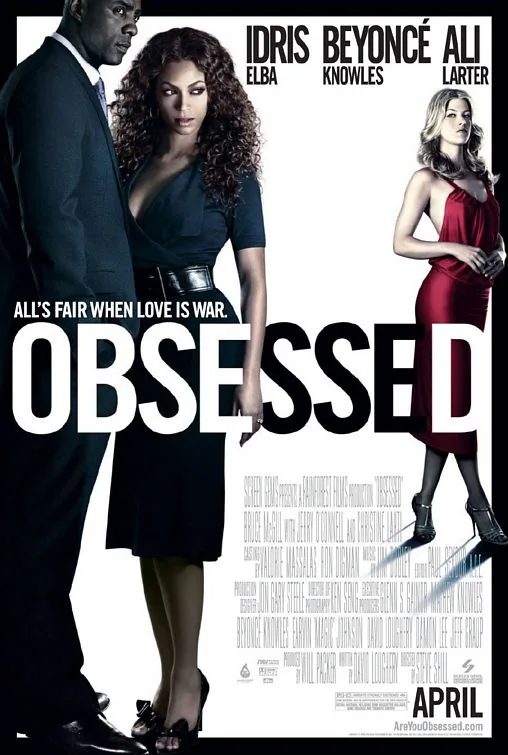
What changes Boiling Point: continuous long take, accelerating service rhythm and pressure without conventional scene breaks. Obsessed: escalating and thriller-led.
A married executive’s professional life is disrupted when a temporary employee begins pursuing him and refuses to accept his boundaries. The attention grows more invasive and puts pressure on his relationship with his wife, who tries to understand what has happened while protecting their household. The domestic thriller uses workplace proximity and private spaces to explore jealousy, trust and the difficulty of responding when harassment is first mistaken for a misunderstanding.
Based on recorded story, mood and style. Your preferences can change the order.
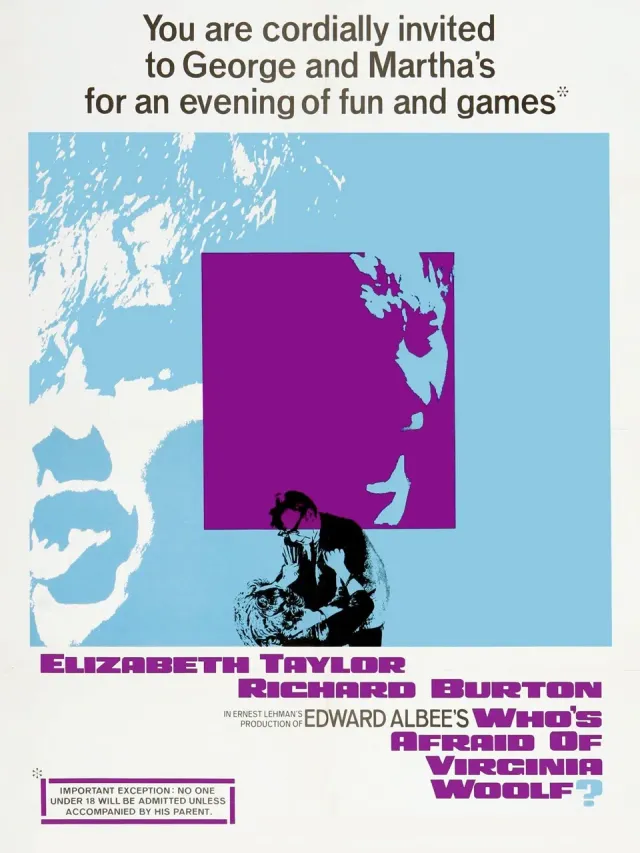
What changes Boiling Point: continuous long take, accelerating service rhythm and pressure without conventional scene breaks. Who's Afraid of Virginia Woolf?: single-night escalation and dialogue-driven.
Late at night, college professor George and his wife Martha return home from a faculty gathering with younger professor Nick and his wife Honey. What begins as tense social conversation becomes a series of increasingly cruel games in which the hosts expose one another’s resentments and draw their guests into the conflict. The confined setting turns talk into the film’s main action: each revelation changes who has control and what the younger couple thinks they understand. Mike Nichols adapts Edward Albee’s play with its theatrical structure and language intact. Each game recruits Nick and Honey into the conflict, and its rules keep shifting. The guests gradually question how much of their own marriage they have shown.
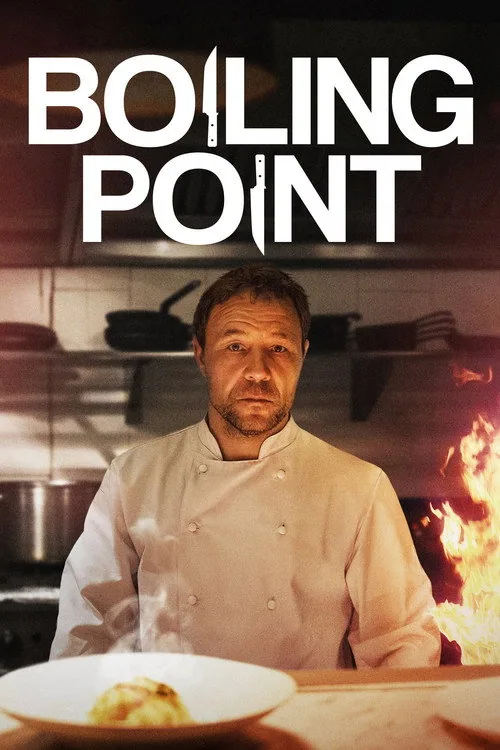
On a busy Christmas Eve service at a London restaurant, head chef Andy Jones arrives late and discovers that an inspection has lowered the kitchen's hygiene rating. Staff shortages, difficult customers, supply problems, and personal tensions begin to pile up across the dining room and kitchen. The film follows workers and guests in one continuous take, moving between stations as the evening grows more pressured. Its real-time form makes professional performance, emotional strain, and service work inseparable.
What drives the story
Andy tries to keep the Christmas Eve service functioning as mistakes, demands, and staff conflicts accumulate.
The people at its centre
The kitchen team depends on Andy's authority while his own instability makes support and accountability difficult.
What it feels like
A sustained, unbroken camera movement creates the sensation of working through one increasingly fraught restaurant shift.
Worth knowing
Its tension comes from service work and interpersonal pressure, rather than a crime, disaster, or conventional action threat.
workplace pressureemotional laborambition and burnout
Mood
claustrophobic · urgent · naturalistic
Pacing
continuous long take · accelerating service rhythm · pressure without conventional scene breaks
Visual style
handheld restaurant movement · working kitchen detail · single-take immediacy
Storytelling
restaurant service unfolds in real time · chef juggles staff and customer crises · one shift reveals overlapping private troubles