Explore films connected to They Shoot Horses, Don't They? through poverty, despair, spectacle. Choose the qualities you want to carry into your next watch.
What should feel similar?
Find your next favourite
9 films · Closest overall matches
Hide films you’ve seen or don’t want. Saved on this device.
No matches for this combination yet.
Try another option or reset your choices to see more films.
Based on recorded story, mood and style. Your preferences can change the order.
Sport and competition
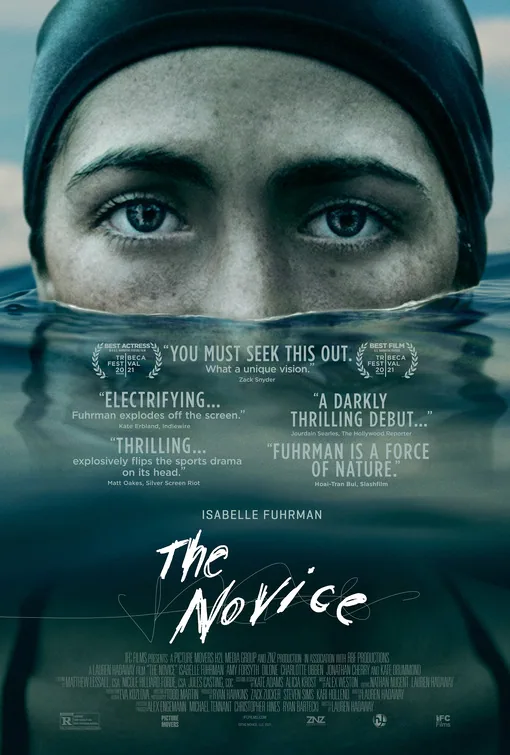
What changes They Shoot Horses, Don't They?: attritional and repetitive. The Novice: alex enters the team seeking measurable progress, competes with a more socially comfortable rower and and escalates practice as varsity selection becomes uncertain..
Alex Dall is an academically capable college freshman who joins the novice rowing team and becomes fixated on improving her performance. As competition intensifies, she pushes training, study and relationships into an increasingly narrow orbit around rowing. The film tracks the cost of ambition through physical exhaustion and Alex’s difficulty recognizing when effort has become self-destruction.
Based on recorded story, mood and style. Your preferences can change the order.
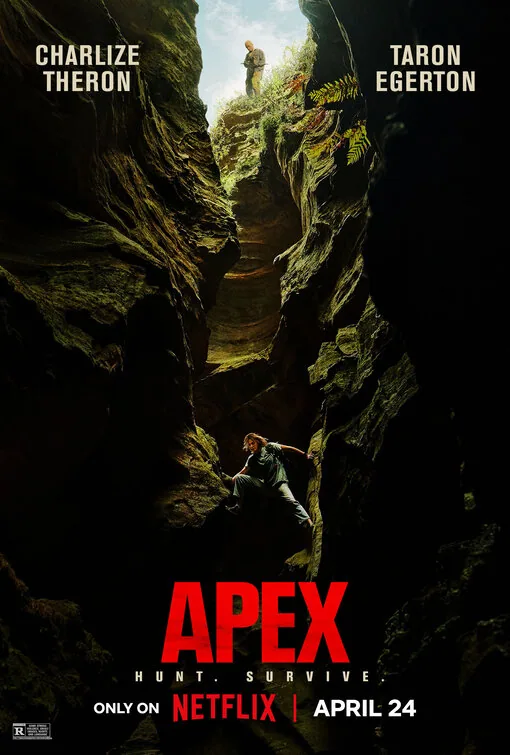
What changes They Shoot Horses, Don't They?: attritional and repetitive. Apex: relentless chase and escalating danger.
A grieving woman tests herself in the wilderness, only to become the target of a ruthless hunter. The action thriller follows one woman's physical fight to outlast a predator, setting grief against a stark test of agency. Terrain, exposure and limited options shape each choice, so the wilderness supplies both visual scale and practical obstacles in a pursuit that keeps shrinking the distance to danger.
Based on recorded story, mood and style. Your preferences can change the order.
Sport and competition
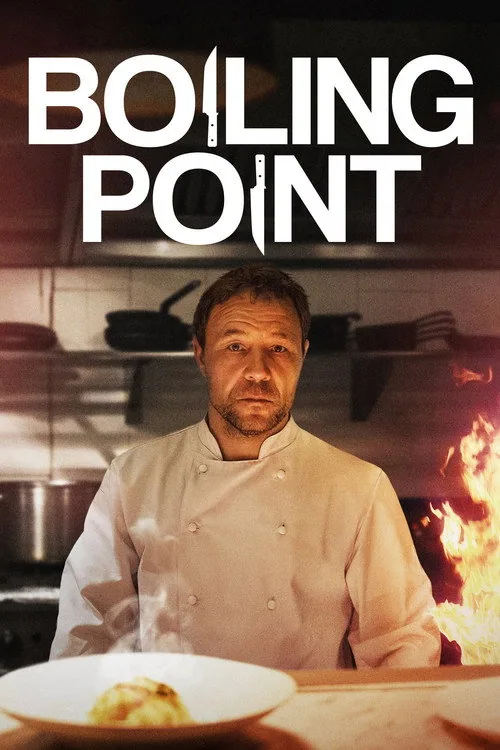
What changes They Shoot Horses, Don't They?: attritional and repetitive. Boiling Point: continuous long take, accelerating service rhythm and pressure without conventional scene breaks.
On a busy Christmas Eve service at a London restaurant, head chef Andy Jones arrives late and discovers that an inspection has lowered the kitchen's hygiene rating. Staff shortages, difficult customers, supply problems, and personal tensions begin to pile up across the dining room and kitchen. The film follows workers and guests in one continuous take, moving between stations as the evening grows more pressured. Its real-time form makes professional performance, emotional strain, and service work inseparable.
Based on recorded story, mood and style. Your preferences can change the order.
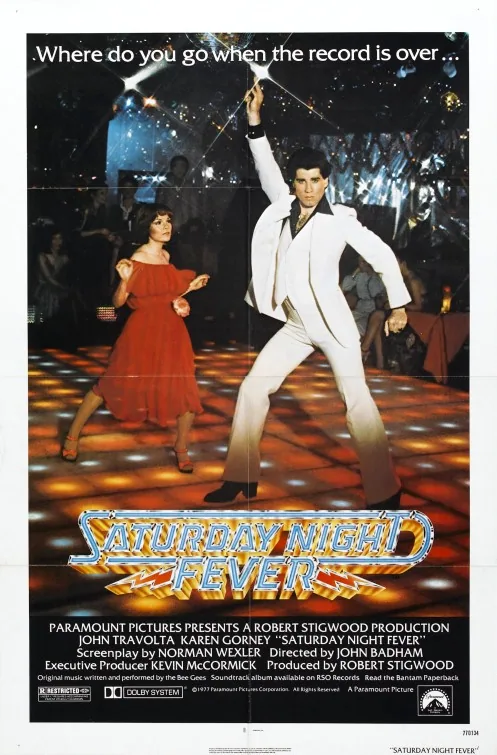
What changes They Shoot Horses, Don't They?: attritional and repetitive. Saturday Night Fever: rhythmic, building and emotionally uneven.
Tony Manero works a low-paid hardware-store job in Brooklyn and spends weekends becoming the celebrated dancer at 2001 Odyssey, where the disco floor offers status his home life does not. He agrees to compete with Annette, then shifts his attention to the more ambitious Stephanie, whose plans for Manhattan make their partnership unequal from the start. Later, Tony’s friends Joey and Double J rape Annette in a car, exposing the group’s sexual violence beneath its bravado. Bobby C.’s death after a fall from a bridge further exposes the consequences of the men’s recklessness and limited choices. Tony’s eventual apology to Stephanie is small but hard-won.
Both share themes of spectacle, plus an urgent atmosphere.
Why this matches +
Genres: Historical drama / Thriller
Shared film traits
Based on recorded story, mood and style. Your preferences can change the order.
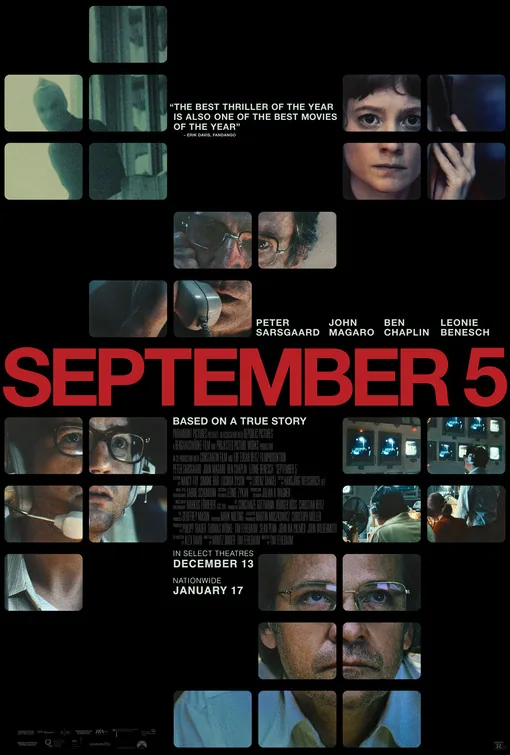
What changes They Shoot Horses, Don't They?: attritional and repetitive. September 5: real-time, tightly escalating and procedural.
During the 1972 Munich Olympics, an American sports-broadcast team suddenly finds itself covering a hostage crisis involving Israeli athletes. Producer Geoff Mason, executive Roone Arledge and their colleagues must decide what to show as events unfold and information remains incomplete. The film confines much of its tension to the newsroom and control room, examining how live television changes the journalists' responsibilities when an international tragedy becomes breaking news for a global audience.
Based on recorded story, mood and style. Your preferences can change the order.
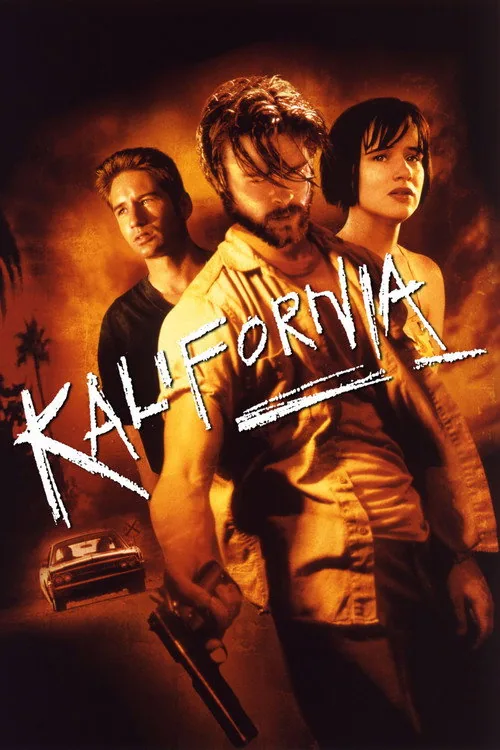
What changes They Shoot Horses, Don't They?: attritional and repetitive. Kalifornia: road-trip tension, gradual threat revelation and violent escalation.
Journalist Brian Kessler and photographer Carrie Laughlin plan a cross-country trip to visit sites associated with serial murders for a book project. Short on money, they invite Early Grayce and his girlfriend Adele to share the ride, unaware that Early is a violent parolee. As the four travel toward California, the couple's uneasy curiosity about violence collides with an immediate danger inside their car. Dominic Sena's road thriller combines crime, psychological horror, and class tension, making the journey itself a gradual loss of control.
Based on recorded story, mood and style. Your preferences can change the order.
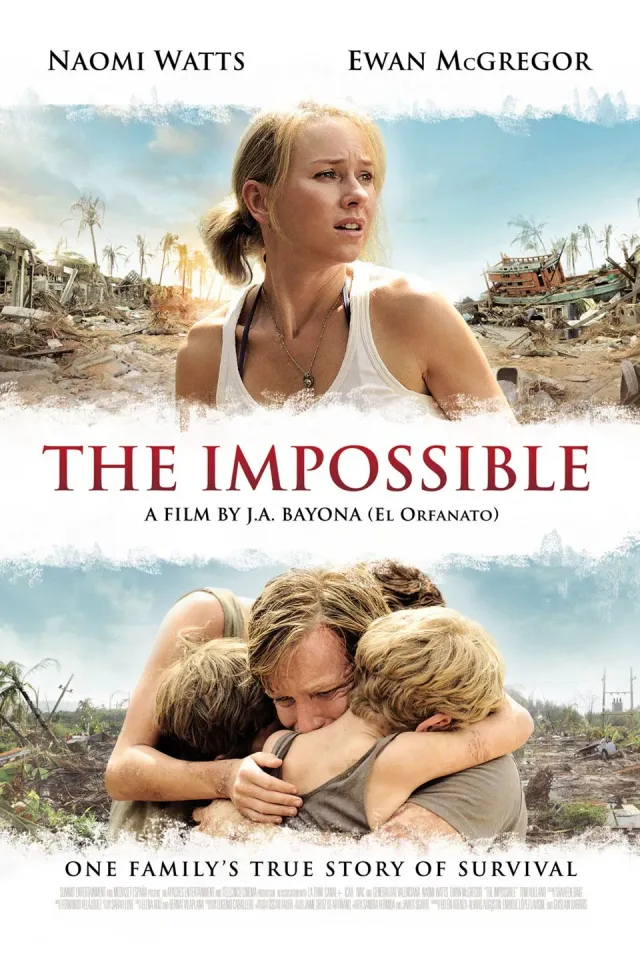
What changes They Shoot Horses, Don't They?: attritional and repetitive. The Impossible: disaster impact and parallel survival paths.
Maria, Henry and their three sons are on holiday in Thailand when the 2004 Indian Ocean tsunami devastates the coast. The wave separates Maria and her oldest son Lucas from the rest of the family, and injury and confusion make finding one another difficult even as local people try to help. The film follows the search from several family members’ perspectives, including Lucas’s shift from frightened child to caretaker for his mother. Inspired by a real family’s survival, it is a dramatization of disaster and rescue rather than a comprehensive account of the tsunami’s wider impact.
Based on recorded story, mood and style. Your preferences can change the order.
What changes They Shoot Horses, Don't They?: attritional and repetitive. Promising Young Woman: controlled and escalating confrontation.
A former medical student spends her nights confronting men who mistake her apparent intoxication for an opportunity. Her ritual is tied to an assault that devastated her closest friend and to the people who dismissed it. A possible new romance briefly opens another future, but renewed contact with the past pushes her toward more targeted confrontations, placing private grief against institutions and social circles invested in forgetting.
Based on recorded story, mood and style. Your preferences can change the order.
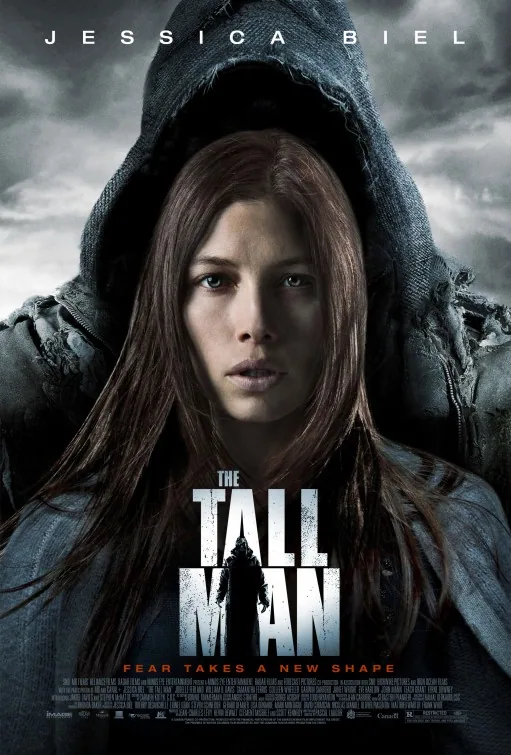
What changes They Shoot Horses, Don't They?: attritional and repetitive. The Tall Man: slow-burn, revelation-driven and unevenly tense.
Julia Denning, a nurse in the economically struggling town of Cold Rock, is drawn into a frightening search after local children disappear. Residents blame a figure from a familiar legend known as the Tall Man, and the mystery becomes tied to the town’s grief, poverty and competing explanations for what is happening. Pascal Laugier’s thriller shifts its perspective as Julia tries to understand the abductions and the people whose lives have been shaped by them.
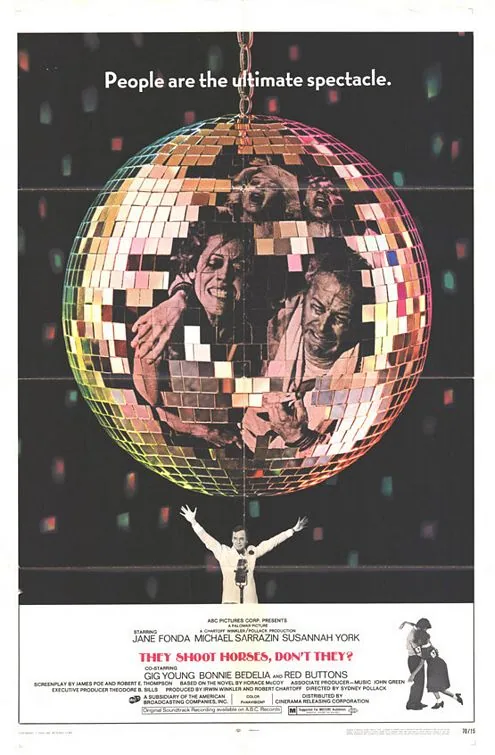
During the Great Depression, Gloria and Robert enter a grueling dance marathon in California because the contest offers food, shelter and a possible cash prize. The competitors dance for days while an emcee turns their exhaustion into a public spectacle and eliminated pairs receive brief recognition. Gloria’s bluntness and despair differ from Robert’s more hopeful approach, but the rules and the crowd keep narrowing what either can do. Other contestants’ personal crises become part of the show. As the marathon strips away any pretense of glamour, the film follows desperation toward a devastating final choice. Contestants are kept on the floor for extended periods, their public exhaustion becoming the promotion’s main attraction.
What drives the story
A Depression-era dance contest sells endurance as entertainment, keeping unemployed competitors moving through exhaustion for food and a chance at prize money.
The people at its centre
Gloria’s bitterness exposes what Robert’s optimism tries to soften; their partnership is shaped less by romance than by the unequal options outside the contest.
What it feels like
Repetitive dance routines, the emcee’s announcements and the tightening physical strain make the marathon’s duration part of the viewer’s experience.
Worth knowing
For viewers prepared for a bleak, psychologically intense drama about spectacle and economic desperation. Its dance competition is coercive and attritional, not the celebratory route to success found in sports musicals.
povertydespairspectacle
Mood
bleak · exhausting · urgent
Pacing
attritional · repetitive
Visual style
dance hall · crowd spectacle
Storytelling
dance marathon · public endurance contest · survival