A successful criminal partnership becomes a prolonged retreat when coordinated pursuit makes its old methods of confidence and improvisation insufficient.
Why this matches +
Selected for the central appeal: Charismatic outlaw partnerships whose road to freedom becomes a dangerous flight.
Genres: Western / Crime
Shared film traits
Based on recorded story, mood and style. Your preferences can change the order.
Criminal underworld · Escape and pursuit
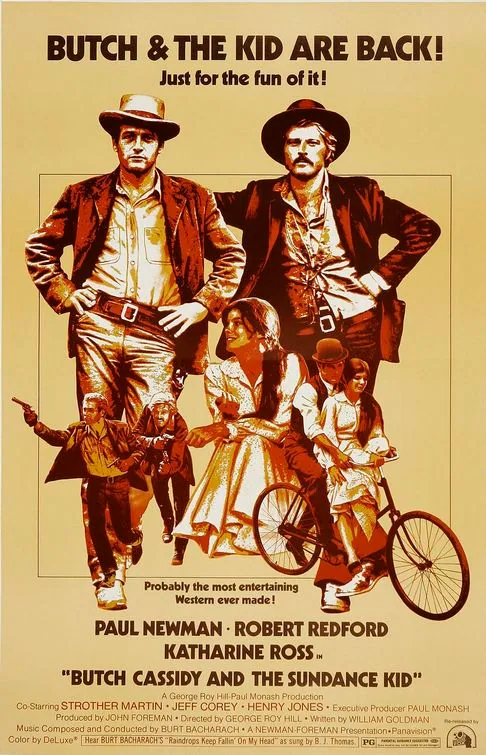
What changes Butch Cassidy and the Sundance Kid follows a charismatic outlaw partnership through robberies and an increasingly desperate flight.
Two outlaws accustomed to reliable skills and easy movement discover that the force pursuing them will not be distracted by the familiar rules of their trade. Flight across the American West and then abroad offers temporary reinvention without eliminating the habits that made them recognizable. Their friendship and a companion's presence give escape warmth and comic rhythm, but changing geography does not guarantee a future outside the economy of pursuit.
An interrupted holiday becomes a fugitive journey in which each attempted solution reduces the possibility of ordinary return.
Why this matches +
Selected for the central appeal: Charismatic outlaw partnerships whose road to freedom becomes a dangerous flight.
Genres: Drama / Crime
Shared film traits
Based on recorded story, mood and style. Your preferences can change the order.
Escape and pursuit
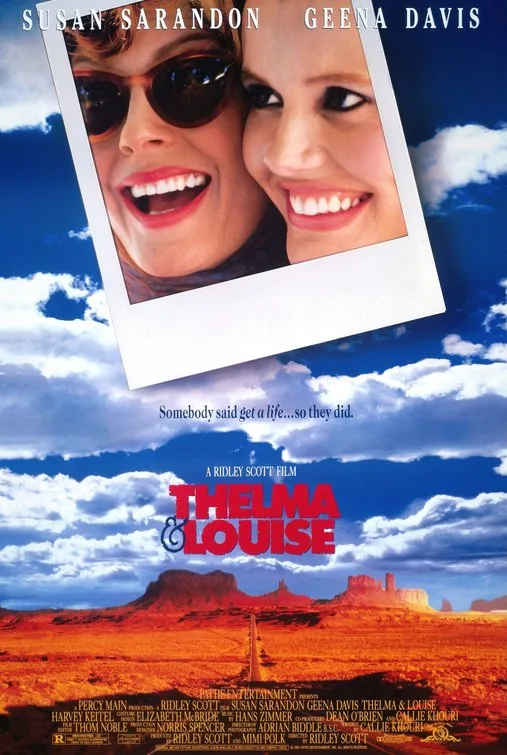
What changes Thelma & Louise turns a pair's escape into a road movie about freedom, public notoriety and pursuit.
Two friends leave home for a short holiday that becomes a flight from the law after violence at a roadside bar. Their attempts to reach safety are complicated by mistrust, theft and encounters exposing the constraints of their previous lives. As practical options narrow, their friendship supports a growing refusal to return to the roles that made escape seem necessary.
The initial stop makes flight both a response to immediate danger and a decision with irreversible consequences.
Why this matches +
Selected for the central appeal: Charismatic outlaw partnerships whose road to freedom becomes a dangerous flight.
Genres: Crime / Drama
Shared film traits
Based on recorded story, mood and style. Your preferences can change the order.
Escape and pursuit
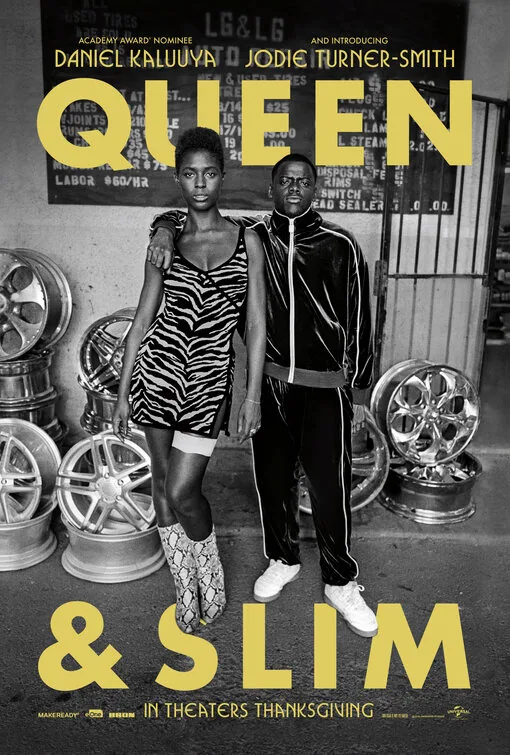
What changes Queen & Slim follows a couple whose flight from the law becomes a contested public symbol.
On a first date in Ohio, Queen and Slim are pulled over by a police officer; when he is shot during a struggle, the couple flee rather than face a justice system they fear will not hear their account. Their journey becomes a media spectacle and a test of trust, intimacy and survival. The drama examines racialized policing through a road story that moves from immediate crisis toward symbolic resistance.
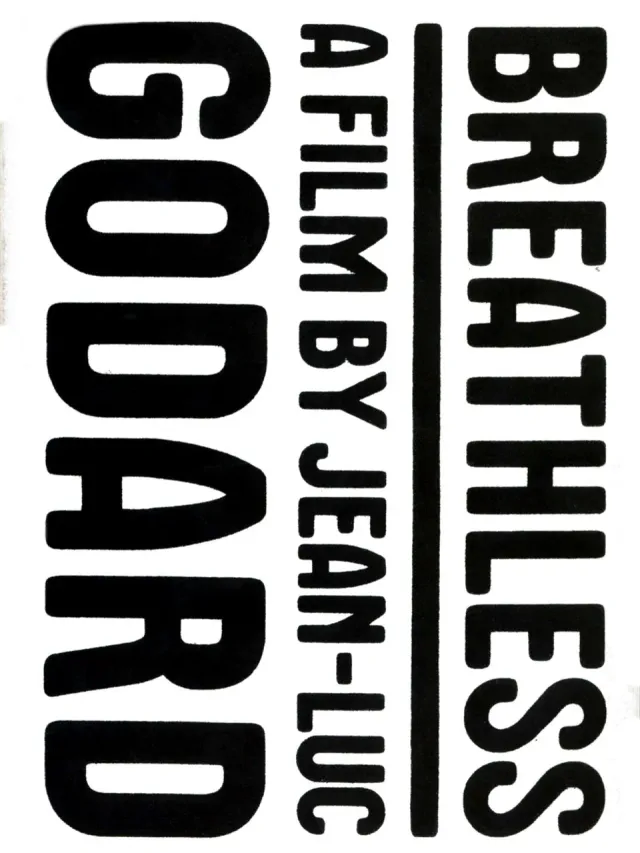
A fugitive tries to turn a borrowed screen persona into an escape with Patricia, whose separate ambitions keep his fantasy from becoming their shared purpose. The stolen-car crime never settles into a tightly plotted pursuit.
Why this matches +
These offer a related experience with a meaningful difference in story, tone, or presentation.
An adjacent discovery: a related idea with a different viewing experience.
Genres: Crime / Drama
Shared film traits
Based on recorded story, mood and style. Your preferences can change the order.
Criminal underworld · Escape and pursuit
What changes Breathless couples an impulsive criminal and a lover in a stylish, fatalistic flight.
After stealing a car and killing a policeman, Michel returns to Paris hoping to collect money and persuade Patricia, an American student, to leave with him. He borrows the pose of a Hollywood gangster, but the film's loose encounters make performance look less like control than a habit he cannot stop. Patricia has her own work and uncertain desires; their time together does not resolve into a shared plan. The final exchange refuses to tell viewers exactly how to judge either her choice or Michel's self-created outlaw romance. Michel's Bogart imitation keeps cinema visible inside his attempt to live as a gangster.
An accidental cocaine theft transforms a private honeymoon plan into a cross-country collision with organized crime.
Why this matches +
These offer a related experience with a meaningful difference in story, tone, or presentation.
An adjacent discovery: a related idea with a different viewing experience.
Genres: Crime / Drama
Shared film traits
Based on recorded story, mood and style. Your preferences can change the order.
Criminal underworld · Escape and pursuit
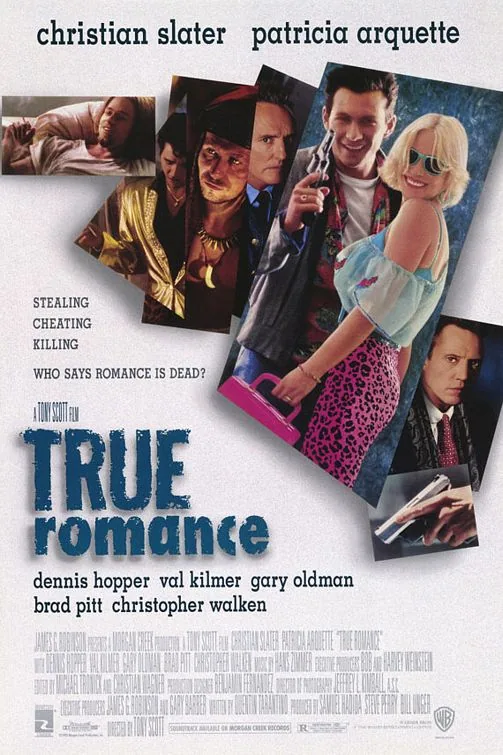
What changes True Romance follows young lovers on the run after a violent encounter with criminals.
Comic-store clerk Clarence and sex worker Alabama fall into a fast, sincere romance, marry and leave Detroit with a suitcase they believe contains Alabama’s belongings. It actually holds cocaine taken from her violent former pimp, and selling it in Los Angeles brings them into the path of the mob that wants it back. Their escape is framed by people who see their story differently: Clarence’s father, a police detective, Hollywood acquaintances and gangsters all pull at the couple from separate directions. Clarence’s impulsive loyalty and Alabama’s resolve become practical survival skills, but their love does not make the violence less real. The film’s romantic center persists inside a crime chase, with a structure that moves between tender exchanges, confrontations and sudden brutality.
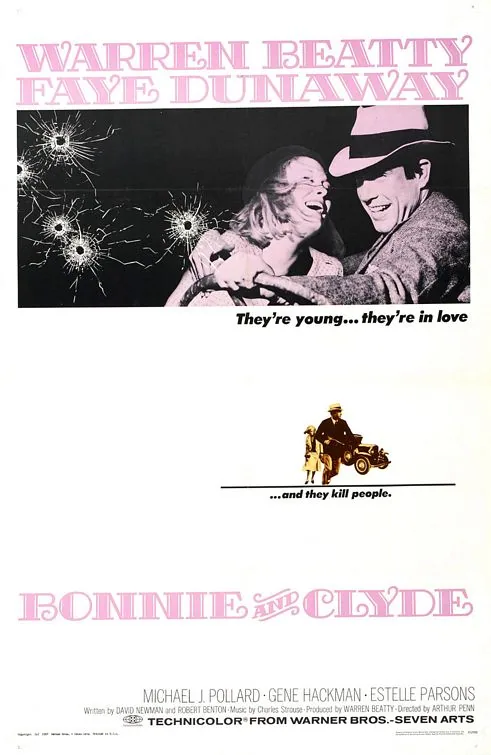
A bored young woman joins a small-time criminal whose confidence offers an escape from ordinary work and domestic expectation. Their robberies create a public image that grows faster than their ability to manage danger, while companions and relatives complicate the intimate partnership. Movement across the Depression-era landscape turns apparent freedom into a narrowing flight, making notoriety both a source of identity and an obstacle to surviving outside it.
What drives the story
An intimate escape through robbery becomes a public criminal persona whose growing visibility makes continued movement more necessary and less protective.
The people at its centre
Bonnie's desire for a life worth narrating intersects with Clyde's insecure performance of mastery, while family attachments interrupt the fantasy that they can live beyond ordinary dependence.
What it feels like
Comic awkwardness and lyrical pauses collide with abrupt physical destruction, making the outlaw romance's appeal inseparable from its increasingly constrained future.
Worth knowing
Compare romantic self-invention through crime and public notoriety, while separating the film's constructed outlaw mythology from a complete factual account of the historical pair.
FreedomIdentityCrime
Mood
Energetic · Defiant · Fatalistic
Pacing
Variable
Visual style
Lyrical · Naturalistic violence
Storytelling
Criminal romance · Public mythmaking · Narrowing flight