An intimate escape through robbery becomes a public criminal persona whose growing visibility makes continued movement more necessary and less protective.
Why this matches +
Selected for the central appeal: Stylish crime romances about young outsiders, performance and uncertain loyalty.
Genres: Crime / Drama
Shared film traits
Based on recorded story, mood and style. Your preferences can change the order.
Criminal underworld · Escape and pursuit
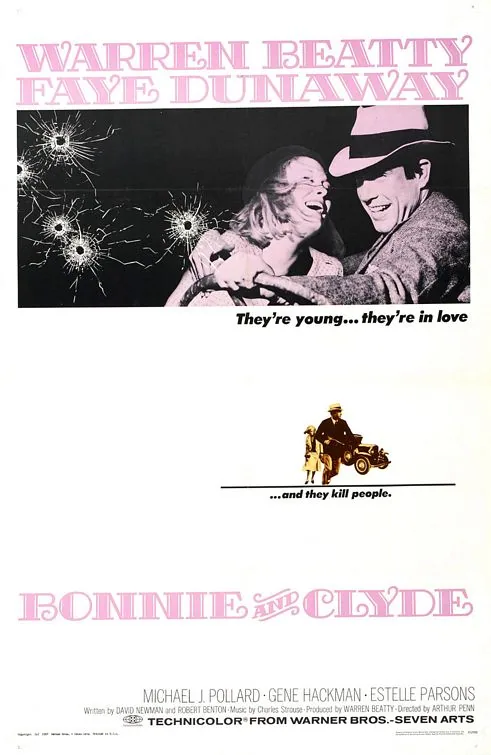
What changes Bonnie and Clyde follows charismatic lovers whose romanticized criminal freedom gives way to pursuit.
A bored young woman joins a small-time criminal whose confidence offers an escape from ordinary work and domestic expectation. Their robberies create a public image that grows faster than their ability to manage danger, while companions and relatives complicate the intimate partnership. Movement across the Depression-era landscape turns apparent freedom into a narrowing flight, making notoriety both a source of identity and an obstacle to surviving outside it.
The couple’s flight keeps changing genre and direction, because Marianne and Ferdinand imagine freedom in incompatible ways.
Why this matches +
Selected for the central appeal: Stylish crime romances about young outsiders, performance and uncertain loyalty.
Genres: Drama / Crime
Shared film traits
Based on recorded story, mood and style. Your preferences can change the order.
Criminal underworld · Escape and pursuit
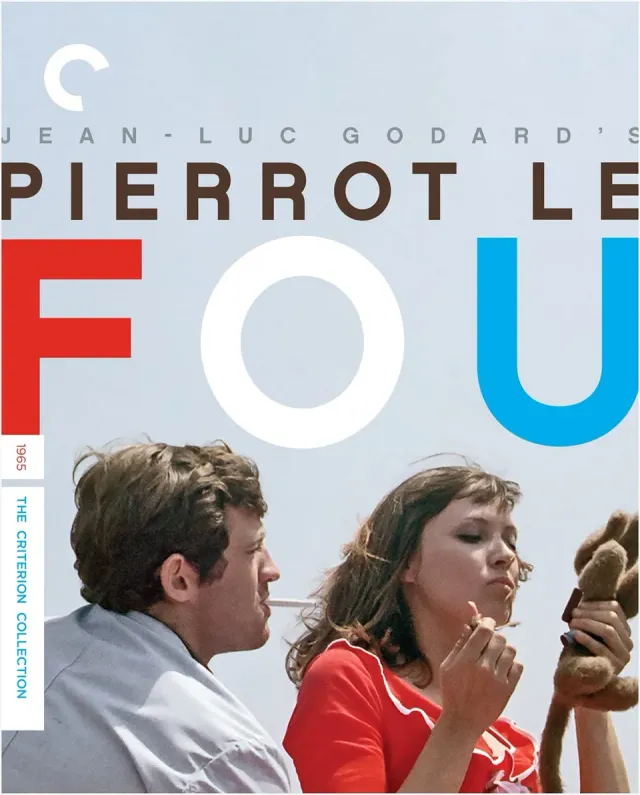
What changes Pierrot le Fou shares Godard's playful New Wave style and follows lovers into a destructive outlaw journey.
Ferdinand Griffon leaves his marriage and a dull advertising job to escape with Marianne Renoir, a former lover pursued by gangsters. They drive from Paris toward the Mediterranean in a stolen car, leaving behind bodies and fragments of the life Ferdinand once considered secure. Marianne calls him Pierrot, a nickname he rejects, while the pair drift between crime, argument, romance and fantasy. Their attempt at freedom never settles into a shared purpose: Marianne wants action and escape, while Ferdinand turns increasingly toward writing and self-conscious performance. Godard’s road story fractures into digressions before the lovers’ pursuit ends in violence.
The initial stop makes flight both a response to immediate danger and a decision with irreversible consequences.
Why this matches +
These offer a related experience with a meaningful difference in story, tone, or presentation.
An adjacent discovery: a related idea with a different viewing experience.
Genres: Crime / Drama
Shared film traits
Based on recorded story, mood and style. Your preferences can change the order.
Escape and pursuit
What changes Queen & Slim follows a couple on the run whose relationship and public image develop amid danger.
On a first date in Ohio, Queen and Slim are pulled over by a police officer; when he is shot during a struggle, the couple flee rather than face a justice system they fear will not hear their account. Their journey becomes a media spectacle and a test of trust, intimacy and survival. The drama examines racialized policing through a road story that moves from immediate crisis toward symbolic resistance.
An escaped robber and the marshal hunting him are drawn toward each other.
Why this matches +
These offer a related experience with a meaningful difference in story, tone, or presentation.
An adjacent discovery: a related idea with a different viewing experience.
Genres: Crime / Comedy
Shared film traits
Based on recorded story, mood and style. Your preferences can change the order.
Criminal underworld · Escape and pursuit
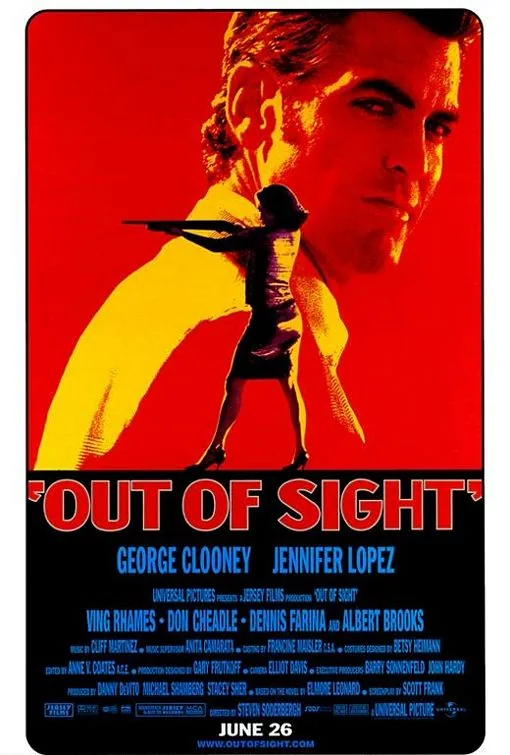
What changes Out of Sight combines criminal pursuit with an attraction that unsettles both participants' plans.
Bank robber Jack Foley escapes from a Florida prison and crosses paths with U.S. Marshal Karen Sisco during the getaway. Their mutual attraction persists even as Karen pursues Jack and he plans another robbery with his partners. The crime story moves between flirtation, professional duty and shifting alliances, using a cool, nonlinear rhythm to make each encounter feel like both a negotiation and a possible betrayal.
The road trip keeps changing meaning as the friends’ bravado meets an adult traveler’s more complicated circumstances.
Why this matches +
These offer a related experience with a meaningful difference in story, tone, or presentation.
An adjacent discovery: a related idea with a different viewing experience.
Genres: Drama / Romance
Shared film traits
Based on recorded story, mood and style. Your preferences can change the order.
What changes Y tu mamá también follows young travelers whose apparent freedom exposes uncertainty about desire and identity.
Two teenage friends take a road trip with an older woman who is dealing with a private loss, and their shifting trio turns a carefree journey into a reckoning with desire, class and growing up. A candid voice-over widens the story beyond the travelers’ self-image. The film’s erotic humor sits beside an attentive portrait of Mexican places and inequalities.
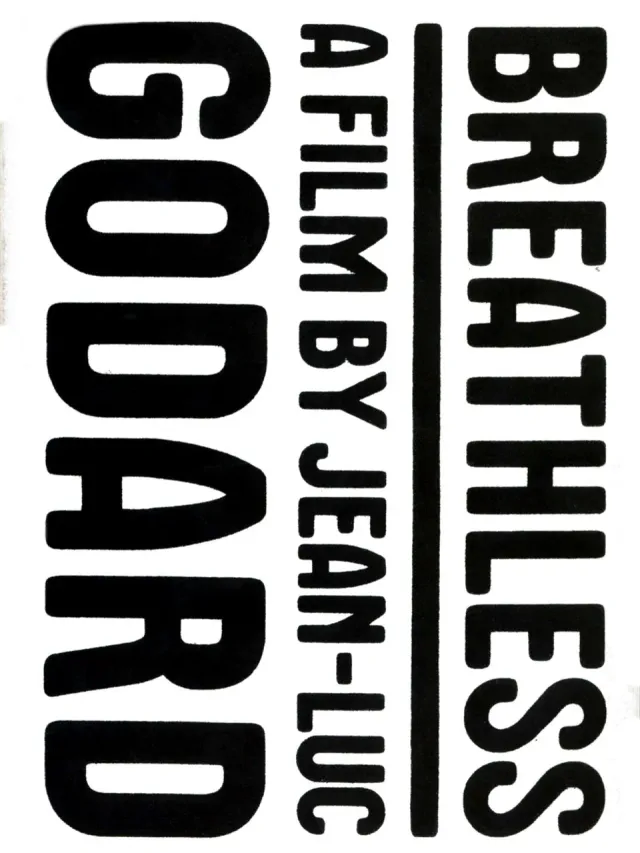
After stealing a car and killing a policeman, Michel returns to Paris hoping to collect money and persuade Patricia, an American student, to leave with him. He borrows the pose of a Hollywood gangster, but the film's loose encounters make performance look less like control than a habit he cannot stop. Patricia has her own work and uncertain desires; their time together does not resolve into a shared plan. The final exchange refuses to tell viewers exactly how to judge either her choice or Michel's self-created outlaw romance. Michel's Bogart imitation keeps cinema visible inside his attempt to live as a gangster.
What drives the story
A fugitive tries to turn a borrowed screen persona into an escape with Patricia, whose separate ambitions keep his fantasy from becoming their shared purpose. The stolen-car crime never settles into a tightly plotted pursuit.
The people at its centre
Michel seeks affirmation while Patricia tests her own feelings and options. Treating her decision as simple betrayal or proof of his romantic hold would overstate what the film settles.
What it feels like
Jump cuts, mobile street footage and long conversational stretches break crime-film momentum, keeping self-invention and everyday hesitation in the same frame. Discontinuity makes pauses as important as action.
Worth knowing
Match on outlaw performance meeting a lover's autonomy, not on a conventional gangster escape. Patricia's final choice remains open beyond Michel's preferred interpretation of it.
IdentityFreedomAutonomy
Mood
Restless · Ambivalent · Defiant
Pacing
Variable
Visual style
Jump cuts · Mobile street photography
Storytelling
Fugitive romance · Unstable commitment · Borrowed gangster persona