Based on recorded story, mood and style. Your preferences can change the order.
Criminal underworld
What changes Pierrot le Fou: episodic, unpredictable and fragmented. T2 Trainspotting: fractured and surging.
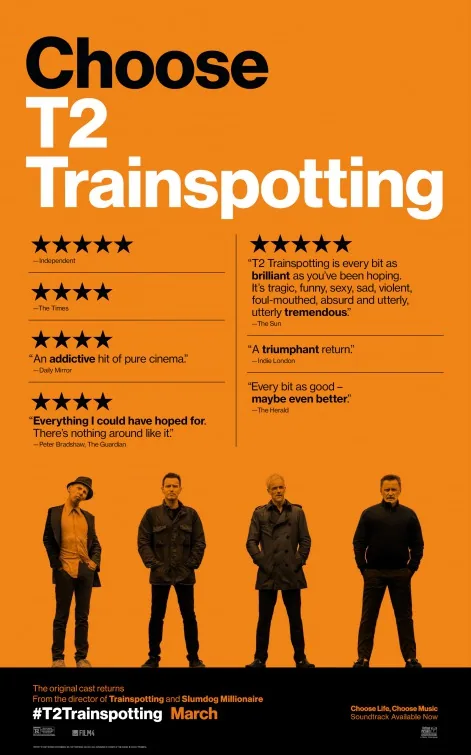
Twenty years after leaving Edinburgh, Mark Renton returns to reconnect with Simon and Spud, while Begbie's escape from prison makes the old group's past dangerous again. Each man has aged into a different compromise, and their reunion mixes schemes, guilt and flashes of affection with the question of whether any of them can move forward. Danny Boyle uses quick shifts in music, memory and image to make nostalgia feel both energizing and corrosive.
Based on recorded story, mood and style. Your preferences can change the order.
Criminal underworld · Escape and pursuit
What changes Pierrot le Fou: episodic, unpredictable and fragmented. Butch Cassidy and the Sundance Kid: variable.
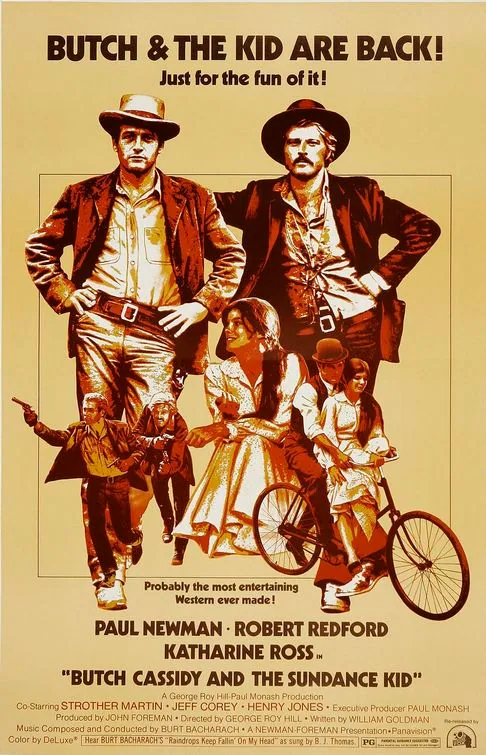
Two outlaws accustomed to reliable skills and easy movement discover that the force pursuing them will not be distracted by the familiar rules of their trade. Flight across the American West and then abroad offers temporary reinvention without eliminating the habits that made them recognizable. Their friendship and a companion's presence give escape warmth and comic rhythm, but changing geography does not guarantee a future outside the economy of pursuit.
Both share themes of romance, plus a playful atmosphere.
Why this matches +
Genres: Action / Adventure
Shared film traits
Based on recorded story, mood and style. Your preferences can change the order.
Escape and pursuit
What changes Pierrot le Fou: episodic, unpredictable and fragmented. Romancing the Stone: journey-based, comic and fast.
Romance novelist Joan Wilder receives a map from her murdered brother-in-law and learns that her sister Elaine has been kidnapped by smugglers seeking the map. In Colombia, Joan is diverted from the coastal city where she is meant to make the exchange and is pursued through the jungle by corrupt military men. American bird smuggler Jack Colton saves her, and they agree to travel together toward Cartagena. Their route brings them into contact with a local drug lord, a treasure hidden in the jungle and a series of shifting alliances. Joan’s fictional sense of romance is tested by real danger and practical decisions.
Both share themes of freedom, plus a melancholic atmosphere.
Why this matches +
Genres: Drama / Romance
Shared film traits
Based on recorded story, mood and style. Your preferences can change the order.
What changes Pierrot le Fou: episodic, unpredictable and fragmented. L’Atalante: measured and poetic.
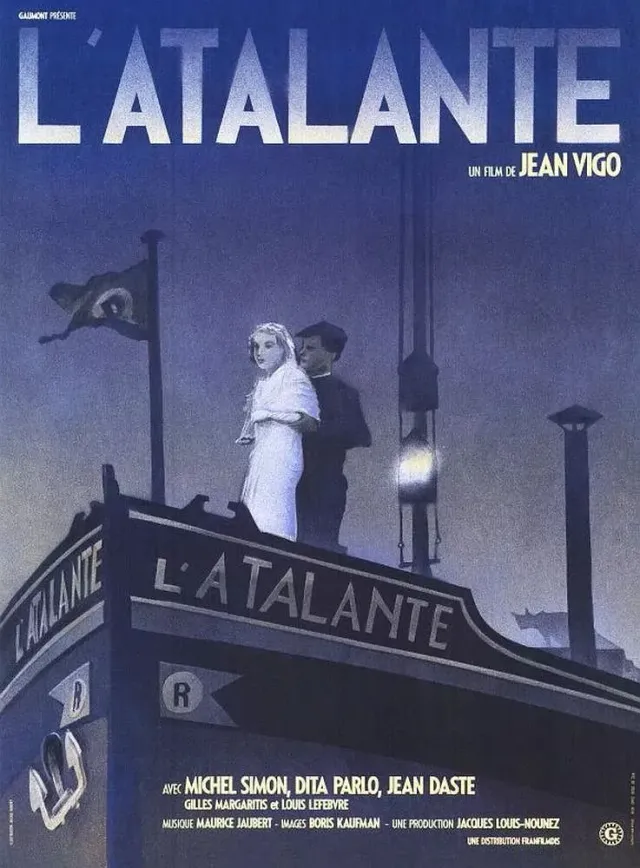
Country girl Juliette marries Jean, a barge captain, and leaves her village to live aboard his vessel, L’Atalante. Their new life includes the eccentric first mate Père Jules and a young deckhand as the boat travels toward Paris. Juliette’s desire to explore the city and Jean’s jealousy strain the marriage, testing their hopes against the cramped routines of work and travel.
Shared characteristics
Mood: Melancholic
Theme: Freedom
Genre: Romance
Genre: Drama
Poster: Film rights holders; original promotional poster from the identified source · Image source
Based on recorded story, mood and style. Your preferences can change the order.
Criminal underworld · Escape and pursuit
Expect wry and romantic, with episodic and character-led pacing.
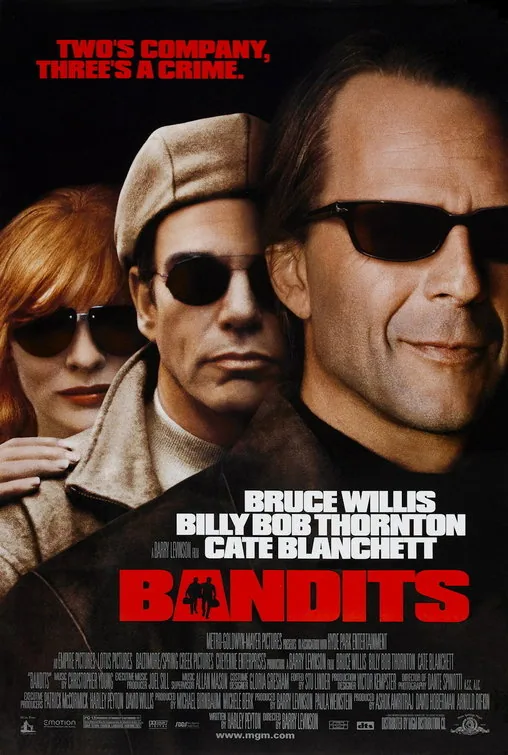
Two escaped convicts become unlikely bank robbers, using a hostage-friendly approach that makes them folk heroes and draws the police into pursuit. Their partnership changes when a restless woman joins them and both men begin to care for her. The film mixes criminal escapades with romantic uncertainty, asking whether the trio can maintain its unconventional freedom once affection, jealousy and public attention alter the terms of their arrangement.
Based on recorded story, mood and style. Your preferences can change the order.
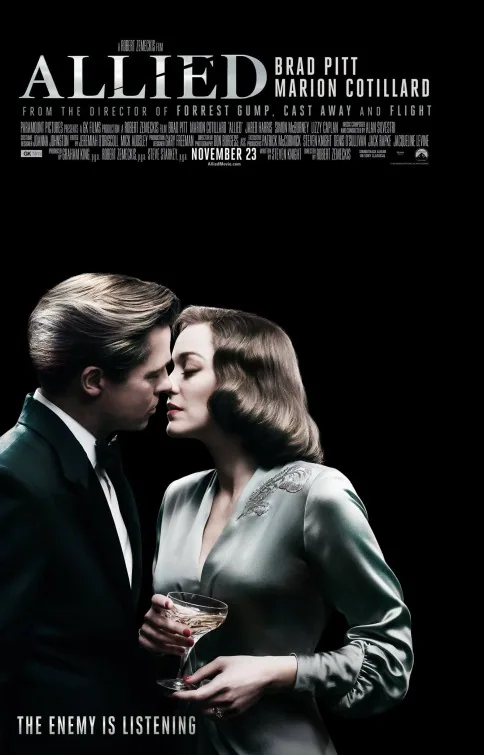
What changes Pierrot le Fou: episodic, unpredictable and fragmented. Allied: measured and espionage-driven.
During the Second World War, Canadian intelligence officer Max Vatan and French Resistance agent Marianne Beauséjour pose as a married couple for a mission in Casablanca. Their wartime partnership becomes a real marriage, but later intelligence raises the possibility that Marianne is hiding a dangerous allegiance. Max must weigh military orders against his trust in the woman he loves, turning a spy story into an intimate test of loyalty.
Both share themes of freedom, plus a restless atmosphere.
Why this matches +
Genres: Crime / Drama
Shared film traits
Based on recorded story, mood and style. Your preferences can change the order.
Criminal underworld · Escape and pursuit
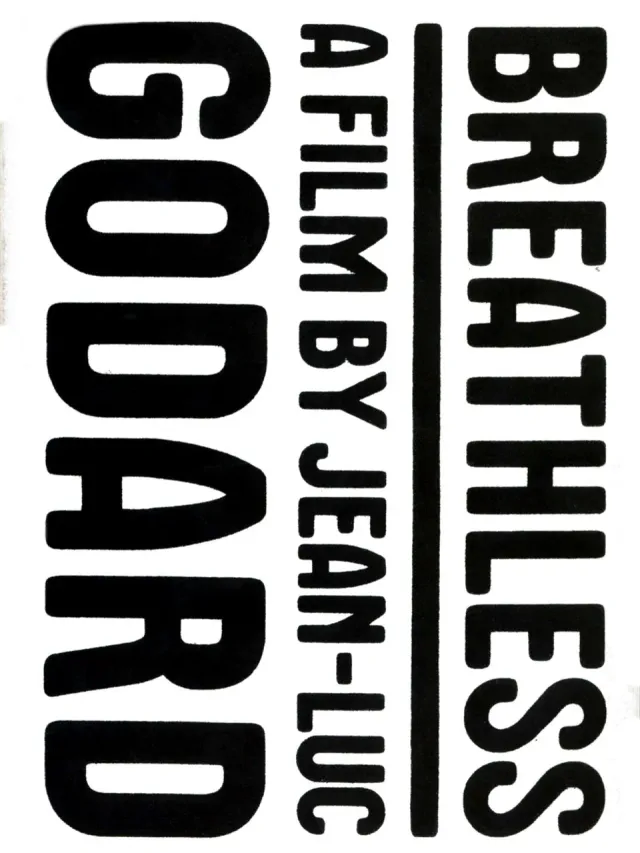
What changes Pierrot le Fou: episodic, unpredictable and fragmented. Breathless: variable.
After stealing a car and killing a policeman, Michel returns to Paris hoping to collect money and persuade Patricia, an American student, to leave with him. He borrows the pose of a Hollywood gangster, but the film's loose encounters make performance look less like control than a habit he cannot stop. Patricia has her own work and uncertain desires; their time together does not resolve into a shared plan. The final exchange refuses to tell viewers exactly how to judge either her choice or Michel's self-created outlaw romance. Michel's Bogart imitation keeps cinema visible inside his attempt to live as a gangster.
Based on recorded story, mood and style. Your preferences can change the order.
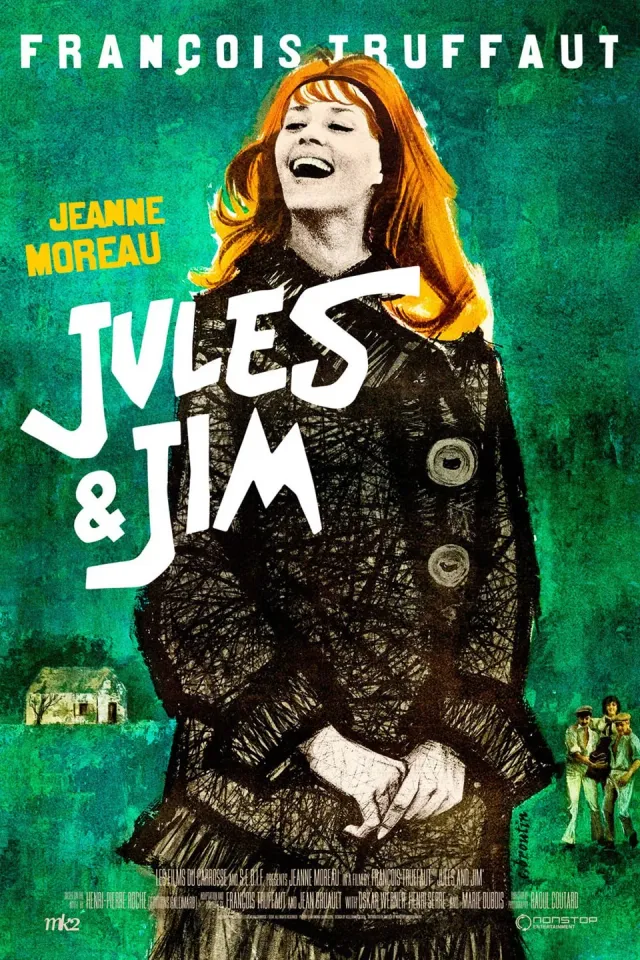
What changes Pierrot le Fou is tagged restless and playful; Jules and Jim is tagged exuberant and melancholy.
Before the First World War, Austrian Jules and Frenchman Jim share an artistic life and become fascinated by Catherine, whose independence unsettles the image of love they have built around her. War places the friends in opposing armies; their later reunion permits a household that appears to preserve every attachment. Yet Catherine’s desires do not settle into the men’s arrangement, and Jim’s hopes for a stable future collide with her fear of being abandoned or possessed. Truffaut’s adaptation of Henri-Pierre Roché’s novel moves across years with breathless speed, making the early play of possibility feel increasingly fragile. Its romantic freedom is neither a simple endorsement of non-monogamy nor a reason to romanticize the violence and devastation that follow.
Both share themes of freedom, plus a playful atmosphere.
Why this matches +
Genres: Crime / Comedy
Shared film traits
Based on recorded story, mood and style. Your preferences can change the order.
Criminal underworld · Escape and pursuit
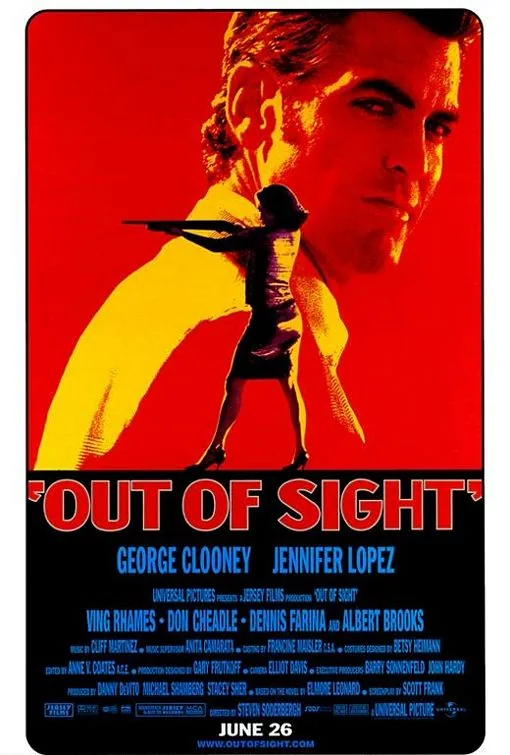
What changes Pierrot le Fou: episodic, unpredictable and fragmented. Out of Sight: nonlinear and dialogue-led.
Bank robber Jack Foley escapes from a Florida prison and crosses paths with U.S. Marshal Karen Sisco during the getaway. Their mutual attraction persists even as Karen pursues Jack and he plans another robbery with his partners. The crime story moves between flirtation, professional duty and shifting alliances, using a cool, nonlinear rhythm to make each encounter feel like both a negotiation and a possible betrayal.
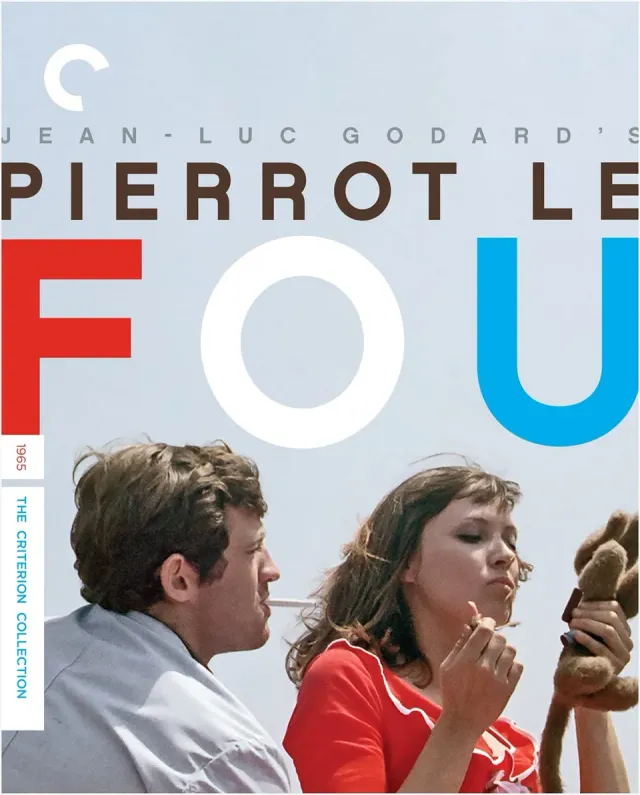
Ferdinand Griffon leaves his marriage and a dull advertising job to escape with Marianne Renoir, a former lover pursued by gangsters. They drive from Paris toward the Mediterranean in a stolen car, leaving behind bodies and fragments of the life Ferdinand once considered secure. Marianne calls him Pierrot, a nickname he rejects, while the pair drift between crime, argument, romance and fantasy. Their attempt at freedom never settles into a shared purpose: Marianne wants action and escape, while Ferdinand turns increasingly toward writing and self-conscious performance. Godard’s road story fractures into digressions before the lovers’ pursuit ends in violence.
What drives the story
The couple’s flight keeps changing genre and direction, because Marianne and Ferdinand imagine freedom in incompatible ways.
The people at its centre
Ferdinand wants to turn experience into art; Marianne resists being made into his character and insists on a more immediate life.
What it feels like
Jump cuts, direct address, pop colors, quotations and abrupt musical passages make the film’s form as restless as its fugitives.
Worth knowing
It is a self-aware New Wave road film rather than a conventional crime romance; its interruptions and contradictions are central to the experience.