The industry's transition to sound changes the conditions of employment, turning careers that seemed secure into uneven tests of adaptability and marketability. The plot connects private ambition to production systems rather than to talent alone.
Why this matches +
Selected for the central appeal: An adult-industry found family rises and fractures through ambition, drugs and technological transition; exuberant ensemble comedy turns dangerous.
Genres: Drama / Comedy
Shared film traits
Based on recorded story, mood and style. Your preferences can change the order.
Music and performance
What changes A sprawling entertainment ensemble experiences ecstatic parties, manufactured identities and a technological transition that makes workers disposable; Hollywood’s sound revolution is more grotesquely spectacular than the intimate adult-film-to-video household.
In late-1920s Hollywood, ambitious newcomers and established performers chase work inside an industry changing from silent pictures to sound. Manny's rise, Nellie's volatile stardom and Jack Conrad's established career each meet a different form of obsolescence; sound reorganizes not only technique but which voices and bodies studios will tolerate. Parties and huge productions display the industry's appetite for spectacle while the people who make it absorb humiliation and risk. Damien Chazelle's fictional ensemble is a feverish, often abrasive meditation on cinema's capacity to preserve images while discarding workers.
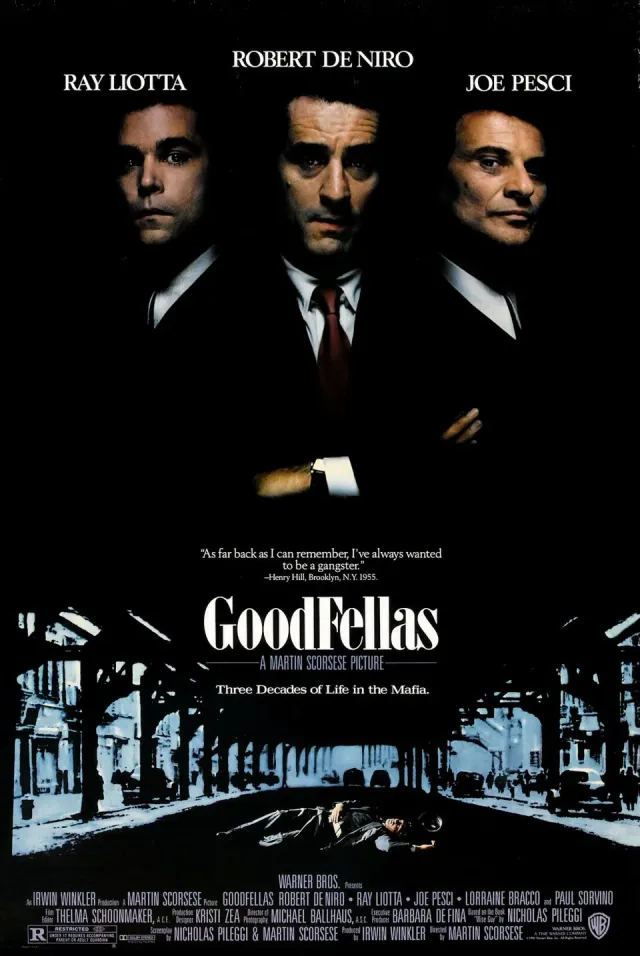
A participant's narrated rise reveals a criminal community whose rewards progressively increase dependence on people willing to abandon one another for self-preservation.
Why this matches +
Selected for the central appeal: An adult-industry found family rises and fractures through ambition, drugs and technological transition; exuberant ensemble comedy turns dangerous.
Genres: Crime / Drama
Shared film traits
Based on recorded story, mood and style. Your preferences can change the order.
What changes A young outsider enters a seductive surrogate family whose boom-era privilege decays into drugs, paranoia and unstable loyalties; organized violent crime is more defining than sexual labor and a paternal filmmaking household.
A young man attracted to neighbourhood gangsters enters organised crime through errands, connections and a growing ability to participate in profitable violence. Marriage and friendships become part of the same social world that promises protection while distributing danger through unstable loyalties. As ambition expands beyond the routines keeping that world manageable, surveillance, substance use and personal mistrust expose how quickly the privileges of belonging can become the terms of entrapment.
Nomi pursues a starring role while confronting the industry's transactional rules.
Why this matches +
Related viewing experiences with the specific differences recorded for each pair.
An adjacent discovery: a related idea with a different viewing experience.
Genres: Drama / Musical
Shared film traits
Based on recorded story, mood and style. Your preferences can change the order.
Music and performance
What changes A newcomer sells a performance persona inside a sexualized entertainment business built on exploitation and ambition; its abrasive individual rivalry is colder than the source’s affectionate, compromised found family.
Nomi Malone arrives in Las Vegas determined to become a professional dancer and works her way from a strip club toward a major casino revue. She forms an uneasy friendship with dancer Molly and competes with established star Cristal, while managers and performers use sex, status and access as currencies. The drama examines the price of ambition in an entertainment industry built around spectacle.
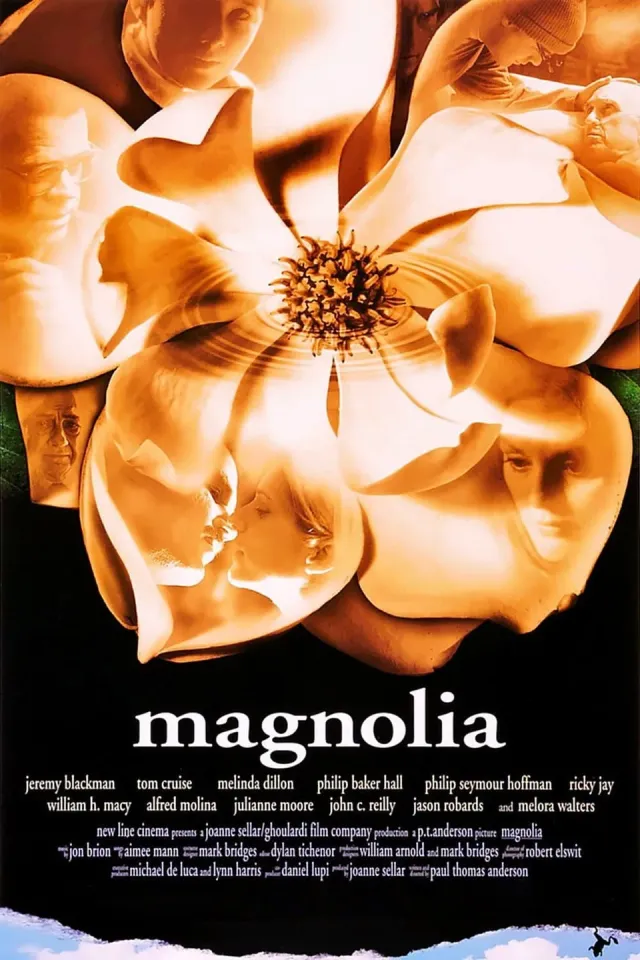
The quiz show supplies a shared past, while separate stories of sickness, estrangement and public failure move toward moments of confession. The ensemble converges emotionally rather than through one solved external mystery.
Why this matches +
Related viewing experiences with the specific differences recorded for each pair.
An adjacent discovery: a related idea with a different viewing experience.
Genres: Drama
Shared film traits
Based on recorded story, mood and style. Your preferences can change the order.
What changes A music-driven Los Angeles ensemble exposes damaged parent-child bonds beneath public performance and offers uncertain moments of care; one converging day of confessions replaces a decades-long industry rise and fall.
Across one day in Los Angeles, quiz-show families, a dying television producer, an estranged son, a nurse, a police officer and a former child contestant move through intersecting crises. The connections are not a tidy conspiracy: they gather around parental harm, public performance, confession and the need to be recognized by someone who may not forgive. Frank Mackey’s brash persona conceals the childhood he refuses to discuss, while his father’s illness creates a belated opening for contact. An extraordinary event interrupts the ensemble’s emotional convergence without delivering equal repair to everyone. Paul Thomas Anderson’s long, music-driven drama balances coincidence with deliberate formal links; its moments of grace allow hope, not a guarantee that regret earns absolution.
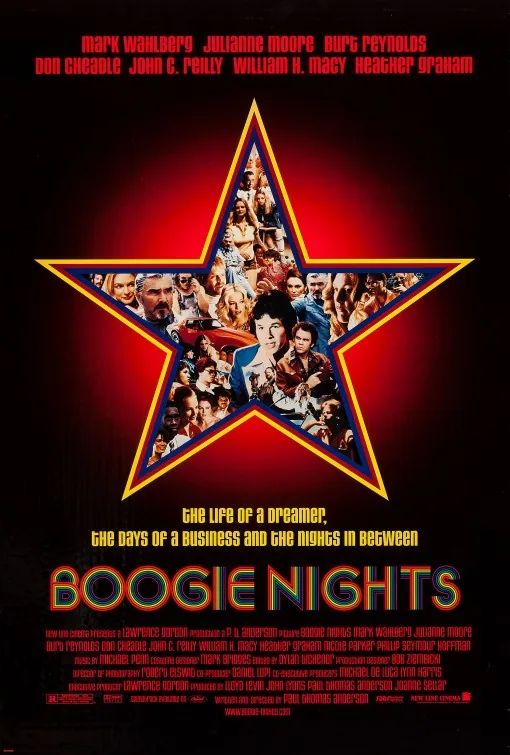
Eddie Adams leaves a damaging home for Jack Horner's adult-film circle, where a new name, a marketable body and a found-family welcome turn early success into a promise of permanence. The ensemble shares work and care, but belonging is intertwined with sexual labor, money and Jack's paternal authority. When drugs, personal failures and the shift from theatrical film to video change the business, those who built identities around its boom discover that affection cannot guarantee security or equal power.
What drives the story
Eddie's rapid rise depends on a body the industry can sell; technological and economic change then unsettles the community and self-image built around that value. The shift from theatrical film to video alters status, work and the group's future.
The people at its centre
Jack offers mentorship and household belonging while directing a business that depends on performers' labor. Eddie's need for approval and the ensemble's uneven care make chosen family both meaningful and unsafe; Jack's care and control operate through the same workplace ties.
What it feels like
Restless camera movement, music and exuberant ensemble scenes carry the rise before giving way to isolation and humiliation. The opening's momentum makes the later fracture feel like a loss of a whole working community.
Worth knowing
Compare found family tied to a changing labor economy rather than a reassuring backstage community. Commercial recognition and nostalgic pleasure do not erase sexual work, dependency or unequal power.
IdentityExploitationAmbition
Mood
Energetic · Intimate · Disquieting
Pacing
Variable
Visual style
Fluid ensemble staging · Period texture
Storytelling
Performer rise and decline · Changing production economy · Unstable paternal care