Based on recorded story, mood and style. Your preferences can change the order.
What changes Born Yesterday: measured. How to Lose a Guy in 10 Days: brisk and escalating.
A magazine writer tries to produce a breakup for an assignment while an advertising executive bets that he can make a woman fall in love with him. Their colleagues arrange a pairing in which each mistakes the other's strategic persistence for an inexplicable personality trait. Private warmth emerges inside behavior designed for opposite outcomes, making disclosure a threat to both professional plans and genuine attachment. The romantic comedy relies on the audience knowing the incompatible projects that the couple conceals from each other.
Both share themes of love, plus a hopeful atmosphere.
Why this matches +
Genres: Drama / Romance
Shared film traits
Based on recorded story, mood and style. Your preferences can change the order.
Expect intimate and emotional, with measured pacing.
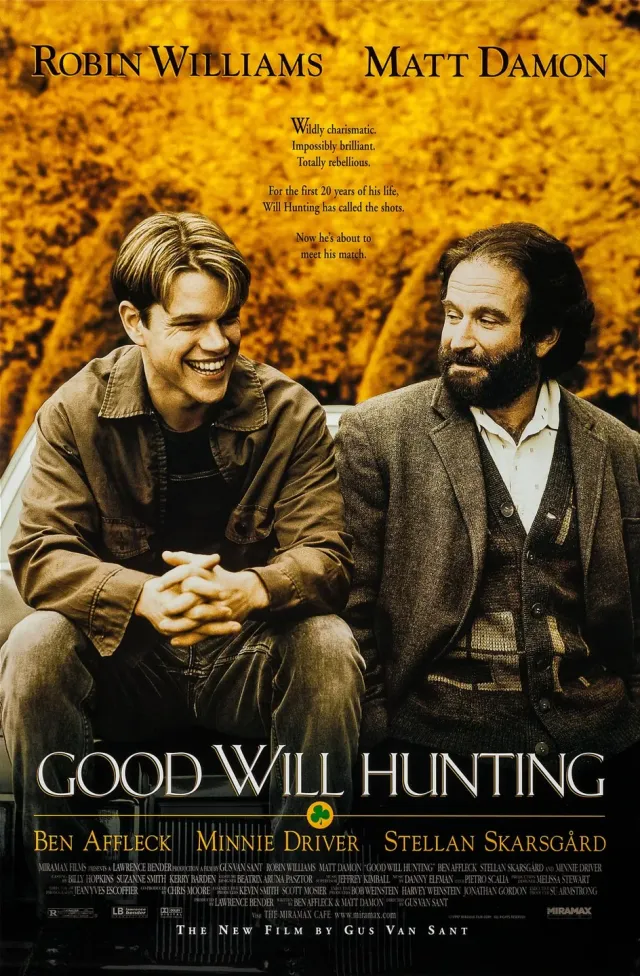
A young janitor's mathematical ability attracts academic attention after an anonymous solution exposes a talent he has kept outside conventional institutions. Legal trouble leads to an arrangement involving advanced work and therapy, but intelligence becomes another defence against people offering help. Loyalty to friends, a developing romance and memories of abuse complicate the assumption that professional opportunity is automatically the future he wants.
Based on recorded story, mood and style. Your preferences can change the order.
What changes Born Yesterday: measured. The Toy: episodic and steady.
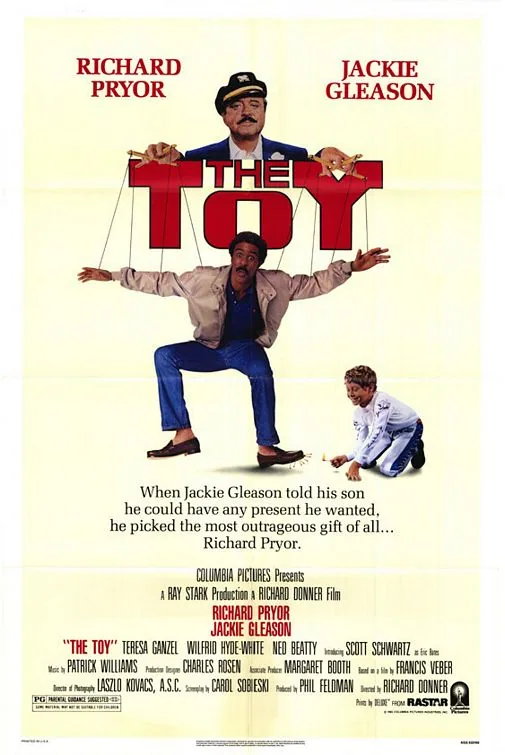
When an affluent businessman gives his son access to a department store, the boy chooses an unemployed journalist as a living companion and the adult accepts the arrangement out of financial need. Their unlikely time together exposes class privilege and parental absence, while the boy's mother and the journalist's family complicate the easy assumption that money can purchase attention, affection, or a substitute for responsible care.
Both share themes of love, plus a hopeful atmosphere.
Why this matches +
Genres: Romance / Comedy
Shared film traits
Based on recorded story, mood and style. Your preferences can change the order.
What changes Born Yesterday: measured. It Happened One Night: steady.
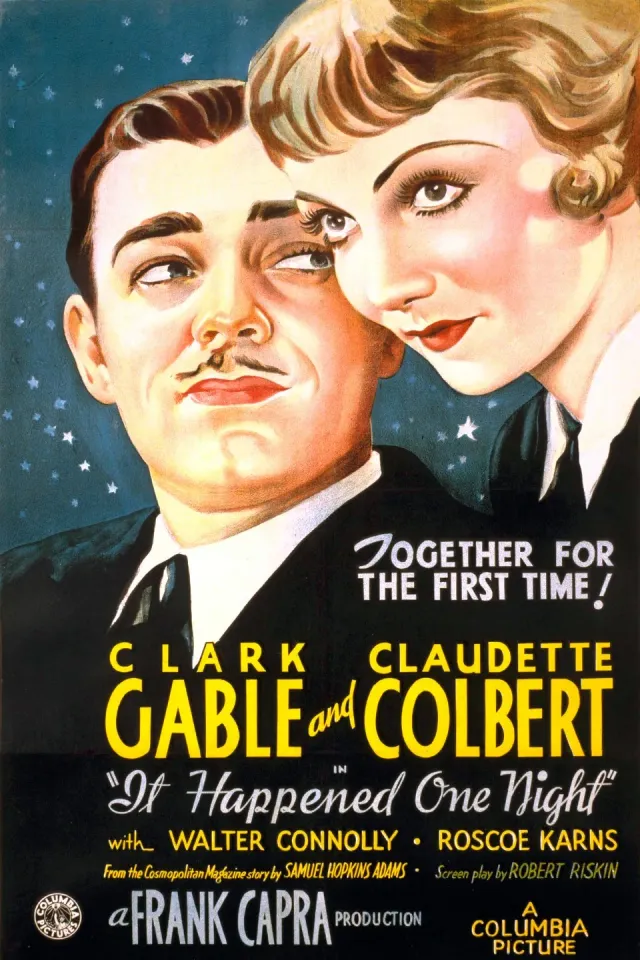
A sheltered heiress fleeing her father's control travels toward the man she has impulsively married, only to lose the money and privileges that usually smooth her way. An unemployed reporter recognises a story in her predicament and offers assistance in exchange for exclusive access. Their improvised journey forces two combative strangers to cooperate across class differences while their bargain becomes harder to keep emotionally impersonal.
Based on recorded story, mood and style. Your preferences can change the order.
What changes Born Yesterday: measured. Love, Simon: brisk.
A closeted teenager finds an anonymous correspondent who makes disclosure feel possible before he is ready for it publicly. A classmate's discovery of the messages turns privacy into leverage, and attempts to satisfy the blackmailer damage friendships that had offered genuine support. Searching for the correspondent's identity becomes entangled with deciding when and how to speak in his own name. The romantic comedy treats coming out as a question of agency as well as recognition, while allowing the desire for safety to produce choices requiring repair.
Based on recorded story, mood and style. Your preferences can change the order.
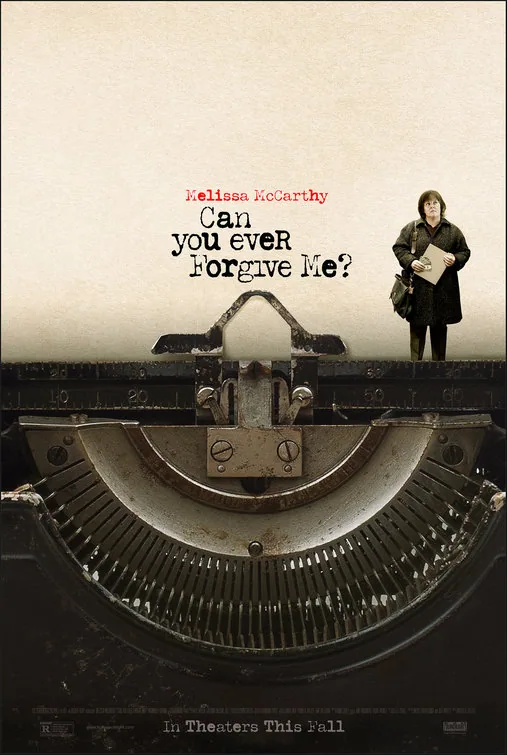
What changes Born Yesterday is tagged witty and assertive; Can You Ever Forgive Me? is tagged wry and melancholy.
In early-1990s New York, struggling biographer Lee Israel faces money problems, a stalled career and few remaining professional options. She discovers that forged letters attributed to famous writers can earn money and begins selling them through book dealers, with her friend Jack Hock joining the scheme. Marielle Heller shapes the crime story as a character-led portrait of loneliness, literary ambition and compromised survival, anchored by dry humor rather than glamour.
Based on recorded story, mood and style. Your preferences can change the order.
What changes Born Yesterday: measured. Crazy Rich Asians: buoyant and relationship-led.
An American economics professor accompanies her boyfriend to a wedding in Singapore and discovers that his family occupies an extraordinary position of wealth. Their relationship becomes subject to judgments about status, upbringing and family duty that she had not anticipated. Navigating lavish gatherings and private confrontations, she must decide how to preserve her dignity and independence without treating love as a contest she can win through approval.
Based on recorded story, mood and style. Your preferences can change the order.
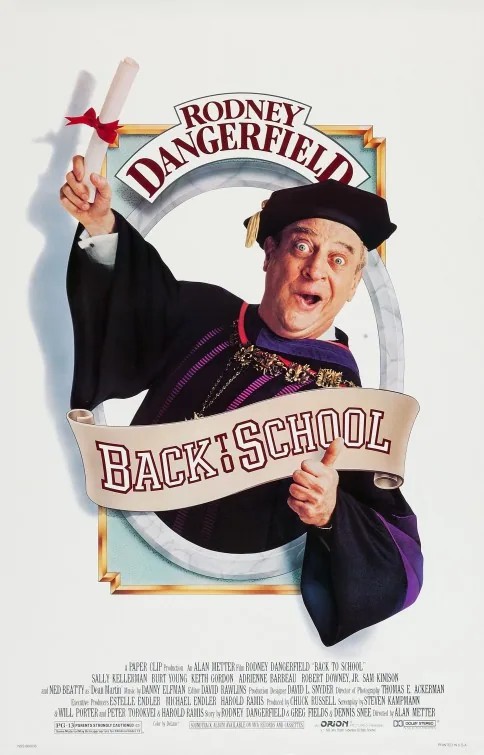
What changes Born Yesterday: measured. Back to School: loose and set-piece comedy.
A wealthy, self-made father enrolls at his son's college after the young man loses confidence in school. Thornton's money can secure buildings, parties and attention, but it cannot do the work of learning or repair every awkward family conversation. His attempt to help becomes a comic test of whether he can listen, accept limits and let his son make choices.
Based on recorded story, mood and style. Your preferences can change the order.
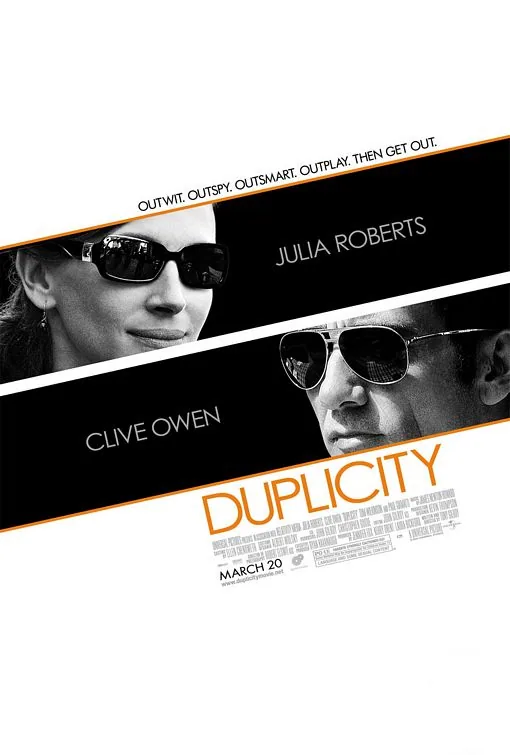
What changes Born Yesterday is tagged witty and assertive; Duplicity is tagged wry and stylish.
Two former government intelligence officers leave public service and become corporate operatives, but their secret relationship complicates a plan to steal a valuable product formula. They work for rival executives who are themselves locked in an aggressive business contest, and shifting loyalties make it difficult to know which scheme is genuine. The romantic caper uses reversals and withheld information to turn professional competition into a test of trust between its leads.
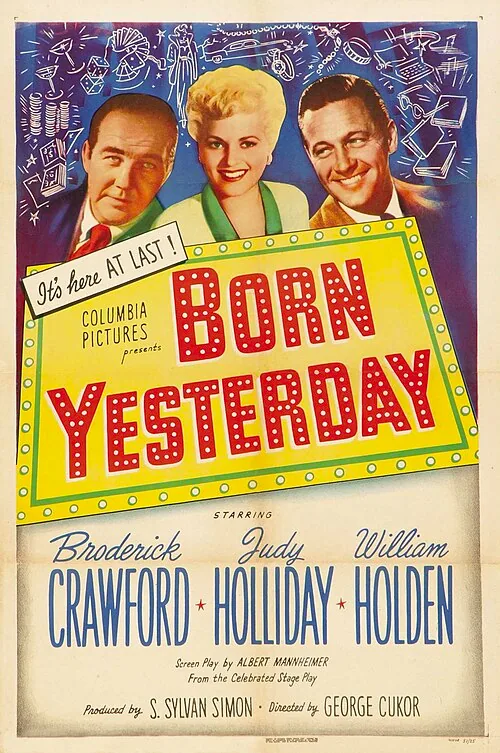
A wealthy businessman brings his girlfriend to Washington and hires a journalist to improve the sophistication he thinks she lacks. The education intended to make her a more useful public accessory instead equips her to question the documents and arrangements through which he controls her. Reading and conversation become forms of practical power, allowing romantic recognition and political understanding to challenge an intimate dependence that money has helped disguise.
What drives the story
An attempt to polish a dependent partner creates the knowledge through which she can recognize and resist the financial arrangements exploiting her.
The people at its centre
Billie's developing confidence contrasts with Harry's expectation of obedience, while Paul's interest must allow her judgment to become more than another man's preferred performance.
What it feels like
Verbal comedy and extended exchanges turn apparent social refinement into a contest over who understands, signs and benefits from the language of power.
Worth knowing
Compare withheld knowledge becoming leverage against intimate economic control, rather than treating working-class speech as evidence of incapacity or education as merely acquiring respectable manners.
AutonomyEducationPower
Mood
Witty · Assertive · Hopeful
Pacing
Measured
Visual style
Dialogue-led · Classical staging
Storytelling
Political education · Documents as leverage · Dependent partner gaining agency