Based on recorded story, mood and style. Your preferences can change the order.
Political resistance · Memory and identity
What changes Boy Kills World: rapid, episodic and escalating. The Giver: measured and quest-driven.
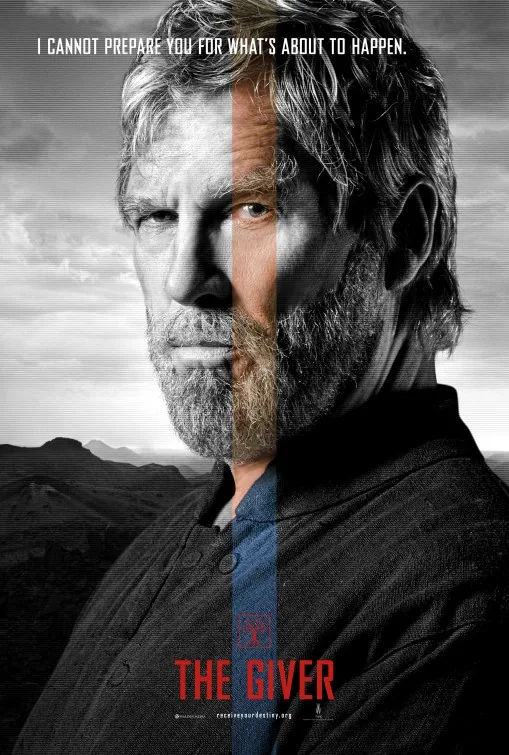
In a controlled community that has suppressed memory, strong emotion, and individual difference, teenager Jonas is selected to receive the memories preserved by the Receiver. His training with the older man exposes the beauty and pain erased from daily life, leading Jonas to question the system and protect a vulnerable child. Phillip Noyce's adaptation turns a young adult dystopia into a story about memory, conformity, and the cost of safety without choice.
Based on recorded story, mood and style. Your preferences can change the order.
Memory and identity
What changes Boy Kills World: rapid, episodic and escalating. Face/Off: fast.
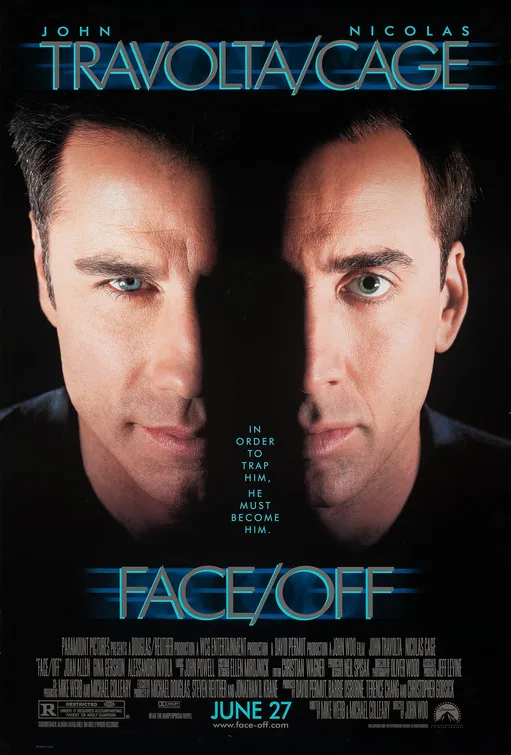
An agent pursuing the man who killed his son undergoes a secret procedure to assume the criminal's face and obtain information about a bomb. When the prisoner awakens and takes the agent's appearance in return, the operation becomes a struggle over who can make a true account of identity believable. Each man's access to the other's household exposes relationships the pursuit has neglected, while the bodies meant to function as disguises make returning to an ordinary life dangerously uncertain. The premise gives each man the other’s appearance, but the moral and relational histories remain unequal.
Based on recorded story, mood and style. Your preferences can change the order.
Escape and pursuit
What changes Boy Kills World: rapid, episodic and escalating. Dragonball Evolution: rapid and training and combat.
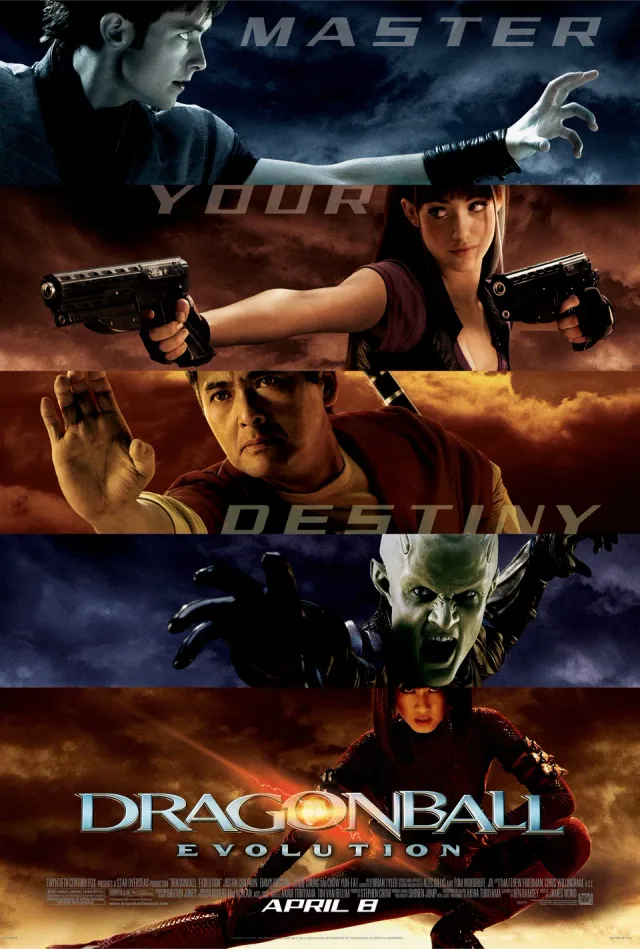
A teenager learns that his ordinary life is connected to a legendary set of objects sought by a powerful enemy, and he must join new allies to prevent a catastrophe. The live-action adaptation translates a manga and anime universe into a compressed adventure built around martial-arts training, supernatural powers and a coming-of-age hero. Its brisk, effects-heavy style and major changes to the source material have made it a frequently discussed franchise outlier.
Based on recorded story, mood and style. Your preferences can change the order.
Political resistance
What changes Boy Kills World: rapid, episodic and escalating. Metropolis: measured.
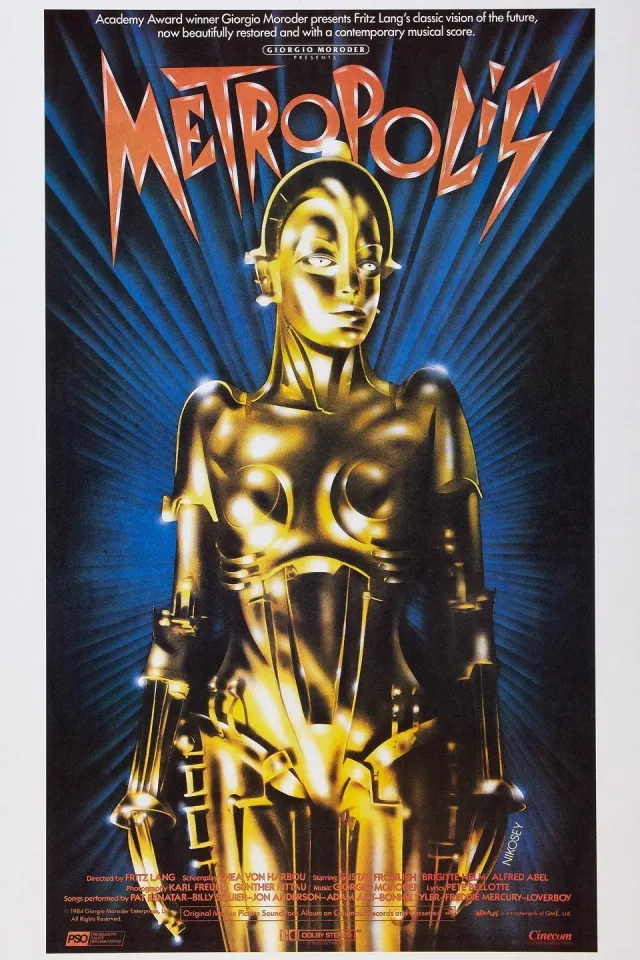
The privileged son of an industrial ruler discovers the exhaustion and danger sustaining life beneath his futuristic city. His attraction to a workers' advocate draws him into a conflict his father tries to control through surveillance and a manufactured double. As mechanised labour, religious imagery and mass unrest converge, attempts to manipulate collective fear threaten the very people the opposing leaders claim to represent.
Based on recorded story, mood and style. Your preferences can change the order.
Escape and pursuit
What changes Boy Kills World: rapid, episodic and escalating. Ra.One: a game-world conflict spills into a family’s everyday life.
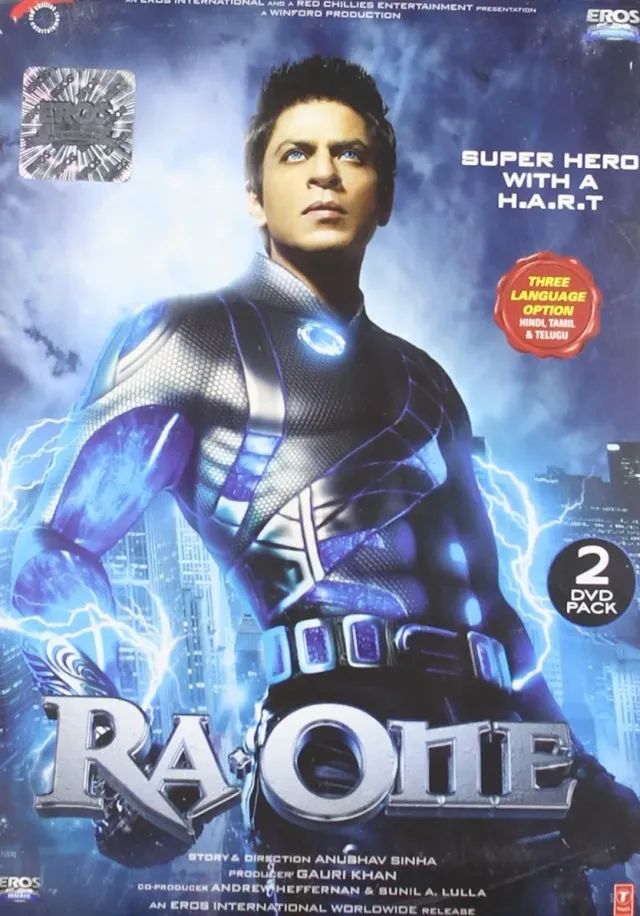
Game designer Shekhar creates a powerful antagonist for a new video game in hopes of impressing his son, Prateek. When the digital character escapes into the physical world, Shekhar’s family must rely on the game’s heroic counterpart to stop it. The science-fiction action comedy brings virtual rules into ordinary reality, connecting a father’s desire for approval with questions about artificial agency, technology, and responsibility.
Based on recorded story, mood and style. Your preferences can change the order.
Memory and identity
What changes Boy Kills World: rapid, episodic and escalating. Upstream Color: elliptical, patient and associative.
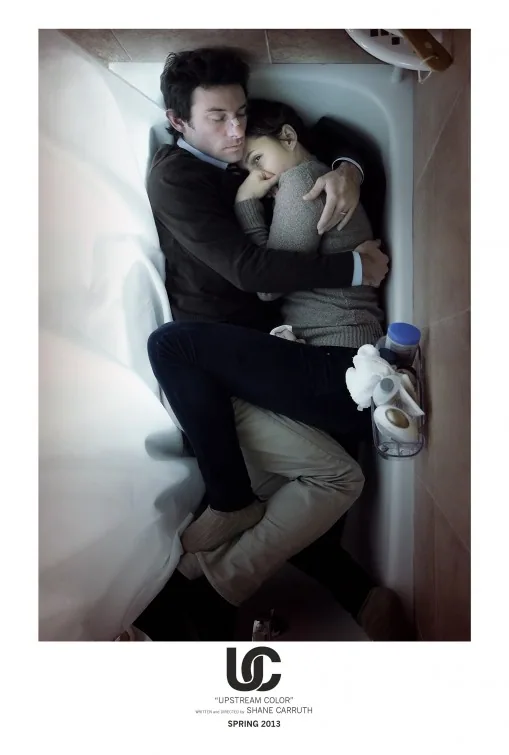
Kris is abducted by a thief who uses an organism to place her in a highly suggestible state and strip away control over her life. After the experience, she struggles to reconstruct her identity and forms a connection with Jeff, a man whose past carries a related rupture. Their lives intersect with a farmer and a cycle involving pigs, plants and people. Shane Carruth’s film presents its relationships and events through an elliptical, sensory structure.
Based on recorded story, mood and style. Your preferences can change the order.
Escape and pursuit · Memory and identity
What changes Boy Kills World: rapid, episodic and escalating. Bumblebee: fast.
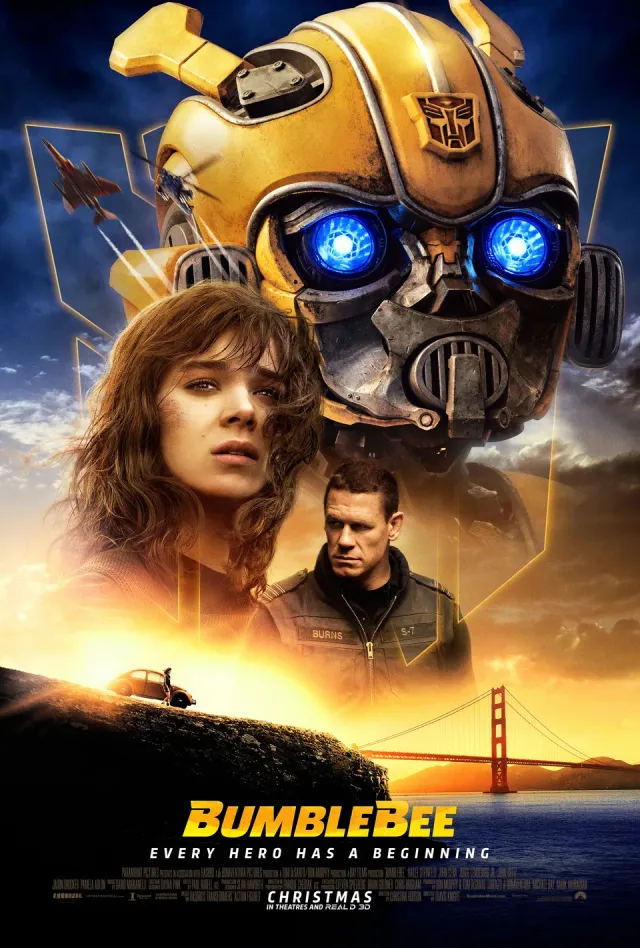
A grieving teenager finds a damaged yellow Volkswagen and discovers an alien machine-being whose missing memory and inability to speak leave him unusually dependent. Their improvised bond offers each a form of refuge, but hostile pursuers and a human military response turn concealment into a shared danger. Helping him recover a purpose must coexist with the girl's need to reconnect with her family and a life stalled by her father's death.
Based on recorded story, mood and style. Your preferences can change the order.
Political resistance · Memory and identity
What changes Boy Kills World: rapid, episodic and escalating. Æon Flux: propulsive and revelatory.
In a future city governed by a tightly controlled regime, assassin Æon Flux is sent to kill a political leader but encounters evidence that complicates her mission. Her search into the system’s hidden practices connects personal memory, bodily control and the state’s claim to protect its citizens. The science-fiction action uses a sleek, stylized future to question whether apparent stability can rest on manipulated identity.
Based on recorded story, mood and style. Your preferences can change the order.
Memory and identity
What changes Boy Kills World: rapid, episodic and escalating. The Jacket: unsteady and revelatory.
A Gulf War veteran named Jack is found with amnesia and committed to a psychiatric institution, where experimental treatment produces disorienting experiences of time and possible futures. His perceptions connect him to people whose lives may still be changed, but the uncertainty around what he sees complicates every effort to act. The thriller combines institutional confinement with a fractured identity story shaped by trauma and mortality.
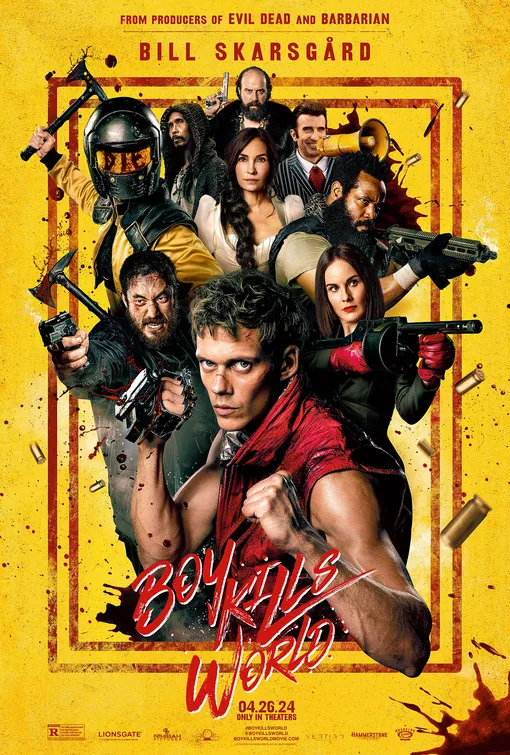
In a violent dystopian city ruled by the Van der Koy family, a boy loses his hearing and speech after the regime murders his family. A mysterious shaman trains him to turn his anger into combat skills, and he returns as an adult to pursue revenge. The boy's imagined voice and video-game-like point of view shape a stylized journey through the regime's public spectacle, while memories of his sister complicate the simple revenge story he thinks he is living.
What drives the story
A deaf and mute survivor trains to overthrow the family that killed his relatives.
The people at its centre
The boy's revenge mission is complicated by trauma, a hidden past and the memories he cannot fully trust.
What it feels like
Video-game rhythms and exaggerated violence make the dystopia feel deliberately surreal and comic-book shaped.
Worth knowing
Its subjective sound and absurdist tone distinguish it from a straightforward realistic revenge drama.