Explore films connected to Buffalo '66 through resentment and shame, family dysfunction, care and coercion. Choose the qualities you want to carry into your next watch.
What should feel similar?
Find your next favourite
9 films · Closest overall matches
Hide films you’ve seen or don’t want. Saved on this device.
No matches for this combination yet.
Try another option or reset your choices to see more films.
Based on recorded story, mood and style. Your preferences can change the order.
What changes Buffalo '66: episodic encounters, deliberate pauses and uneven emotional turns. Young Guns II: pursuit-led and reflective breaks.
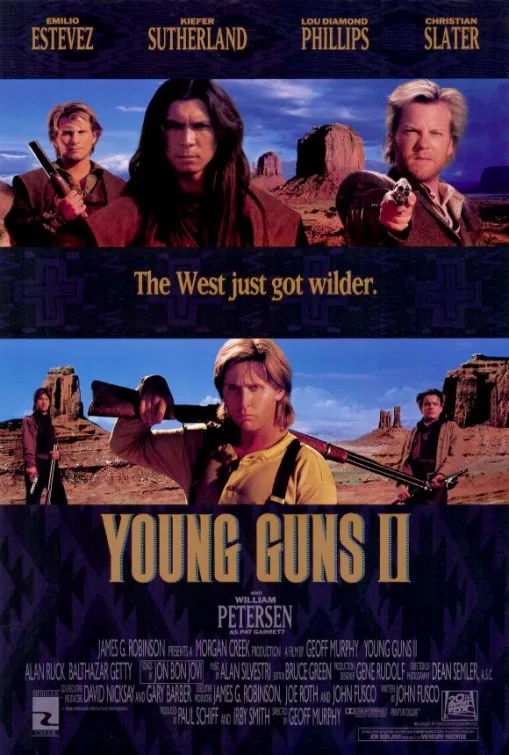
Billy the Kid and his companions remain fugitives as Pat Garrett closes in, while an older narrator claims to be the outlaw recounting his past. The film mixes western action with a story about how a notorious life becomes legend, giving the chase a second layer of uncertainty about memory and identity. The group faces changing loyalties as the open range offers less freedom than it once did.
Based on recorded story, mood and style. Your preferences can change the order.
What changes Buffalo '66: episodic encounters, deliberate pauses and uneven emotional turns. Billy Madison: grade-by-grade comic episodes.
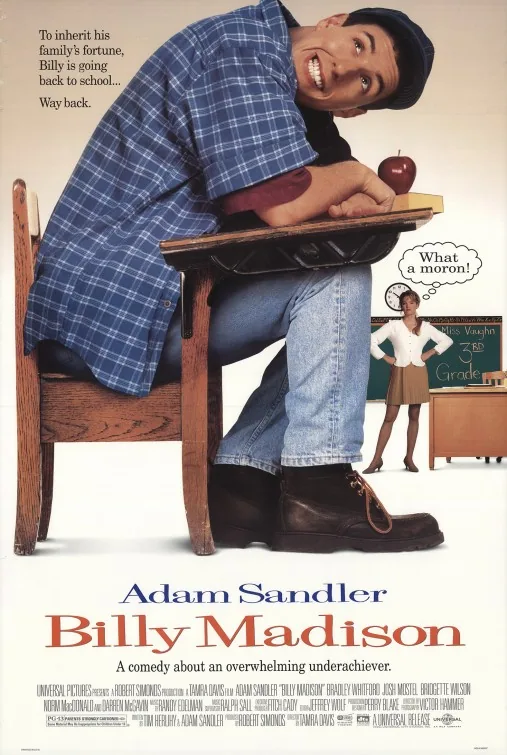
Billy Madison must repeat every grade of school to prove he can take over his father's company, despite being an adult with little discipline. His childish habits make the challenge chaotic, but relationships with classmates and a teacher gradually expose the gap between privilege and genuine responsibility. The comedy uses broad humiliation and absurd schoolroom stunts while giving its immature heir a simple coming-of-age arc.
Based on recorded story, mood and style. Your preferences can change the order.
What changes Buffalo '66: episodic encounters, deliberate pauses and uneven emotional turns. Public Enemies: fast, pursuit-driven and episodic.
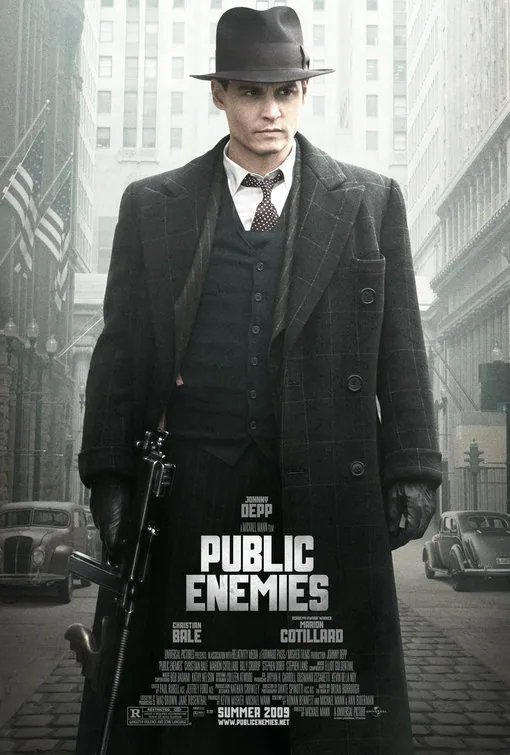
In 1933, bank robber John Dillinger breaks his crew out of Indiana State Prison and begins a run of high-profile robberies. FBI agent Melvin Purvis receives the assignment to capture him as J. Edgar Hoover pushes the bureau toward modern crime-fighting methods. Dillinger’s relationship with Billie Frechette develops amid the robberies, escapes and growing law-enforcement pressure, while Purvis’s pursuit becomes increasingly personal. The film follows the final stretch of Dillinger’s freedom through shifting safe houses, prison breaks and the government’s attempt to turn one outlaw into a public example. His career ends outside Chicago’s Biograph Theater.
Based on recorded story, mood and style. Your preferences can change the order.
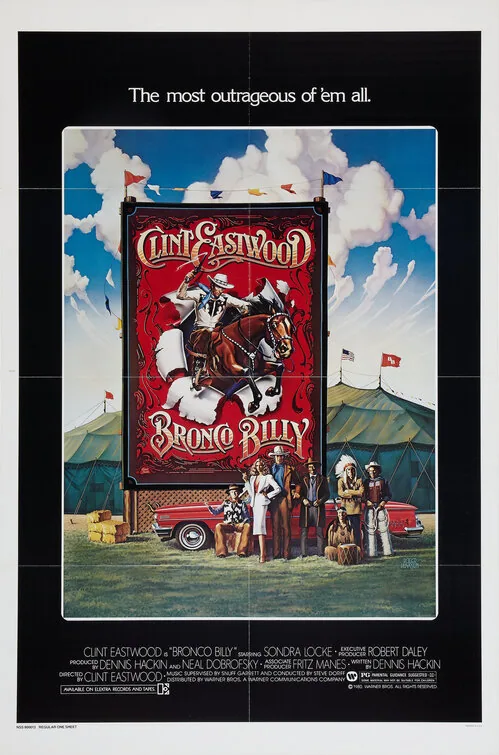
What changes Buffalo '66: episodic encounters, deliberate pauses and uneven emotional turns. Bronco Billy: unhurried and character-led.
Bronco Billy leads a small traveling Wild West show that survives through its members' loyalty and his faith in the act. When heiress Antoinette joins the troupe after a personal setback, her modern expectations collide with the show's improvised life on the road. The film follows two people with different ideas of freedom as performance and shared hardship gradually make the troupe feel like a family.
Based on recorded story, mood and style. Your preferences can change the order.
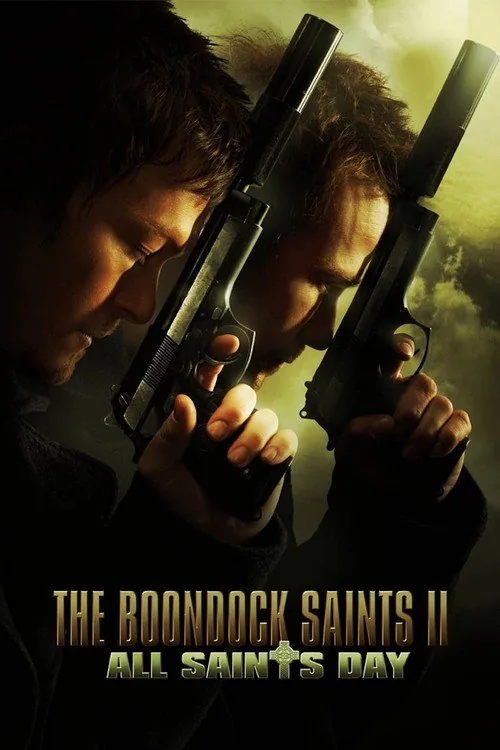
What changes Buffalo '66: episodic encounters, deliberate pauses and uneven emotional turns. The Boondock Saints II: All Saints Day: action-heavy and parallel pursuit and investigation.
After years in hiding with their father in Ireland, brothers Connor and Murphy MacManus return to Boston when a beloved priest is murdered and evidence points toward the mob. They join a new ally to pursue those responsible, while an FBI agent follows the brothers’ trail and questions their claim to be delivering justice. Troy Duffy’s sequel resumes the series’ stylized vigilante-crime world with violent set pieces, irreverent humor, and a family loyalty story built around the brothers’ return from exile.
Based on recorded story, mood and style. Your preferences can change the order.
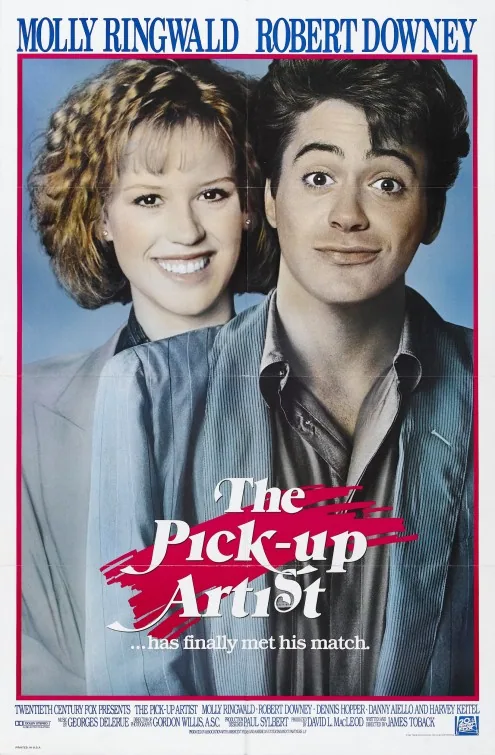
What changes Buffalo '66: episodic encounters, deliberate pauses and uneven emotional turns. The Pick-up Artist: meet-cute episodes, parallel family duty, escalating criminal conflict and romantic resolution.
Jack Jericho is a charming New York teacher who treats meeting women as a game, until he becomes interested in Randy Jensen, who is entangled with nightclub people and a dangerous mobster. Their first encounters are driven by Jack’s practiced lines and Randy’s unwillingness to be impressed. As their connection grows, Jack’s responsibilities to his grandmother, his unpaid rent and the threats around Randy complicate his easygoing routine. He finds himself caught in conflicts that cannot be solved by flirtation alone. The film uses the language of a romantic comedy to examine the difference between performance and genuine care, giving its breezy city courtship a crime-story undercurrent.
Based on recorded story, mood and style. Your preferences can change the order.
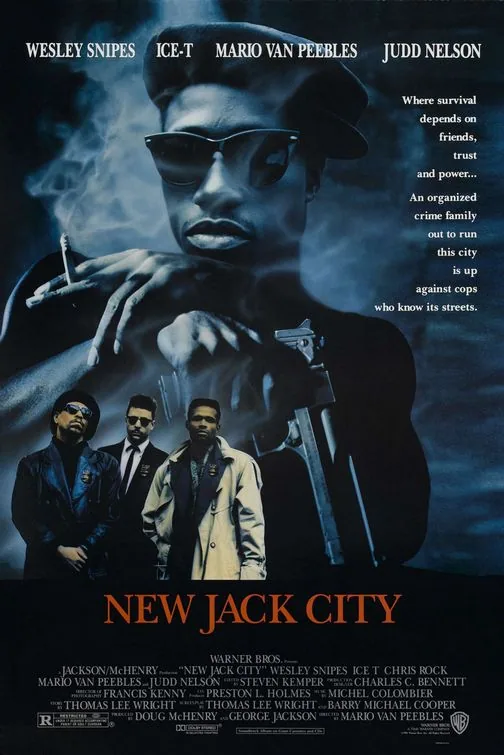
What changes Buffalo '66: episodic encounters, deliberate pauses and uneven emotional turns. New Jack City: escalating and crime-saga.
In 1980s New York, Nino Brown builds a lucrative crack-cocaine empire and takes over an apartment complex as the center of his operation. Undercover detective Scotty Appleton and his partner try to penetrate the organization, but the investigation is shaped by a neighborhood already carrying the costs of the drug trade. The film combines crime-rise spectacle with a police perspective on power, loyalty and community damage.
Based on recorded story, mood and style. Your preferences can change the order.
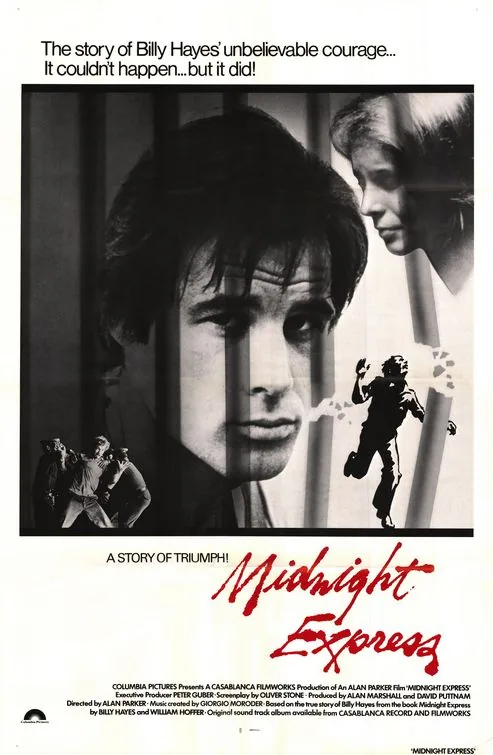
What changes Buffalo '66: episodic encounters, deliberate pauses and uneven emotional turns. Midnight Express: escalating.
American student Billy Hayes is arrested while trying to smuggle hashish out of Turkey and receives a severe prison sentence. Inside prison he navigates brutal guards, alliances with other inmates and repeated hopes of appeal or escape; a failed attempt and harsher punishment deepen his desperation. The story eventually turns on one final escape plan, but its prison melodrama is also shaped by how it reduces a complex country to an antagonist. Based on Hayes's memoir, the film dramatizes events and has been criticized for its distortions and broad depiction of Turkish people.
Based on recorded story, mood and style. Your preferences can change the order.
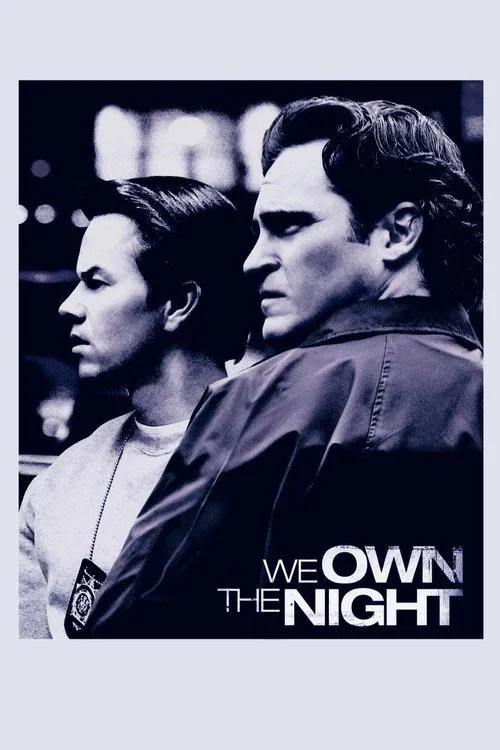
What changes Buffalo '66: episodic encounters, deliberate pauses and uneven emotional turns. We Own the Night: a nightclub manager with criminal connections agrees to infiltrate the drug operation that threatens his police family..
In 1980s Brooklyn, nightclub manager Bobby Green keeps his distance from his father Burt and brother Joseph, both senior New York police officers. His club’s connection to a Russian drug trafficker puts him on the wrong side of a police raid, and an attack on Joseph forces Bobby to cooperate with the family’s anti-drug operation. He goes undercover inside the criminal network, placing his relationship with girlfriend Amada and his loyalty to his family under strain. James Gray’s crime drama follows a nightlife insider pulled toward the police world he had rejected.
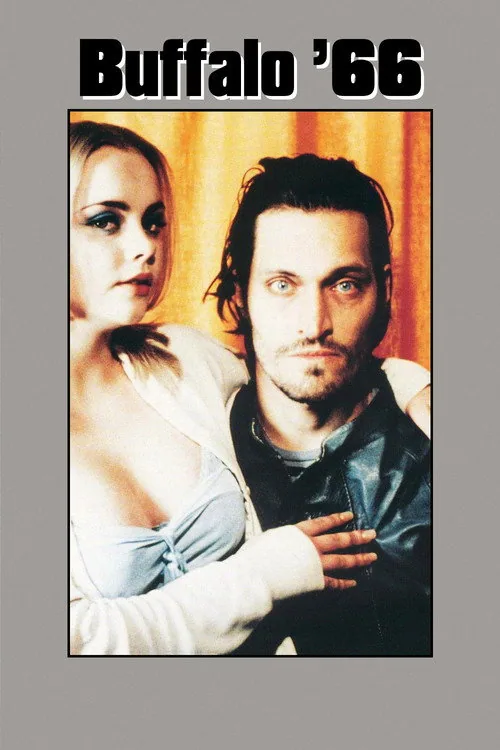
Recently released from prison, Billy Brown returns to Buffalo and conceals his absence from his deeply dysfunctional parents. He kidnaps Layla, a young tap dancer, and forces her to pose as his wife during a visit intended to win their approval. The strained family performance runs alongside Billy's fixation on a football loss he blames for his imprisonment and his plan to retaliate against the kicker. Vincent Gallo's independent drama mixes romance, black comedy, and memory to show how humiliation and resentment distort the way Billy treats other people.
What drives the story
Billy's attempt to stage a normal homecoming keeps colliding with an old grievance that has become his private explanation for failure.
The people at its centre
Layla's patience and unforced warmth challenge Billy's hostility, while his parents reveal the family habits behind his resentment.
What it feels like
The film moves between discomfort, dark humor, music, and pockets of tenderness without smoothing Billy into an easy hero.
Worth knowing
Its sports references fuel a personal revenge obsession; it is not a conventional football film or a straightforward redemptive romance.
resentment and shamefamily dysfunctioncare and coercion